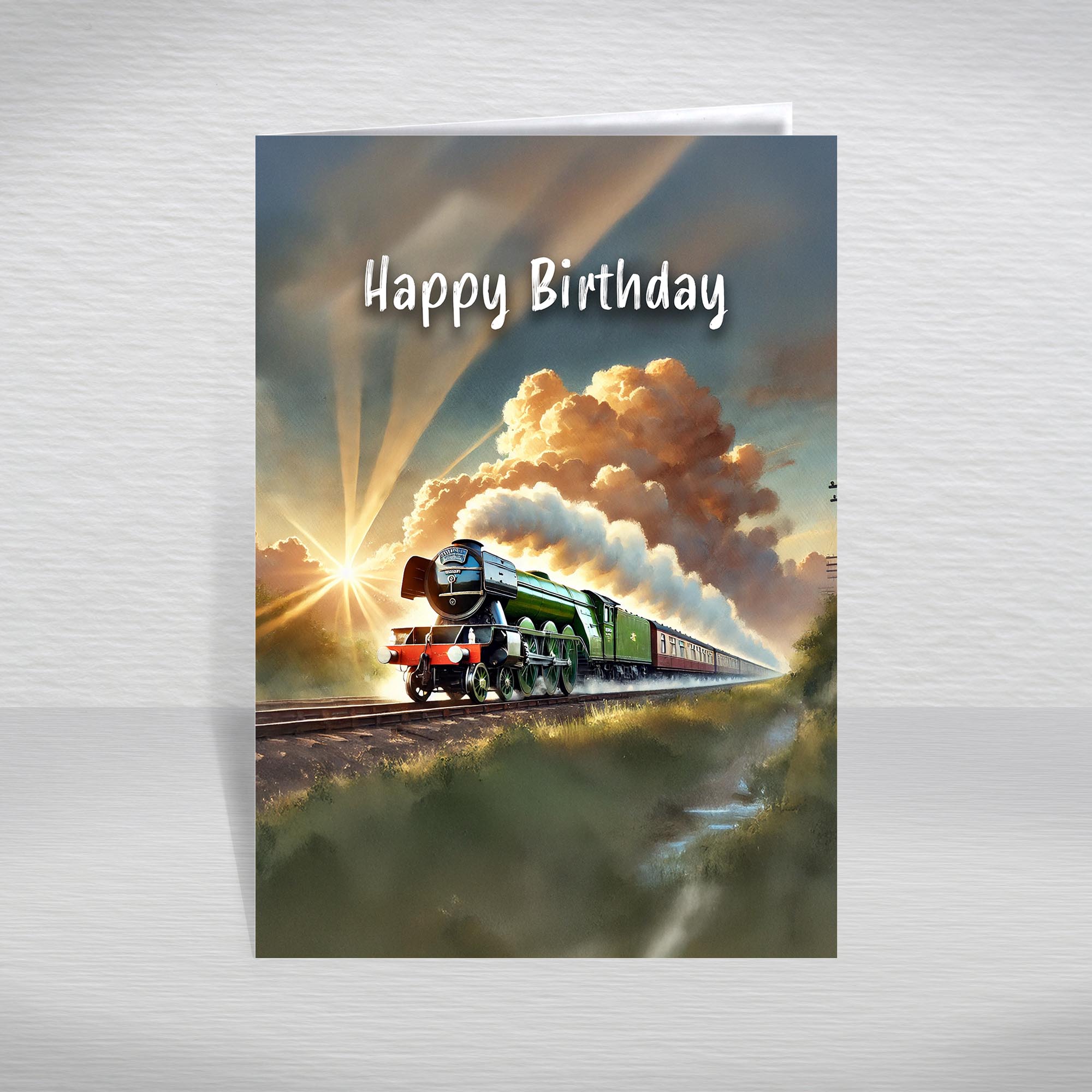
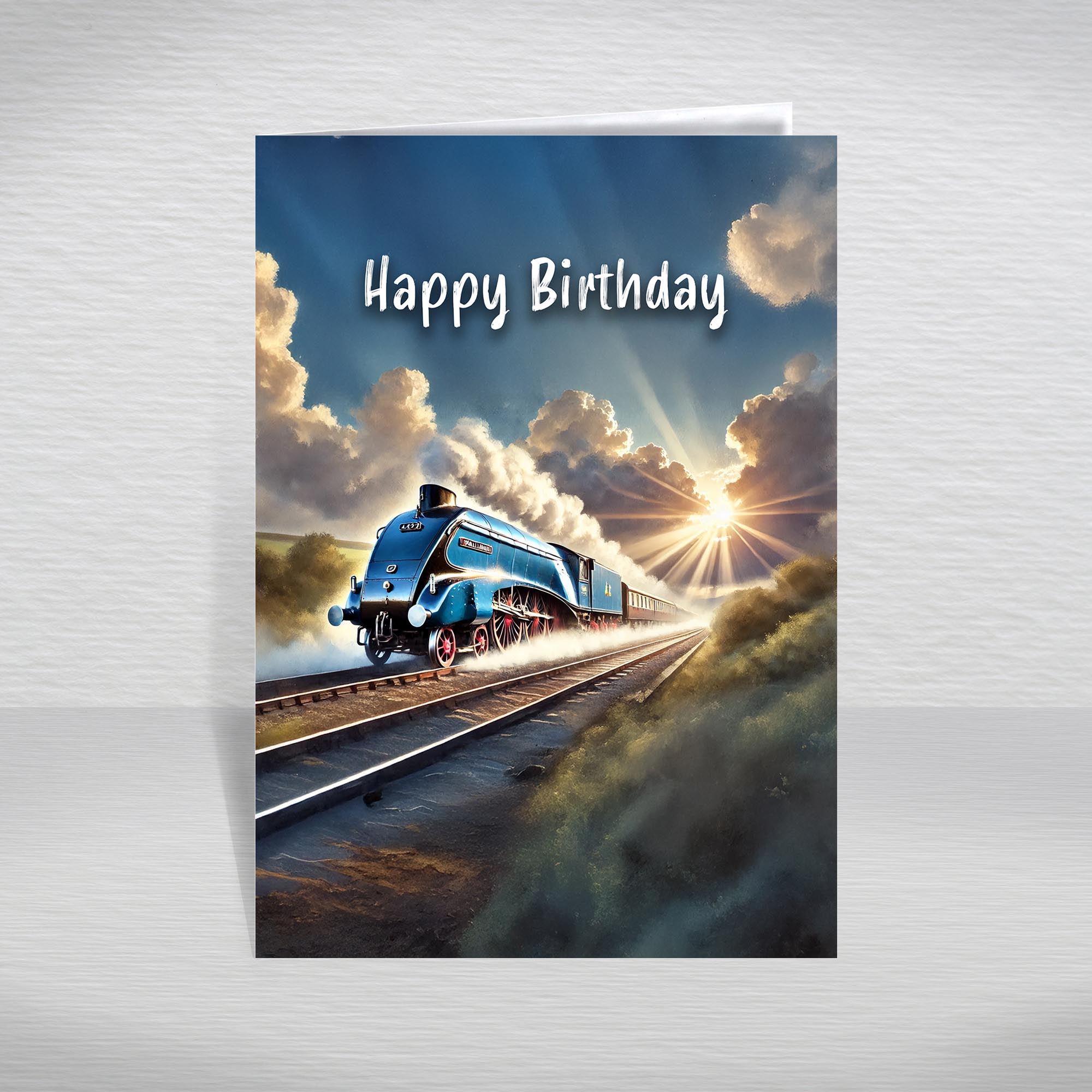
British Railways
British Railways (trading as British Rail from 1965) was the nationalised railway operator of Great Britain from 1 January 1948 until the completion of privatisation in April 1997 — forty-nine years during which it managed the nation's railways through decline, modernisation, contraction under Beeching, and ultimately a significant renaissance of rail travel. Created by the Transport Act 1947, BR consolidated the Great Western Railway, London and North Eastern Railway, London, Midland and Scottish Railway and Southern Railway — the Big Four formed by the 1923 Grouping — into a single state-owned undertaking.
The early BR years were dominated by R.A. Riddles and his team's programme of twelve BR Standard steam locomotive classes, which rationalised the diverse inherited fleets into a family of well-engineered modern types. The 1955 Modernisation Plan then committed BR to replacing steam by diesel and electric traction, launching the complex multi-supplier procurement programme of the late 1950s and 1960s that produced both successes — the Class 47 and Deltic — and failures, including numerous unreliable early pilot-scheme types. The last BR steam locomotive ran in August 1968.
BR's finest technical achievement was arguably the InterCity 125 High Speed Train, developed from the late 1960s and introduced from 1976, which transformed inter-city travel on the Great Western and Midland Main Lines and established Britain as a world leader in high-speed diesel traction. Progressive 25 kV AC electrification — the West Coast Main Line (1959–1974), East Coast Main Line (1985–1991), and Great Eastern (1986) — brought further improvements to inter-city journey times. The sectorisation of BR into InterCity, Network SouthEast, Regional Railways, and freight sectors from 1982 created a more commercially focused structure that improved both services and passenger numbers through the late 1980s.
The Railways Act 1993 initiated privatisation, vesting infrastructure in Railtrack and breaking operations into 25 passenger train operating companies and three freight operators. The final privatisation transfers completed in April 1997. BR's engineering legacy — its locomotives, infrastructure, and institutions — continues to underpin the modern British railway network.
About
British Railways (BR) was the operating name of the nationalised British Transport Commission's Railway Executive from 1 January 1948 until the privatisation of the network completed in April 1997. It consolidated the GWR, LNER, LMS and Southern Big Four (along with several smaller concerns) into a single state-owned undertaking and managed Britain's railways through forty-nine years of contraction, modernisation and renaissance.
Six BR Regions inherited the territories of the pre-Grouping companies: Eastern (the LNER's southern territory), North Eastern (the LNER's former NER lines), Scottish (LNER and LMS Scottish Areas), Southern (the SR), Western (the GWR) and London Midland (the LMS's English mileage). Initially each Region retained considerable engineering autonomy; the BR Standard steam programme of 1951–1960 designed by R. A. Riddles was an early attempt at central control.
The 1955 Modernisation Plan committed BR to mass replacement of steam by diesel and electric traction by 1968. Successive 25 kV AC electrifications spread from the Manchester–Crewe pilot to the West Coast (1959–1974), East Coast (1985–1991) and Great Eastern (1986). From 1982 BR was internally restructured along sector lines, Network SouthEast, InterCity, Provincial (later Regional Railways) and Railfreight, replacing the geographic Regions for marketing purposes.
The InterCity 125 (Class 43 HST) of 1976, the world's fastest diesel train, and the InterCity 225 of 1989 represented BR's high-water mark of independent technical achievement. The Railways Act 1993 led to the staged privatisation of the railways from 1994 to 1997, vesting infrastructure in Railtrack and operations in 25 franchised passenger Train Operating Companies and three freight operators.