London & North Eastern Railway
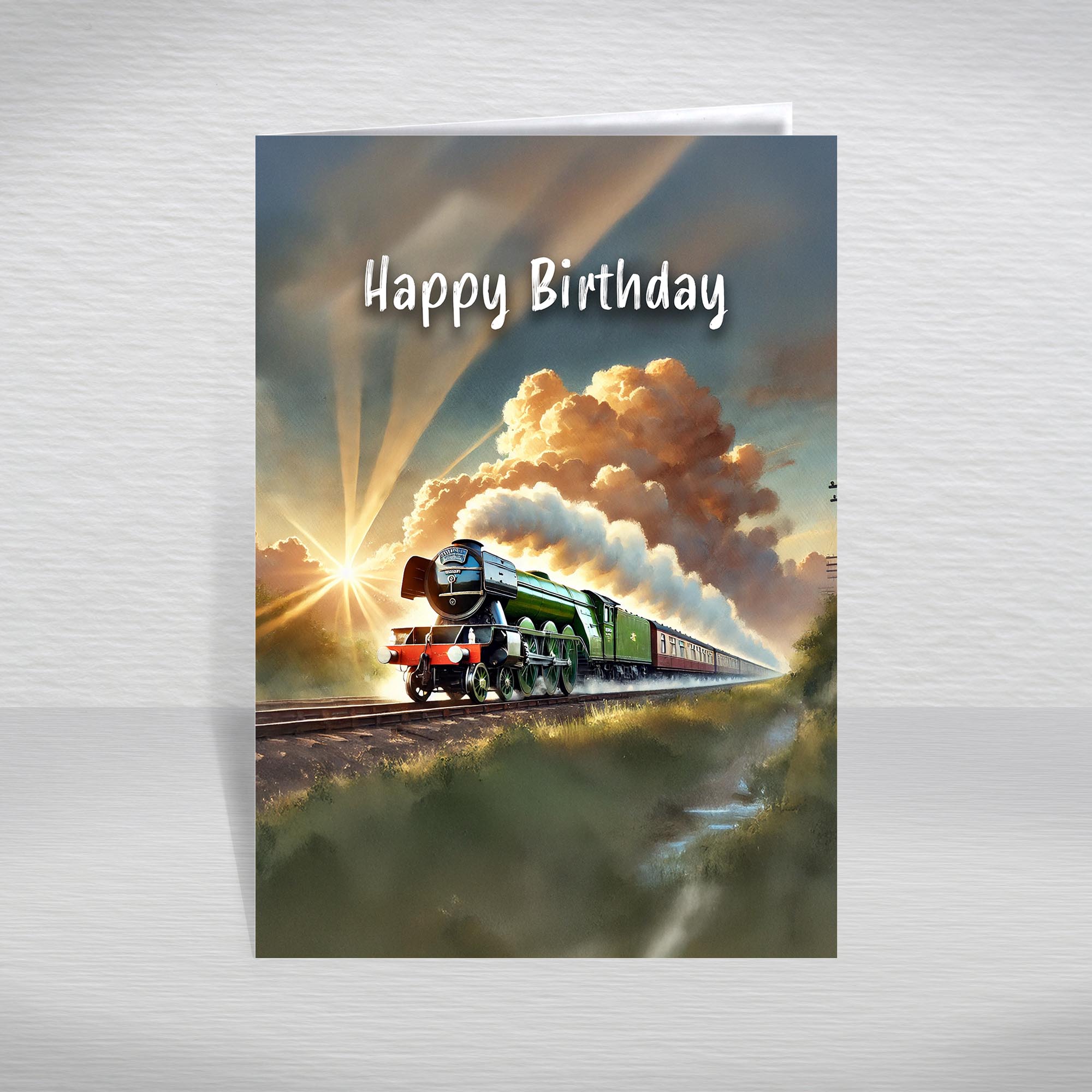
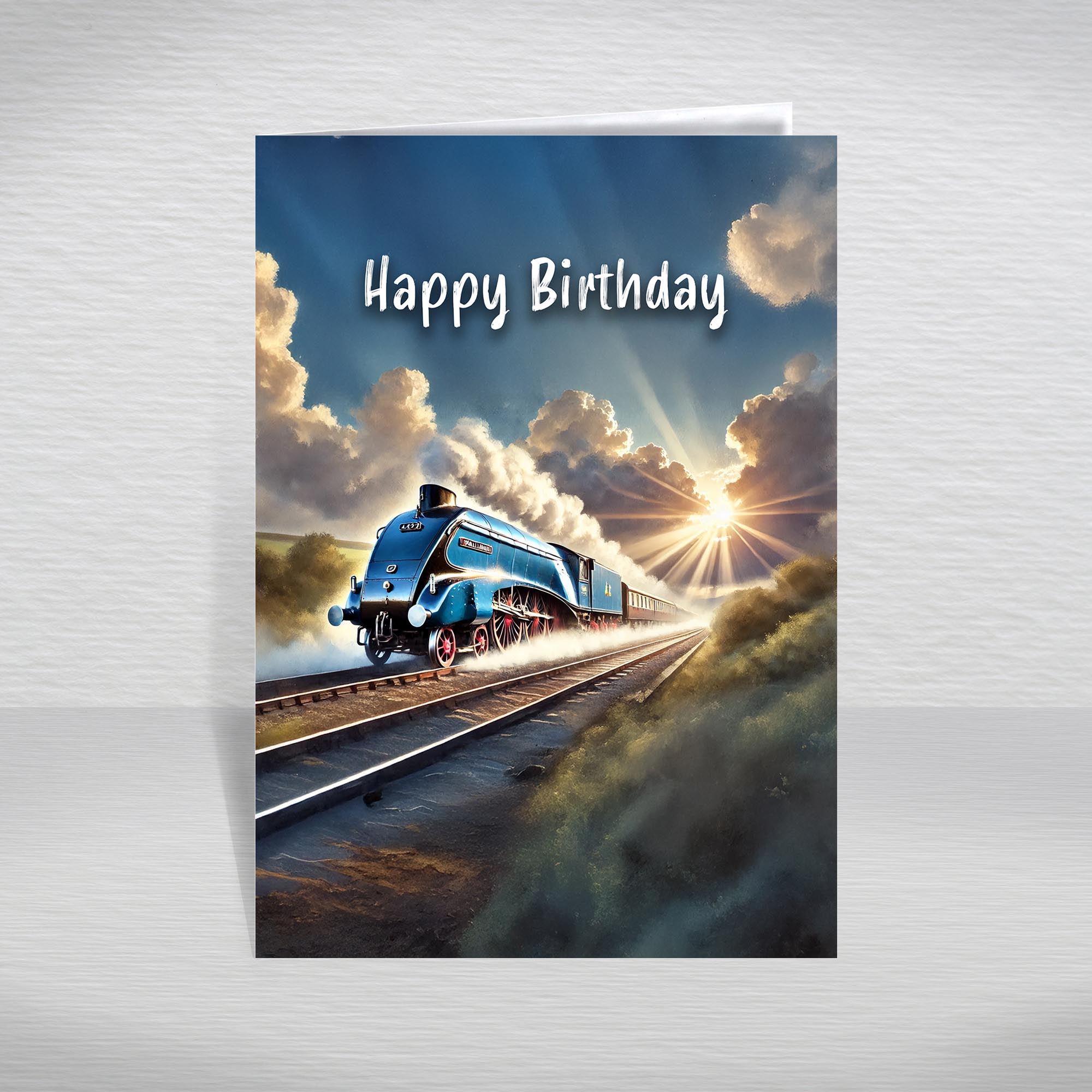
The London and North Eastern Railway was the railway of speed, glamour, and engineering ambition — the company of Flying Scotsman, Mallard, and the streamlined A4 Pacifics, whose record-breaking performances and evocative locomotive names gave the LNER a place in popular culture that no other British railway has quite matched. Formed at the 1923 Grouping from the Great Northern, North Eastern, Great Eastern, Great Central, North British, Great North of Scotland, and Hull and Barnsley railways, the LNER was the second-largest of the Big Four by route mileage, stretching from King's Cross to Aberdeen and across East Anglia.
Formation and Financial Context
The LNER's financial inheritance was the weakest of the Big Four. The Great Central Railway's London Extension — built at enormous cost for traffic volumes that never materialised — was a permanent burden. The North Eastern's heavy-industry territory was vulnerable to the interwar recession, and the Great Eastern's intense suburban services required constant investment. Throughout the 1920s and 1930s the LNER paid only modest dividends to its shareholders, and the company operated under tighter capital constraints than either the LMS or GWR. That Nigel Gresley achieved what he did against this financial background makes his engineering record all the more remarkable.
The Gresley Era — Britain's Greatest Railway Engineer
Sir Herbert Nigel Gresley served as CME of the Great Northern Railway from 1911 and continued in that role for the LNER from its formation in 1923 until his death in April 1941 — eighteen years during which he produced the most celebrated succession of express locomotive designs in British railway history. Gresley's trademark was the three-cylinder locomotive with his patented conjugated valve gear, which derived the inside cylinder's valve events from the outside cylinders through a 2:1 lever mechanism, saving the weight and complexity of a third independent valve gear.
The A1 Pacific of 1922 (completed at Doncaster just before the Grouping) was the starting point. Following the 1925 exchange trials, in which the GWR's Pendennis Castle demonstrated the superiority of long-travel valves on the Great Northern main line, Gresley adopted this principle across his fleet — transforming the A1s' coal and water consumption and setting the foundation for all subsequent ECML express work. The A1 became the A3 with improved boilers; the A3 class included No. 4472 Flying Scotsman, which on 30 November 1934 became the first locomotive officially authenticated at 100 mph in a properly witnessed test. The V2 2-6-2 mixed-traffic engine of 1936 — 184 built — was arguably Gresley's most versatile design, working everything from the Flying Scotsman to wartime freight with equal competence.
The A4 streamlined Pacific of 1935, designed for the new Silver Jubilee high-speed service between King's Cross and Newcastle, was Gresley's masterpiece. The streamlined bodywork was developed in the National Physical Laboratory wind tunnel, producing a distinctive wedge-fronted profile that reduced air resistance at the 112 mph operating speeds the new service required. On 3 July 1938 A4 No. 4468 Mallard reached 126 mph on Stoke Bank in Lincolnshire during a braking test — the world steam speed record that has never been equalled or broken. Six A4 Pacifics survive in preservation, including Mallard at the National Railway Museum, York and three in North America.
Named Trains and the East Coast Identity
The LNER's named train programme was the most extensive and imaginative in British railway history. The Flying Scotsman service (the train, not just the locomotive) ran non-stop between King's Cross and Edinburgh Waverley from 1 May 1928 — the longest scheduled non-stop railway journey in the world at 392.7 miles, initially requiring a corridor tender that allowed crew changes en route. The Silver Jubilee of 1935 introduced high-speed streamlined service between London and Newcastle at a maximum speed of 112 mph. The Coronation of 1937 extended the streamlined concept to Edinburgh, with observation cars and the distinctive two-tone blue livery of the beaver-tail observation coach. The West Riding Limited served Leeds and Bradford; the Yorkshire Pullman ran to Hull and Harrogate. These trains, with their evocatively named locomotives — Golden Eagle, Dominion of Canada, Dwight D. Eisenhower, Sir Nigel Gresley himself — gave the LNER an identity in the public imagination that persists to the present day.
Post-Gresley and Nationalisation
Edward Thompson (1941–1946) produced the capable B1 4-6-0 mixed-traffic engine — 410 built, the LNER's most numerous post-war class — alongside the controversial rebuilding of Gresley's P2 2-8-2 Mikados and his own version of the Pacific. Arthur Peppercorn (1946–1948) completed the A1 and A2 Pacific classes that gave the East Coast Main Line its definitive steam express locomotive through the 1950s. In 2008, the A1 Steam Locomotive Trust completed No. 60163 Tornado to Peppercorn's original drawings — the first new main-line steam locomotive built in Britain since 1960, and a working tribute to the LNER engineering tradition that has since run at over 100 mph on the national network.
Preservation Legacy
The LNER's legacy in preservation is exceptional. The National Railway Museum at York — located in the former LNER North Eastern Region headquarters city — holds Mallard, Flying Scotsman (on loan from the NRM), and a comprehensive collection of LNER locomotives and rolling stock. The North Yorkshire Moors Railway, Great Central Railway, Keighley and Worth Valley Railway, Mid-Norfolk Railway, and Bo'ness and Kinneil Railway all preserve former LNER routes. The six preserved A4 Pacifics — and the operational Tornado — give the LNER the most celebrated active heritage locomotive fleet in Britain.
About
The London and North Eastern Railway (LNER) was the second-largest of the British Big Four railways, formed at the 1923 Grouping by the amalgamation of the Great Northern, Great Eastern, Great Central, North Eastern and North British railways and the lines of the Hull & Barnsley and Great North of Scotland. It operated the East Coast Main Line from London King's Cross to Edinburgh and Aberdeen, the Great Eastern's lines into East Anglia, and a substantial freight and mineral business in the North East.
Locomotive engineering was led from Doncaster by Sir Nigel Gresley from formation until his death in 1941, then by Edward Thompson (1941–1946) and Arthur Peppercorn (1946–1948). The LNER's three-cylinder Pacifics, Gresley's A1 (1922), A3, streamlined A4 (1935) and Peppercorn's post-war A1, were the most celebrated British express engines of their generation. The A4 No. 4468 'Mallard' attained 126 mph on Stoke Bank on 3 July 1938, the world record for steam traction.
The LNER inherited a notably uneven financial position from its constituents, the GCR's London Extension was a costly inheritance and many of the territories were dependent on declining heavy-industry traffic. Despite this, the company invested in capital projects of considerable ambition: the streamlined Coronation, Silver Jubilee and West Riding Limited expresses; the Worsbrough Banker Garratt; and the heavy P2 'Cock o' the North' 2-8-2 of 1934 for Edinburgh–Aberdeen express service.
At nationalisation on 1 January 1948 the LNER became the Eastern, North Eastern and (in part) Scottish Regions of British Railways. Several Gresley designs were continued in production by BR after 1948, and a new-build A1, No. 60163 'Tornado', was completed to Peppercorn drawings in 2008.