Great Northern Railway
The Great Northern Railway was the southern partner of the East Coast Main Line partnership, operating from King's Cross to Doncaster, York, and through East Anglia and the East Midlands — the route that carried the Anglo-Scottish expresses and the Flying Scotsman service that became one of the most celebrated named trains in the world. Incorporated in 1846 and opening its main line in stages from 1848 to 1852, the GNR established Doncaster Works as its locomotive manufacturing centre — 'The Plant' — which became one of the most celebrated railway engineering establishments in Britain.
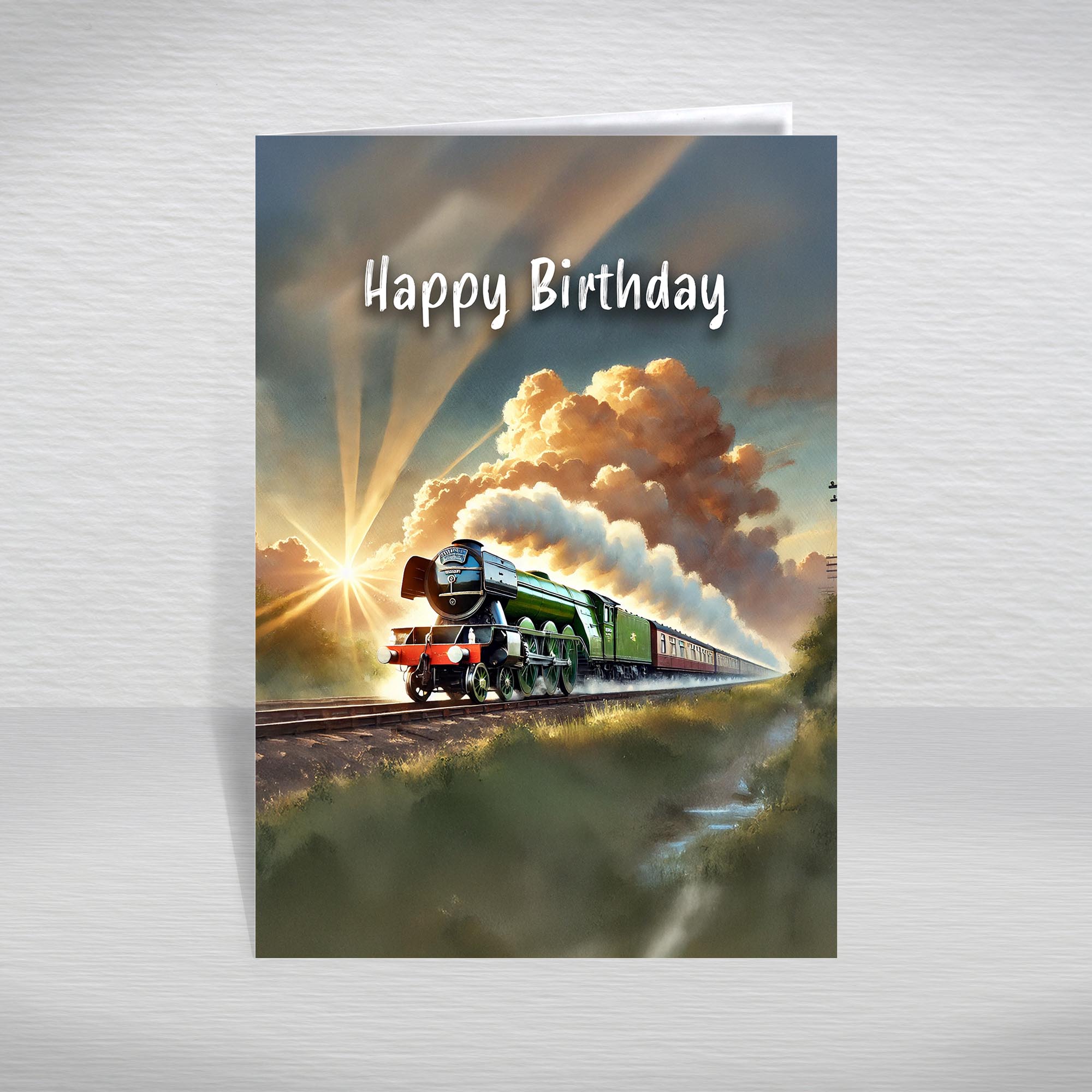
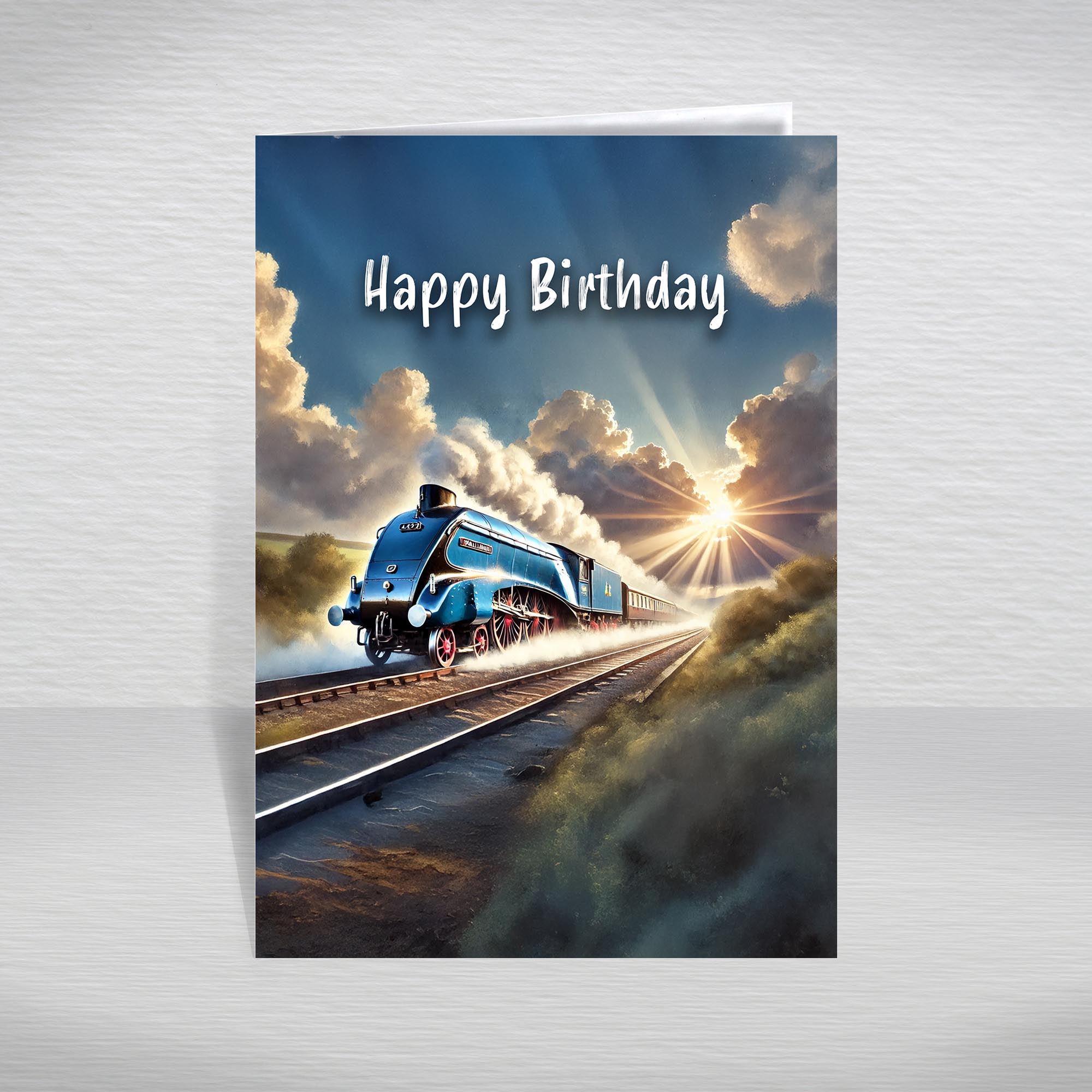
The GNR's locomotive succession produced three of the most historically significant British locomotive designers. Patrick Stirling's celebrated 8-foot Single 4-2-2 — with its great single pair of 8 ft driving wheels and domeless boiler — worked the East Coast expresses for thirty years with a grace and speed that made it the most admired British locomotive of the 1870s and 1880s. Henry Ivatt introduced the Atlantic wheel arrangement to Britain in 1898, his large-boilered C1 Atlantic of 1902 being one of the finest fast steamers of the Edwardian era. Nigel Gresley succeeded Ivatt in 1911 and developed the A1 Pacific — completed just before the 1923 Grouping — that became the foundation of the LNER's entire express locomotive tradition through Mallard and beyond.
The GNR was the senior partner in the East Coast Conference joint working arrangement with the North Eastern Railway and North British Railway for through Anglo-Scottish services. At the 1923 Grouping it became part of the London and North Eastern Railway, which inherited Doncaster Works, the King's Cross route, and the Gresley design legacy that produced Mallard and the A4 Pacifics.
About
The Great Northern Railway (GNR) was a British pre-grouping railway incorporated by the London & York Railway Act of 26 June 1846 and renamed the GNR in 1847. Its system ran from King's Cross to York and Doncaster (with a branch to Edinburgh under the East Coast joint working) and through East Anglia and the East Midlands to Lincolnshire and the South Yorkshire coalfield.
Locomotive engineering was carried out at Doncaster Works (the 'Plant', founded 1853) under successive Locomotive Superintendents, Edward Bury, Patrick Stirling (1866–1895), Henry Ivatt (1896–1911) and Nigel Gresley (1911–1922). Stirling's celebrated 8-foot Single worked the East Coast expresses for thirty years; Ivatt introduced the Atlantic to Britain in 1898 with his small-boilered C2 'Klondike', and the Large Atlantic C1 of 1902 was an exceptional fast steamer; Gresley's A1 Pacific of 1922 (the 'Flying Scotsman' class) entered traffic just before Grouping.
The GNR was the senior partner in the East Coast Conference, a long-running joint working agreement with the North Eastern and North British for through Anglo-Scottish services. At Grouping on 1 January 1923 the GNR became part of the LNER, whose East Coast Pacifics, Gresley's A1, A3, A4 and Peppercorn's post-war A1, were direct continuations of the GNR's express tradition.