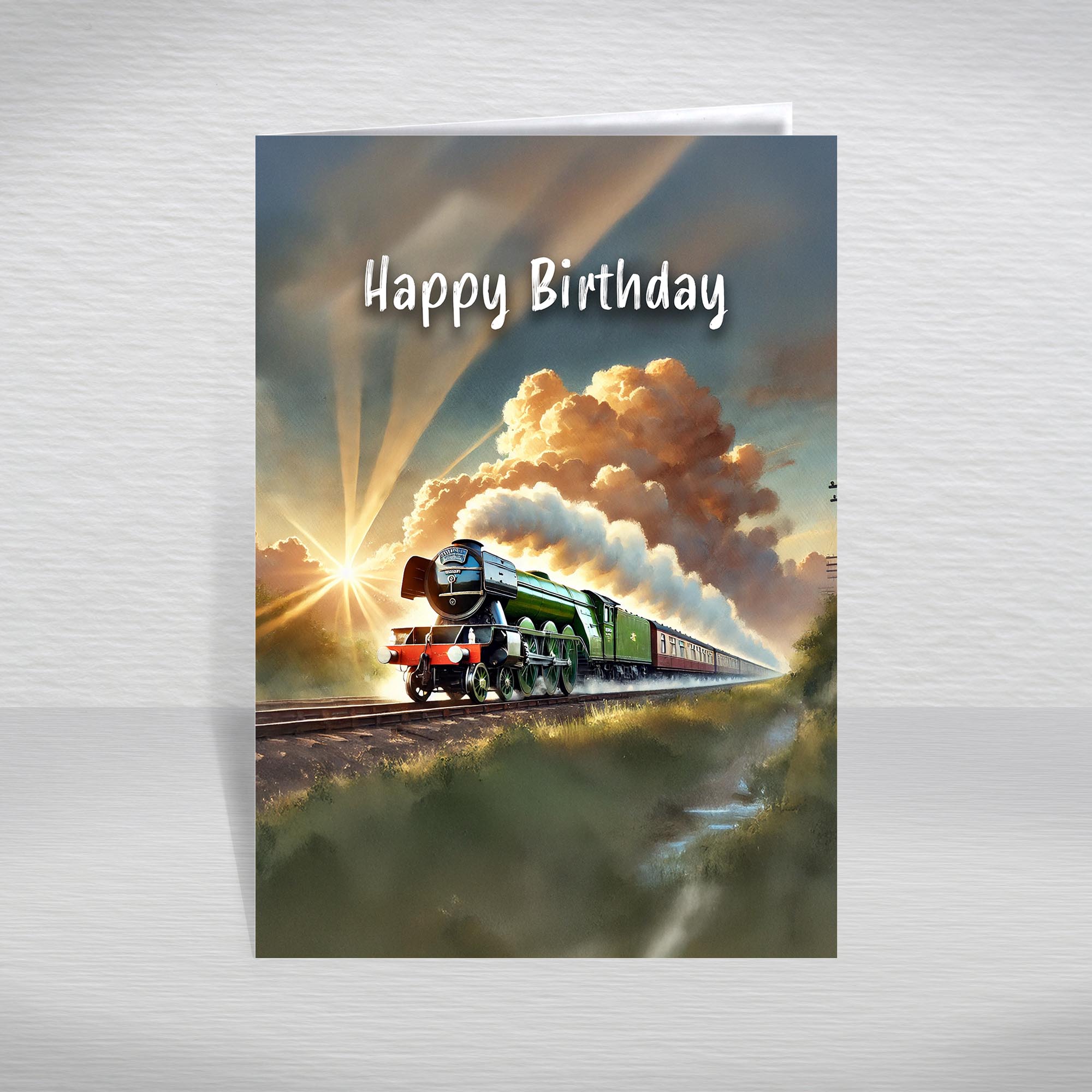
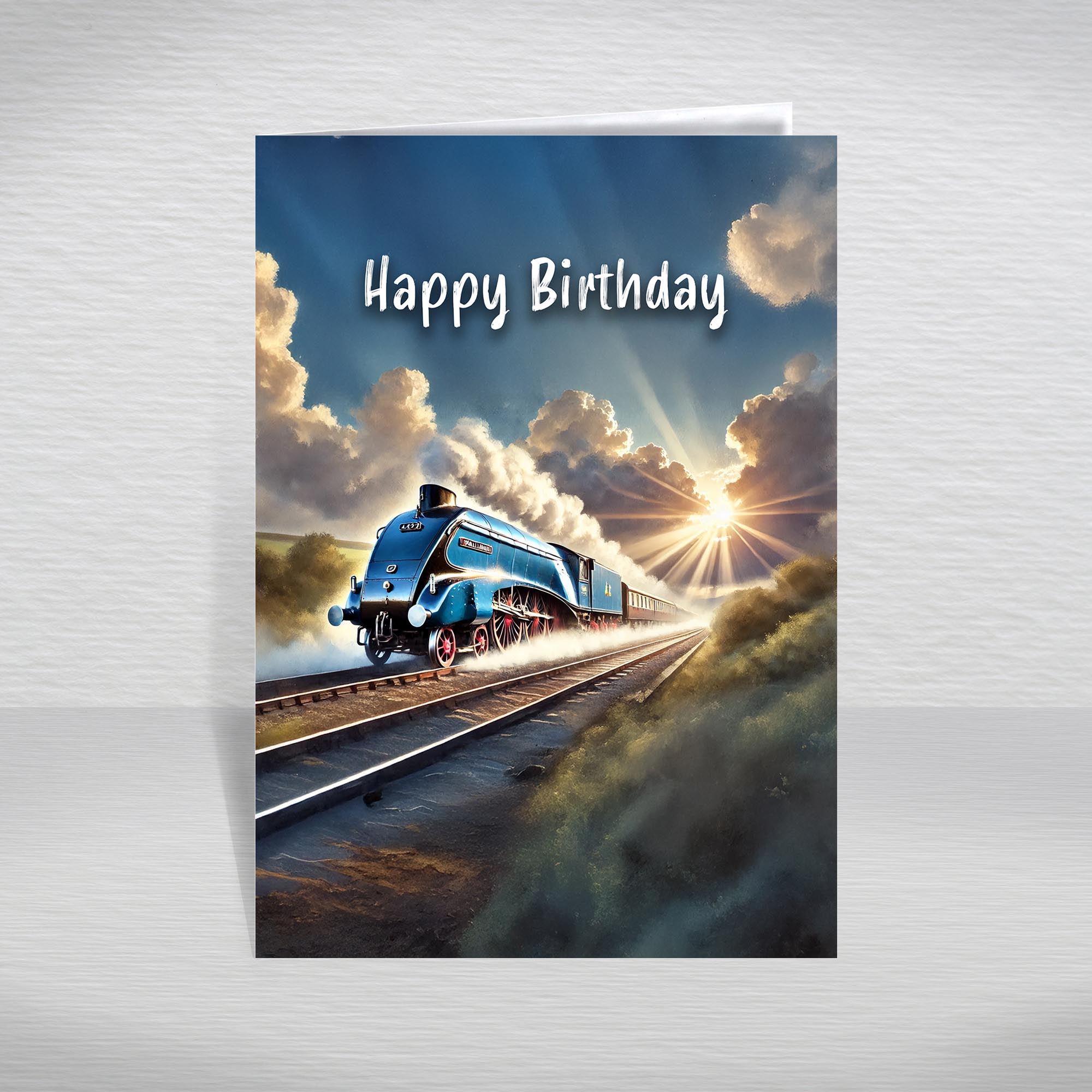
GNR No.1
GNR No. 1 was a 2-2-2 single-driver express locomotive built for the Great Northern Railway in 1848 by Hawthorn & Co of Newcastle, representing one of the earliest express passenger engines operated by the GNR in its opening years. The GNR had been incorporated in 1846 and opened its main line between London and York in stages from 1848, and its initial locomotive fleet was sourced from outside manufacturers as the company established itself.
The 2-2-2 wheel arrangement — a single pair of leading wheels, one large driving axle, and a trailing pair — was the standard British express configuration of the late 1840s and 1850s, the Patentee type that had been standard since Robert Stephenson's influential design of 1833. GNR No. 1's 7 ft driving wheels placed it at the larger end of contemporary express practice, appropriate for the relatively level main line the GNR was opening between London King's Cross and the North.
The early GNR locomotive fleet under Archibald Sturrock — the GNR's first Locomotive Superintendent, appointed in 1850 — was a mixed collection of early types. No. 1 was one of the opening-era locomotives that Sturrock inherited and worked with as the GNR's traffic grew through the early 1850s. It was withdrawn as the GNR's fleet developed under Sturrock and subsequently Patrick Stirling, whose famous 8-foot Singles from 1870 would transform the GNR's express performance. None of the GNR's earliest express locomotives from this period was preserved.
Design and development
GNR No. 1 was supplied by Hawthorn & Co of Newcastle in 1848 as one of the GNR's opening fleet locomotives. The 2-2-2 Patentee-derived configuration with large driving wheels was standard British express practice of the late 1840s.
Service and withdrawals
Worked GNR express services in the early 1850s. Withdrawn as the GNR fleet was developed under Archibald Sturrock. Not preserved. The number 1 was subsequently reused for the celebrated Stirling Single of 1870.
Identification features
Inside-cylinder 4-2-2 with leading 4-wheel bogie, large single drivers, and parallel boiler.
Notable locomotives
- GNR No. 1 (1848, not preserved)
Livery history
Preservation status
Not preserved. GNR No. 1 of 1848 should not be confused with the much more celebrated GNR No. 1 — the Stirling Single of 1870 — which is preserved at the National Railway Museum, York. This entry concerns the earlier, unrelated 1848 locomotive of the same number.