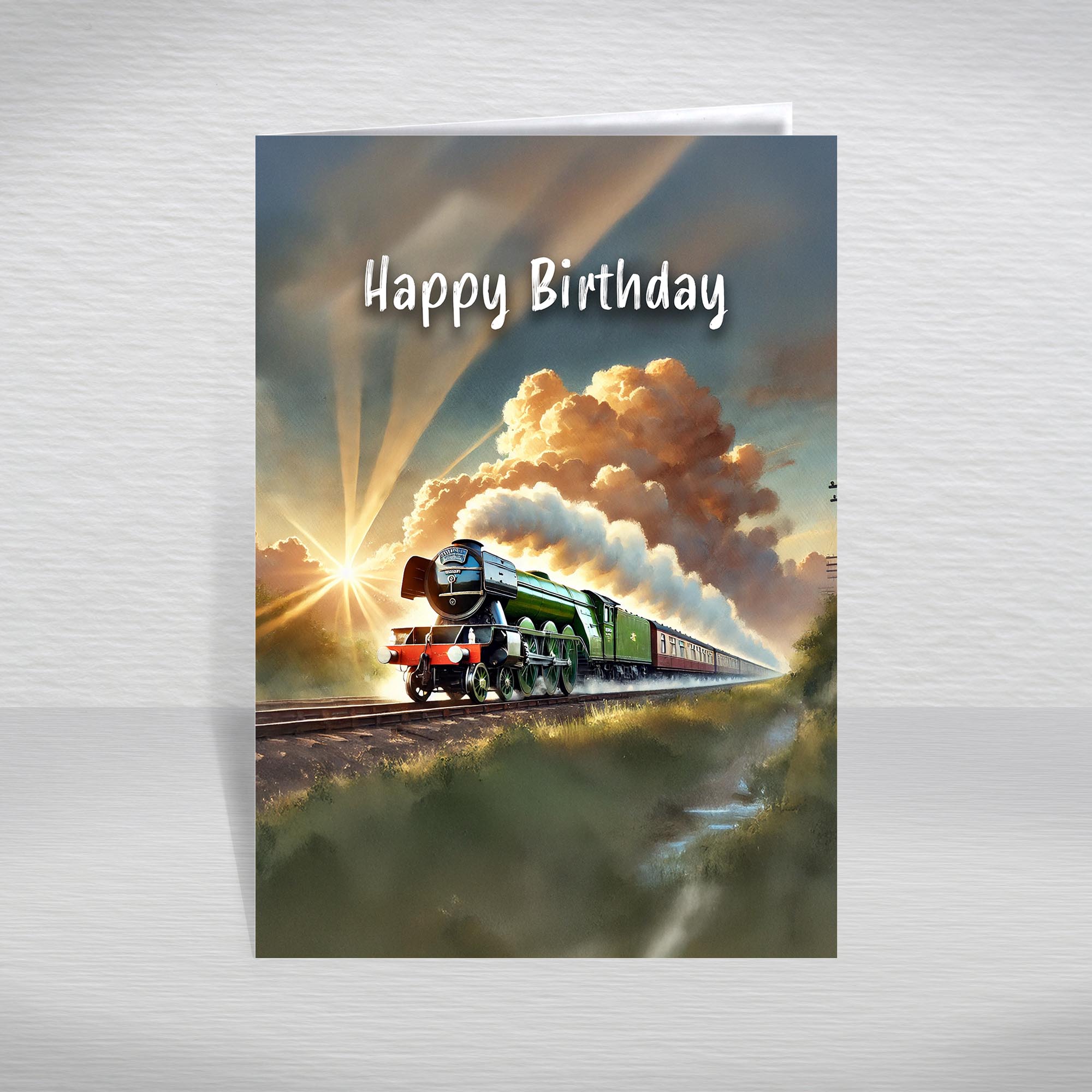
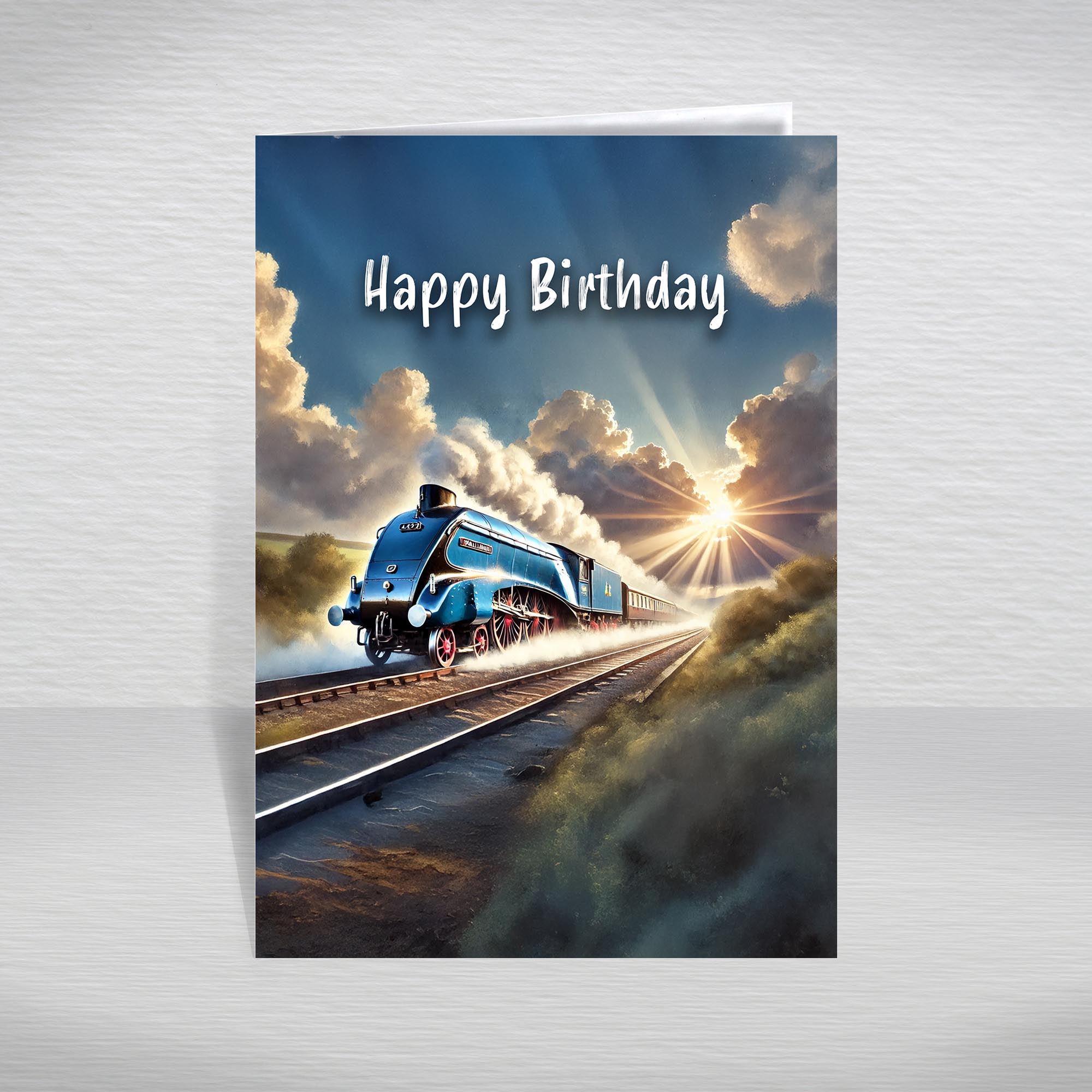
A steam locomotive can look like a baffling tangle of pipes, rods and levers, but almost every part falls into one of a few simple groups. Here is a plain-English tour of what everything is called and what it does. (To see how they all work together, read How a Steam Locomotive Works.)
The boiler — making the steam
- Firebox — the steel box at the back where the coal burns on a grate; surrounded by water on all sides.
- Boiler barrel — the big cylindrical tank of water through which the hot gases pass in fire-tubes, boiling the water into steam.
- Smokebox — the chamber at the front that collects the spent gases before they leave by the chimney; closed by a round smokebox door.
- Steam dome — the hump on top of the boiler where the driest steam collects, ready to be drawn off.
- Regulator — the throttle: the valve, worked from the cab, that admits boiler steam to the cylinders.
- Safety valves — spring-loaded valves that blow off excess steam so the boiler can never over-pressurise.
- Superheater — tubes that re-heat the steam after it leaves the boiler, drying it for more efficient work.
Cylinders and motion — turning steam into movement
- Cylinders — where steam pushes the pistons back and forth; usually two, three or four.
- Piston rod, crosshead and connecting rod — the linkage that carries the piston's push to a crank on the driving wheel, turning straight-line motion into rotation.
- Coupling rods — the rods linking the driving wheels so they all turn together.
- Valve gear — the mechanism (Stephenson's or Walschaerts') that times the steam in and out of the cylinders and lets the driver reverse and “notch up”.
Wheels and frames
- Driving wheels — the large coupled wheels driven by the cylinders.
- Leading bogie / pony truck — small guiding wheels at the front that steer the engine into curves.
- Trailing truck — small wheels under the cab that support a large firebox (as on a Pacific).
- Frames, axleboxes and springs — the structure that carries everything and lets the wheels ride the track.
Draughting — the self-feeding fire
- Blastpipe — directs the exhaust steam up the chimney; in doing so it drags the firebox gases with it and draws air through the fire. The harder the engine works, the harder it draws — which is why a working engine barks from its chimney.
- Chimney — carries the blast and smoke clear of the engine.
The cab — where the crew work
- Regulator and reverser — the driver's main controls for power and cut-off.
- Brake valve, injectors and gauges — for stopping, for feeding water into the boiler, and for watching pressure and water level.
- Firehole — the opening through which the fireman feeds coal.
Carrying coal and water
- Tender — the separate vehicle behind the engine holding the coal and water (on a tank engine these are carried on the engine itself, in side or saddle tanks and a bunker).
- Injectors — clever steam-powered devices that force fresh water into the pressurised boiler.
- Buffers and couplings — at each end, to join to the train and absorb shocks.
Next: Wheel Arrangements Explained · How a Steam Locomotive Works