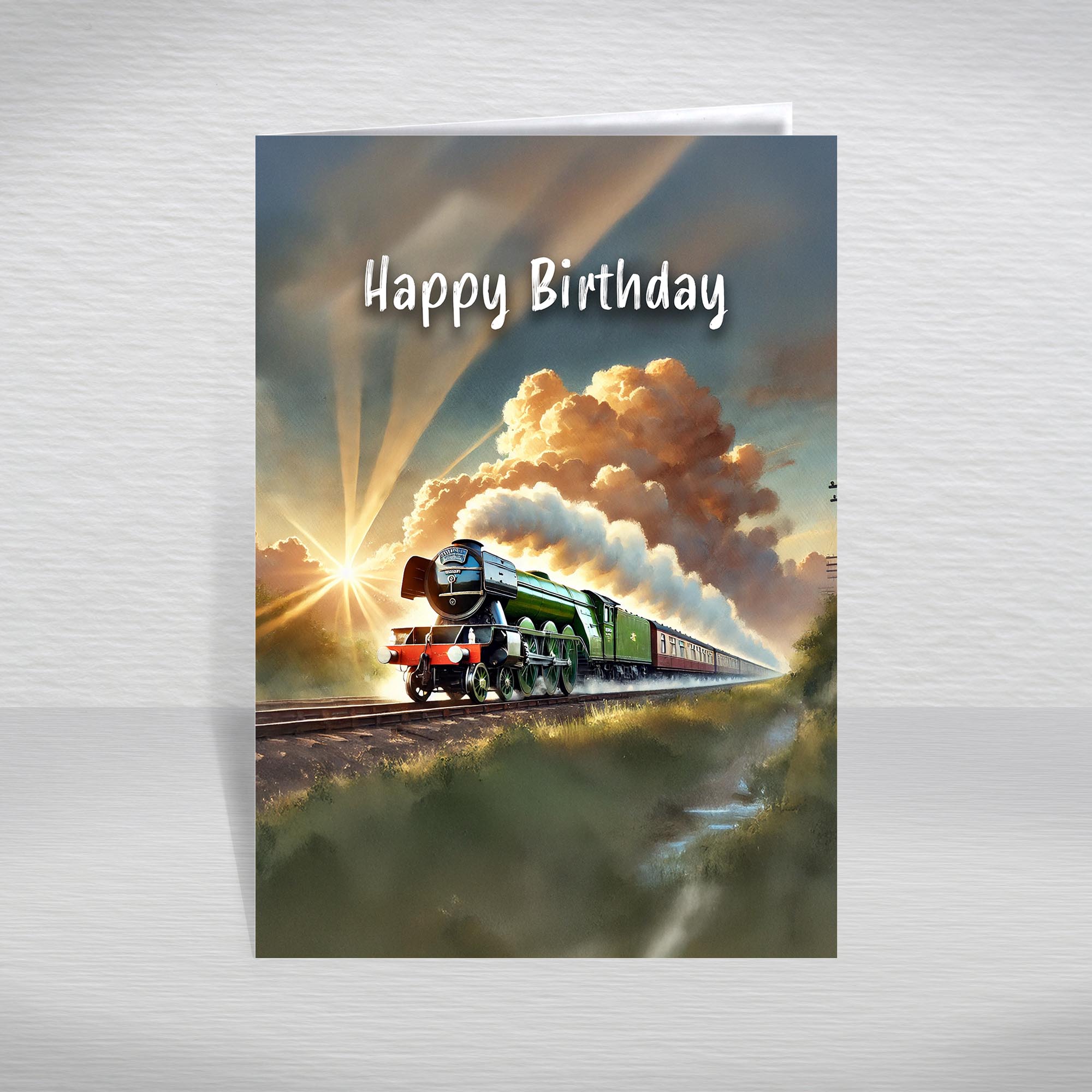
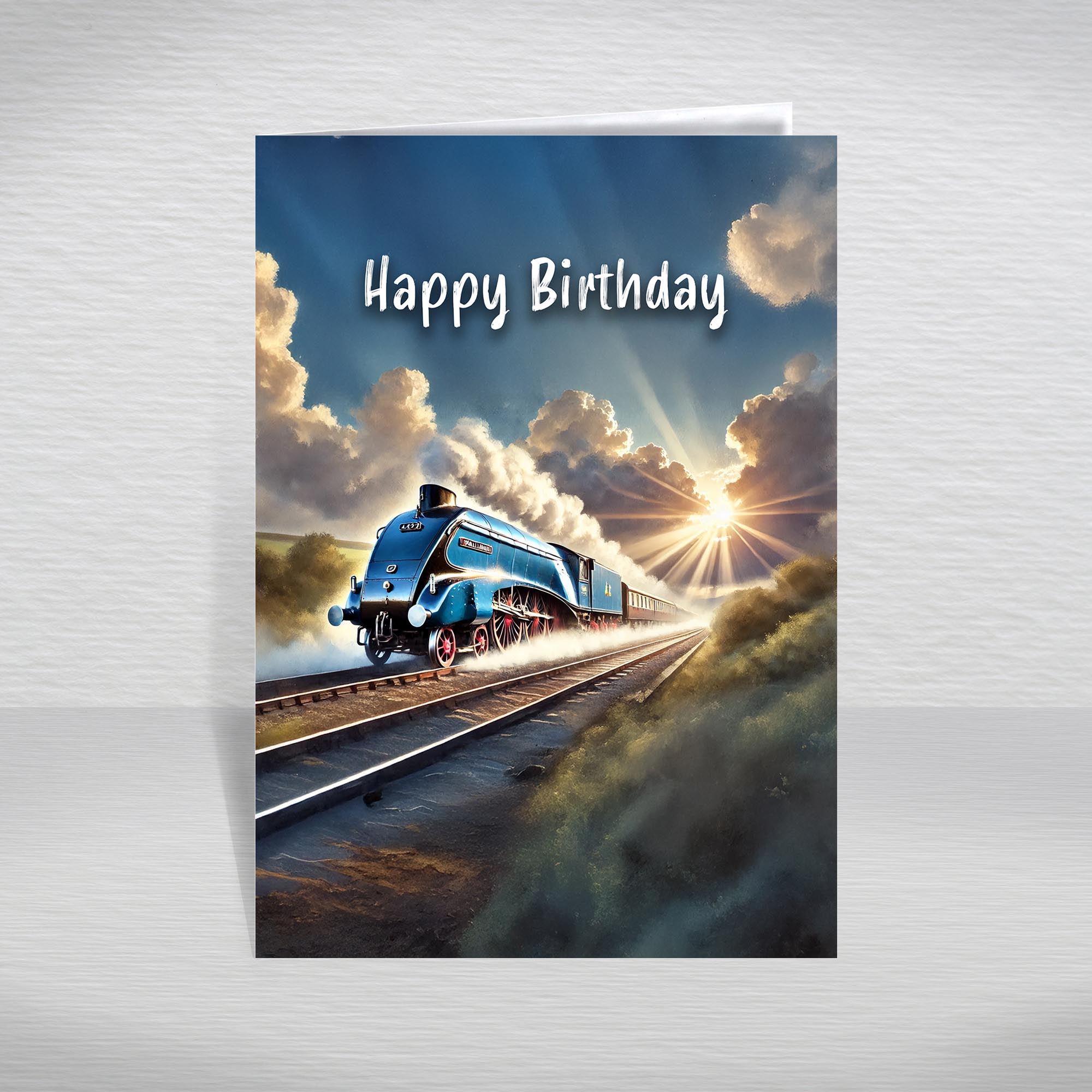
On 1 January 1948 the exhausted Big Four were nationalised into a single state-owned system — British Railways. Its first task was to bring order to a vast and varied inheritance; its last great act of steam design followed soon after.
One railway, six regions
British Railways was organised into regions that broadly preserved the old company territories — Western, London Midland, Eastern, North Eastern, Southern and Scottish. It inherited a sprawling and bewilderingly incompatible locomotive fleet, and set about rationalising it.
The BR Standard classes
To that end, BR designed twelve Standard locomotive classes under Robert Riddles, drawing on the best practice of all four former companies and built from common, easily-maintained parts for use anywhere on the network. They ranged from light branch tanks through the Britannia Pacifics to the powerful 9F heavy-freight 2-10-0. The very last, 92220 Evening Star, was completed at Swindon in 1960 — the final steam locomotive British Railways ever built.
The seeds of change
Yet even as the Standards were being built, their fate was sealed. The 1955 Modernisation Plan committed British Railways to replacing steam wholesale with diesel and electric traction — and a brand-new express engine like Evening Star would see barely five years' work.