BR Standard Class 9F
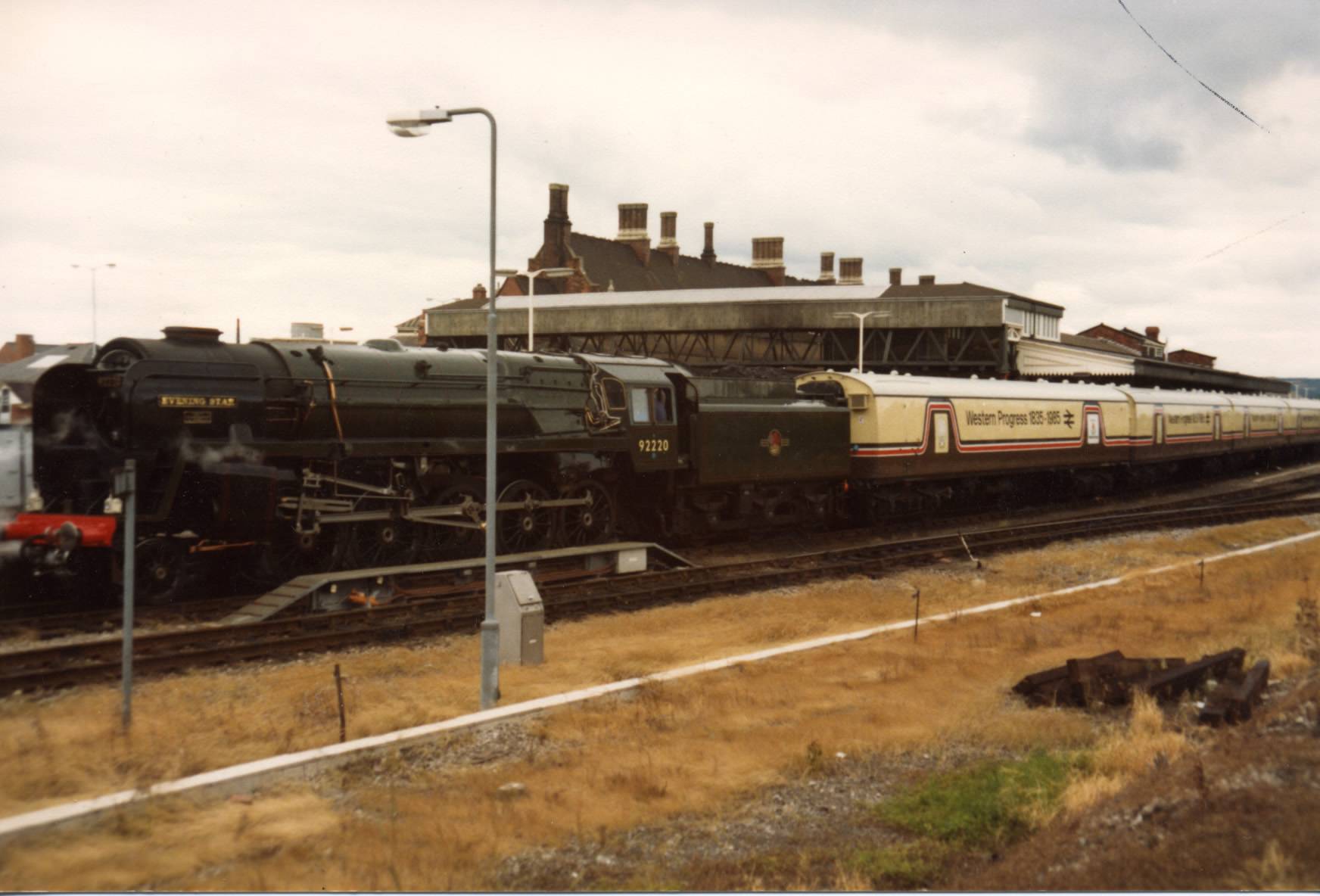
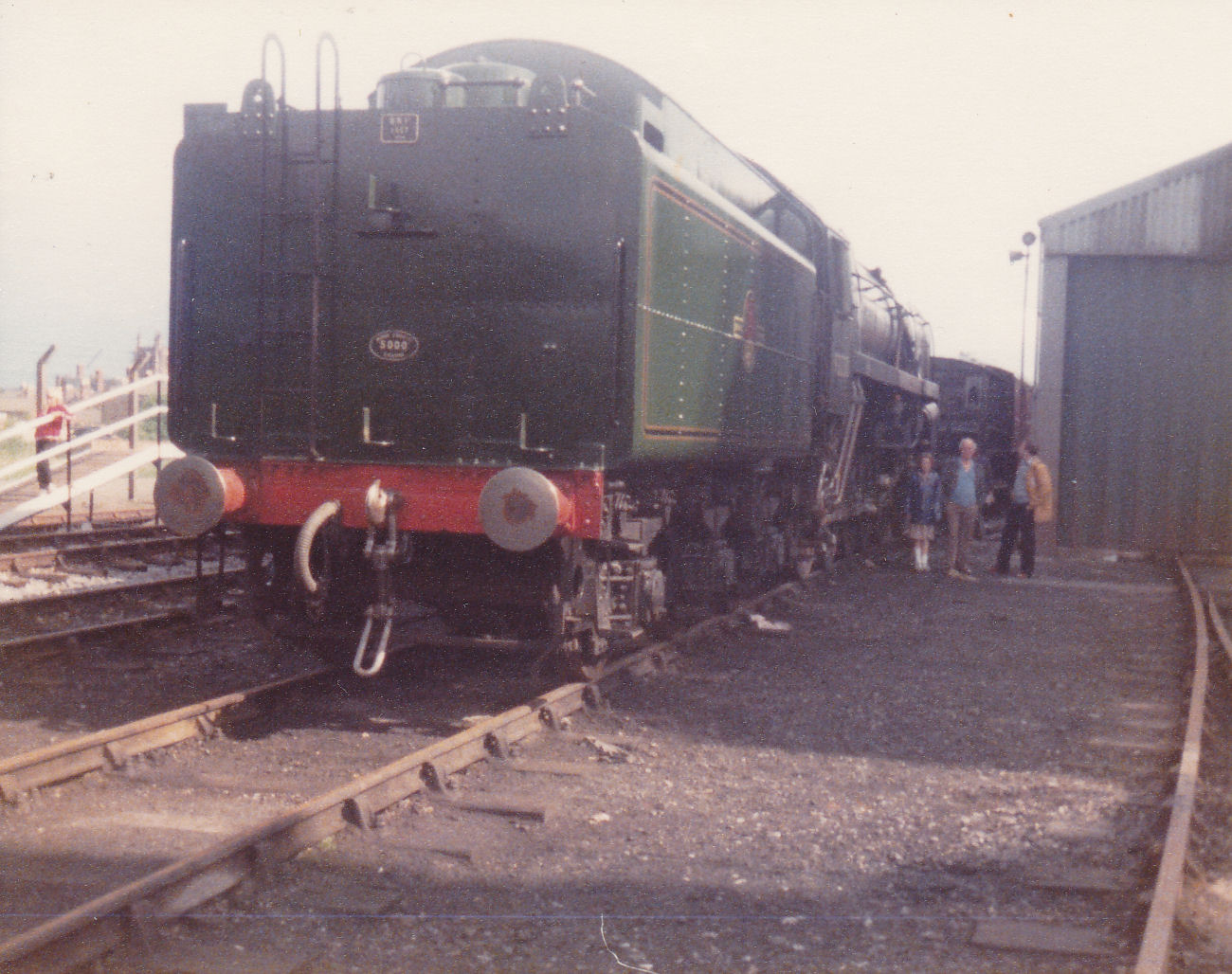
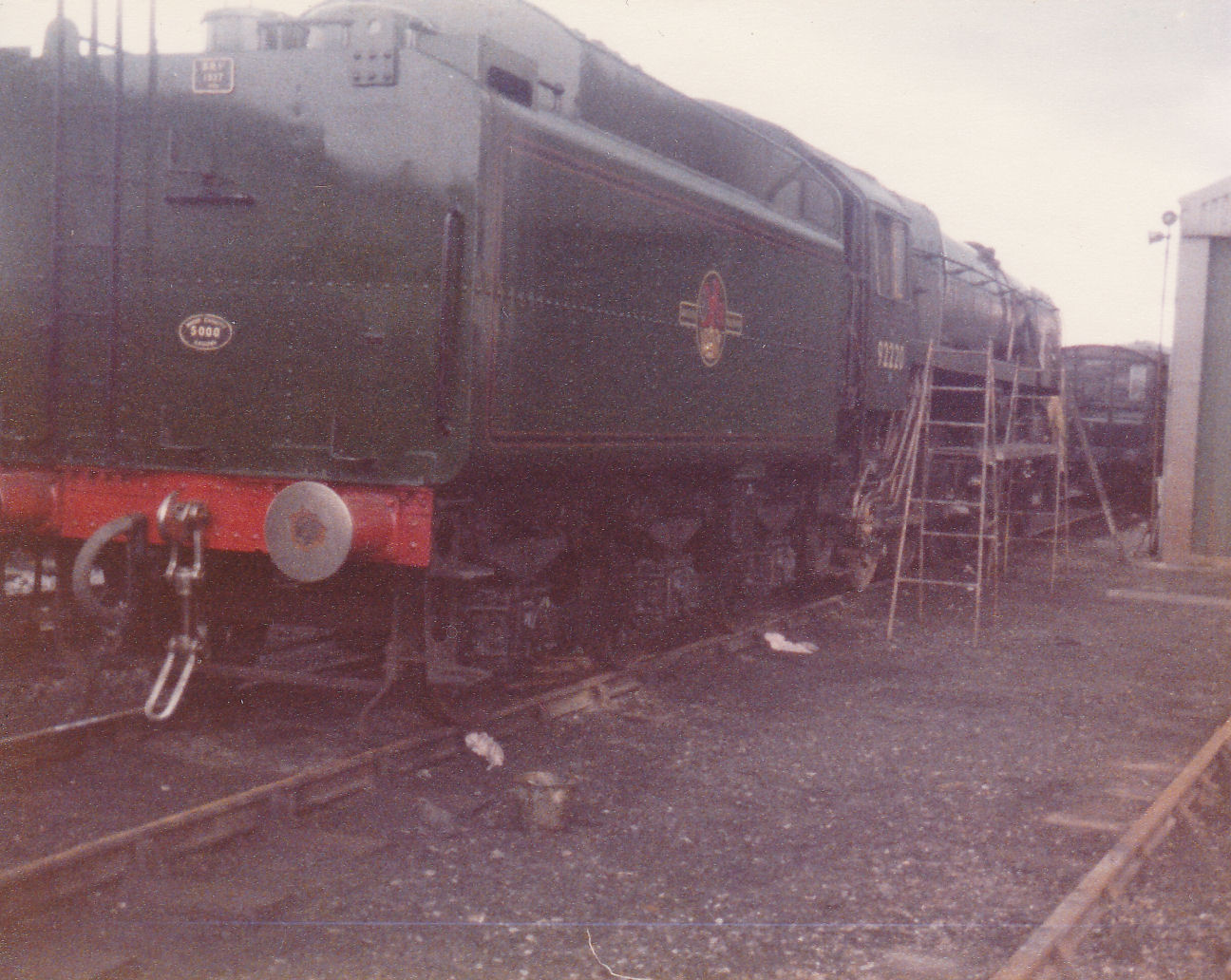
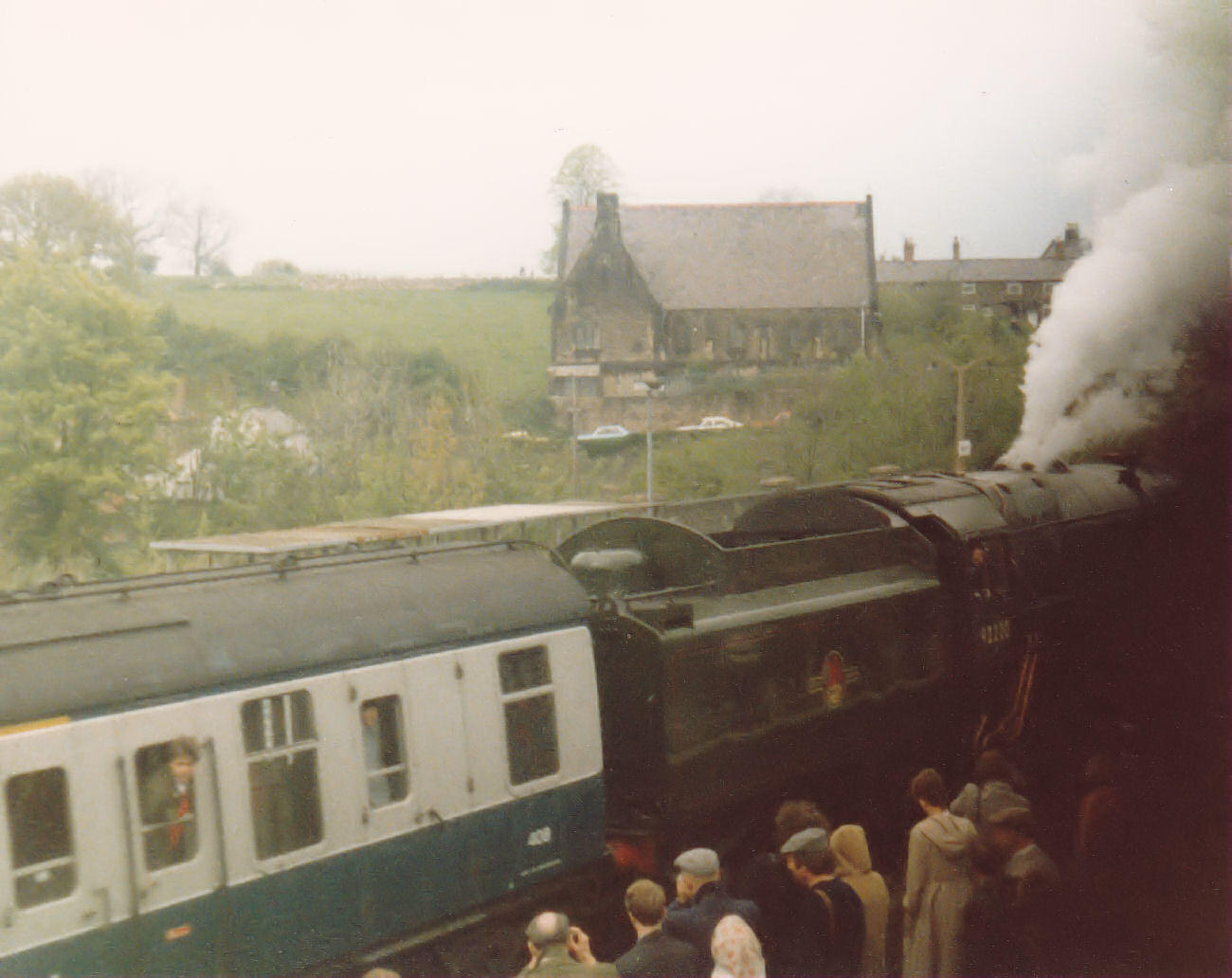
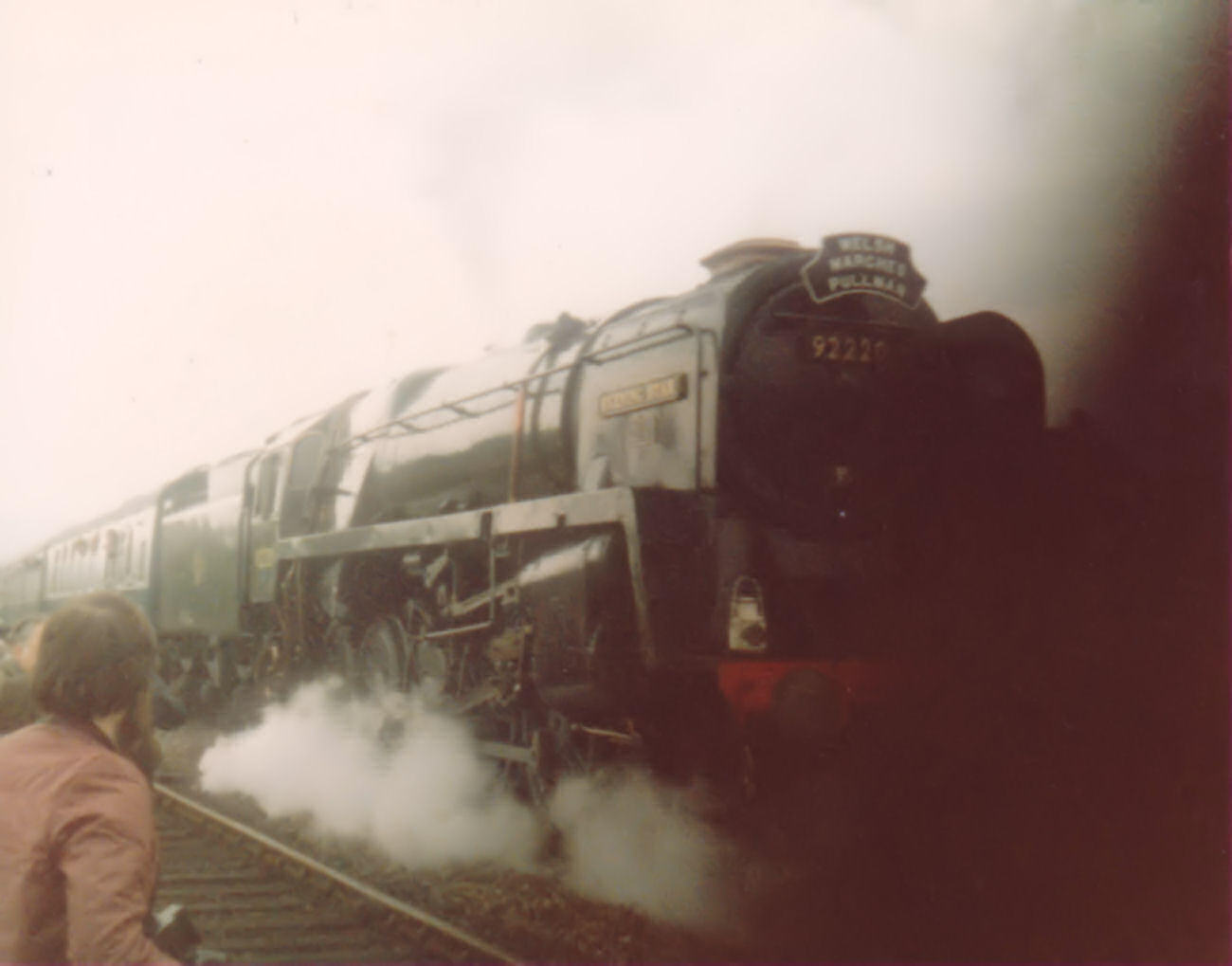
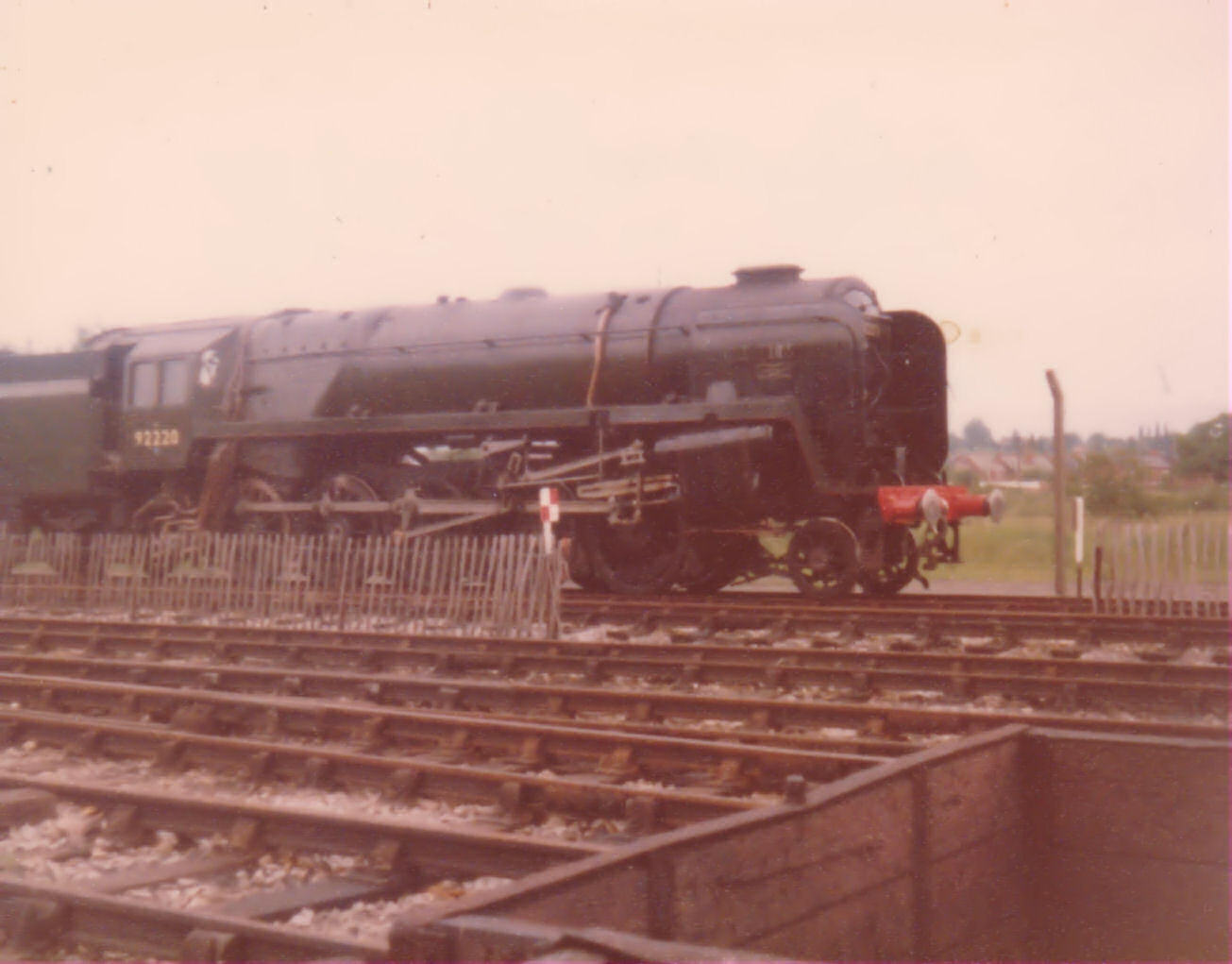
The BR Standard Class 9F is the most numerous and arguably the most successful of the twelve BR Standard classes, and the last new British heavy freight steam design. R. A. Riddles' BR design team produced the 2-10-0 in 1952–1953, and 251 engines were built at Crewe and Swindon Works between 1954 and 1960. The very last BR Standard ever built, No. 92220 "Evening Star" of March 1960, was also the last steam locomotive built by British Railways, deliberately named to mark the end of British steam construction.
The 9F design used the standard BR Standard engineering principles, two outside cylinders with Walschaerts valve gear, accessible high-set running plate, and BR-style cab ergonomics. The 250 psi boiler with a wide Belpaire firebox of 40.2 sq ft was deliberately oversized for the freight role, giving the engine generous steaming capacity. The 2-10-0 wheel arrangement gave five coupled axles at a modest 15 t 9 cwt axle load, the optimum compromise between adhesion and route availability. The 5 ft 0 in driving wheels were deliberately small for slow-speed adhesion. The combination gave the highest tractive effort of any BR Standard (39,667 lbf) within a chassis of broad route availability.
The class's most surprising service characteristic was its ability to run fast. The 250 psi boiler proved capable of feeding the cylinders at running speeds far above the 90 mph design specification. By 1957 9Fs were routinely working passenger trains on the Somerset and Dorset Joint line, particularly the Pines Express, where the class regularly ran at over 80 mph on the southbound descents. Heavy summer Saturdays saw 9Fs widely rostered for passenger work on virtually all regions. The class proved itself a remarkably versatile mixed-traffic engine, despite being designed and classed as heavy freight.
The first engine, No. 92000, was completed at Crewe in January 1954. Ten engines (92020–92029) were built with experimental Franco-Crosti pre-heater boilers; the Crosti modification proved disappointing, the pre-heater drum collected ash and reduced steaming, and these engines were progressively rebuilt to conventional configuration from 1959. The Tyne Dock-Consett iron ore traffic was 9F-worked from 1955 onwards (latterly with the conventional rebuilds of the original Crosti engines).
The Modernisation Plan of 1955 had already announced the withdrawal of British steam in the medium term, and the 9Fs, among the very youngest BR Standards, were paradoxically among the first to be displaced. The very last BR Standard ever built, 92220 Evening Star (Swindon, March 1960), was withdrawn from Cardiff East Dock in March 1965, only five years after construction. Many 9Fs had only 7–10 years in service before withdrawal. The class continued elsewhere in BR service through to 1968.
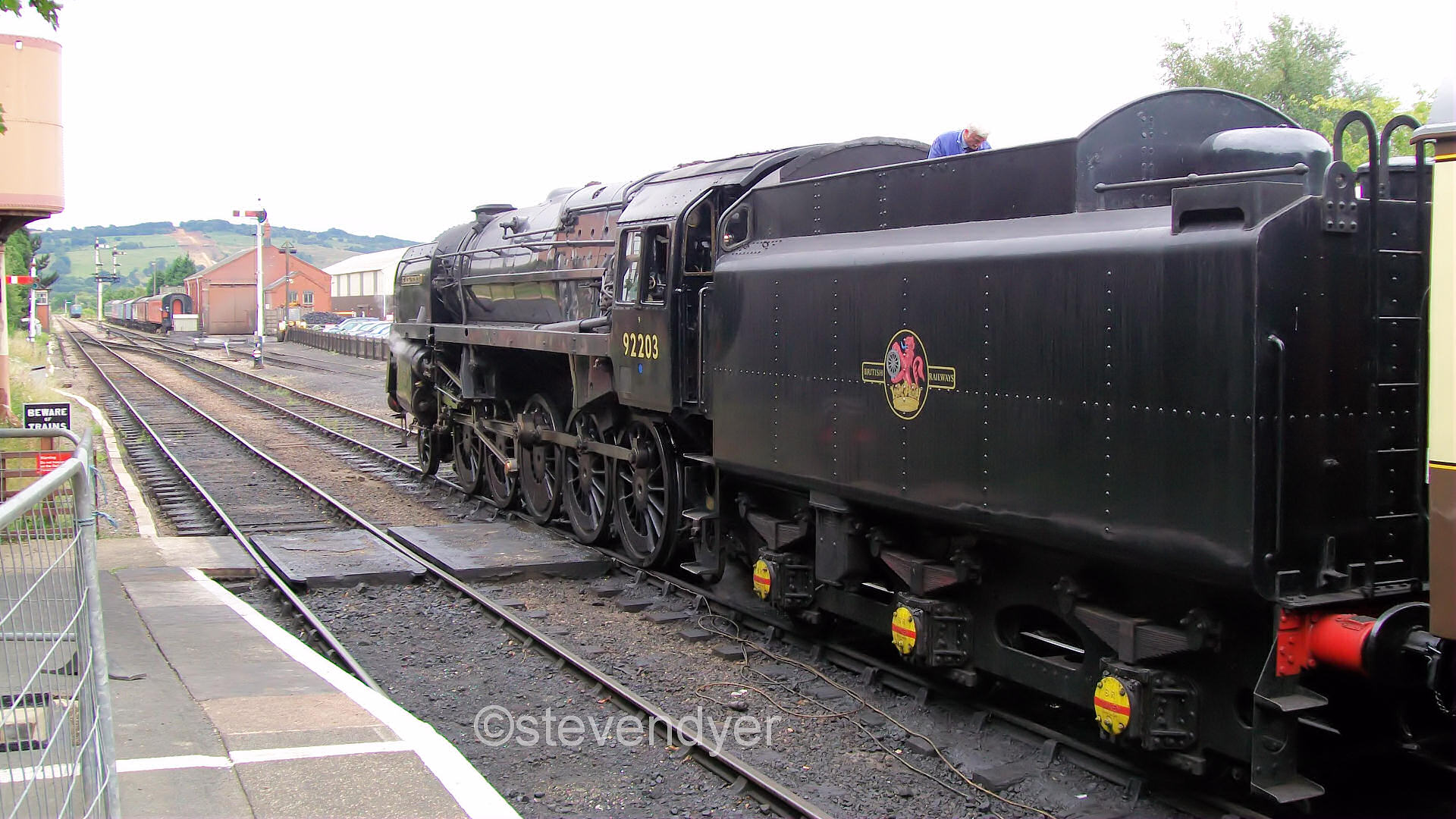
Nine 9Fs are preserved, including 92220 Evening Star (the BR Standard finale, preserved by the National Collection in original 1960 BR Locomotive Green and currently a static exhibit at the National Railway Museum); 92203 Black Prince (privately preserved and main-line registered); and 92240 (Bluebell Railway, working order). The preserved population includes both static and working-order examples spread across heritage railways.
Design and development
By 1953 BR's heavy freight requirement had outgrown the inherited LMS Stanier 8F and pre-war LNER 2-8-0s. R. A. Riddles' BR Standard programme had originally envisioned a 2-8-2 heavy freight design, but the design team at Derby, led by E. S. Cox and R. C. Bond, concluded that a 2-10-0 wheel arrangement would give better adhesion within the same axle-load constraints. The proposal was approved in 1952 and the first engine ordered in 1953.
The design used the standard BR Standard engineering principles, two outside cylinders with Walschaerts valve gear, accessible high-set running plate, and BR-style cab ergonomics. The boiler was at 250 psi with a wide Belpaire firebox of 40.2 sq ft grate area. The 2-10-0 wheel arrangement gave five coupled axles at modest 15 t 9 cwt, enough for very broad route availability despite the locomotive's heavy total weight. The 5 ft 0 in driving wheels were deliberately small for the slow-speed adhesion required of heavy freight.
The first engine, No. 92000, was completed at Crewe Works in January 1954. Production proceeded rapidly through the late 1950s at Crewe and Swindon. Ten engines (92020–92029) were built with Franco-Crosti pre-heater boilers as an experimental sub-series; the Crosti modification proved disappointing and these engines were progressively rebuilt to conventional configuration from 1959.
The class's most surprising service characteristic was its ability to run fast. The 250 psi boiler proved capable of feeding the cylinders at running speeds far above the 90 mph design specification, and the engine's weight gave it good steaming on the run. By 1957 9Fs were routinely working passenger trains on the Somerset and Dorset Joint line, a route closure of 1966 famously remembered for high-speed 9F running on the Pines Express. 9Fs also worked passenger trains on summer Saturdays on virtually all regions.
The very last BR Standard ever built was No. 92220 "Evening Star", completed at Swindon in March 1960. The engine was deliberately named (the only 9F to carry a name) and outshopped in BR Locomotive Green with copper-capped chimney to mark the end of British steam construction. By March 1965, only five years later, Evening Star had been withdrawn from BR service and preserved by the National Collection.
Service and withdrawals
The 9Fs transformed BR heavy freight working from 1954 onwards. The combination of high tractive effort (39,667 lbf, the highest of any BR Standard), modest axle load, and outstanding steaming made them suitable for almost any heavy freight workings. The class worked heavy mineral and coal traffic across all BR regions, particularly the Toton-Wellingborough-London traffic, the Cardiff-Swindon-London goods, the Tyne Dock-Consett iron ore working, and the heavy goods on the West Coast main line.
The discovery that 9Fs could run at express passenger speeds led to widespread (and originally unauthorised) passenger working. The Somerset and Dorset Joint line's use of 9Fs on the Pines Express through 1957–1962 became legendary. Heavy summer Saturdays saw 9Fs widely rostered for passenger work on virtually all regions. The class proved itself a remarkably versatile mixed-traffic engine, albeit one designed and notionally classed as heavy freight.
The Modernisation Plan of 1955 had already announced the withdrawal of British steam in the medium term, and the 9Fs, among the very youngest BR Standards, were paradoxically among the first to be displaced. By 1965 many 9Fs had been withdrawn after only 7–10 years in service. The last 9F in BR service was 92220 Evening Star, withdrawn from Cardiff East Dock in March 1965. The class continued elsewhere in BR service through to 1968, the very last 9F to work main-line traffic, 92167, was withdrawn from Carnforth in May 1968.
Identification features
The cleanest, most rationally-engineered British heavy freight outline. The 2-10-0 wheel arrangement (1'E h2, leading pony truck and five coupled axles) is unique among BR Standards. The high-set running plate (a BR Standard signature), exposed boiler bands, single chimney (most engines) or double chimney (some engines including the prototype 92000 from 1957), and outside Walschaerts valve gear with all moving parts visible. Ten engines (92020–92029) were originally built with Franco-Crosti boiler systems, recognisable by their pre-heater drum carried alongside the boiler and the second chimney mounted ahead of the cab. The Crosti modification proved disappointing in service and the engines were progressively rebuilt to standard configuration from 1959. The class was unnamed except for 92220 "Evening Star", the very last BR Standard ever built, deliberately named to mark the end of British steam construction.
Numbers and names
92000–92250
- 92000
- 92001
- 92002
- 92003
- 92004
- 92005
- 92006
- 92007
- 92008
- 92009
- 92010
- 92011
- 92012
- 92013
- 92014
- 92015
- 92016
- 92017
- 92018
- 92019
- 92020
- 92021
- 92022
- 92023
- 92024
- 92025
- 92026
- 92027
- 92028
- 92029
- 92030
- 92031
- 92032
- 92033
- 92034
- 92035
- 92036
- 92037
- 92038
- 92039
- 92040
- 92041
- 92042
- 92043
- 92044
- 92045
- 92046
- 92047
- 92048
- 92049
- 92050
- 92051
- 92052
- 92053
- 92054
- 92055
- 92056
- 92057
- 92058
- 92059
- 92060
- 92061
- 92062
- 92063
- 92064
- 92065
- 92066
- 92067
- 92068
- 92069
- 92070
- 92071
- 92072
- 92073
- 92074
- 92075
- 92076
- 92077
- 92078
- 92079
- 92080
- 92081
- 92082
- 92083
- 92084
- 92085
- 92086
- 92087
- 92088
- 92089
- 92090
- 92091
- 92092
- 92093
- 92094
- 92095
- 92096
- 92097
- 92098
- 92099
- 92100
- 92101
- 92102
- 92103
- 92104
- 92105
- 92106
- 92107
- 92108
- 92109
- 92110
- 92111
- 92112
- 92113
- 92114
- 92115
- 92116
- 92117
- 92118
- 92119
- 92120
- 92121
- 92122
- 92123
- 92124
- 92125
- 92126
- 92127
- 92128
- 92129
- 92130
- 92131
- 92132
- 92133
- 92134
- 92135
- 92136
- 92137
- 92138
- 92139
- 92140
- 92141
- 92142
- 92143
- 92144
- 92145
- 92146
- 92147
- 92148
- 92149
- 92150
- 92151
- 92152
- 92153
- 92154
- 92155
- 92156
- 92157
- 92158
- 92159
- 92160
- 92161
- 92162
- 92163
- 92164
- 92165
- 92166
- 92167
- 92168
- 92169
- 92170
- 92171
- 92172
- 92173
- 92174
- 92175
- 92176
- 92177
- 92178
- 92179
- 92180
- 92181
- 92182
- 92183
- 92184
- 92185
- 92186
- 92187
- 92188
- 92189
- 92190
- 92191
- 92192
- 92193
- 92194
- 92195
- 92196
- 92197
- 92198
- 92199
- 92200
- 92201
- 92202
- 92203
- 92204
- 92205
- 92206
- 92207
- 92208
- 92209
- 92210
- 92211
- 92212
- 92213
- 92214
- 92215
- 92216
- 92217
- 92218
- 92219
- 92220Evening Star
- 92221
- 92222
- 92223
- 92224
- 92225
- 92226
- 92227
- 92228
- 92229
- 92230
- 92231
- 92232
- 92233
- 92234
- 92235
- 92236
- 92237
- 92238
- 92239
- 92240
- 92241
- 92242
- 92243
- 92244
- 92245
- 92246
- 92247
- 92248
- 92249
- 92250
BR Nos 92000–92250. Built at Crewe Works (the larger contributor) and Swindon Works. The very last BR Standard ever built was No. 92220 "Evening Star", completed at Swindon in March 1960, the last steam locomotive built by British Railways and only the second BR Standard ever named (alongside 70000 Britannia).
Notable locomotives
92000, the class prototype, completed at Crewe Works in January 1954. Withdrawn from BR April 1965 and broken up.
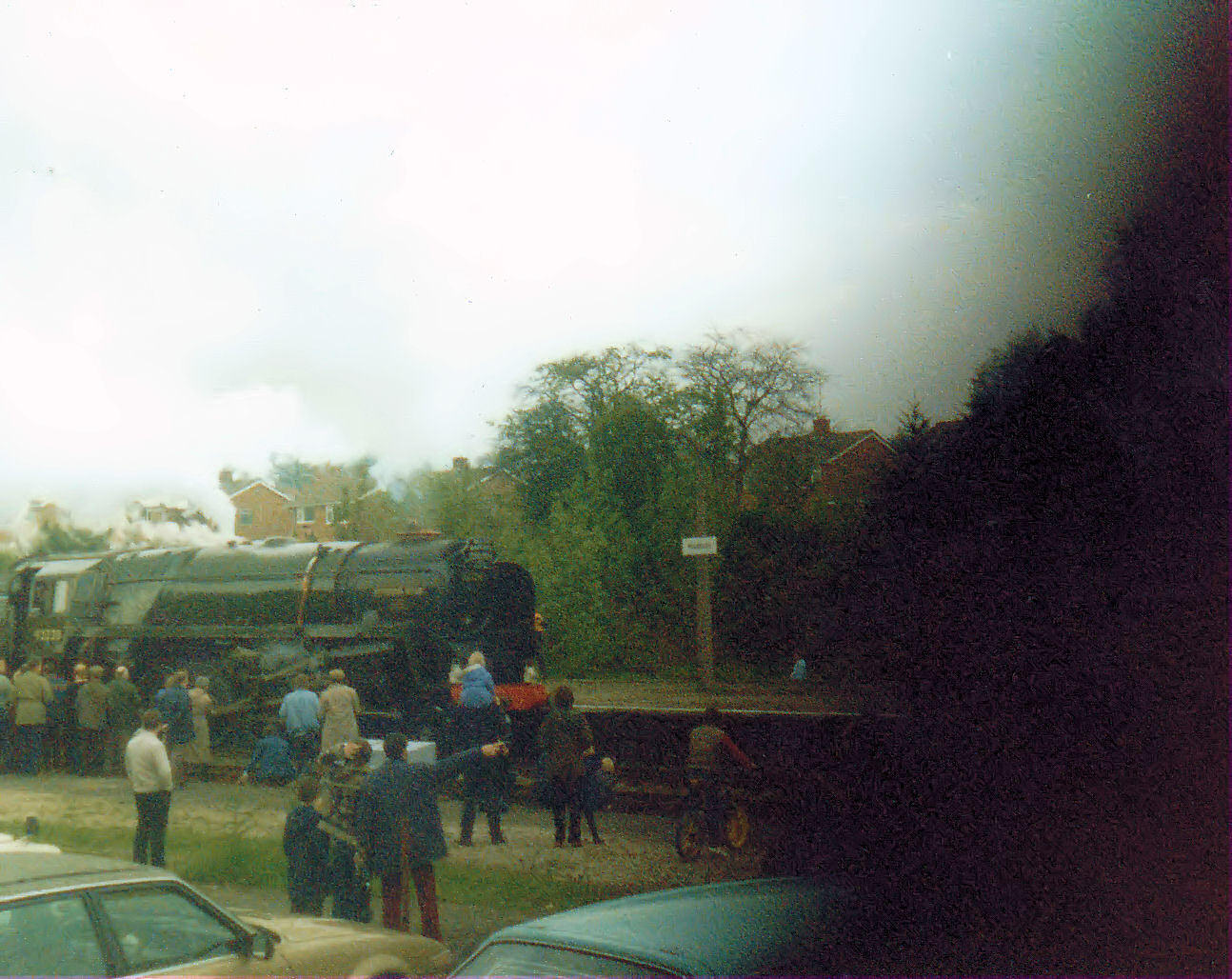
92220 Evening Star, the very last BR Standard ever built, completed at Swindon Works in March 1960 (the only 9F to carry a name). The last steam locomotive built by British Railways. Withdrawn from BR Cardiff East Dock March 1965, only five years in service. Preserved by the National Collection. Currently a static exhibit at the National Railway Museum, York. The most-celebrated 9F.
92020–92029, the ten engines built with Franco-Crosti pre-heater boilers (a development of the contemporary Italian Crosti system). The Crosti modification proved disappointing, the pre-heater drum collected ash and reduced steaming. Engines were progressively rebuilt to conventional configuration from 1959. None of the Crosti engines is preserved.
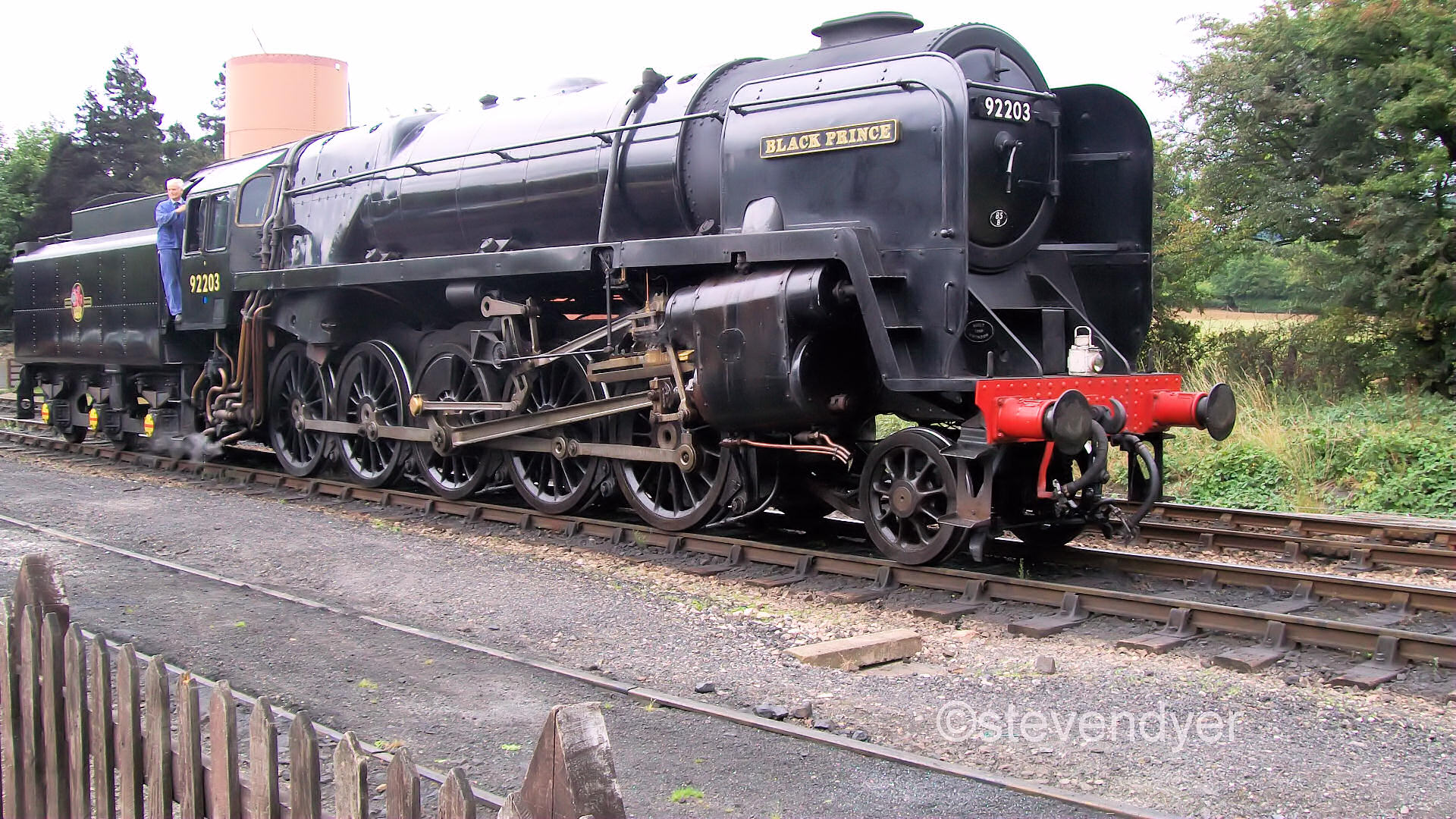
92203 Black Prince, completed at Swindon in April 1959. Privately preserved on withdrawal in 1967. Restored to working order and currently main-line registered with the East Lancashire Railway. Notable as the engine restored from a derelict state in the 2000s for main-line service.
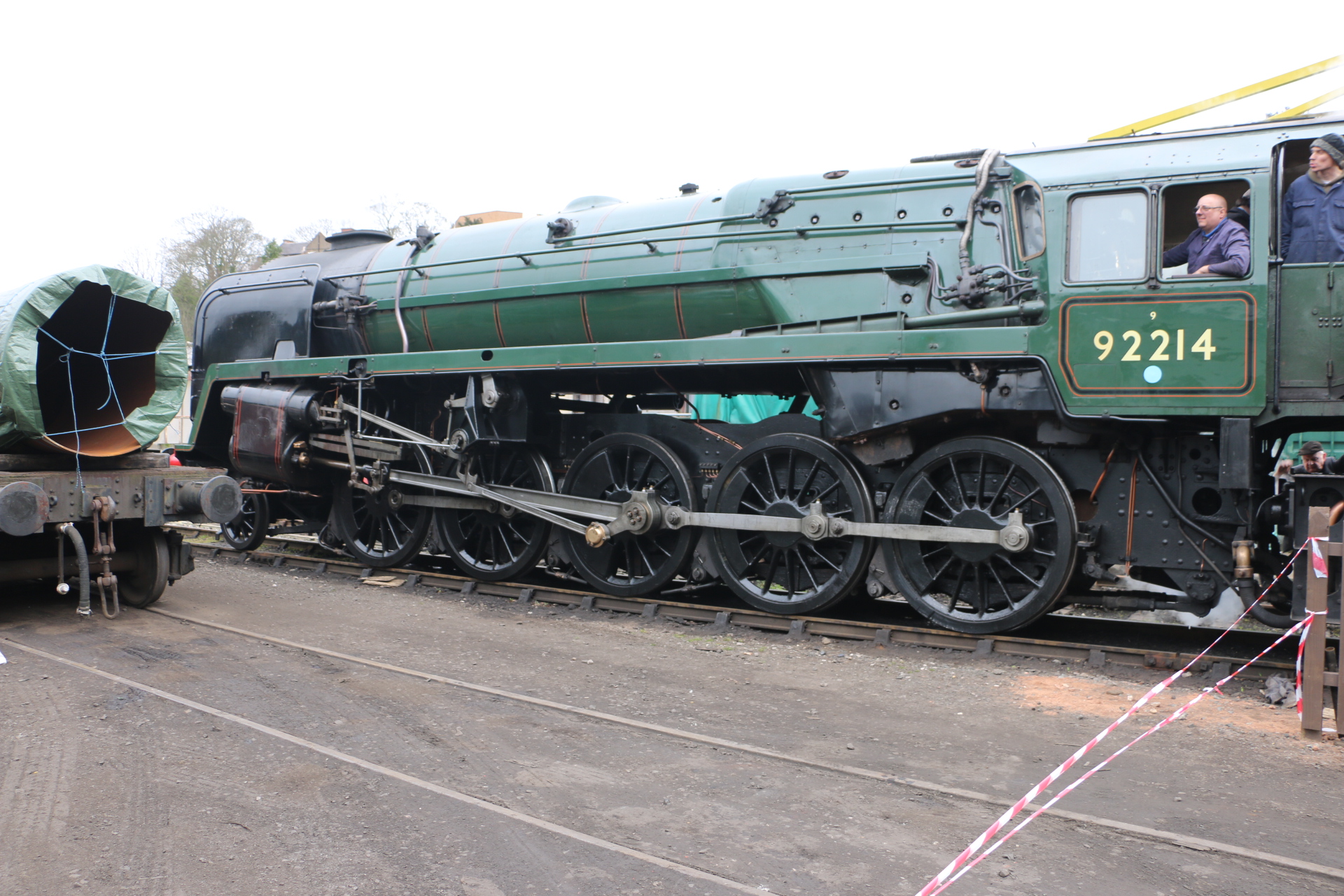
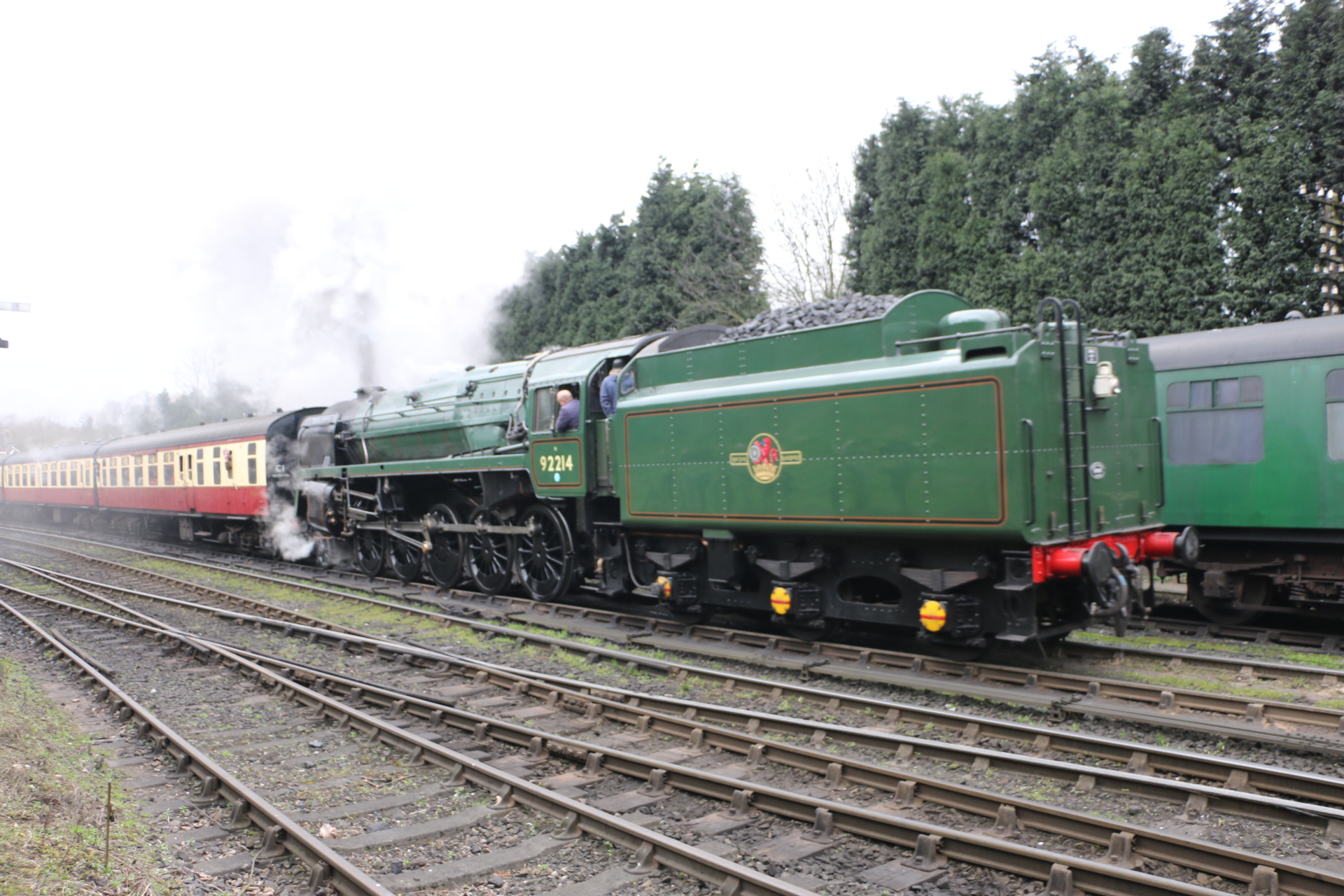
92240, 92214, 92134, 92245, and others, preserved 9Fs spread across the heritage railway network in various states. Several have been main-line registered for charter haulage.
Allocations and regions
BR introduction (1954–1960): the class was distributed across all BR regions for heavy freight working. Major allocations included Toton (the principal LMR heavy freight shed), Wellingborough, Saltley (Birmingham), Crewe South, Carlisle Kingmoor, Doncaster, Tyne Dock, Cardiff Canton, and Old Oak Common.
1957–1965, passenger working: the 9F's discovered capability for fast passenger running led to its widespread (and unconventional) rostering on passenger trains. The most celebrated example was the Somerset and Dorset Joint line, where 9Fs worked the Pines Express through the late 1950s, the class regularly ran at over 80 mph on the southbound descents. Heavy summer Saturdays on all regions saw 9Fs rostered for passenger work. The Tyne Dock to Consett iron ore traffic was 9F-worked with the Crosti boiler engines (and later their conventional rebuilds).
Final years (1965–1968): from the mid-1960s the class progressively concentrated at Carlisle Kingmoor, Saltley, and Tyseley as steam was withdrawn from other regions. The last 9Fs in BR service were at Carnforth and Carlisle Kingmoor. The last 9F in BR service, 92220 Evening Star, was withdrawn from Cardiff East Dock in March 1965, only five years after construction.
Livery history
British Railways unlined black (1954–1968): the class was outshopped in BR-standard unlined black freight livery from new, the standard BR freight livery from 1948. Initial engines carried the early lion-and-wheel emblem; from 1956 the late BR crest progressively replaced the lion-and-wheel. This was the only livery the class wore in BR service.
92220 Evening Star (1960): the very last BR Standard was outshopped in BR Brunswick green with copper-capped chimney, a deliberate departure from the standard freight black to mark the end of British steam construction. The engine carried this livery throughout its short BR career.
Preservation: preserved 9Fs have appeared in BR unlined black with each emblem variant, and (rarely) in BR Brunswick green. 92220 Evening Star is preserved in its original 1960 BR Brunswick green outshop livery.
Preservation status
Nine 9Fs survive: 92134 (North Yorkshire Moors Railway), 92203 Black Prince (Bressingham), 92207 Morning Star (a private site at Poole), 92212 (Mid-Hants Railway), 92214 Leicester City (Great Central Railway), 92219 (Strathspey Railway), 92220 Evening Star (National Railway Museum), 92240 (Bluebell Railway) and 92245 (Barry Tourist Railway). Only six have been returned to running order.
Photographs