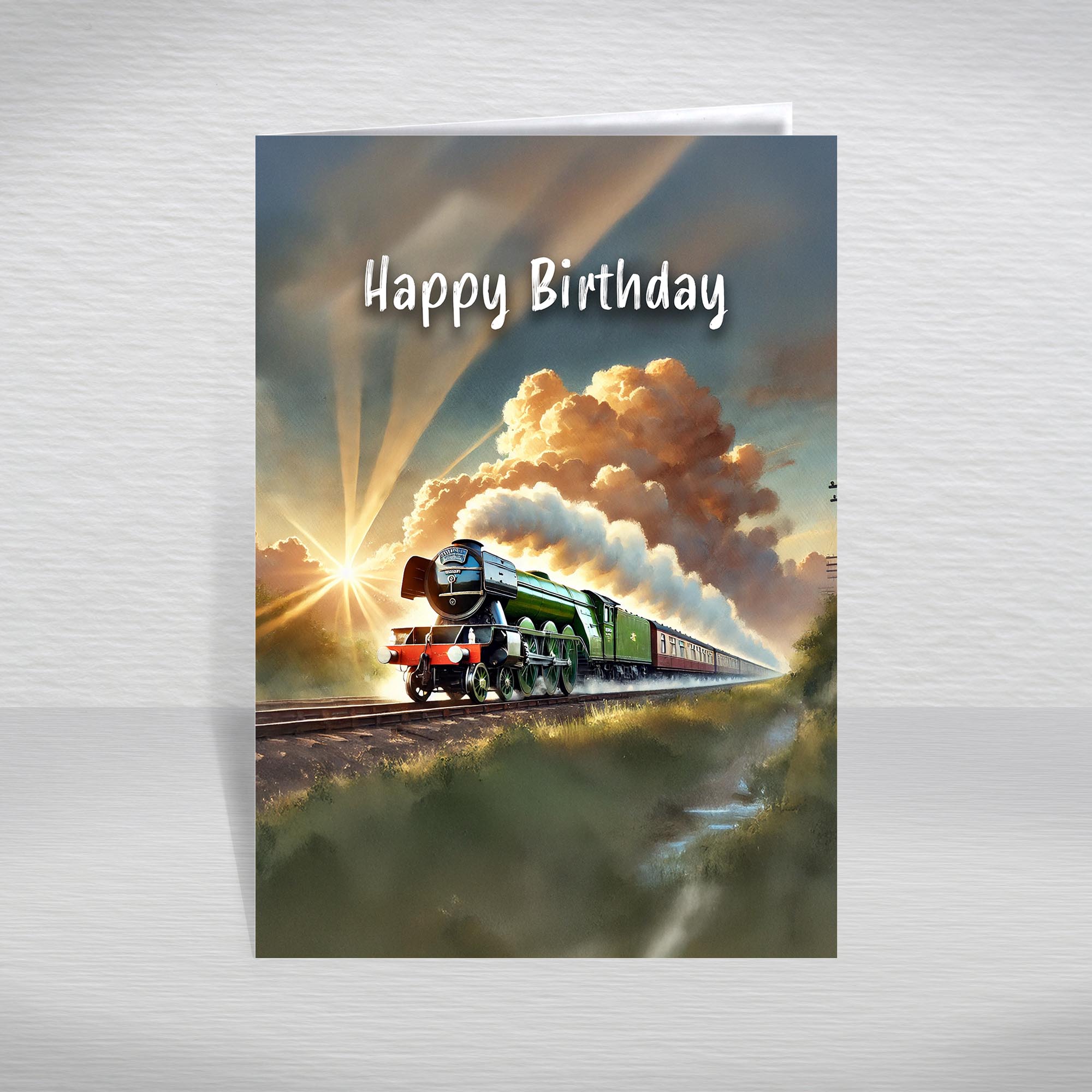
Bluebell Railway
The Bluebell Railway is the world's first preserved standard-gauge passenger railway, opened to the public on 7 August 1960, less than two years after the closure of the original LBSCR Lewes–East Grinstead line by British Rail. Today the railway runs 11 miles through the Sussex Weald from Sheffield Park (East Sussex) to East Grinstead (West Sussex).
The Bluebell Railway Preservation Society was founded in March 1959, only six months after the original line had been closed. After raising funds and negotiating with British Railways, the Society purchased the Sheffield Park to Bluebell Halt section and reopened it on 7 August 1960. Subsequent extensions added Bluebell Halt to Horsted Keynes (1961) and Horsted Keynes to Kingscote (1994). The longest single project in heritage-railway history was the further extension from Kingscote to East Grinstead, which required the clearance of approximately 80,000 tonnes of household waste tipped into the cutting at Imberhorne during the 1970s. The East Grinstead extension finally opened on 23 March 2013.
The Bluebell maintains the most authentic pre-Grouping locomotive fleet in Britain, a deliberate policy of preserving the older, smaller engines that were being scrapped wholesale in the early 1960s. Notable residents include LBSCR "Terrier" 0-6-0Ts (including the 1872-built Fenchurch, the railway's oldest working engine), SECR P Class 0-6-0Ts, the SR Schools Class 928 Stowe, the LSWR M7 0-4-4T No. 53, and BR Standards including 9F 92240 and 5MT 73082 Camelot.
Direct interchange at East Grinstead from the Southern Railway London Bridge service makes the Bluebell one of the most accessible heritage operations from London. Major events include the Bluebell Beer Festival, Giants of Steam autumn gala, 1940s weekends, and the celebrated Steam Lights night-time trains.
History
The Bluebell Railway Preservation Society was founded in March 1959, only six months after the original LBSCR Lewes–East Grinstead line had been closed by British Railways. After raising funds and negotiating with BR, the Society purchased the Sheffield Park to Bluebell Halt section and reopened it to passengers on 7 August 1960, making the Bluebell the world's first preserved standard-gauge passenger railway and the founding example of the British heritage-railway movement.
Subsequent extensions added Bluebell Halt to Horsted Keynes (1961) and (after extensive restoration of the bridges and earthworks) Horsted Keynes to Kingscote (1994). The longest single project in heritage-railway history was the further extension from Kingscote to East Grinstead, which required the clearance of approximately 80,000 tonnes of household waste tipped into the cutting at Imberhorne during the 1970s. The East Grinstead extension finally opened on 23 March 2013, providing through interchange to the Network Rail station at East Grinstead.
Original line history
The original line opened in 1882 as a LBSCR branch from Lewes to East Grinstead, completing a north–south route through the Sussex Weald. Despite never being financially successful, the line was protected by an unusual Act of Parliament, the LBSCR Act 1878 specifically obliged the company to operate four trains in each direction with stops at all stations, a provision that survived even closure attempts in the 1950s.
British Railways closed the line in 1955 but had to reopen it in 1956 after legal challenge under the 1878 Act. A subsequent Act of Parliament repealed the obligation, and BR closed the line definitively on 17 March 1958. The southern half (Lewes to Sheffield Park) was lifted; the northern half between Sheffield Park and East Grinstead was the eventual core of the Bluebell preservation operation.
Stations and infrastructure
Sheffield Park (East Sussex), the railway's southern terminus and headquarters. Houses the locomotive sheds, carriage works, and a substantial museum. The station has been restored to LBSCR-era condition with traditional gas lighting and period signage. Horsted Keynes, the largest intermediate station, retaining its full five-platform layout from the original junction with the closed Ardingly branch. The station was extensively used as a film and television location during the 1980s and 1990s. Kingscote, a small intermediate station restored to SR-era condition. East Grinstead, the northern terminus (since 2013), built on the site of the original LBSCR station and providing through interchange to the Network Rail East Grinstead line into London Bridge.
Route and stations
Map: © OpenStreetMap contributors
Special events and operations
Major regular events include the Bluebell Beer Festival (April), the Branch Line Weekend (May), Steam, Vintage, and Classic Vehicles (September), and the Giants of Steam autumn gala. Christmas Santa Specials run throughout December, with night-time Steam Lights trains in November and early December. The railway hosts 1940s weekends with period costumes, music, and military re-enactment groups. Day-trip excursions from London Victoria via the East Grinstead Network Rail line are widely advertised.
Visitor information
Open weekends year-round, with daily operation in school holidays and through summer. Direct interchange at East Grinstead from the Southern Railway London Bridge service makes the railway one of the most accessible heritage operations from London. Free parking at Sheffield Park, Horsted Keynes, and Kingscote (East Grinstead has a paid Network Rail car park). Day-rover tickets, family tickets, and walking-route options between stations are widely promoted on the website.