LNER Peppercorn A1 Class
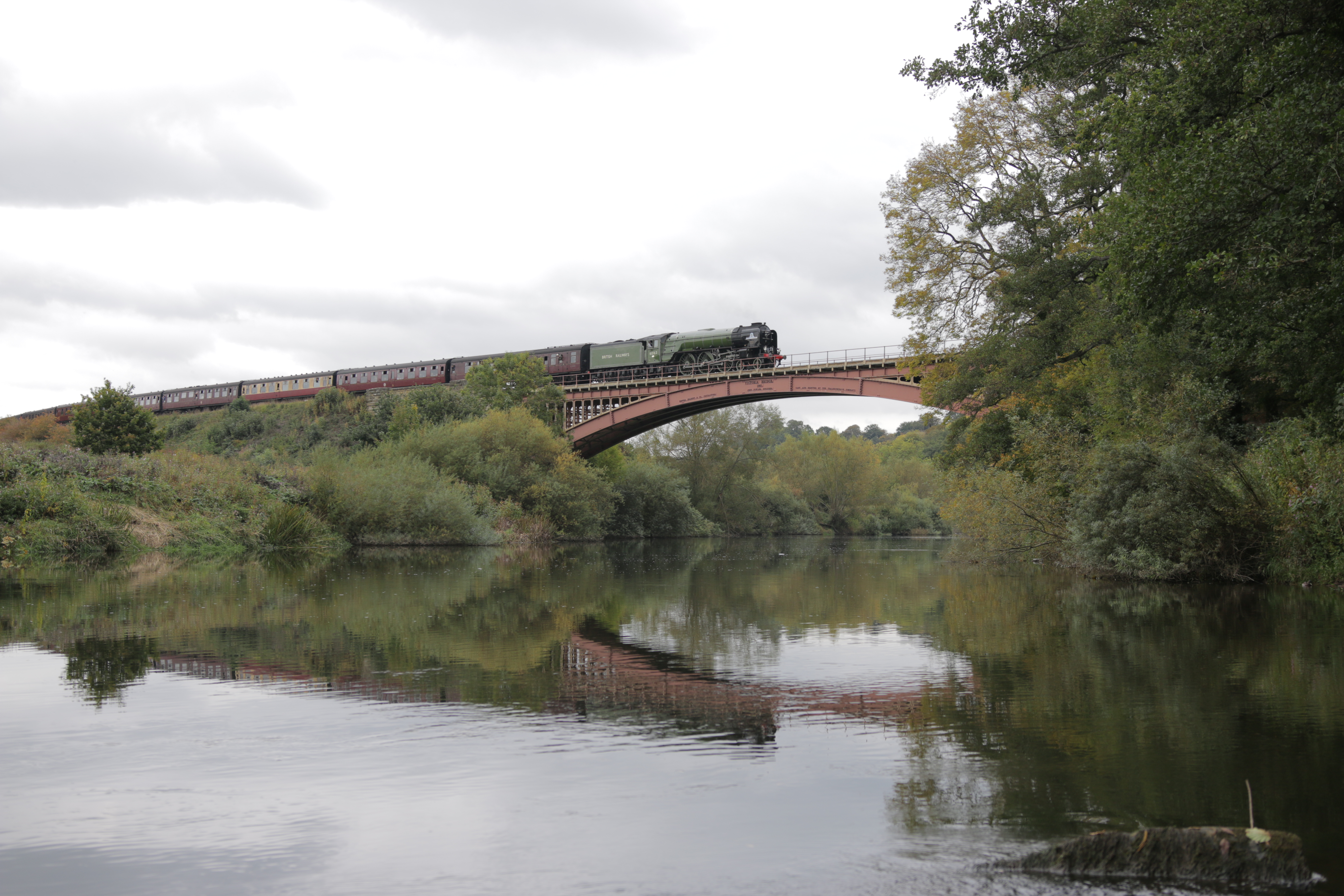
The LNER Peppercorn A1 Class was Arthur Peppercorn's three-cylinder Pacific designed for the LNER as the East Coast post-war flagship. Forty-nine engines were built at Doncaster and Darlington Works between August 1948 and December 1949, all under British Railways ownership although designed under the LNER's technical direction.
Peppercorn had succeeded Edward Thompson as LNER CME in June 1946. By 1947 the LNER's East Coast main-line motive-power policy was due for renewal, the A1 and A3 Pacifics were 20–25 years old, the A4 Class was the newest but its conjugated valve gear was proving expensive to maintain. Peppercorn's answer was a new Pacific class with a key design departure: three independent sets of Walschaerts valve gear, rather than Gresley's patent conjugated arrangement.
The independent-valve-gear arrangement was decisive. In service the Peppercorn A1 gave dramatically better availability and economy than the Gresley conjugated-gear classes. The boiler used the A4's 250 psi pattern (the LNER's highest-pressure express boiler) but without the A4's streamlining, a deliberate choice that made shed access and maintenance easier without losing the high-pressure performance.
The first engine, No. 60114 W. P. Allen, was completed at Doncaster on 27 August 1948, eight months after the LNER's nationalisation into British Railways. The remaining 48 engines followed through to December 1949. The class was widely admired by Eastern Region crews for its availability, free steaming, and low maintenance costs, drivers reported that the Peppercorns were subjectively "easier" to drive than the Gresley A4 Pacifics. The engines worked the Flying Scotsman, the Capitals Limited, the Talisman, the Aberdonian, and other principal East Coast services through the 1950s.
The introduction of the Class 55 "Deltic" diesels from late 1961 was the event that ended the Peppercorn A1's reign. Despite their relative youth (most engines were less than 15 years old at the time), the entire class was withdrawn between 1962 and 1966. The economic logic was clear, a £100,000 Deltic could replace three or four steam Pacifics in front-line service, and even the brand-new Peppercorns could not compete with the Deltic's availability.
None of the 49 original Peppercorn A1s was preserved. The class's relative youth, rapid withdrawal pace, and the focus of Eastern Region preservation interest on the more famous Gresley designs (Flying Scotsman, Mallard) meant that no preservation case crystallised around the Peppercorn A1.
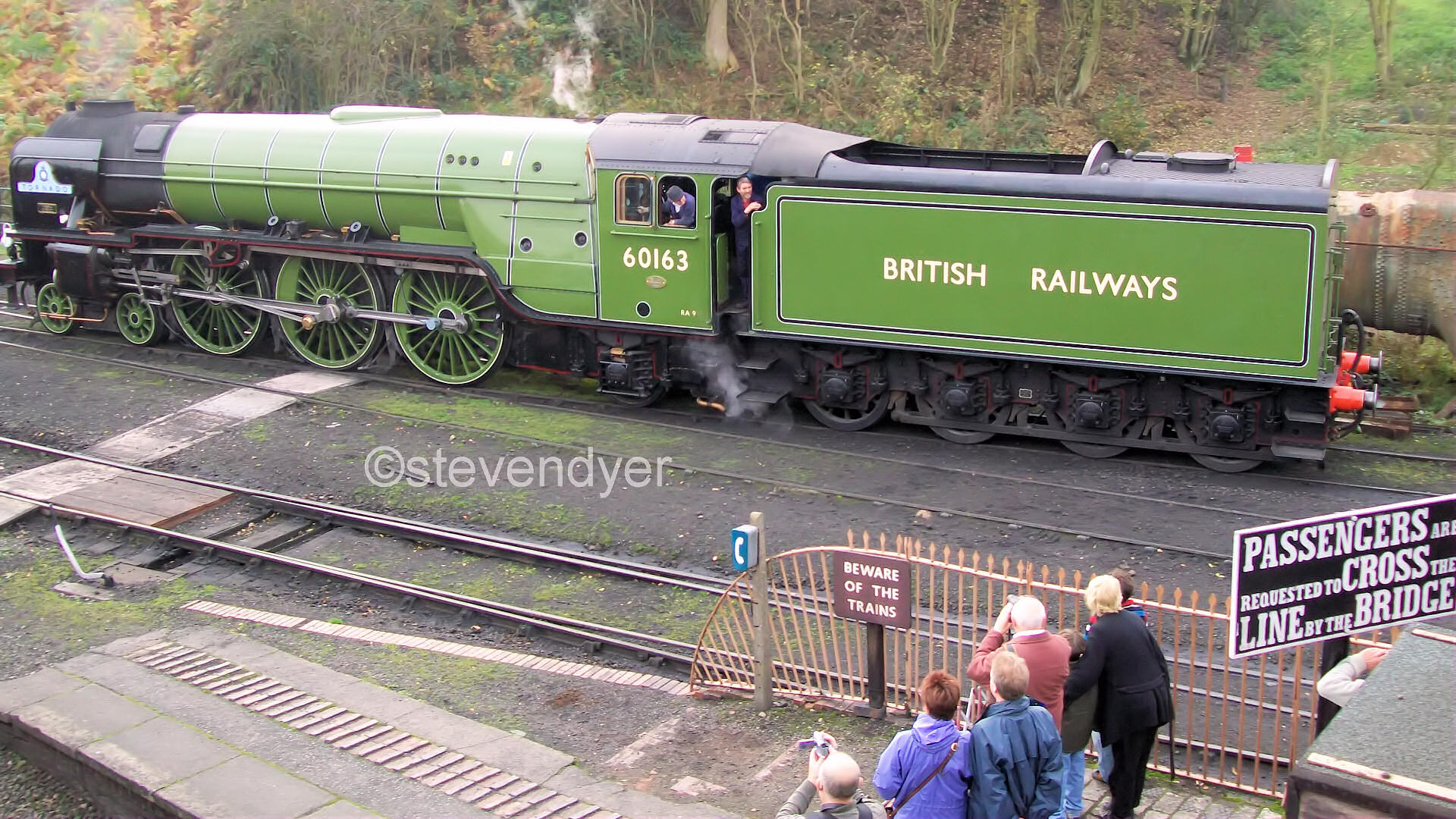
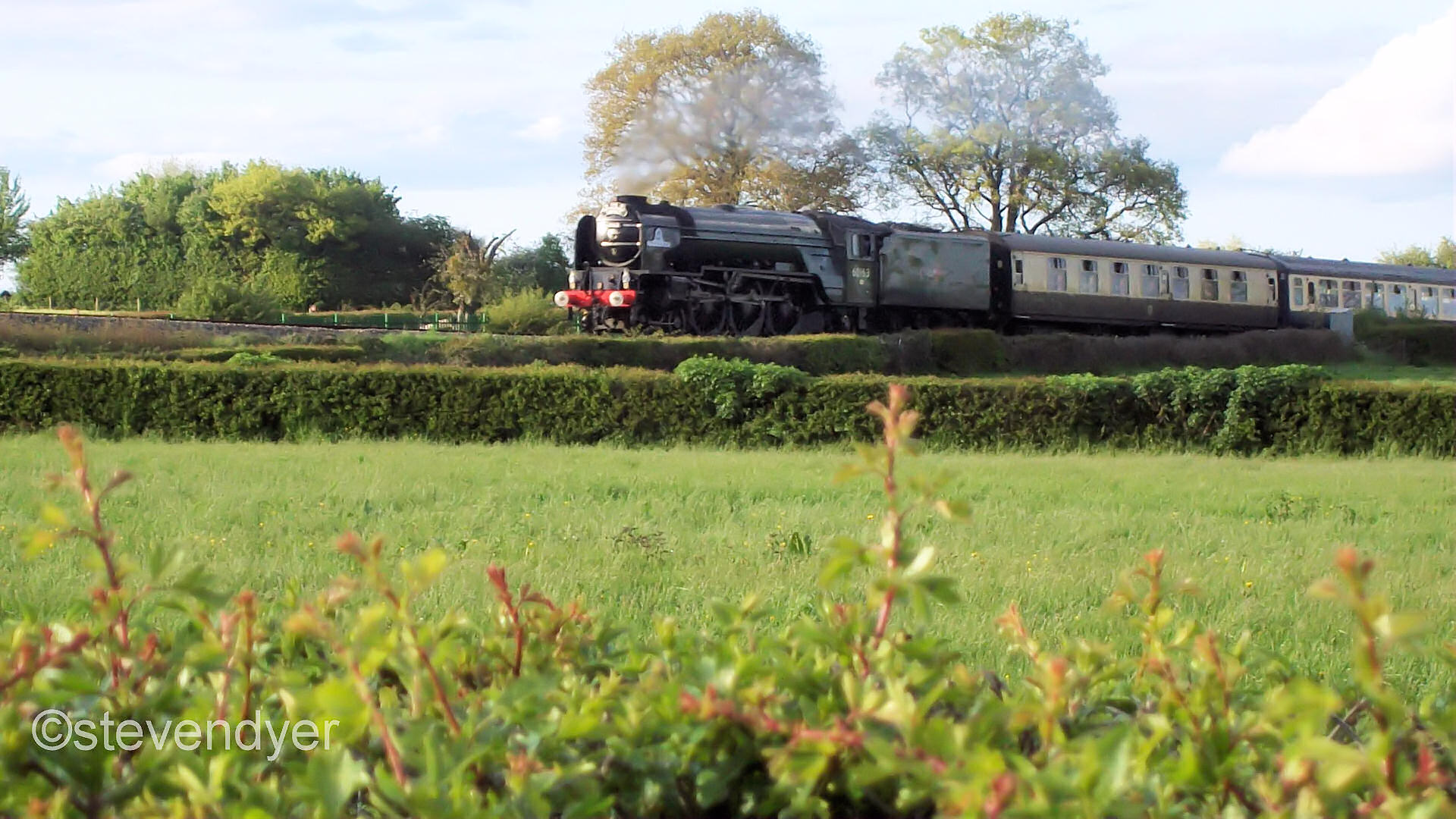
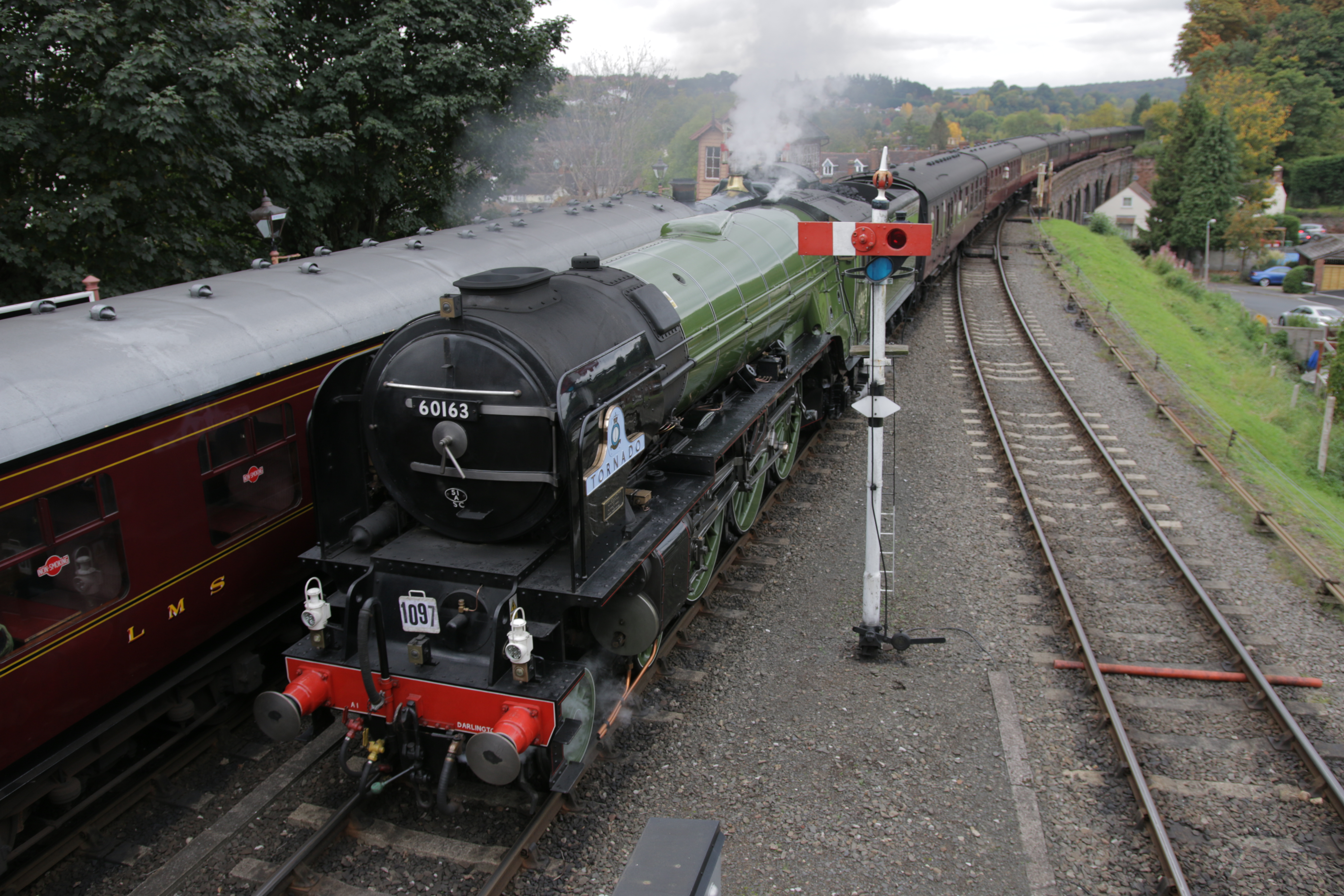
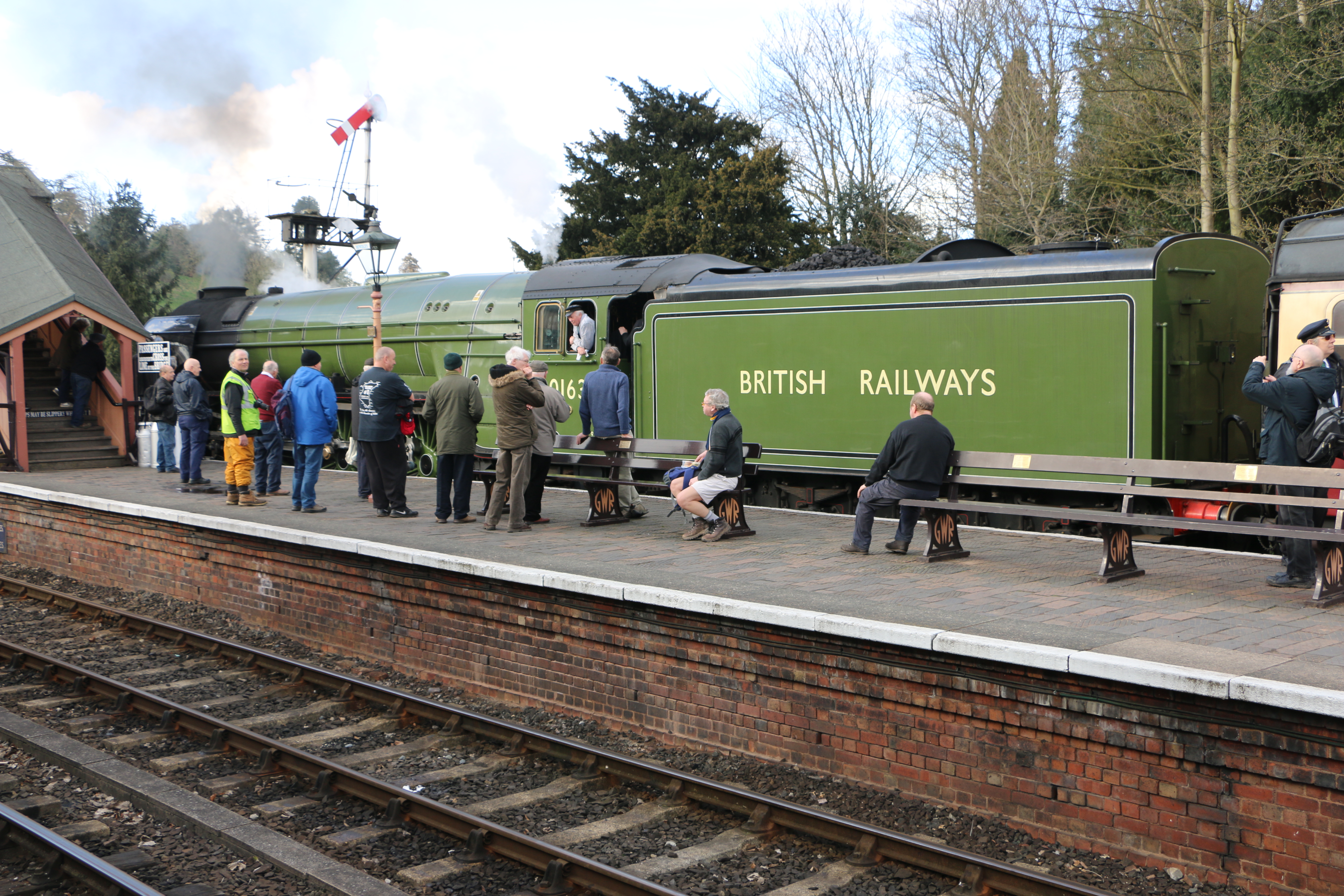
Forty years later, the A1 Steam Locomotive Trust completed a new-build engine to original Peppercorn drawings, No. 60163 Tornado, at Hopetown Lane, Darlington on 5 August 2008. The engine was the first new main-line steam locomotive built in Britain for 48 years. Tornado takes the next-in-series number 60163, continuing the original 60114–60162 BR sequence. Currently main-line registered and a regular performer on charter trains, the engine is widely regarded as one of the great achievements of British steam preservation engineering.
Design and development
By 1947 the LNER's East Coast main-line motive-power policy was due for renewal. The A1 and A3 Pacifics were 20–25 years old and showing their age; the A4 Class was the LNER's newest Pacific but had been fitted with Gresley conjugated valve gear that was proving expensive to maintain. Arthur Peppercorn, who had succeeded Edward Thompson as LNER CME in June 1946, designed a new Pacific class that would replace the worst-condition Gresley engines.
The Peppercorn A1 design was decisive in two respects. First, Peppercorn rejected Gresley's patent conjugated valve gear, used on every Gresley three-cylinder design, in favour of three independent sets of Walschaerts valve gear. Three independent gears were considered more complicated than the conjugated 2:1 lever, but in service they gave dramatically better availability and economy. The reliability advantage was so pronounced that several BR Eastern Region engineers later argued that the Gresley conjugated gear had been the wrong choice all along.
Second, the boiler used the A4's 250 psi pattern (the LNER's highest-pressure express boiler) but without the A4's streamlining, a deliberate choice that made shed access and maintenance easier without losing the high-pressure performance.
The first engine, No. 60114 W. P. Allen, was completed at Doncaster Works on 27 August 1948, eight months after the LNER's nationalisation into British Railways. The remaining 48 engines followed through to December 1949, with construction split between Doncaster and Darlington. By December 1949 the entire class was complete; British Railways had inherited the design and continued the build under BR ownership, but the design itself remained Peppercorn's LNER work.
Service and withdrawals
The Peppercorn A1s were widely admired by Eastern Region crews for their availability, free steaming, and low maintenance costs. The independent valve-gear arrangement gave them a reliability advantage over the Gresley conjugated-gear classes that translated into both higher service availability and lower coal consumption. On the test runs of 1949–1950 the class showed itself capable of comfortable 100 mph running and was subjectively "easier" to drive than the A4 Pacifics.
The class worked the principal East Coast main-line expresses through the 1950s, the Flying Scotsman, the Capitals Limited, the Talisman, the Aberdonian, and other named services. The Peppercorn A1s were rarely used on the very fastest streamlined services (those were retained for the A4s) but they were universally preferred for ordinary express service over the older Gresley designs.
The introduction of the Deltic diesels from late 1961 was the event that ended the Peppercorn A1's reign on the East Coast main line. Despite their relative youth (most engines were less than 15 years old at the time), the entire class was withdrawn between 1962 and 1966. The economic logic was clear: a £100,000 Deltic diesel could replace three or four steam Pacifics in front-line service, and the steam alternatives, even the brand-new Peppercorns, could not compete with the Deltic's availability and operating costs.
Of the 49 Peppercorn A1s, none was preserved when withdrawal was complete in 1966. The class returned to existence in 2008 with the new-build 60163 Tornado, which this site counts as the single preserved example. The class's relative youth meant that there was no obvious heritage case for saving an example, and the Eastern Region preservation interest was already focused on the more famous Gresley designs (the A3 Flying Scotsman, the A4 Mallard). All 49 engines were scrapped at British Railways scrapyards.
Forty years later, the A1 Steam Locomotive Trust completed a new-build engine to original Peppercorn drawings, No. 60163 Tornado, at Hopetown Lane, Darlington in August 2008. The engine takes the next-in-series number after the original 60114–60162 sequence, and was the first new main-line steam locomotive built in Britain for 48 years.
Identification features
A three-cylinder Pacific of distinctive Peppercorn outline, the absence of streamlining (unlike the A4), and the three-independent-valve-gear arrangement (visible from the outside cylinder valve-gear arrangement, lacking the centre 2:1 lever of the Gresley conjugated drive). The Peppercorn A1 sat physically between the Gresley A3 (smaller, parallel boiler) and A4 (streamlined) Pacifics, bigger boiler than the A3 at 250 psi, but conventional non-streamlined outline. The class was notable for high boiler-mounted GWR-style outside steam pipes (a Peppercorn-design preference). Most engines wore BR Locomotive Green with the early lion-and-wheel emblem and (later) the late BR crest. The new-build 60163 Tornado has been turned out in successive preservation periods in BR Locomotive Green and LNER apple green.
Numbers and names
60114–60162the new-build sequence
- 60114
- 60115
- 60116
- 60117
- 60118
- 60119
- 60120
- 60121
- 60122
- 60123
- 60124
- 60125
- 60126
- 60127
- 60128
- 60129
- 60130
- 60131
- 60132
- 60133
- 60134
- 60135
- 60136
- 60137
- 60138
- 60139
- 60140
- 60141
- 60142
- 60143
- 60144
- 60145
- 60146
- 60147
- 60148
- 60149
- 60150
- 60151
- 60152
- 60153
- 60154
- 60155
- 60156
- 60157
- 60158
- 60159
- 60160
- 60161
- 60162
60114–60128
- 60114
- 60115
- 60116
- 60117
- 60118
- 60119
- 60120
- 60121
- 60122
- 60123
- 60124
- 60125
- 60126
- 60127
- 60128
60153–60162
- 60153
- 60154
- 60155
- 60156
- 60157
- 60158
- 60159
- 60160
- 60161
- 60162
60129–60152
- 60129
- 60130
- 60131
- 60132
- 60133
- 60134
- 60135
- 60136
- 60137
- 60138
- 60139
- 60140
- 60141
- 60142
- 60143
- 60144
- 60145
- 60146
- 60147
- 60148
- 60149
- 60150
- 60151
- 60152
LNER Nos 60114–60162 (the new-build sequence). Built at Doncaster Works (60114–60128, 60153–60162) and Darlington Works (60129–60152). British Railways inherited the design and continued the build under BR ownership; the engines never carried LNER numbers despite being designed under the LNER's technical direction. Names were applied to most engines, generally after directors of the LNER and its constituent railways, plus a small number of overseas dignitaries and naval heroes.
Notable locomotives
60114 W. P. Allen, first of class, completed at Doncaster on 27 August 1948. Named after W. P. Allen, an LNER director. Withdrawn 1964.
60128 Bongrace, Doncaster-built example named after the LNER racing pigeon Bongrace.
60153 Flamboyant, Darlington-built example, completed 1949.
60162 Saint Johnstoun, last of original class, completed at Doncaster in December 1949. Withdrawn 1965.
60163 Tornado, the new-build engine, completed at Hopetown Lane, Darlington on 5 August 2008, the first new main-line steam locomotive built in Britain for 48 years. Constructed by the A1 Steam Locomotive Trust over 18 years (1990–2008) using surviving Peppercorn drawings and modern manufacturing techniques. The engine takes the next-in-series number 60163, continuing the original 60114–60162 BR sequence as if the class had run for one more name. Currently main-line registered and a regular performer on charter trains.
Allocations and regions
British Railways Eastern Region (1948–1965): the entire class was allocated to BR Eastern Region East Coast main-line sheds. Major Peppercorn A1 allocations were at King's Cross Top Shed (the largest contingent), Doncaster (works and shed), Heaton (Newcastle), Tweedmouth, and Edinburgh Haymarket. The class worked the Flying Scotsman service, the Capitals Limited, the Talisman, and other principal East Coast main-line expresses through the 1950s.
Late BR (1962–1966): the introduction of the Class 55 "Deltic" diesels from late 1961 progressively displaced the Peppercorn A1s from front-line East Coast main-line work. Withdrawal began in 1962 and was complete by July 1966, by which time most had been transferred to less prestigious duties on the Eastern Region.
Livery history
British Railways apple green (1948–1949): the first batch of Peppercorn A1s was outshopped in experimental BR apple green with the early lion-and-wheel emblem. This livery was short-lived.
British Railways Brunswick green (1949–1966): the class wore BR lined Brunswick green throughout most of its career, initially with the early lion-and-wheel emblem and from 1956 the late BR crest. Most Peppercorn A1s spent the bulk of their service in this livery.
Preservation (Tornado, 2008–): the new-build 60163 has been turned out in successive periods in BR Brunswick green (its original 2008 livery), LNER apple green (2014 onwards), and various permutations for charter and special-event work.
Preservation status
None of the 49 original Peppercorn A1s was preserved. All were scrapped at British Railways scrapyards between 1962 and 1966. The class's relative youth, the rapid pace of withdrawal as the Deltic diesels arrived, and the focus of Eastern Region preservation interest on the more famous Gresley designs (Flying Scotsman, Mallard) meant that no preservation case crystallised around the Peppercorn A1.
No. 60163 Tornado is a new-build engine, completed at Hopetown Lane, Darlington on 5 August 2008, the first new main-line steam locomotive built in Britain for 48 years. The engine was constructed by the A1 Steam Locomotive Trust over 18 years (1990–2008) using surviving Peppercorn drawings, modern manufacturing techniques, and substantial fundraising and volunteer effort.
Tornado takes the next-in-series number 60163, continuing the original 60114–60162 BR sequence as if the class had run for one more name. The engine has been main-line registered since shortly after completion and is a regular performer on charter trains across the UK network. It has been turned out in successive liveries, BR Locomotive Green (its original 2008 livery), LNER apple green (2014 onwards), and various permutations for special events.
Tornado is widely regarded as one of the great achievements of British steam preservation engineering. The success of the project led directly to several subsequent new-build steam projects, including the Class P2 No. 2007 Prince of Wales currently under construction by the same team. The Peppercorn A1 design lives on through Tornado in a way that none of the original 49 examples has.
Photographs