LNER D49 Class
The LNER D49 Class was a fleet of 76 three-cylinder 4-4-0 steam locomotives designed by Sir Nigel Gresley for the London and North Eastern Railway. Built at Darlington Works between 1927 and 1935, they were intended for secondary main-line and cross-country express work in the LNER North Eastern and Scottish areas. The class is best remembered for its elegant Hunt sub-class names (after British fox-hunts) and its Shire sub-class names (after British counties), and for being one of the last new-build 4-4-0 classes built in Britain. One D49 has survived into preservation: 246 Morayshire, currently at the Bo'ness and Kinneil Railway.
Gresley succeeded Vincent Raven as locomotive engineer of the LNER's North Eastern Area in 1923 and inherited an extensive but ageing fleet of pre-Grouping 4-4-0s for secondary main-line work. The various NER, GNR, and NBR types had individual character but their combined inefficiency was an embarrassment to the LNER's standardisation programme. The D49 was Gresley's answer: a single class of three-cylinder 4-4-0s that could replace the older designs across the LNER's secondary expresses. He chose three cylinders rather than two for the smoother running and more even draughting that distinguished his Pacific designs, and applied his trademark conjugated valve gear (one set of Walschaerts gear driving both an outside cylinder and the inside cylinder via a rocking shaft) to keep the design simple and cheap.
The class was built in five batches between 1927 and 1935. The Shire sub-class (D49/1) was named after British counties: Yorkshire, Cheshire, Morayshire, Lincolnshire, and so on. The Hunt sub-class (D49/2) was named after fox-hunts: The Bedale, The Cattistock, The Pytchley, The Quorn, The Cottesmore. The Hunt names were an LNER marketing innovation intended to give the class a distinct identity for use on race-meeting specials and county-themed excursions, and the cast nameplates above the splashers in elegant LNER serif lettering remain one of the most attractive nameplate designs ever applied to a British locomotive. A small experimental sub-class (D49/3) of seven engines was built with Reid-pattern Stumpf rotary valve gear, which proved unreliable and was eventually replaced with conventional Walschaerts gear.
The class was concentrated on the LNER North Eastern, Scottish, and Southern Scottish areas: Edinburgh Haymarket and St Margarets, Stirling, Perth, Aberdeen Ferryhill, York, Heaton (Newcastle), Hull, and Scarborough. They worked the Edinburgh-Glasgow expresses via Falkirk, the Edinburgh-Carlisle services through the Borders, the Aberdeen-Inverness line, the cross-country expresses to the south, and the East Coast secondary services. They were popular with crews for fast running and steady riding, although the Reid valve gear engines were noticeably temperamental.
The class was displaced from the heaviest secondary turns in the late 1950s as Type 2 and Type 4 diesels arrived in numbers, and most were withdrawn between 1958 and 1961. The last D49 in regular service was 62712 Morayshire, withdrawn from Edinburgh Haymarket in July 1961, and saved for preservation by the Scottish Railway Preservation Society directly from BR. After overhaul it has worked at the Bo'ness and Kinneil Railway and at the Severn Valley Railway, and is currently based at the Bo'ness and Kinneil Railway in central Scotland. As one of the few preserved Gresley designs that is not a Pacific, Morayshire is an important survivor of the LNER's less famous but technically interesting three-cylinder 4-4-0 thinking.
Design and development
Sir Nigel Gresley succeeded Vincent Raven as locomotive engineer of the North Eastern Area of the LNER in 1923 and became chief mechanical engineer of the whole LNER soon after. He inherited an extensive but ageing fleet of pre-Grouping 4-4-0s for secondary main-line work, particularly the various NER, GNR, and NBR types whose individual character was admired but whose combined inefficiency was an embarrassment to the LNER's standardisation programme.
The D49 was Gresley's answer: a single class of three-cylinder 4-4-0s that could replace the older designs across the LNER's secondary expresses. He chose three cylinders rather than two for the smoother running and more even draughting that distinguished his Pacific designs, and he applied his trademark conjugated valve gear (one set of Walschaerts gear driving both an outside and the inside cylinder via a rocking shaft) to keep the design simple and cheap.
The class was built at Darlington Works in five batches between 1927 and 1935, totalling 76 engines. The Shire sub-class (originally just "Shire", reclassified D49/1 in 1923) was named after British counties, while the Hunt sub-class (D49/2) was named after fox-hunts. A small experimental sub-class (D49/3) of seven engines was built with Reid-pattern Stumpf rotary valve gear, which proved unreliable and was eventually replaced with conventional Walschaerts gear. The class was Gresley's last 4-4-0 design and one of the last new-build 4-4-0 classes in Britain, by which time the wheel arrangement was being eclipsed by the 4-6-0 and 2-6-0 classes for secondary work.
Service and withdrawals
The D49s spent their working lives on secondary express work in the LNER North Eastern and Scottish areas. They handled the Edinburgh-Glasgow expresses via Falkirk, the Edinburgh-Carlisle services through the Borders, the Aberdeen-Inverness line, the cross-country expresses to the south, and the East Coast secondary services. They were a familiar sight at Edinburgh Haymarket and on the Glasgow-Edinburgh services, and they did much of the work that the diesel multiple units took over from the late 1950s onwards.
The class was popular with crews for fast running and steady riding, although the Reid valve gear engines were noticeably temperamental and were converted to conventional Walschaerts gear in the late 1930s. They were displaced from the heaviest secondary turns in the late 1950s as Type 2 and Type 4 diesels arrived in numbers, and most were withdrawn between 1958 and 1961.
The last D49 in regular service was 62712 Morayshire, withdrawn from Edinburgh Haymarket in July 1961, and saved for preservation by the Scottish Railway Preservation Society directly from BR.
Identification features
Numbers and names
LNER234–246
- 234
- 235
- 236
- 237
- 238
- 239
- 240
- 241
- 242
- 243
- 244
- 245
- 246
LNER250–255
- 250
- 251
- 252
- 253
- 254
- 255
LNER264–281
- 264
- 265
- 266
- 267
- 268
- 269
- 270
- 271
- 272
- 273
- 274
- 275
- 276
- 277
- 278
- 279
- 280
- 281
LNER290–299
- 290
- 291
- 292
- 293
- 294
- 295
- 296
- 297
- 298
- 299
LNER318–327
- 318
- 319
- 320
- 321
- 322
- 323
- 324
- 325
- 326
- 327
LNER352–365
- 352
- 353
- 354
- 355
- 356
- 357
- 358
- 359
- 360
- 361
- 362
- 363
- 364
- 365
LNER2700–2775 renumbered
- 2700
- 2701
- 2702
- 2703
- 2704
- 2705
- 2706
- 2707
- 2708
- 2709
- 2710
- 2711
- 2712
- 2713
- 2714
- 2715
- 2716
- 2717
- 2718
- 2719
- 2720
- 2721
- 2722
- 2723
- 2724
- 2725
- 2726
- 2727
- 2728
- 2729
- 2730
- 2731
- 2732
- 2733
- 2734
- 2735
- 2736
- 2737
- 2738
- 2739
- 2740
- 2741
- 2742
- 2743
- 2744
- 2745
- 2746
- 2747
- 2748
- 2749
- 2750
- 2751
- 2752
- 2753
- 2754
- 2755
- 2756
- 2757
- 2758
- 2759
- 2760
- 2761
- 2762
- 2763
- 2764
- 2765
- 2766
- 2767
- 2768
- 2769
- 2770
- 2771
- 2772
- 2773
- 2774
- 2775
BR62700–62775
- 62700
- 62701
- 62702
- 62703
- 62704
- 62705
- 62706
- 62707
- 62708
- 62709
- 62710
- 62711
- 62712
- 62713
- 62714
- 62715
- 62716
- 62717
- 62718
- 62719
- 62720
- 62721
- 62722
- 62723
- 62724
- 62725
- 62726
- 62727
- 62728
- 62729
- 62730
- 62731
- 62732
- 62733
- 62734
- 62735
- 62736
- 62737
- 62738
- 62739
- 62740
- 62741
- 62742
- 62743
- 62744
- 62745
- 62746
- 62747
- 62748
- 62749
- 62750
- 62751
- 62752
- 62753
- 62754
- 62755
- 62756
- 62757
- 62758
- 62759
- 62760
- 62761
- 62762
- 62763
- 62764
- 62765
- 62766
- 62767
- 62768
- 62769
- 62770
- 62771
- 62772
- 62773
- 62774
- 62775
LNER 234 to 246, 250 to 255, 264 to 281, 290 to 299, 318 to 327, 352 to 365, in batches built 1927 to 1935 at Darlington Works. Renumbered 2700 to 2775 by the LNER from 1946. British Railways from 1948 added 60000 to give 62700 to 62775. The Shire sub-class (D49/1) carried county names cast on plates above the splashers; the Hunt sub-class (D49/2) carried fox-hunt names on similarly-styled plates.
Notable locomotives
246 Morayshire is the surviving D49. Built at Darlington Works in February 1928 as part of the original Shire sub-class, it was named Morayshire (after the Scottish county) and worked Scottish Region expresses for most of its career. After Southern Region renumbering it became 2700, then 62700 in BR service. Withdrawn in July 1961 from Edinburgh Haymarket, it was preserved by the Scottish Railway Preservation Society and has worked at the Bo'ness and Kinneil Railway and the Severn Valley Railway in heritage railway service. It is currently based at the Bo'ness and Kinneil Railway and is one of the few preserved Gresley designs that is not a Pacific.
2700 Yorkshire was the first of the class, completed in October 1927 and originally numbered 234. Yorkshire became the prototype that bore the various development modifications during the early years of the class, including the Reid valve gear trial.
Several D49s were named after fox-hunts in the Hunt sub-class: The Bedale, The Cattistock, The Pytchley, The Quorn, The Cottesmore, and so on. The Hunt names were an LNER marketing innovation intended to give the class a distinct identity for use on race-meeting specials and county-themed excursions.
Allocations and regions
Livery history
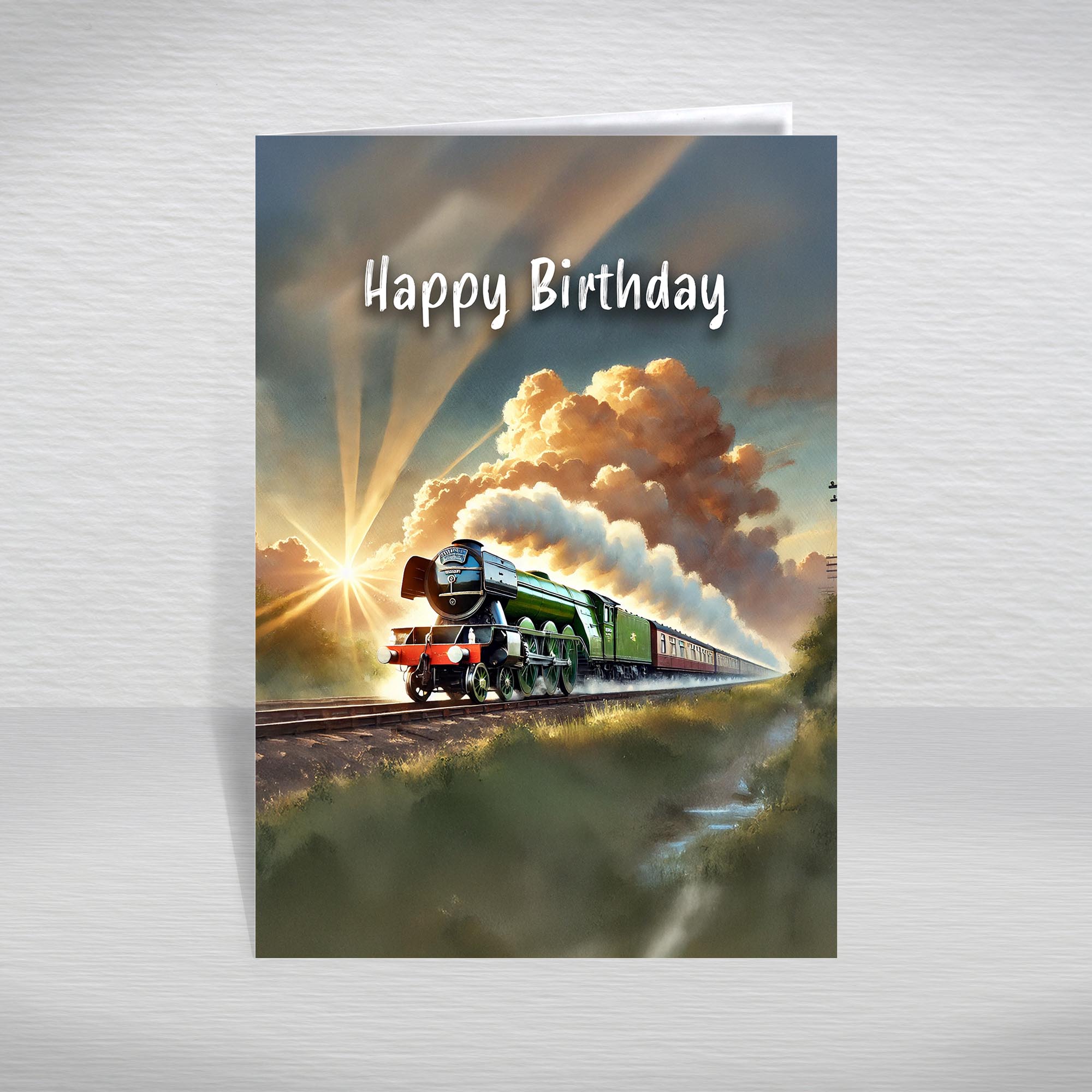
The class was outshopped from new in LNER apple green with black-and-white lining, polished brass cabside number plates, and the elegant cast nameplates above the splashers. They retained this livery through the 1930s and into the wartime austerity period, when many were repainted in plain black. From 1946 the LNER returned the class to lined apple green, and British Railways from 1948 painted them initially in lined LNER apple green and later in lined dark green with the late ferret-and-dartboard crest. The preserved 246 Morayshire has been restored to LNER apple green and currently carries that livery in preservation.