British Railways (Western Region)
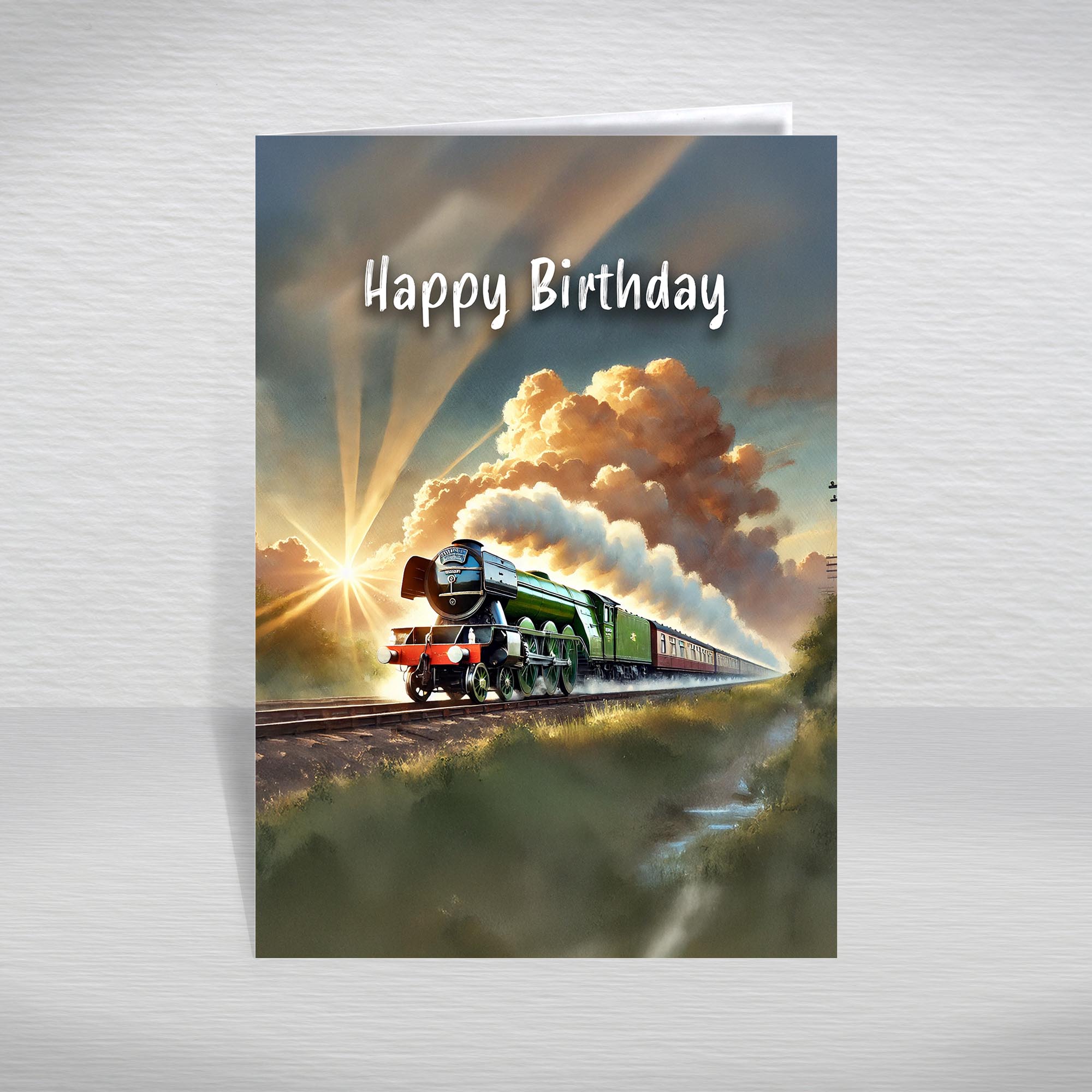
The Western Region of British Railways was a territorial operating region from nationalisation in 1948 until 1992, directly inheriting the Great Western Railway's territory, engineering traditions, and — for its first decade — the GWR's institutional culture and many of its senior staff. The Region was uniquely conservative in its early BR years, retaining GWR locomotive numbering, copper-capped chimneys, and distinctive lined Locomotive Green livery long after other regions had standardised on BR practice, earning it the nickname 'the Holiday Line' for its holiday traffic to the West Country.
The Western Region's most controversial decision was its adoption of diesel-hydraulic transmission for its main-line diesel fleet — unique among BR regions, which all chose diesel-electric. The Class 42 Warship, Class 35 Hymek, and Class 52 Western diesel-hydraulics gave the Region a visually distinctive and technically interesting fleet through the 1960s, but reliability problems and the impossibility of sharing components with other regions made the hydraulic policy unsustainable. All WR hydraulics were withdrawn by 1977. The Region's engineering was centred at Swindon Works, whose closure in 1986 marked the end of the GWR engineering lineage.
The WR became one of the first homes of the InterCity 125 HST, introduced on the Paddington–Bristol and Paddington–South Wales services from 1976 and transforming journey times on GWR's traditional main lines. The Didcot Railway Centre and STEAM Museum of the GWR at Swindon preserve the Western Region and GWR heritage. At privatisation the Region's services passed to Great Western Trains, Thames Trains, and other TOCs.
About
The Western Region (WR) of British Railways was a territorial Region from 1 January 1948 until 1992. It directly inherited the Great Western Railway's territory, the West of England, South Wales and the West Midlands.
The Western Region was unique among the BR Regions in adopting diesel-hydraulic transmission for its main-line traction in the late 1950s, in preference to the BR-standard diesel-electric. The German-licensed Class 22 (1959), Class 42 'Warship' (1958), Class 35 'Hymek' (1961) and Class 52 'Western' (1961) gave the Region a recognisably distinct character through the 1960s. The diesel-hydraulic experiment was effectively abandoned in 1971; all the Region's hydraulics were withdrawn by 1977 except the Class 52, which lasted until 1977.
The Region was an early home of the InterCity 125 HST, introduced on the Paddington–Bristol/South Wales services in 1976. The Region was sectorised in the 1980s and the geographic structure formally abolished in 1992.