BR Standard Class 4MT 2-6-4T
The BR Standard Class 4MT 2-6-4T was British Railways' standard medium-power suburban tank engine, a 2-6-4T sister to the BR Standard Class 4MT 4-6-0 (sharing the same 4MT classification but the tank-engine wheel arrangement). One hundred and fifty-five engines were built at Brighton, Derby, and Doncaster between 1951 and 1957.
R. A. Riddles' BR Standard programme included three medium-power 4MT designs: the 4-6-0 75000 series, the 2-6-0 76000 series, and the 2-6-4T 80000 series. The 2-6-4T was specifically designed for outer-suburban and short-haul passenger services that needed a fast, accelerative tank engine, particularly on the Southern Region and LMR commuter networks. The design borrowed heavily from the LMS Fairburn 2-6-4T, with the BR Standard exposed-valve-gear treatment.
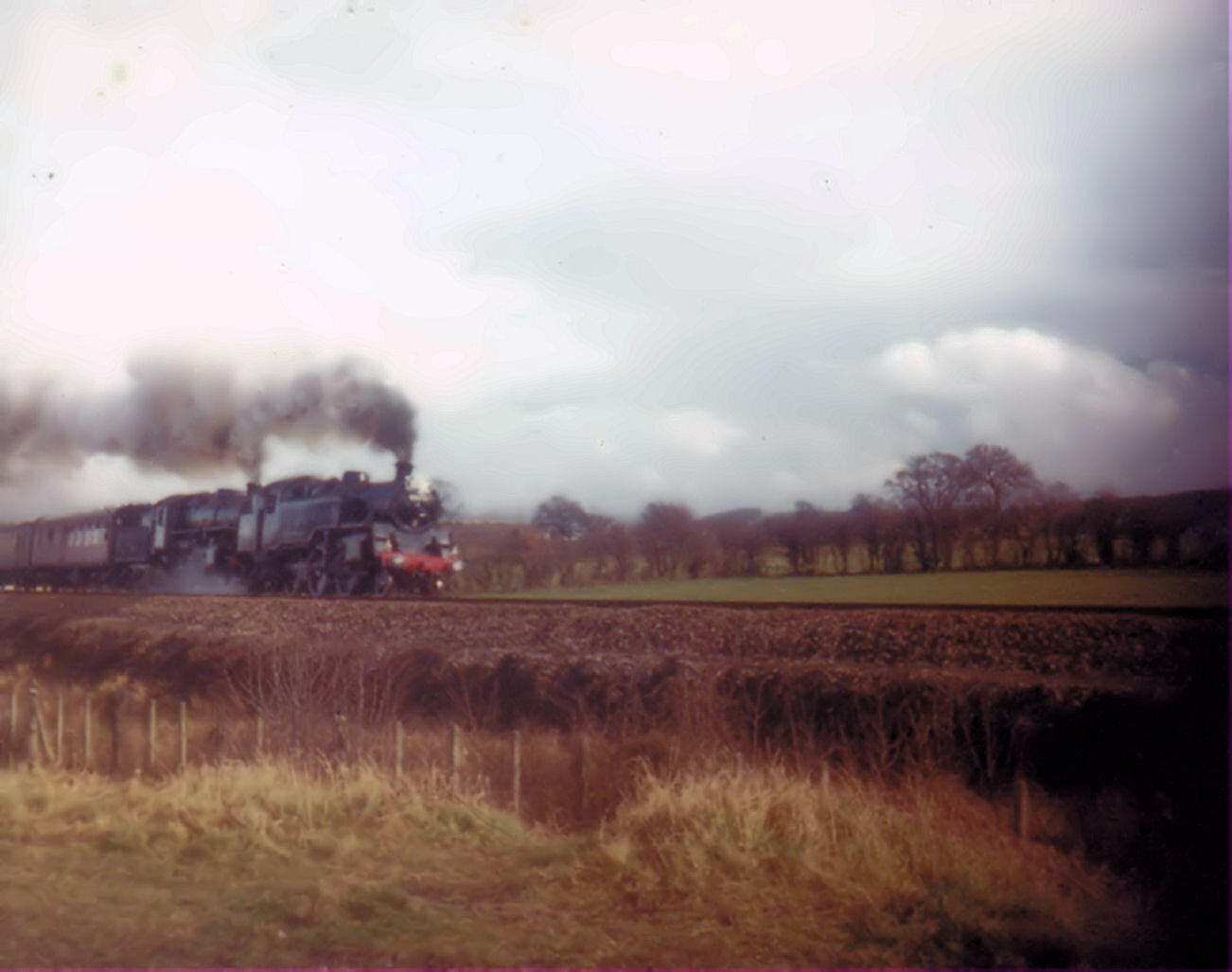
The class's major service was on Southern Region outer-suburban (the Tunbridge Wells/Hastings line, Three Bridges, the Bricklayers Arms area), LMR Manchester suburban, and the Glasgow suburban network. The arrival of BR diesel multiple units from the late 1950s progressively displaced the class. Withdrawals through the early-to-mid 1960s; the last BR-service engines were withdrawn in 1967.
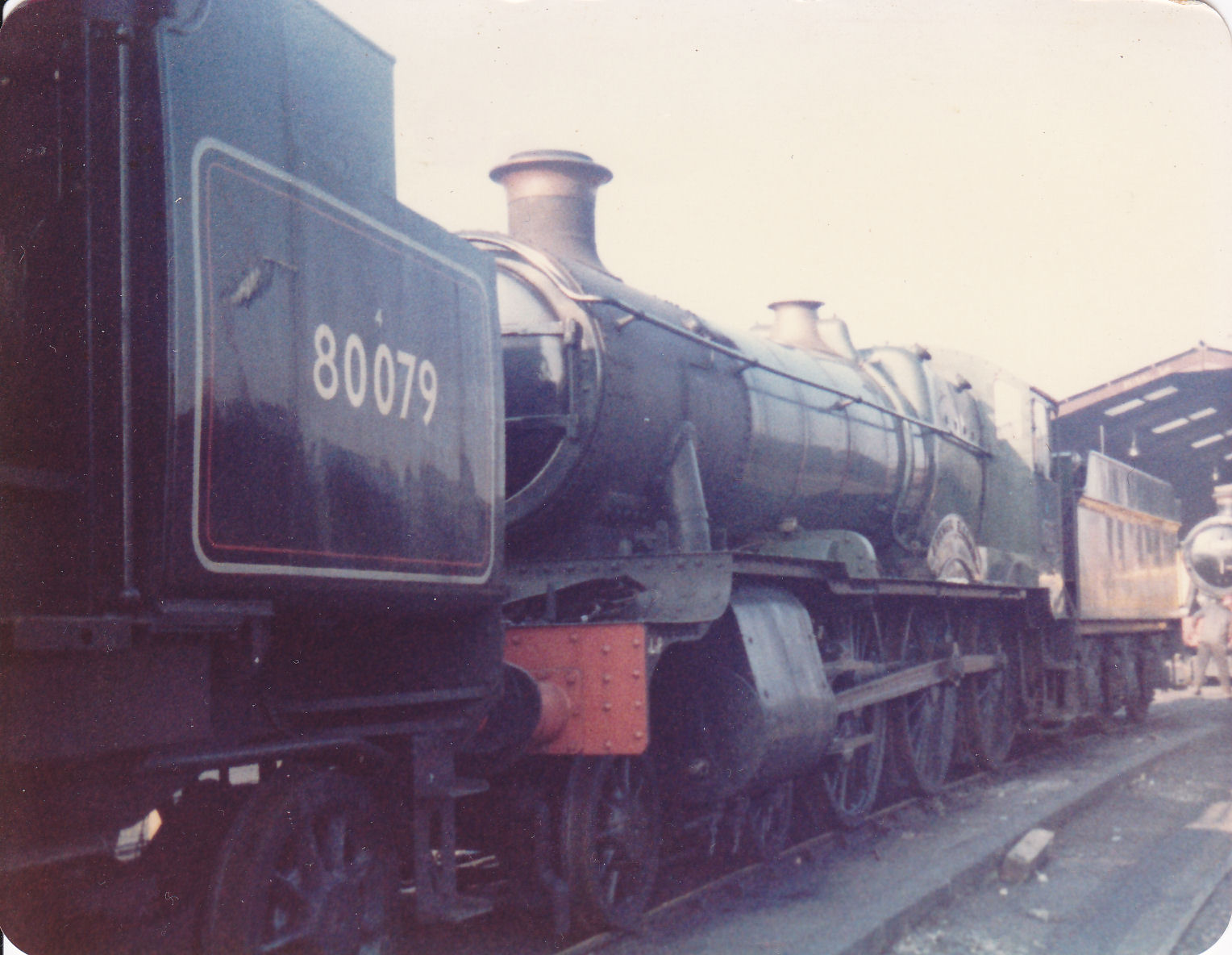
About 10 BR Standard 4MT 2-6-4Ts are preserved, the highest preservation rate of any BR Standard tank-engine class. Notable preserved examples include 80002 (KWVR), 80064 (Mid-Hants), 80072 (Llangollen), 80078 and 80104 (Swanage), 80079 (SVR), 80097 (East Lancs), 80100 (Bluebell), 80135, and 80136 (NYMR).
Design and development
R. A. Riddles' BR Standard programme included three medium-power 4MT designs sharing the BR Standard 4MT classification: the 4-6-0 75000 series (covered separately), the 2-6-0 76000 series, and the 2-6-4T 80000 series (this entry). The 2-6-4T was specifically designed for outer-suburban and short-haul passenger services that needed a fast, accelerative tank engine, particularly on the Southern Region and LMR commuter networks.
Production began at Brighton Works in 1951 and continued there, at Derby, and at Doncaster through to 1957. By 1957 the class totalled 155 engines.
Service and withdrawals
The 4MT 2-6-4Ts were the BR Standard suburban tank engine of choice from 1951 onwards. Major service was on Southern Region outer-suburban (the Tunbridge Wells/Hastings line, Three Bridges, the Bricklayers Arms area), LMR Manchester suburban, and the Glasgow suburban network. The arrival of BR diesel multiple units from the late 1950s progressively displaced the class. Withdrawals through the early-to-mid 1960s; last BR-service engines withdrawn in 1967.
Identification features
The 2-6-4T wheel arrangement (leading pony, three coupled axles, trailing bogie) gives the class its characteristic outline, substantially longer than the smaller 2MT 2-6-2T but with the same BR Standard exposed-valve-gear treatment, high-set running plate, and Belpaire firebox.
Numbers and names
80000–80154
- 80000
- 80001
- 80002
- 80003
- 80004
- 80005
- 80006
- 80007
- 80008
- 80009
- 80010
- 80011
- 80012
- 80013
- 80014
- 80015
- 80016
- 80017
- 80018
- 80019
- 80020
- 80021
- 80022
- 80023
- 80024
- 80025
- 80026
- 80027
- 80028
- 80029
- 80030
- 80031
- 80032
- 80033
- 80034
- 80035
- 80036
- 80037
- 80038
- 80039
- 80040
- 80041
- 80042
- 80043
- 80044
- 80045
- 80046
- 80047
- 80048
- 80049
- 80050
- 80051
- 80052
- 80053
- 80054
- 80055
- 80056
- 80057
- 80058
- 80059
- 80060
- 80061
- 80062
- 80063
- 80064
- 80065
- 80066
- 80067
- 80068
- 80069
- 80070
- 80071
- 80072
- 80073
- 80074
- 80075
- 80076
- 80077
- 80078
- 80079
- 80080
- 80081
- 80082
- 80083
- 80084
- 80085
- 80086
- 80087
- 80088
- 80089
- 80090
- 80091
- 80092
- 80093
- 80094
- 80095
- 80096
- 80097
- 80098
- 80099
- 80100
- 80101
- 80102
- 80103
- 80104
- 80105
- 80106
- 80107
- 80108
- 80109
- 80110
- 80111
- 80112
- 80113
- 80114
- 80115
- 80116
- 80117
- 80118
- 80119
- 80120
- 80121
- 80122
- 80123
- 80124
- 80125
- 80126
- 80127
- 80128
- 80129
- 80130
- 80131
- 80132
- 80133
- 80134
- 80135
- 80136
- 80137
- 80138
- 80139
- 80140
- 80141
- 80142
- 80143
- 80144
- 80145
- 80146
- 80147
- 80148
- 80149
- 80150
- 80151
- 80152
- 80153
- 80154
BR Nos 80000–80154. Built at Brighton Works (the principal contributor), Derby Works, and Doncaster Works.
Notable locomotives
80002, preserved at the Keighley & Worth Valley Railway. 80064, Mid-Hants Railway. 80072, Llangollen Railway. 80078, Swanage Railway. 80079, Severn Valley Railway. 80080, preserved. 80097, East Lancashire Railway. 80098, preserved. 80100, Bluebell Railway. 80104, Swanage Railway. 80135, preserved. 80136, North Yorkshire Moors Railway. 80150, preserved (under restoration).
Allocations and regions
Distributed across BR regions for outer-suburban and short-haul work. Major allocations on Southern Region (Tunbridge Wells West, Three Bridges, Bricklayers Arms, the Southern's Eastern and Central section commuter services), LMR (Saltley, Bury, Manchester area), and Scottish Region (Polmadie, Glasgow suburban). The class was particularly prominent on the Glasgow-area suburban services.
Livery history
BR Brunswick green (lined) for passenger-allocated engines; BR mixed-traffic black for some. Most preservation-era examples appear in BR Brunswick green with late crest.
Preservation status
About 10 BR Standard 4MT 2-6-4Ts are preserved across the heritage network, the highest preservation rate of any BR Standard tank-engine class, reflecting late survival into the 1960s. Notable preserved examples include 80002 (KWVR), 80064 (Mid-Hants), 80072 (Llangollen), 80078 (Swanage), 80079 (SVR), 80097 (East Lancs), 80100 (Bluebell), 80104 (Swanage), 80135, and 80136 (NYMR).
Photographs