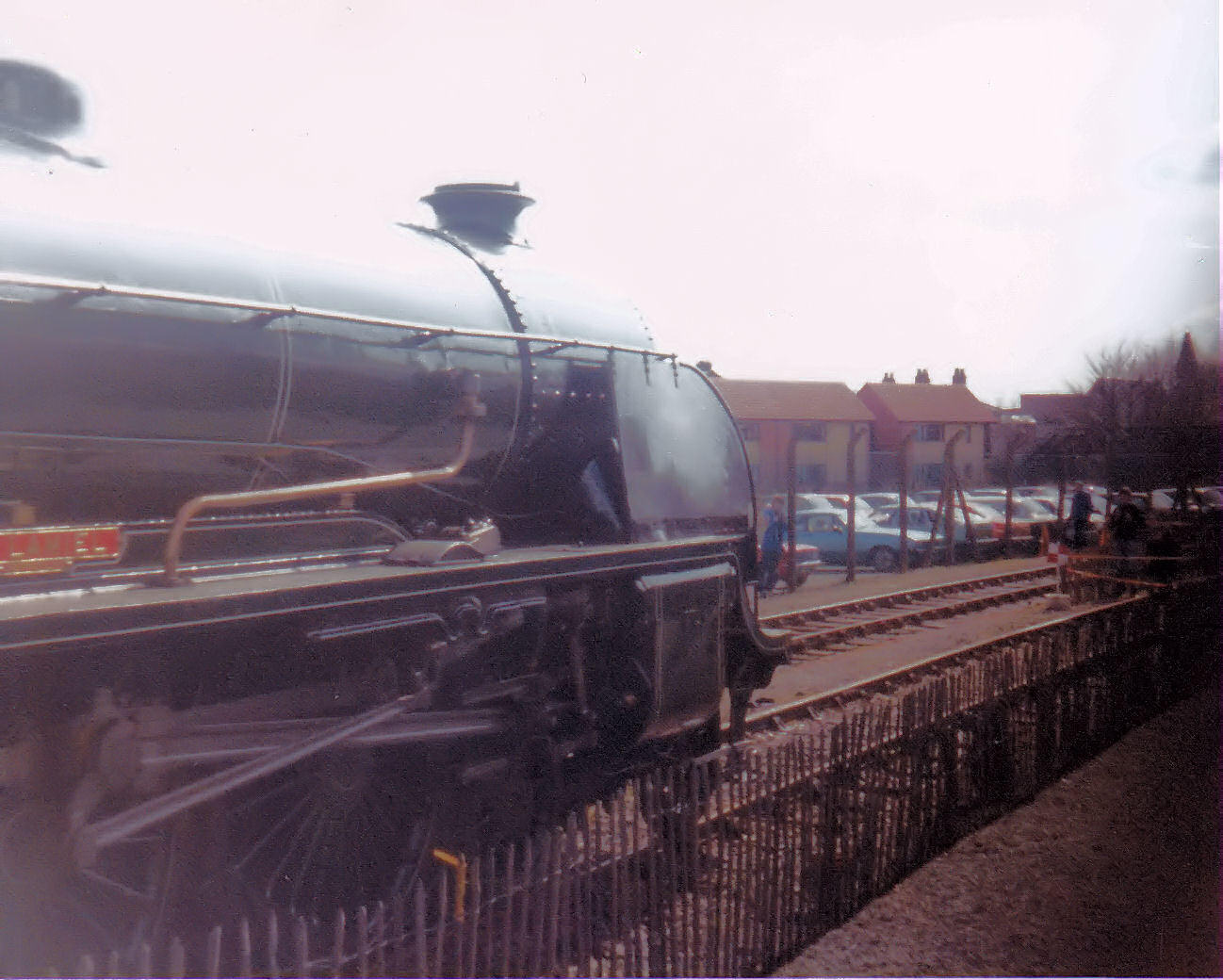
SR King Arthur
The SR King Arthur Class was the Southern Railway's standard heavy express 4-6-0 through the 1920s and 1930s, and one of the most numerically successful Southern designs. Robert Urie's 1918 LSWR N15 design was extended and improved by Richard Maunsell from 1925 onwards. Seventy-four engines were built in four overlapping batches: 20 LSWR engines (1918–1923), 10 Maunsell-improved Scotch Arthurs at Eastleigh (1925), 30 by the North British Locomotive Company (1925), and 14 final Eastleigh engines (1926–1927).
The original Urie design was a relatively conservative two-cylinder 4-6-0, taper boiler at 200 psi, 6 ft 7 in driving wheels, 22 × 28 in cylinders. Maunsell's post-Grouping modifications to the steam circuit, valve setting, and superheater gave 15–20% better performance than the original LSWR engines. The Maunsell-built engines (the Scotch Arthurs and subsequent batches) incorporated all the modifications from new and were the SR's definitive King Arthurs.
Maunsell's naming of the class after King Arthur and the Knights of the Round Table, the engines collectively bearing names like Excalibur, King Arthur, Sir Galahad, Sir Lancelot, Sir Tristram, and Sir Lamiel, was a Southern publicity coup. The names secured the class lasting public affection and gave it instant recognition. The 30 North British engines arrived in just over a year, a remarkable production rate reflecting the North British Locomotive Company's capacity.
The King Arthurs were the SR's heaviest express engines from 1923 to 1926 (when the Lord Nelsons arrived for the heaviest duties), then the principal SR express engine on the secondary expresses through to 1941 (when Bulleid's Merchant Navy Pacifics began to replace them). They worked the early-form Atlantic Coast Express, the Bournemouth Belle, the Continental boat trains from Victoria, and the principal Eastern and Central Section expresses.
British Railways inherited 74 engines in 1948. The class continued in BR service through the 1950s on lighter expresses and the Atlantic Coast feeder services. From 1955 onwards the BR Standard Class 5MT 4-6-0 progressively replaced King Arthurs on secondary expresses, and from 1959 BR diesel multiple-units further displaced them. The last King Arthur in BR service was 30782 "Sir Brian", withdrawn from Nine Elms in February 1962.
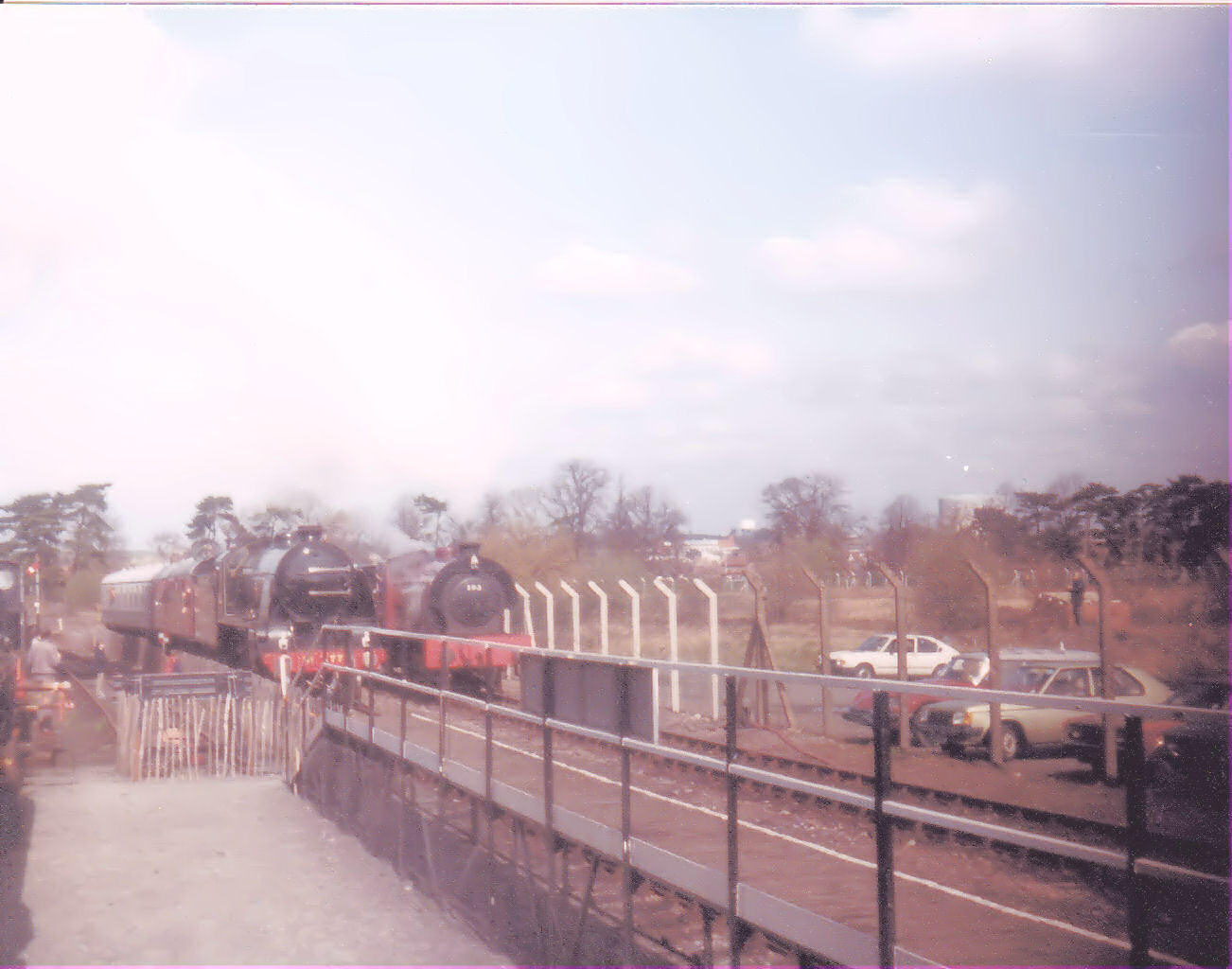
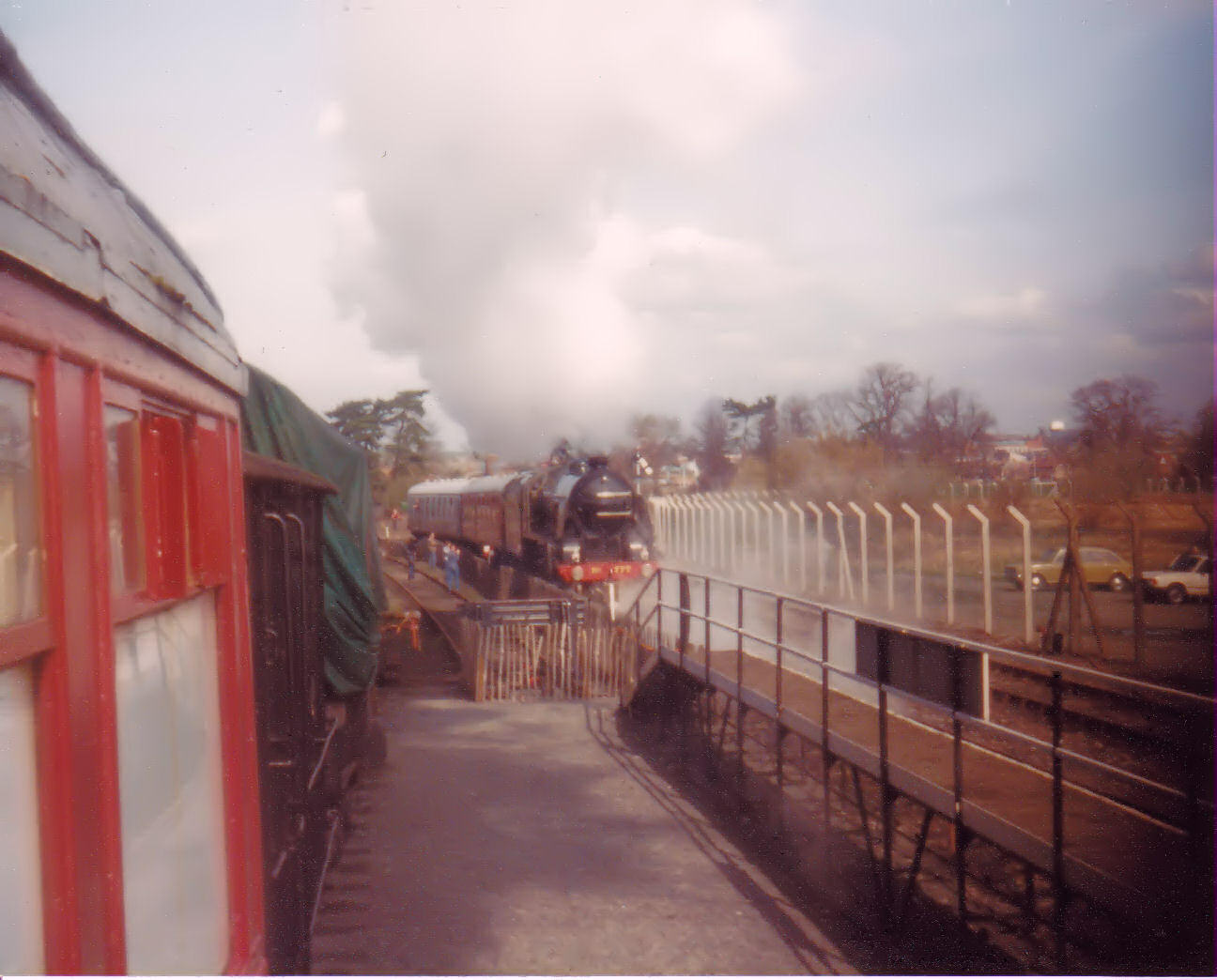
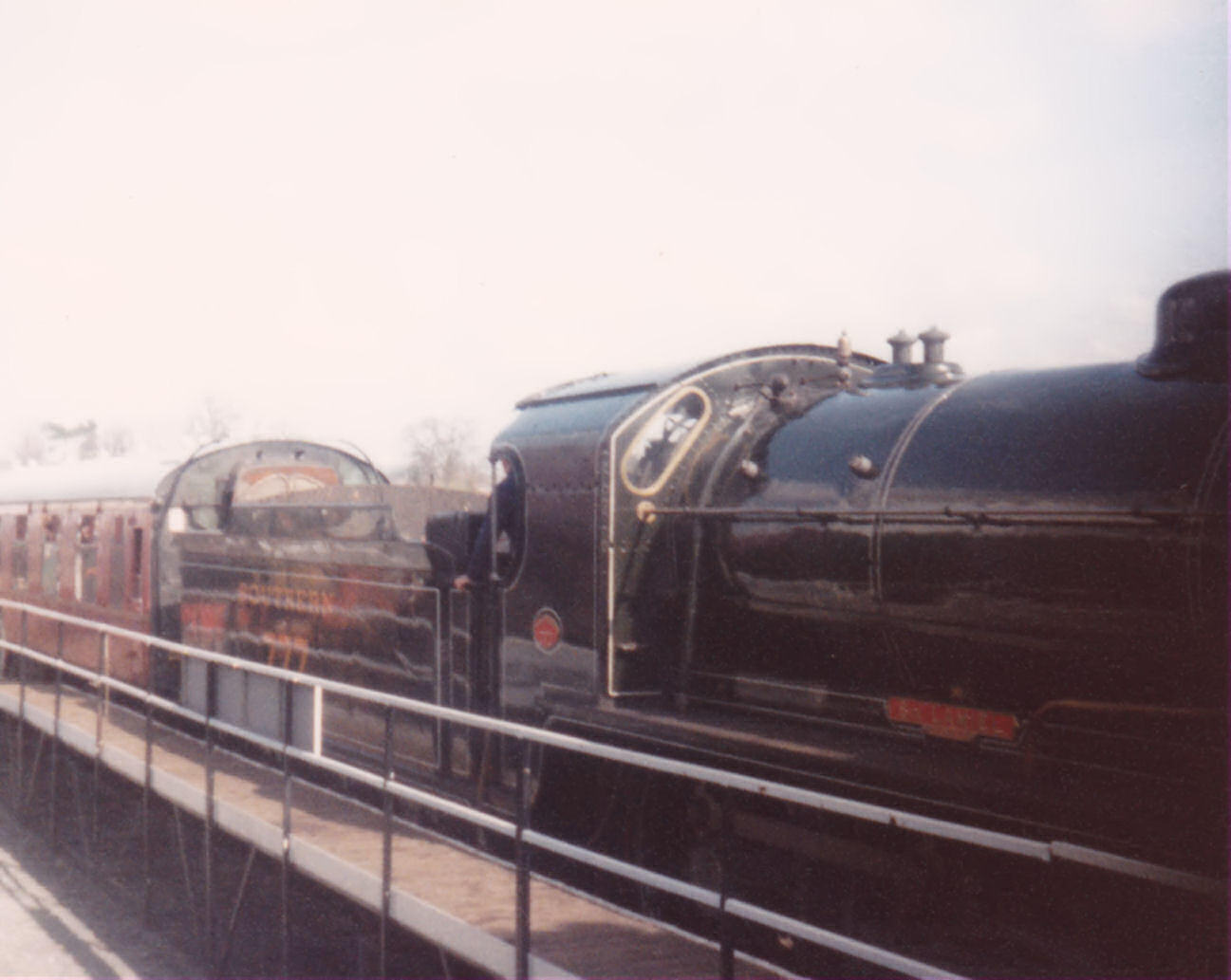
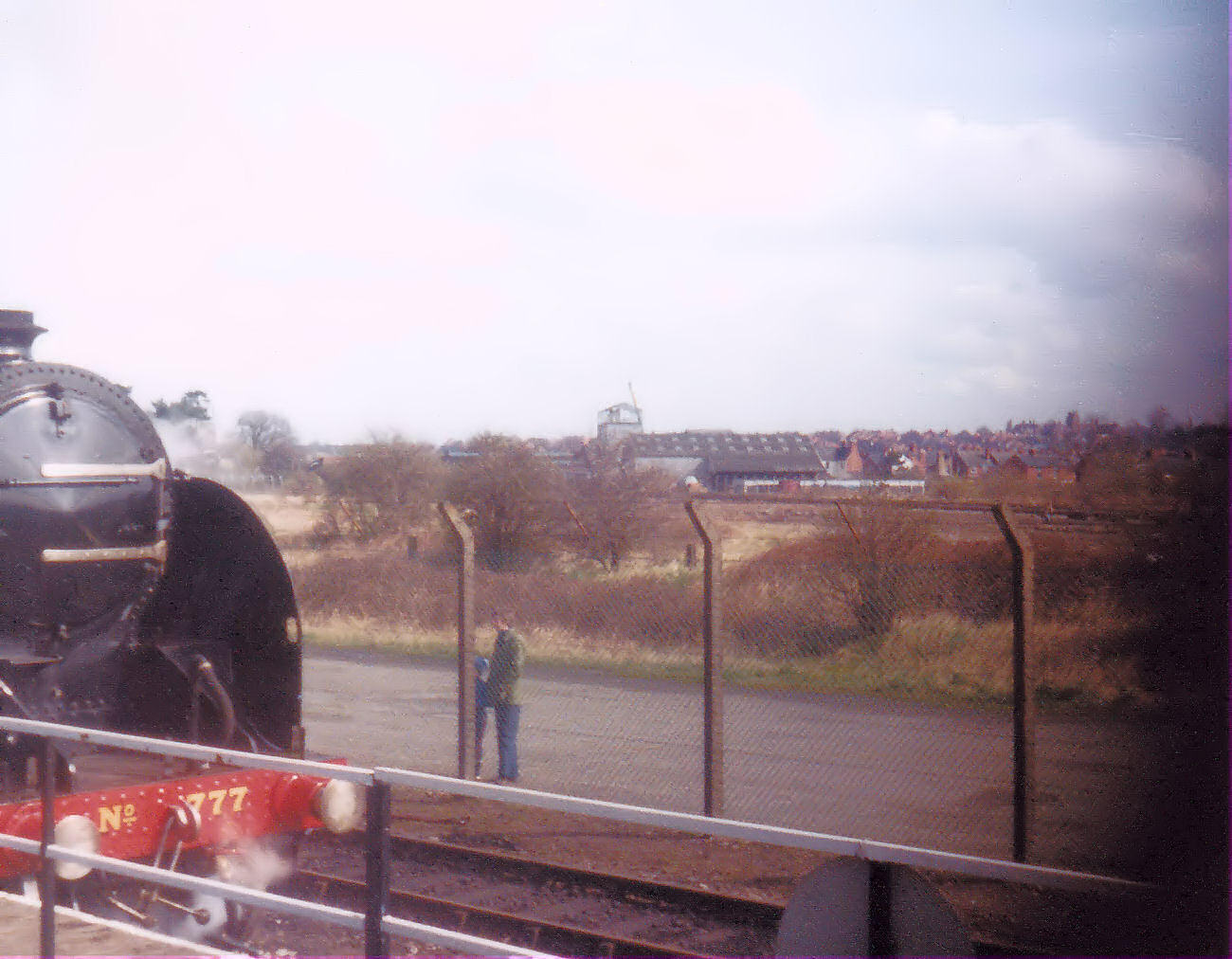
One King Arthur is preserved: 30777 Sir Lamiel (the North British 1925 example), privately preserved by the Humberside Locomotive Preservation Group on withdrawal in October 1961. Currently main-line registered with the Great Central Railway, Loughborough, the only surviving King Arthur of any type. The class's low preservation rate (1 from 74) reflects the early-1950s-to-early-1960s era of withdrawal when scrapping was rapid and preservation movements were still very small.
Design and development
The class's origin lies with the LSWR's 1918 design for a heavy express 4-6-0. The LSWR's Chief Mechanical Engineer Robert Urie produced a relatively conservative two-cylinder 4-6-0 with a parallel taper boiler at 200 psi, 6 ft 7 in driving wheels, and 22 × 28 in cylinders, designed for the heaviest LSWR West of England expresses to compete with the GWR's Saints. Twenty engines (Nos 736–755) were built at Eastleigh between 1918 and 1923.
After the 1923 Grouping created the Southern Railway, Richard Maunsell inherited the LSWR fleet and recognised the engines' potential. Modifications to the steam circuit, valve setting, and superheater gave 15–20% better performance than the original Urie engines. From 1925 Maunsell ordered new engines built to the modified design, initially ten Eastleigh-built engines (Nos 448–457, the "Scotch Arthurs" so-named because they carried Scottish place-names initially), then thirty engines from the North British Locomotive Company (Nos 763–792), and finally fourteen further Eastleigh-built engines (Nos 793–806). Maunsell's naming of the class after King Arthur and his Knights, the engines collectively named King Arthur, Excalibur, Sir Galahad, Sir Lancelot, Sir Tristram, Sir Lamiel and the rest, was a Southern publicity coup that secured the class lasting public affection.
By 1927 the King Arthurs totalled 74 engines and were the SR's standard heavy express engine. The 30 NBL engines arrived in just over a year, a remarkable production rate that reflected the North British's capacity. The class quickly proved itself across the SR system and worked as the principal SR express engine through the 1920s and 1930s.
Service and withdrawals
The King Arthurs were the SR's heaviest express engines from 1923 to 1926 (when the Lord Nelsons arrived for the heaviest duties), then the principal SR express engine on the secondary expresses through to 1941 (when the Bulleid Pacifics began to replace them). They worked the Atlantic Coast Express in its early form, the Bournemouth Belle, the Continental boat trains, and the principal Southern Eastern and Central Section expresses.
Maunsell's 1932 introduction of the Schools Class 4-4-0 displaced King Arthurs from some lighter expresses. The 1941 introduction of the Bulleid Merchant Navy Pacifics began the displacement from the heaviest duties. By 1948 the class had settled into a secondary express role on lighter trains across the Southern Region.
British Railways inherited 74 engines in 1948. The class continued in BR service through the 1950s on lighter expresses, the Atlantic Coast feeder services, and the Continental boat trains. From 1955 onwards the BR Standard Class 5MT 4-6-0 began arriving as a direct replacement for King Arthurs on secondary expresses. From 1959 BR diesel multiple-units further displaced them. The last King Arthur in BR service was 30782 "Sir Brian", withdrawn from Nine Elms in February 1962.
Identification features
A clean two-cylinder 4-6-0 outline, recognisably derived from the LSWR Drummond and Urie 4-6-0s but with significant Maunsell improvements. The Belpaire firebox, taper boiler, and brass nameplates carrying Arthurian names (King Arthur, Sir Galahad, Sir Lancelot, etc.) make the class instantly identifiable. Maunsell's cast-brass smokebox numberplate and characteristic SR proportions distinguish the post-Grouping engines from the original Urie LSWR examples (which had numberplates of LSWR pattern). The class's name, given by Maunsell on his arrival at the SR in 1923 as a publicity coup, has stuck, the class is universally known as the King Arthurs.
Numbers and names
LSWR736–75520 engines
- 736
- 737
- 738
- 739
- 740
- 741
- 742
- 743
- 744
- 745
- 746
- 747
- 748
- 749
- 750
- 751
- 752
- 753
- 754
- 755
LSWR448–45710 engines, 1925
- 448
- 449
- 450
- 451
- 452
- 453
- 454
- 455
- 456
- 457
LSWR763–79230 engines, 1925
- 763
- 764
- 765
- 766
- 767
- 768
- 769
- 770
- 771
- 772
- 773
- 774
- 775
- 776
- 777
- 778
- 779
- 780
- 781
- 782
- 783
- 784
- 785
- 786
- 787
- 788
- 789
- 790
- 791
- 792
LSWR793–80614 engines
- 793
- 794
- 795
- 796
- 797
- 798
- 799
- 800
- 801
- 802
- 803
- 804
- 805
- 806
BR30448–30457
- 30448
- 30449
- 30450
- 30451
- 30452
- 30453
- 30454
- 30455
- 30456
- 30457
BR30736–30806
- 30736
- 30737
- 30738
- 30739
- 30740
- 30741
- 30742
- 30743
- 30744
- 30745
- 30746
- 30747
- 30748
- 30749
- 30750
- 30751
- 30752
- 30753
- 30754
- 30755
- 30756
- 30757
- 30758
- 30759
- 30760
- 30761
- 30762
- 30763
- 30764
- 30765
- 30766
- 30767
- 30768
- 30769
- 30770
- 30771
- 30772
- 30773
- 30774
- 30775
- 30776
- 30777
- 30778
- 30779
- 30780
- 30781
- 30782
- 30783
- 30784
- 30785
- 30786
- 30787
- 30788
- 30789
- 30790
- 30791
- 30792
- 30793
- 30794
- 30795
- 30796
- 30797
- 30798
- 30799
- 30800
- 30801
- 30802
- 30803
- 30804
- 30805
- 30806
Original LSWR N15 Class: Nos 736–755 (20 engines, built 1918–1923). Eastleigh-built Scotch Arthurs: Nos 448–457 (10 engines, 1925). North British Locomotive Co: Nos 763–792 (30 engines, 1925). Final Eastleigh batch: Nos 793–806 (14 engines, 1926–1927). Total class: 74 engines. British Railways added 30000 to give 30448–30457 and 30736–30806.
Notable locomotives
30736 Excalibur (originally LSWR 736), the class prototype, completed at the LSWR's Eastleigh Works in September 1918. The Urie design that became the King Arthur Class on Maunsell's naming. Withdrawn from BR August 1959 and broken up.
30448 Sir Tristram (originally SR 448), the first of the Scotch Arthurs, completed at Eastleigh in May 1925. Named in honour of the second Knight of the Round Table to ride out from Camelot. Withdrawn from BR February 1961.
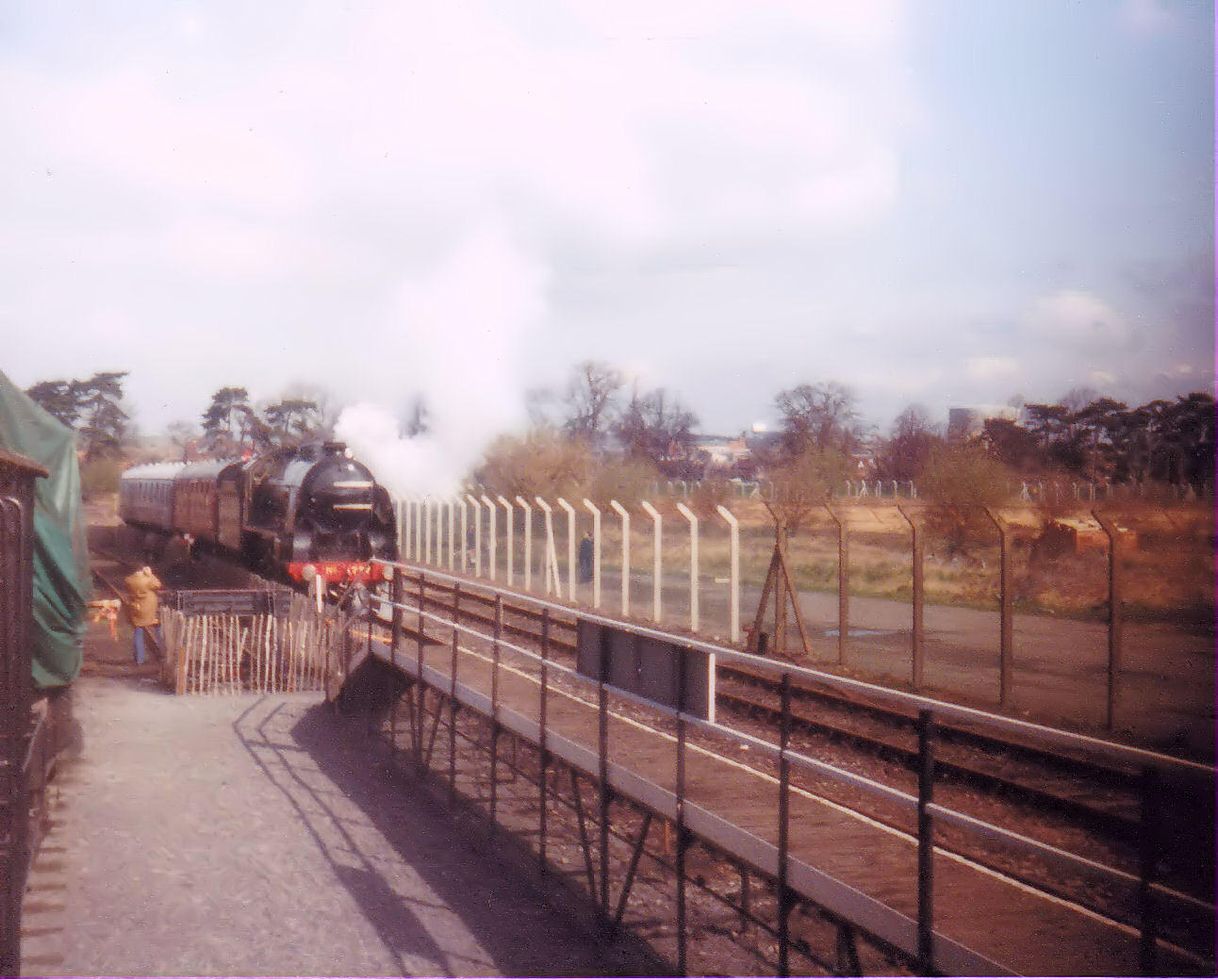
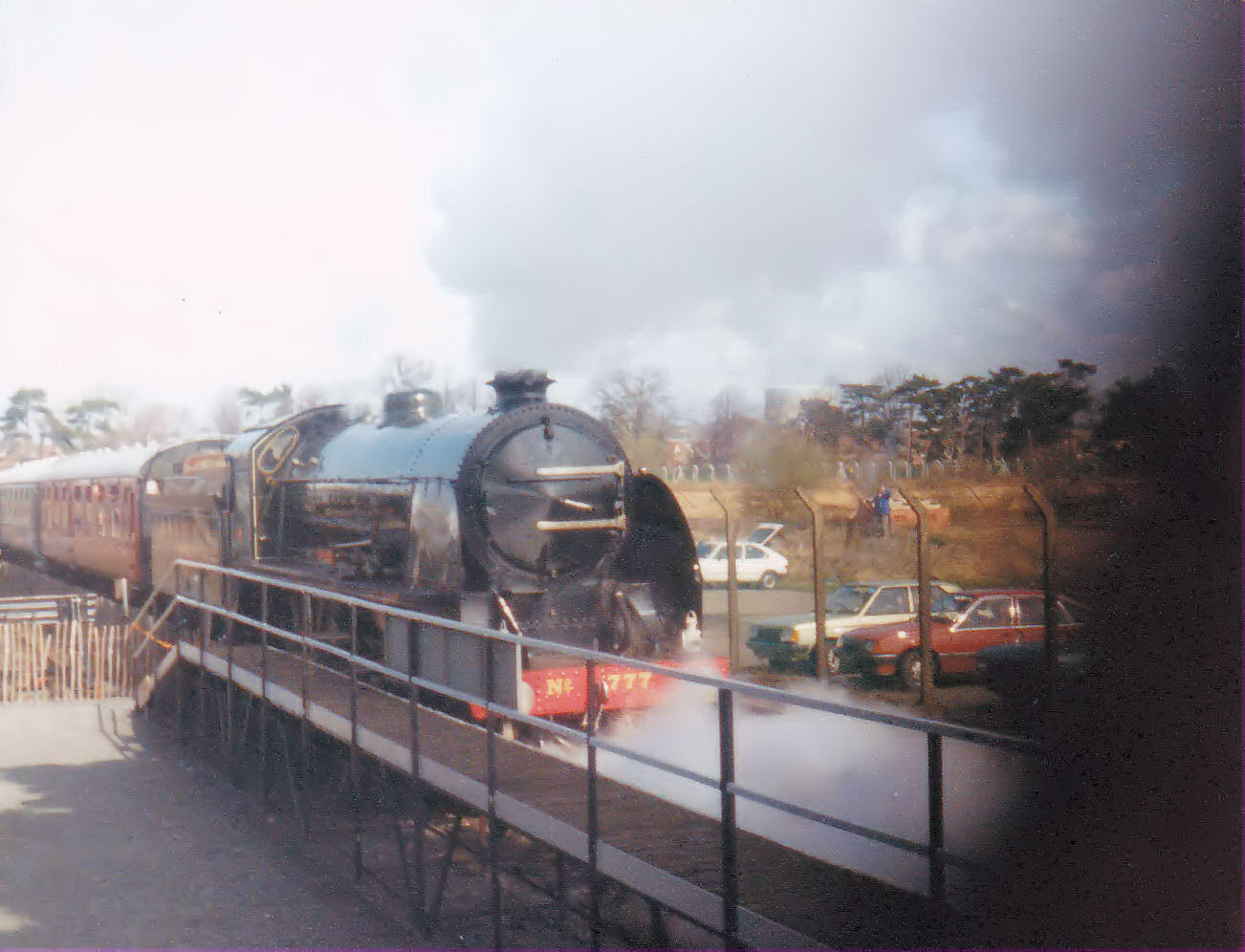
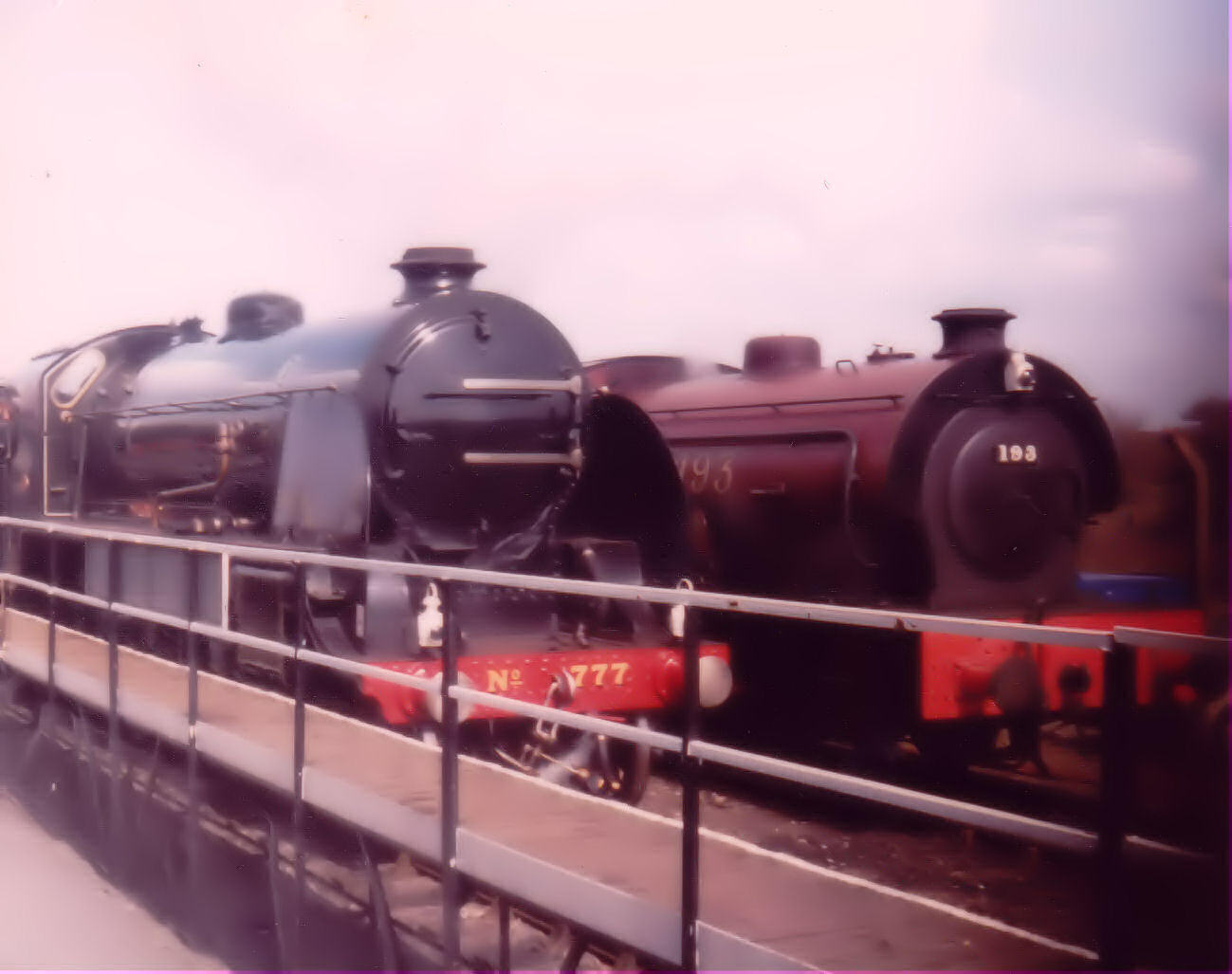
30777 Sir Lamiel (originally SR 777), completed by the North British Locomotive Company in October 1925. Withdrawn from BR October 1961, among the last King Arthurs in BR service. Privately preserved by the Humberside Locomotive Preservation Group. Currently main-line registered with the Great Central Railway, the only preserved King Arthur and a regular performer on heritage steam services.
30453 King Arthur, the engine that gave the class its name, a 1925 Scotch Arthur. Withdrawn from BR April 1961 and broken up.
30782 Sir Brian, the very last King Arthur in BR service, withdrawn from Nine Elms February 1962.
Allocations and regions
Southern Railway era (1923–1947): the original 20 LSWR engines (Nos 736–755) were allocated to Nine Elms (Waterloo) and the principal Southern Western Section sheds, Salisbury, Exeter, and Bournemouth. The Eastleigh-built "Scotch Arthurs" (Nos 448–457) of 1925 were initially named after Scottish places and based at Stewarts Lane (Victoria) for the Continental boat trains. The North British 1925 batch (Nos 763–792) was allocated principally to the Western and Central Sections. The final Eastleigh batch (1926–1927) went to Stewarts Lane and the Eastern Section.
British Railways Southern Region (1948–1962): the SR allocations continued largely unchanged through the 1950s. As Bulleid Pacifics took over the heaviest duties post-1941, the King Arthurs settled into secondary express work, the lighter Western and Central Section expresses, the Atlantic Coast feeder services, and the Continental boat trains.
Final years (1955–1962): displacement by the Bulleid Pacifics and (from 1959) by BR diesel multiple-units progressively reduced the King Arthur fleet. The last King Arthur in BR service was 30782 "Sir Brian", withdrawn from Nine Elms in February 1962.
Livery history
LSWR salmon pink (1918–1923): the original twenty Urie engines were outshopped in LSWR salmon pink with brown lining and serif "L S W R" lettering, the LSWR standard express livery.
Southern Railway dark green (1923–1939): from the 1923 Grouping the class was progressively repainted into SR dark olive green (the early SR express livery) and from 1928 onwards into SR maunsell olive green with yellow lining and "Southern" in serif lettering. By the late 1930s most of the class wore the maunsell olive green livery, the dominant SR King Arthur livery.
SR malachite green (1939–1947): a small number briefly carried the brighter Bulleid-introduced malachite green from 1939 onwards.
Wartime unlined black (1939–1947): wartime conditions saw most engines temporarily painted in plain black with shaded lettering.
British Railways Brunswick green (1948–1962): from 1948 the class wore BR-standard lined Brunswick green with the early lion-and-wheel emblem (later the late BR crest from 1956). This was the dominant BR livery to the end. The preserved 30777 Sir Lamiel has appeared in SR maunsell olive green and BR Brunswick green at different periods.
Preservation status
One King Arthur is preserved:
- 30777 Sir Lamiel (originally SR 777), completed by the North British Locomotive Company in October 1925. Withdrawn from BR October 1961 and privately preserved by the Humberside Locomotive Preservation Group. Currently main-line registered with the Great Central Railway, Loughborough, and a regular performer on heritage steam services. The engine has been through several preservation overhauls and given decades of working service. The only surviving King Arthur, of any type, North British-built, Eastleigh-built, or LSWR.
The class's low preservation rate (1 from 74) reflects the era of withdrawal, the early 1950s to early 1960s, when scrapping was rapid and preservation movements still very small. Sir Lamiel was rescued at the very end of the class's BR service, and his survival is largely a matter of timing.
Photographs