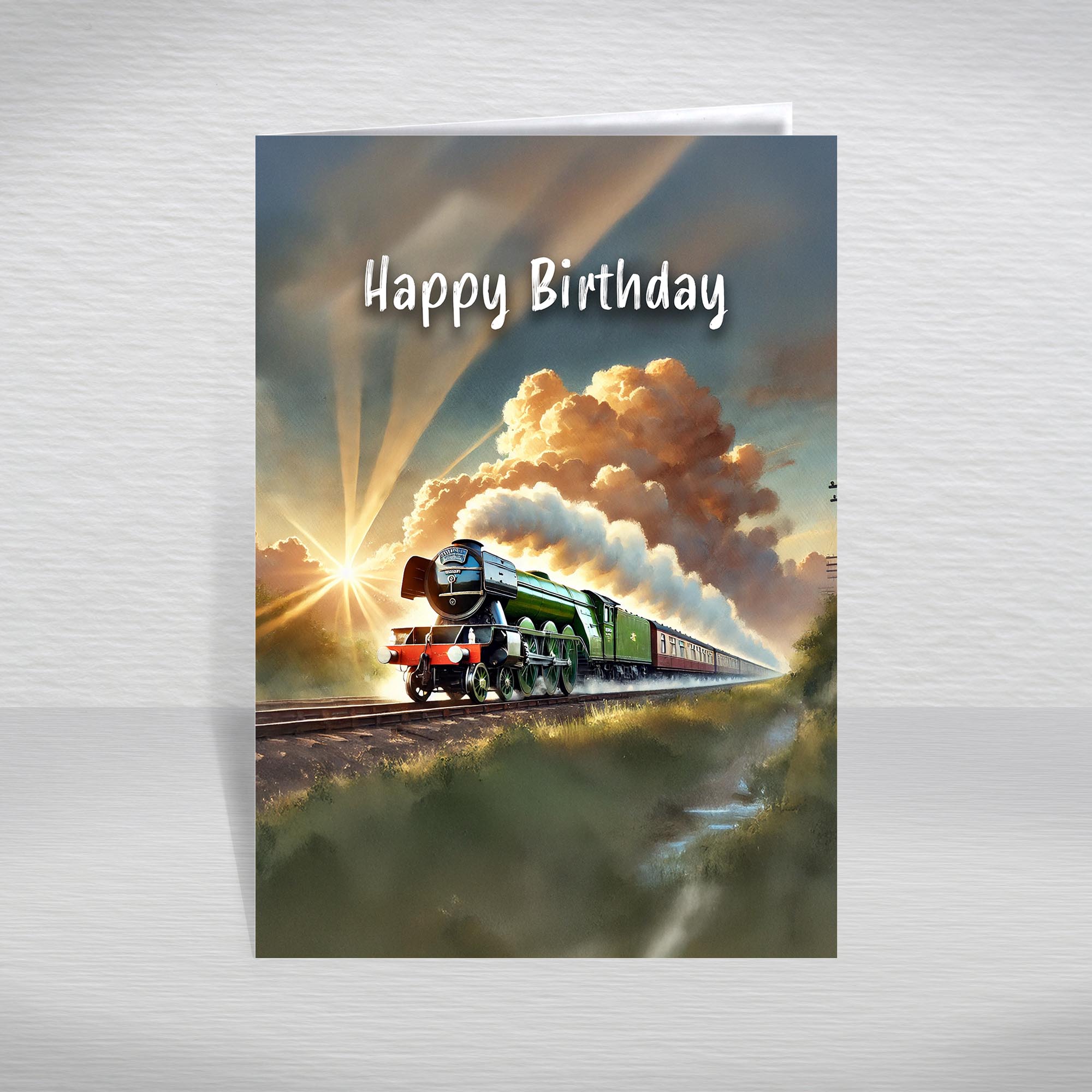
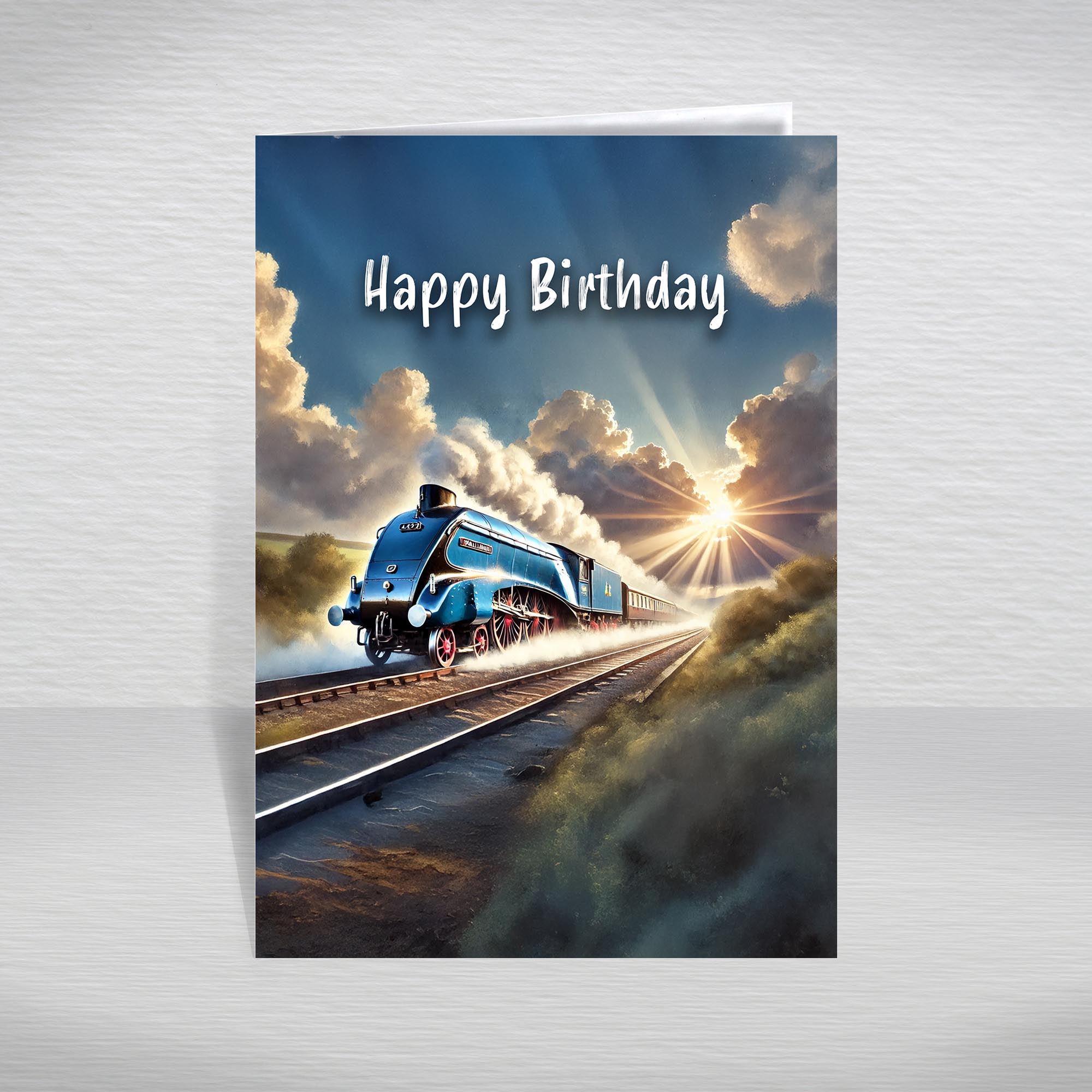
North British Locomotive Co.
The North British Locomotive Company was the largest locomotive manufacturer in the British Empire and Europe at its 1903 formation — a Glasgow-based engineering giant created by the amalgamation of three of Scotland's principal locomotive builders: Neilson, Reid and Co. (Hyde Park Works, Springburn), Dübs and Co. (Queens Park Works, Polmadie), and Sharp, Stewart and Co. (Atlas Works, Springburn). With three works in the Springburn and Polmadie districts of Glasgow and a combined workforce of over 8,000, NBL had an annual production capacity exceeding 600 locomotives — a scale that made it a dominant force in the global locomotive market at a time when British manufacturers still supplied much of the world's railways.
NBL's production through its sixty-year existence was overwhelmingly export-oriented — supplying locomotives to Indian state railways, Egyptian State Railways, Argentine railways, Australian state systems, and railways across Africa, South America, and the colonial world. The firm was also a major wartime contractor: it built substantial batches of the ROD 2-8-0 in the First World War (Robinson's GCR design adopted by the War Department) and the WD Austerity 2-8-0 in the Second World War (Riddles's wartime design), demonstrating NBL's capacity for rapid production of proven designs in the quantities that military operations demanded. For British customers NBL built the LMS Royal Scot class 4-6-0 in 1927 — famously ordered at short notice when neither Crewe nor Derby could deliver — and various BR Standard classes after 1948.
The post-war collapse of the steam locomotive export market was catastrophic for NBL, whose business model depended on it. The firm's attempts to pivot to diesel-electric and diesel-hydraulic construction — the unreliable BR Class 21, 22, and 29 locomotives — damaged its reputation and finances irreparably. NBL went into liquidation in April 1962, ending Glasgow's role as the locomotive-building capital of the British Empire. The Springburn Works were demolished; only the handsome red-sandstone NBL headquarters building on Flemington Street survives, now converted to housing.
About
The North British Locomotive Company (NBL or NB Loco) was a major Glasgow-based locomotive builder formed on 1 April 1903 by the amalgamation of three of the principal Scottish locomotive builders, Neilson, Reid & Co. (Hyde Park Works, Springburn), Dübs & Co. (Polmadie) and Sharp, Stewart & Co. (Atlas Works, Springburn). Three works in Glasgow, Hyde Park, Atlas and Queens Park (Polmadie), operated together under the new corporate name. At formation NBL was the largest locomotive builder in the British Empire and Europe.
NBL supplied locomotives to British and overseas customers, with a particular concentration on export work to India, Egypt, Argentina and the Australian states. It was a major contractor for the ROD 2-8-0 in the First World War (a Robinson design) and the WD Austerity 2-8-0 in the Second World War (a Riddles design).
The post-war collapse of the British steam locomotive export market and NBL's poor performance on early diesel-electric and diesel-hydraulic contracts (BR Class 21, 22 and 29) bankrupted the firm in 1962. The Springburn site was demolished; only the headquarters offices on Flemington Street survive today.