
GWR 7800 Manor Class
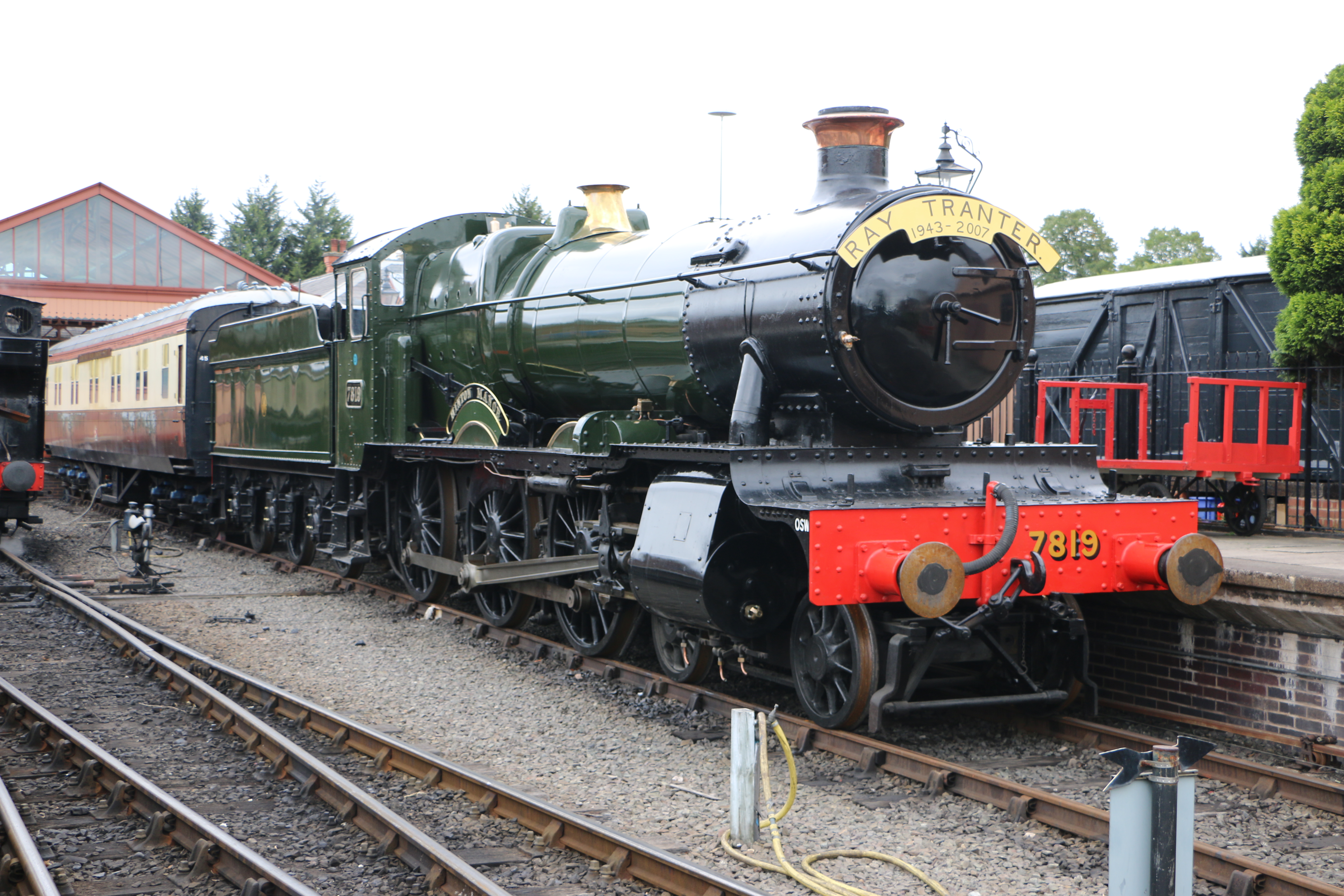
The GWR 7800 Manor Class was Charles Collett's lighter mixed-traffic 4-6-0, designed for the lighter cross-country routes inaccessible to the heavier Hall Class. Twenty engines were built at Swindon Works in 1938–1939, plus a further ten in 1950 under Frederick Hawksworth, total class 30.
The design was deliberately economical: a smaller Standard No. 14 boiler at 225 psi, 5 ft 8 in driving wheels (against the Hall's 6 ft 0 in), and motion and cylinders salvaged from withdrawn 4300 Mogul engines. The mixed engineering pedigree, new boiler, new chassis, but recycled motion, was a late-1930s economy that distinguished the Manor from the Hall's clean-sheet design. The 17 t 2 cwt axle load gave the class substantially broader route availability than the 18 t 16 cwt Hall.
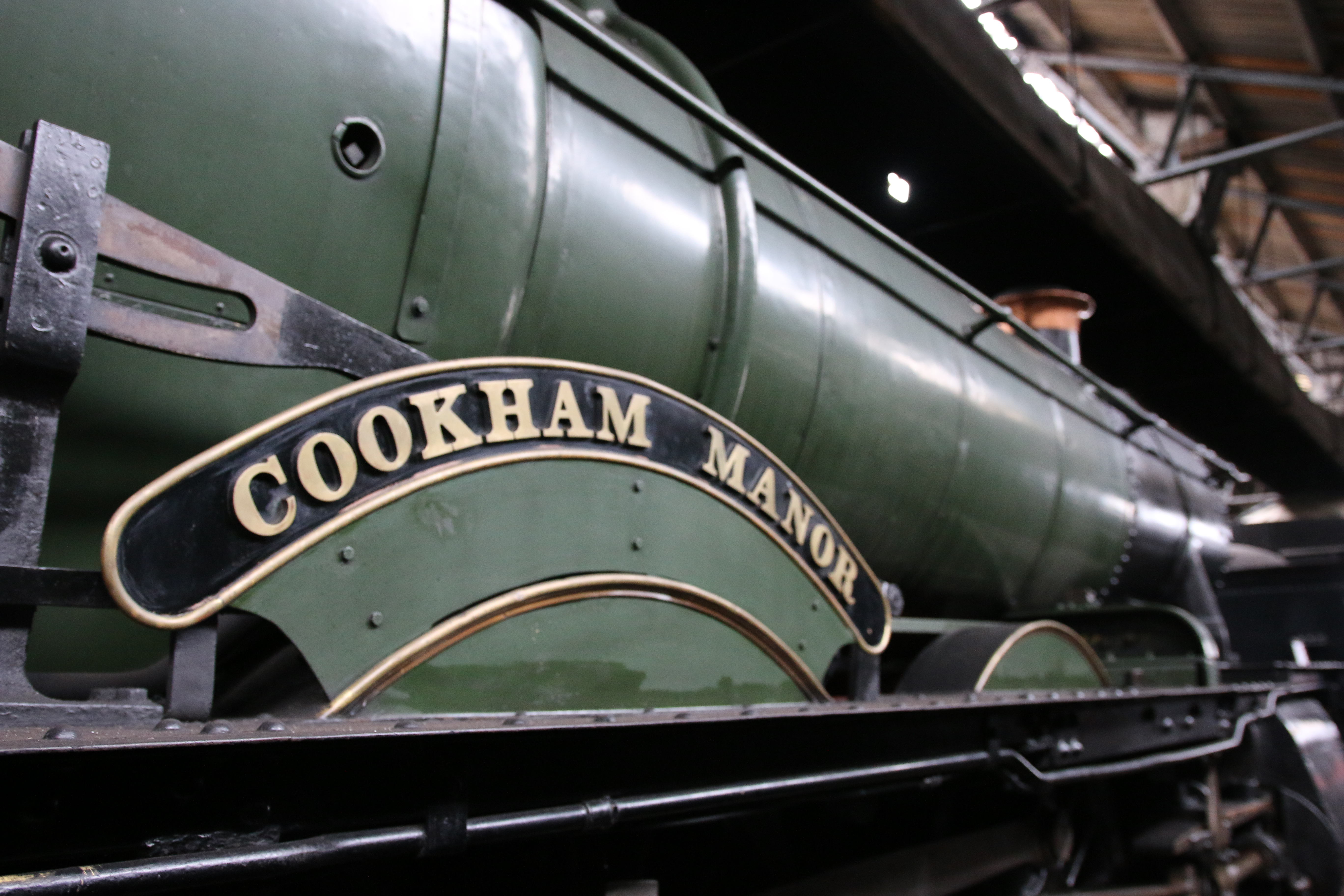
The first engine, No. 7800 "Torquay Manor", was completed at Swindon in January 1938. Production continued through 1938–1939 (the original 20) and resumed in 1950 with the post-war Hawksworth-modified batch (7820–7829) featuring detail improvements including modified cylinder oil feeds and improved superheating. The class is named after British manor houses, Bradley Manor, Cookham Manor, Erlestoke Manor, Foxcote Manor, Hinton Manor, with brass nameplates on the boiler band.
The class's defining route was the Cambrian Line, the Wolverhampton–Aberystwyth and Wolverhampton–Pwllheli services through Welshpool, Newtown, and Machynlleth. The Manors also worked the Worcester–Hereford route, the Cheltenham–Banbury cross-country line, the Reading–Basingstoke services, and various West Country routes, virtually anywhere a 4-6-0 was needed but the Hall could not work.
British Railways inherited the class in 1948 and continued construction of the post-war batch through 1950. The class continued in BR Western Region service through the 1950s. The arrival of BR diesel hydraulics (the Class 22 NBL Type 2 and the Class 35 Hymek Type 3) from 1958 onwards progressively displaced the class from the Cambrian Line. The last Manor in BR service was 7822 "Foxcote Manor", withdrawn from Shrewsbury in November 1965.
Nine Manor Class engines are preserved, an exceptionally good 30% survival rate. Notable preserved engines include 7802 Bradley Manor and 7812 Erlestoke Manor (Severn Valley Railway, both main-line registered), 7808 Cookham Manor (Didcot, working order), 7820 Dinmore Manor (Gloucestershire Warwickshire Railway, main-line registered), 7822 Foxcote Manor (Llangollen Railway), and 7828 Odney Manor (West Somerset Railway, working order). Several preserved Manors have given decades of main-line operating service.
Design and development
By 1937 the Great Western Railway needed a lighter mixed-traffic 4-6-0 for the cross-country routes inaccessible to the Hall Class, particularly the Cambrian Railways main line through mid-Wales, which the Halls were officially restricted from. The Cambrian Line's lighter rails and bridges required an engine of substantially modest axle load.
Charles Collett designed the Manor Class as the answer. The design was deliberately economical: a smaller Standard No. 14 boiler at 225 psi (against the Hall's 225 psi Standard No. 1), 5 ft 8 in driving wheels (against the Hall's 6 ft 0 in), and motion and cylinders salvaged from withdrawn 4300 Mogul engines. The mixed engineering pedigree, new boiler, new chassis, but recycled motion, was a wartime-era economy that distinguished the Manor from the Hall's clean-sheet design.
The first 20 engines (7800–7819) were built at Swindon Works from January 1938 to February 1939. The class entered immediate service on the Cambrian Line and other lighter cross-country routes, proving themselves capable of comfortably handling the trains that the Halls could not reach.
Production resumed in 1950 under Frederick Hawksworth (Collett's successor). The post-war batch (7820–7829) was built with detail improvements including modified cylinder oil feeds, improved superheating, and various other refinements. By 1950 the class was complete at 30 engines.
Service and withdrawals
The Manors were the GWR's standard light cross-country 4-6-0 from 1938 onwards. The class's defining route was the Cambrian Line, the Wolverhampton–Aberystwyth/Pwllheli services were Manor-worked through to dieselisation in 1962. The class also worked the Worcester–Hereford route, the Cheltenham–Banbury cross-country line, the Reading–Basingstoke services, and various West Country routes, virtually anywhere a 4-6-0 was needed but the Hall could not work.
British Railways inherited all 20 of the original engines in 1948 and completed the post-war 1950 batch under BR construction. The class continued in BR Western Region service through the 1950s and into the 1960s. The arrival of BR diesel hydraulics (the Class 22 NBL Type 2 and the Class 35 Hymek Type 3) from 1958 onwards progressively displaced the class from the Cambrian Line, the diesel hydraulics had similarly modest axle loads and dramatically better economics.
The class was withdrawn relatively rapidly through the early-to-mid 1960s. The last Manor in BR service was 7822 "Foxcote Manor", withdrawn from Shrewsbury in November 1965, among the last GWR-design 4-6-0s in BR service.
Identification features
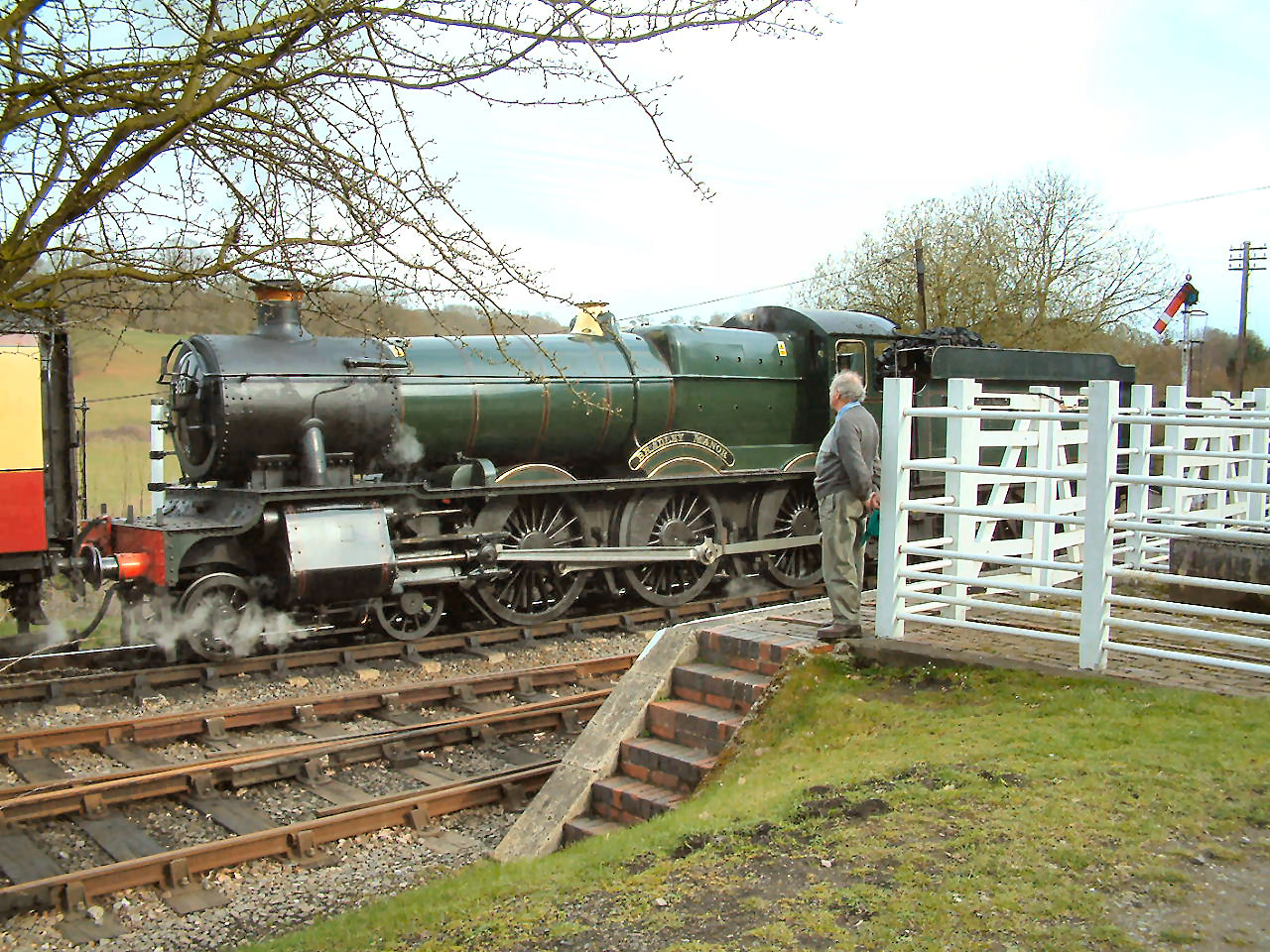
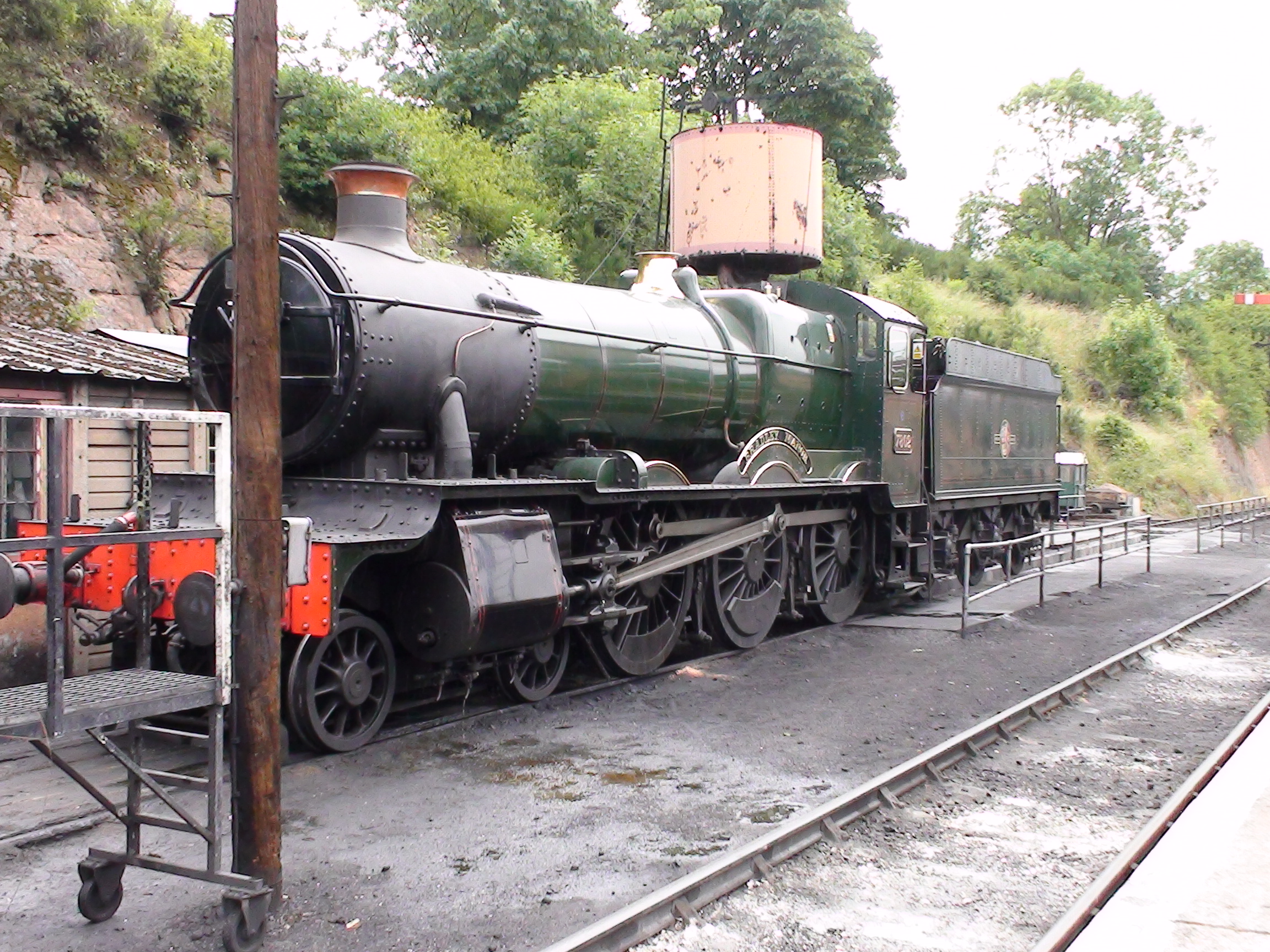
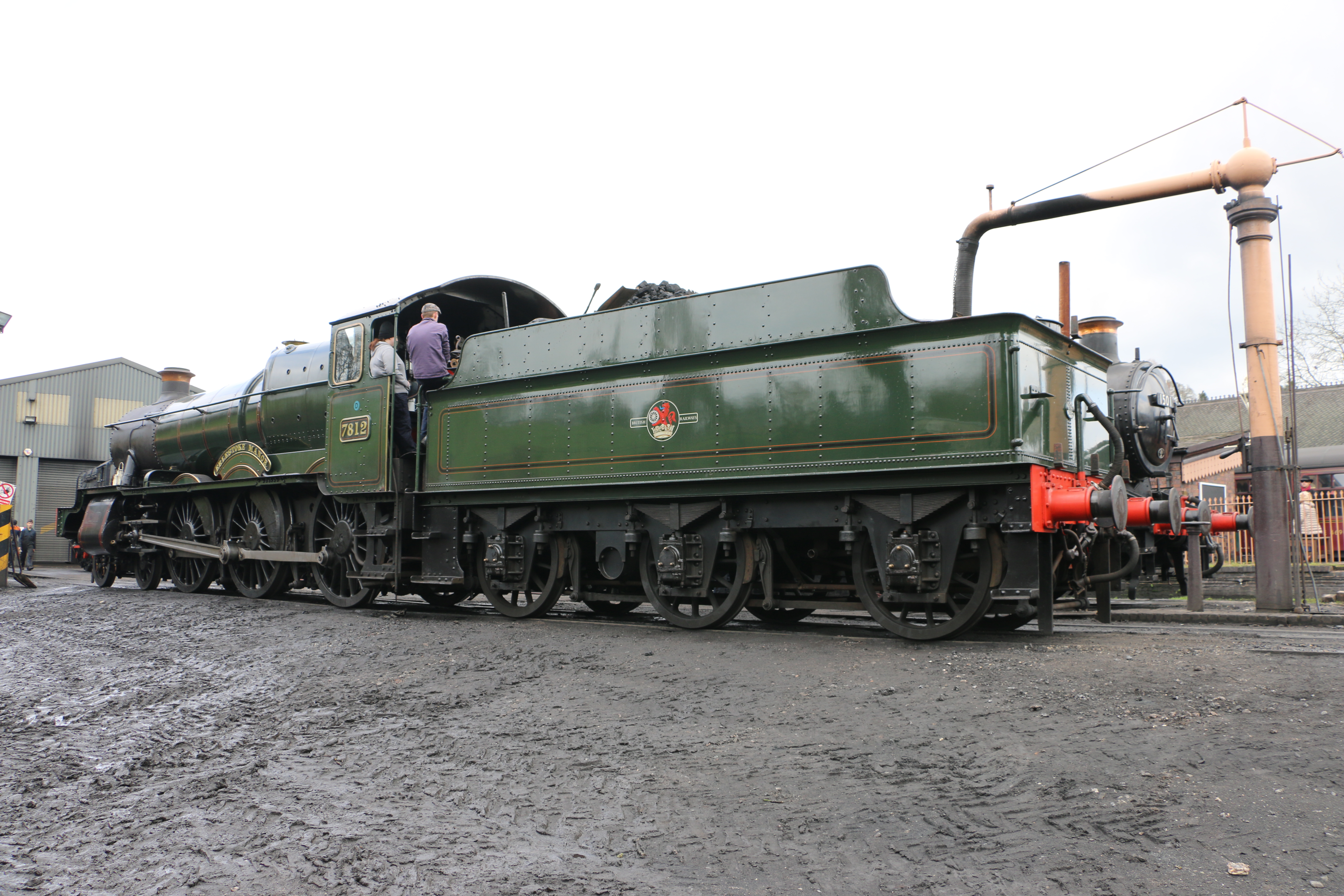
A clean Collett mixed-traffic 4-6-0 outline, recognisably similar to the Hall Class but with a noticeably smaller boiler (5 ft 4 in vs Hall's 5 ft 9 in maximum diameter) and shorter overall length. The Standard No. 14 taper boiler with copper-capped chimney, Belpaire firebox, brass safety-valve cover, and characteristic GWR proportions distinguish the class. The class is named after British manor houses, names such as Cookham Manor, Lydham Manor, Erlestoke Manor, Foxcote Manor, with brass nameplates on the boiler band. The post-war Hawksworth batch (7820–7829) had detail differences including modified cylinder oil feeds and improved superheating.
Numbers and names
7800–7819the original series, 20 engines
- 7800
- 7801
- 7802
- 7803
- 7804
- 7805
- 7806
- 7807
- 7808
- 7809
- 7810
- 7811
- 7812
- 7813
- 7814
- 7815
- 7816
- 7817
- 7818
- 7819
7820–7829the 1950 Hawksworth-modified post-war batch, 10 engines
- 7820
- 7821
- 7822
- 7823
- 7824
- 7825
- 7826
- 7827
- 7828
- 7829
GWR Nos 7800–7819 (the original 1938–1939 series, 20 engines) and 7820–7829 (the 1950 Hawksworth-modified post-war batch, 10 engines). British Railways retained the original GWR numbers, adding the BR prefix only in publicity.
Notable locomotives
7800 Torquay Manor, the class prototype, completed at Swindon Works in January 1938. Withdrawn from BR October 1964 and broken up.
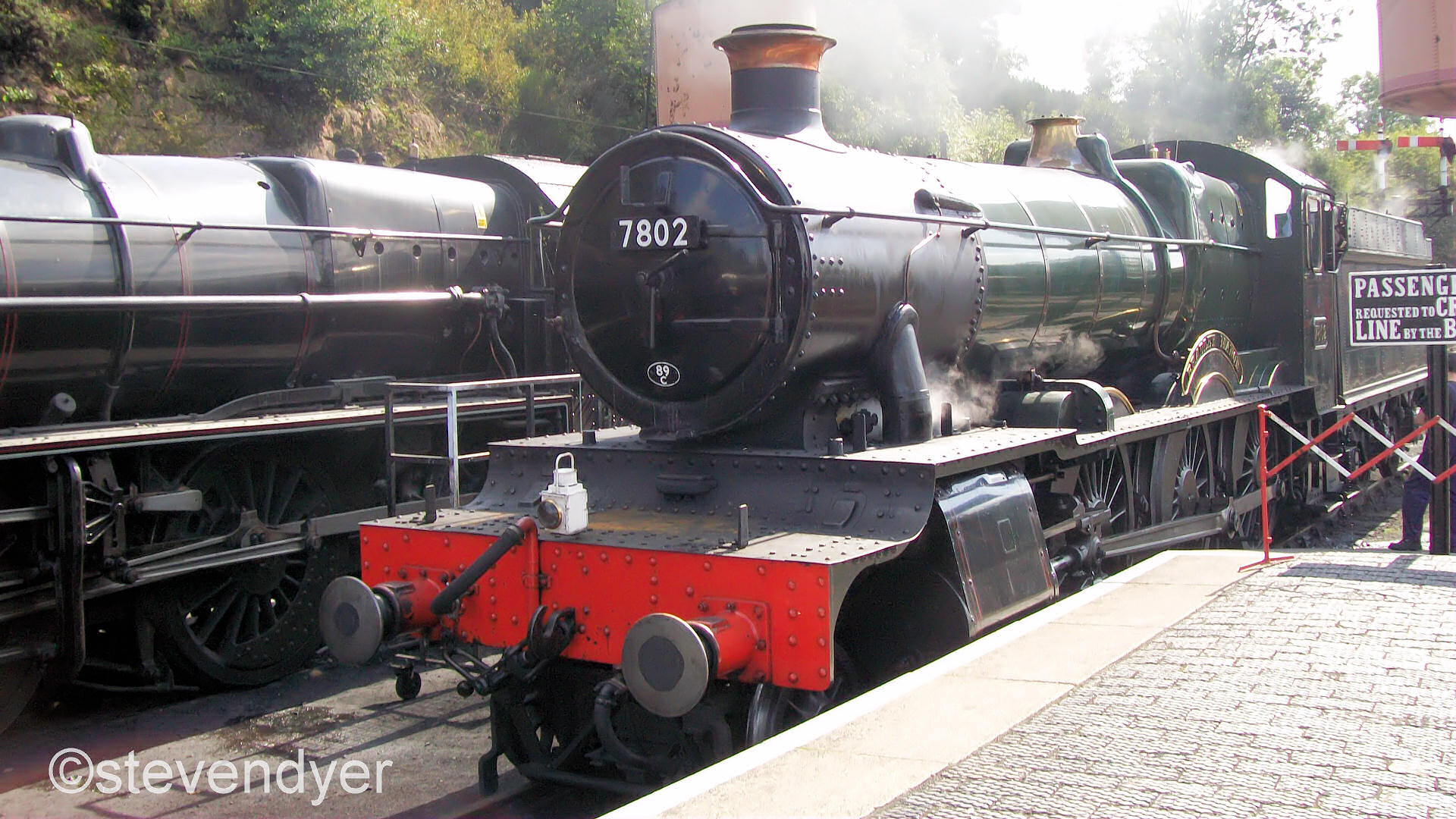
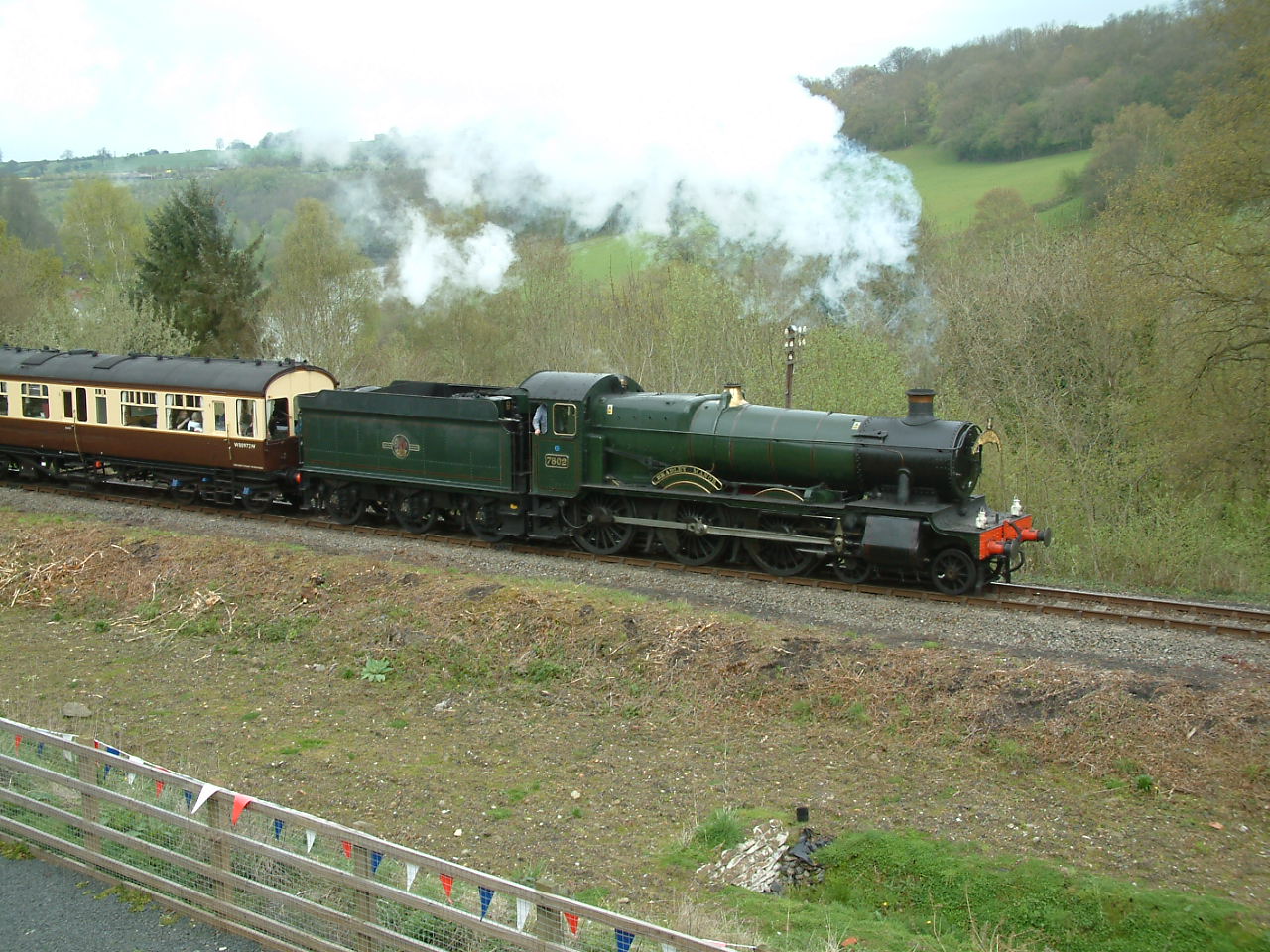
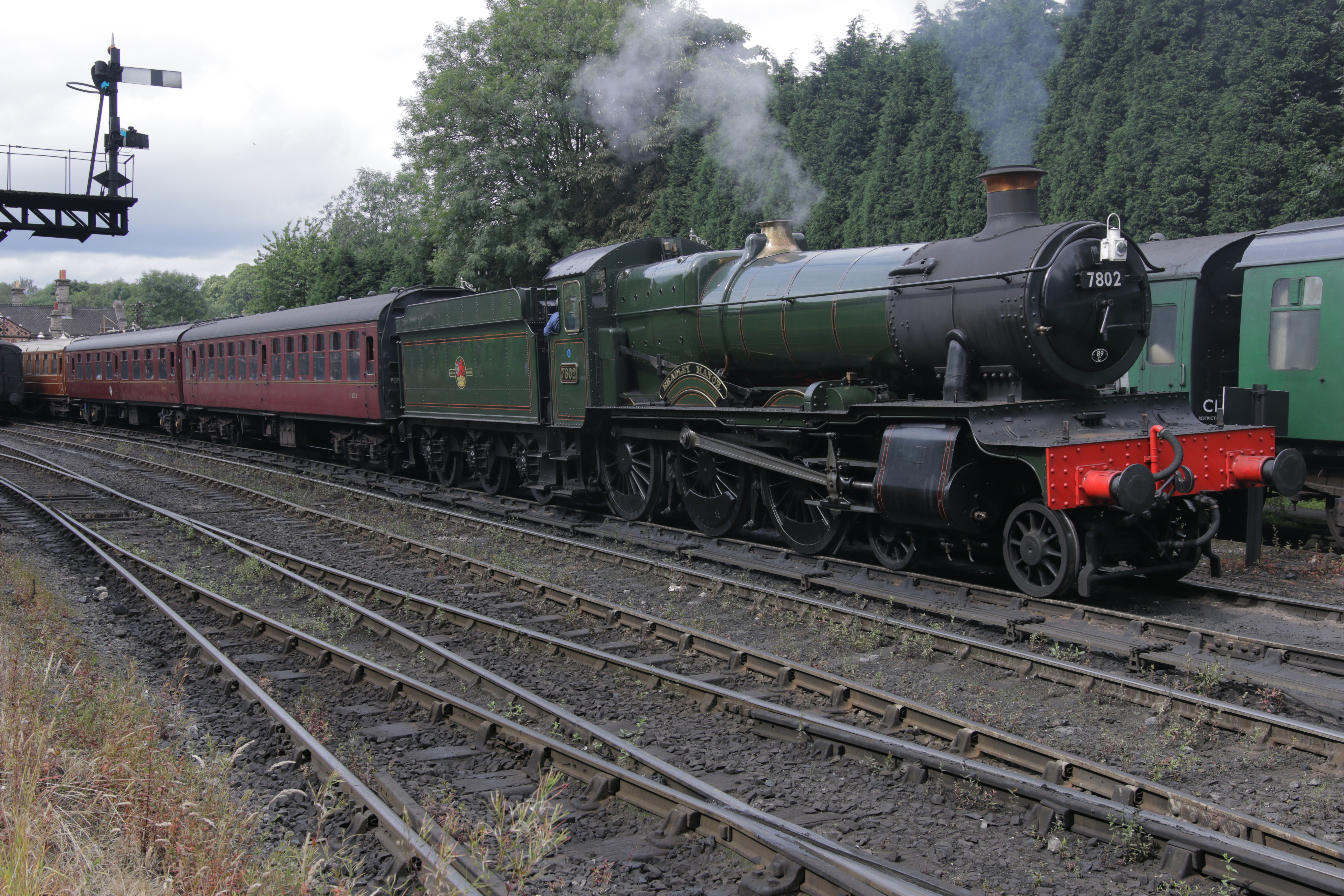
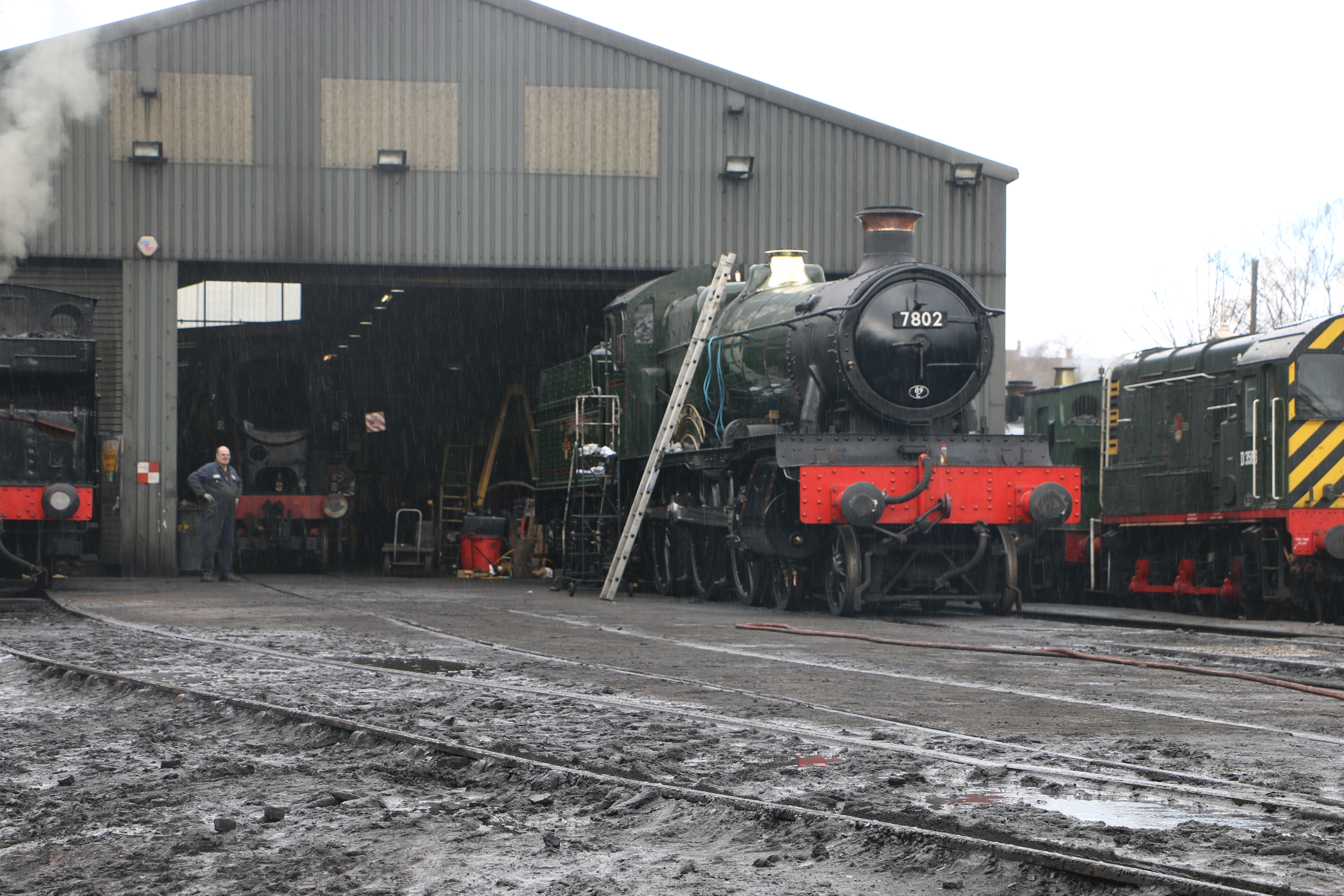
7802 Bradley Manor, completed at Swindon in February 1938. Withdrawn from BR November 1965 and privately preserved. Currently main-line registered with the Severn Valley Railway. Has been a regular main-line performer.
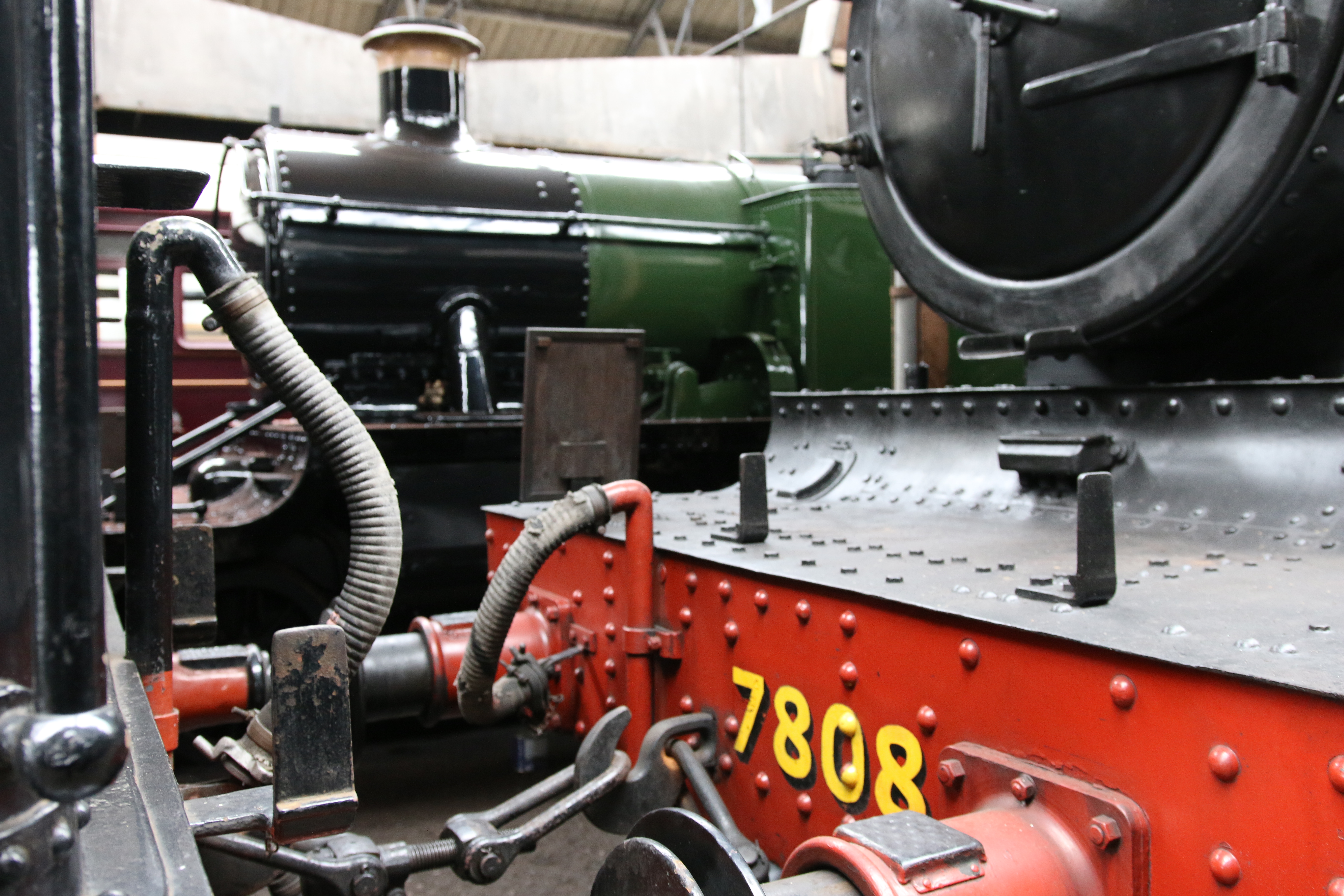
7808 Cookham Manor, completed at Swindon in March 1938. Privately preserved. Currently at the Didcot Railway Centre, working order.
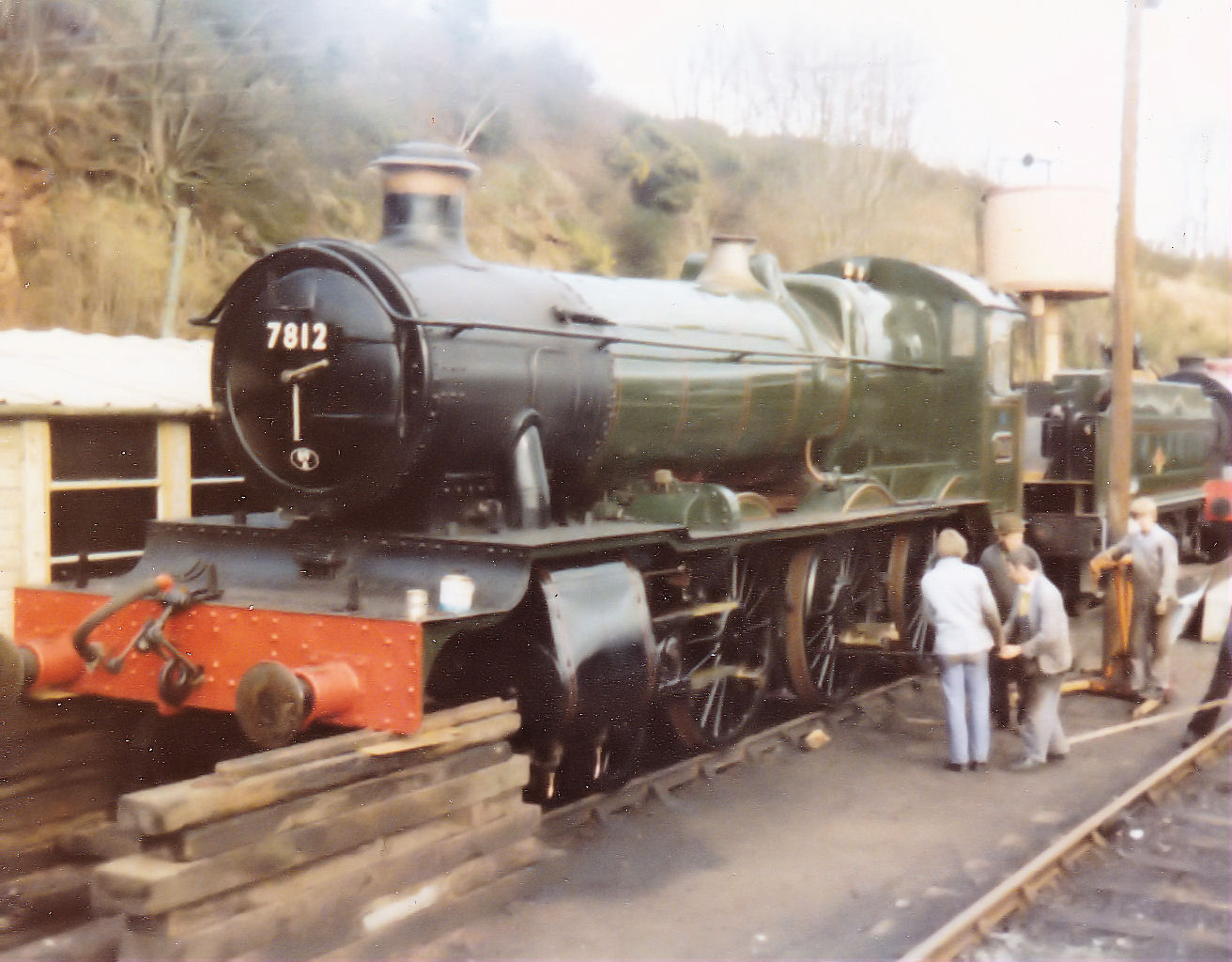
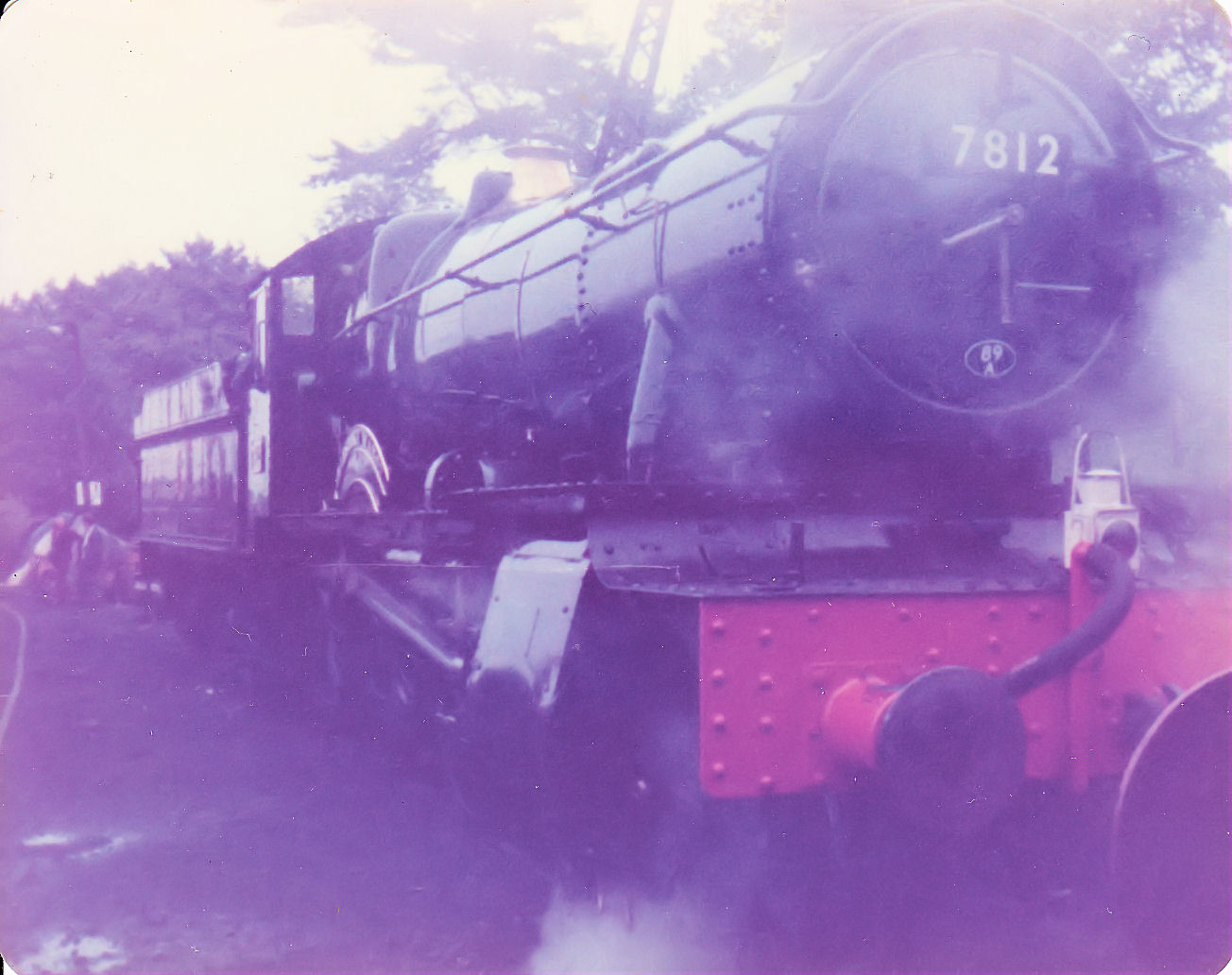
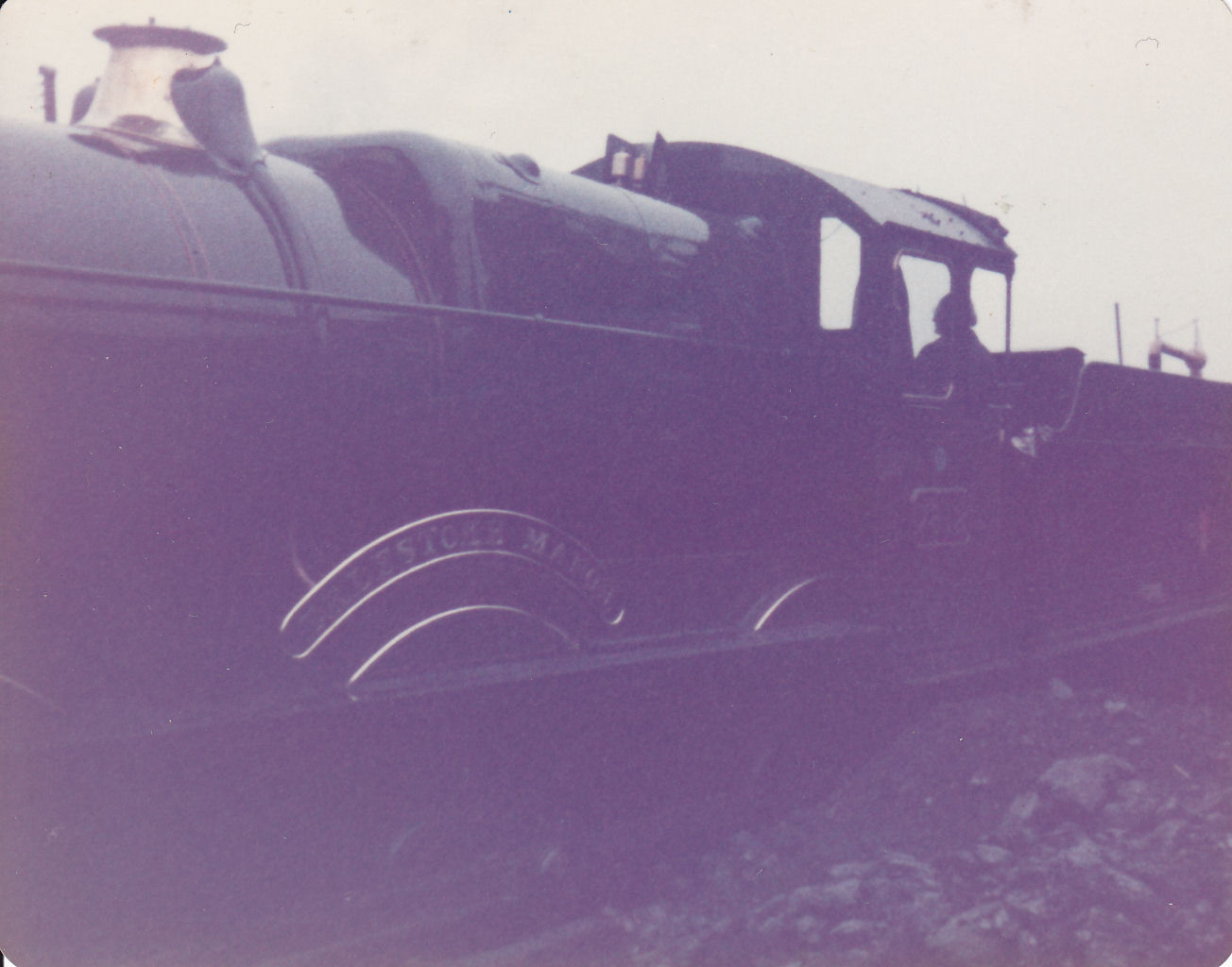
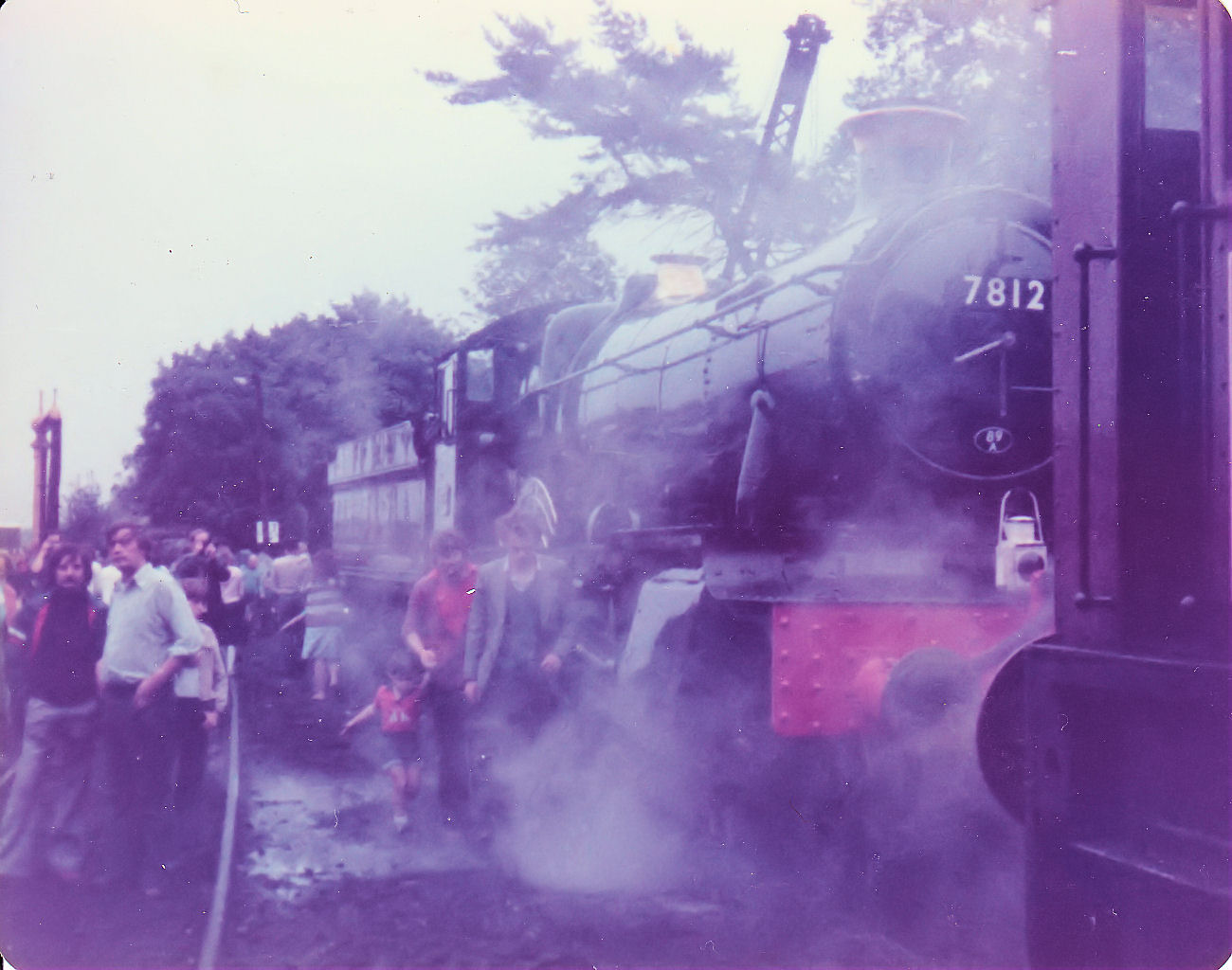
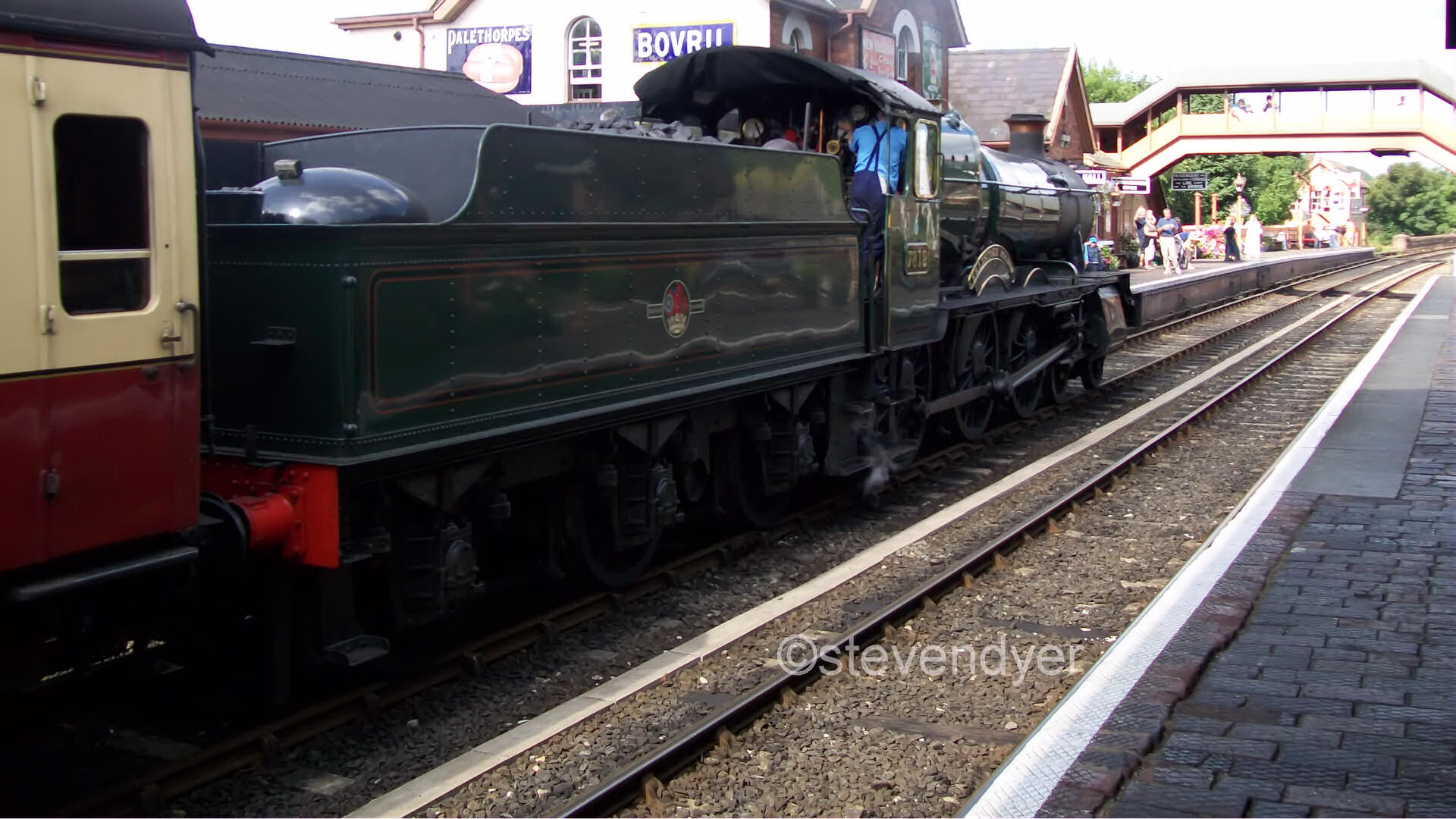
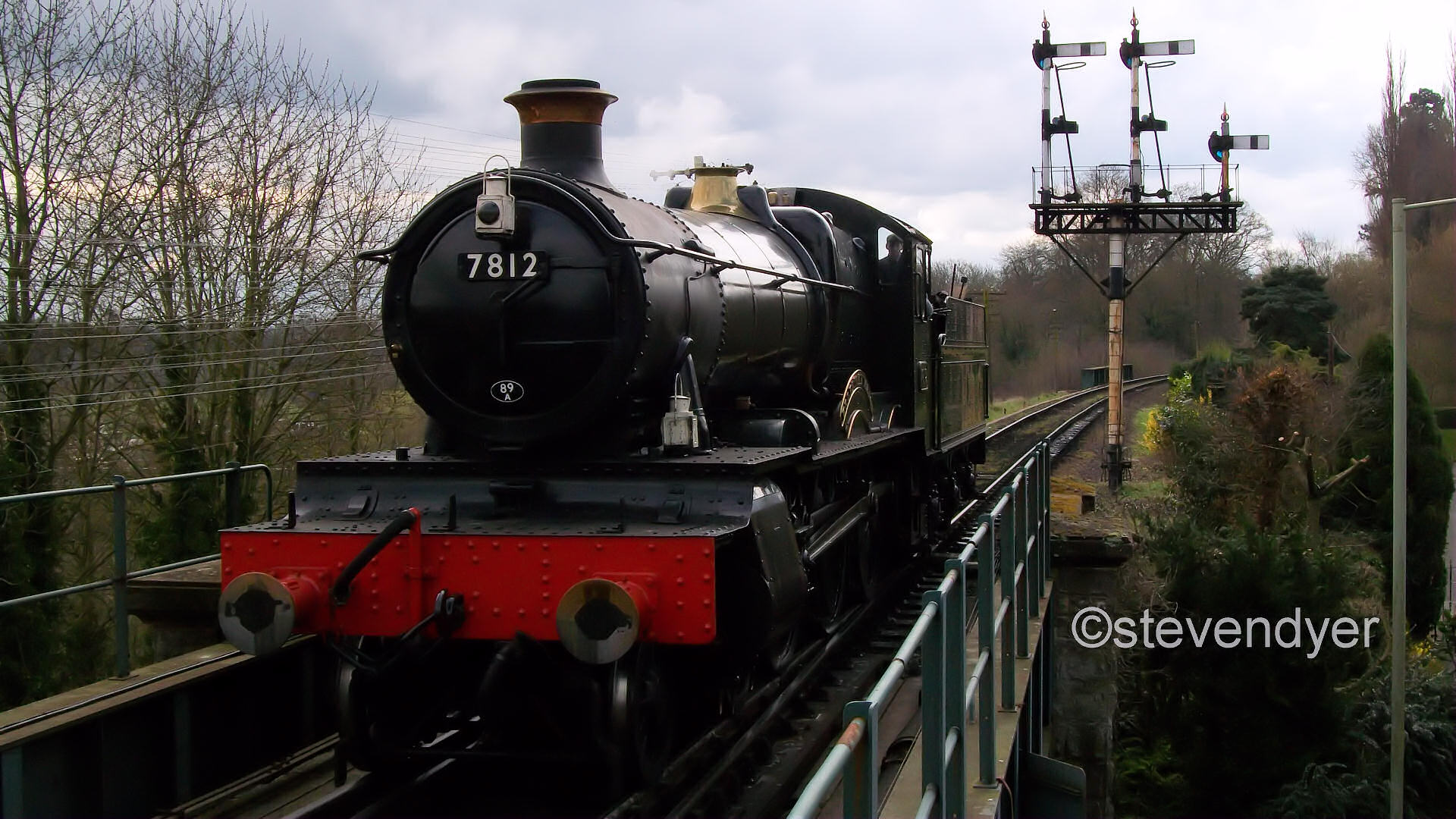
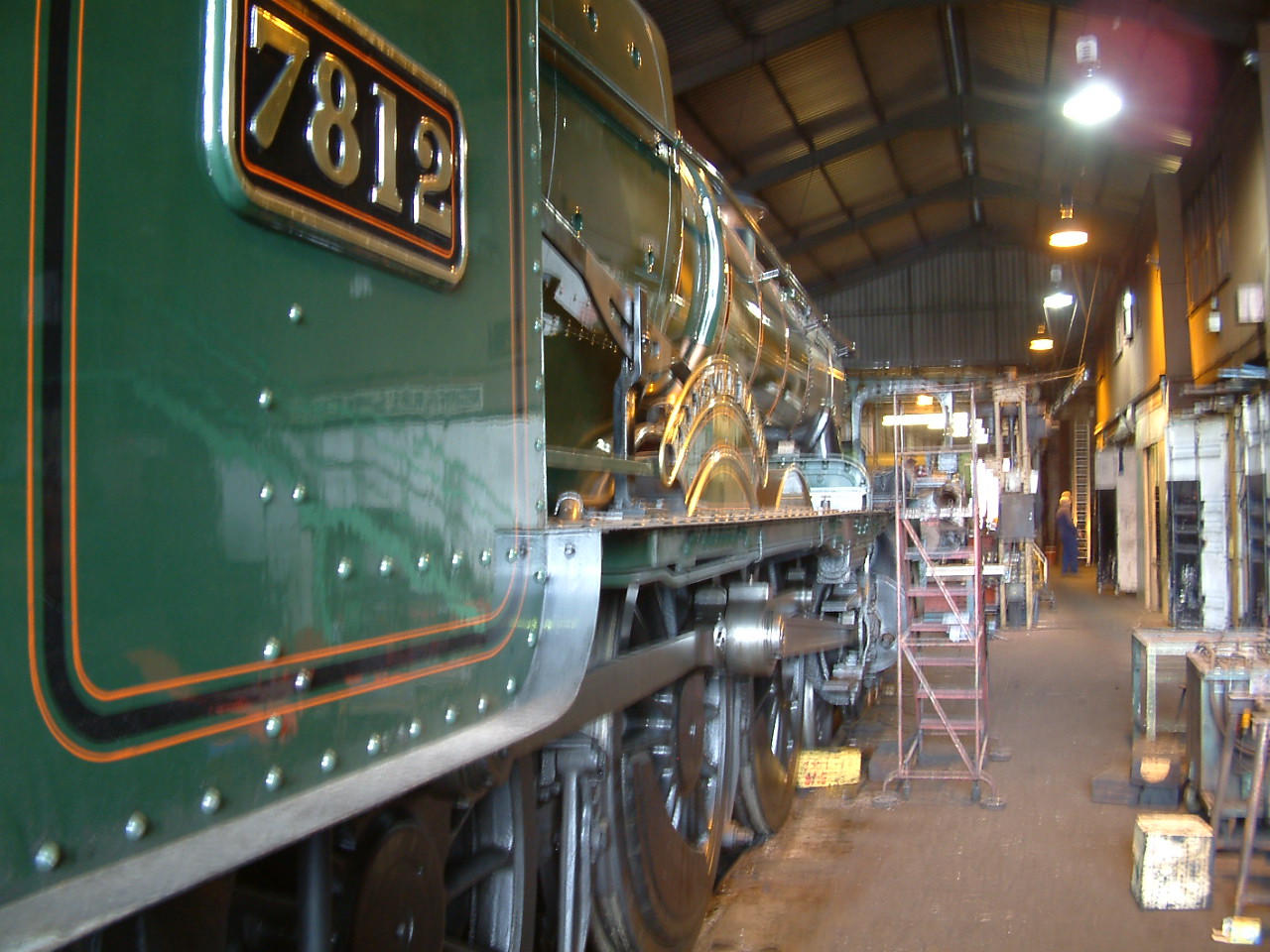
7812 Erlestoke Manor, completed at Swindon in January 1939. Privately preserved at the Severn Valley Railway, main-line registered.
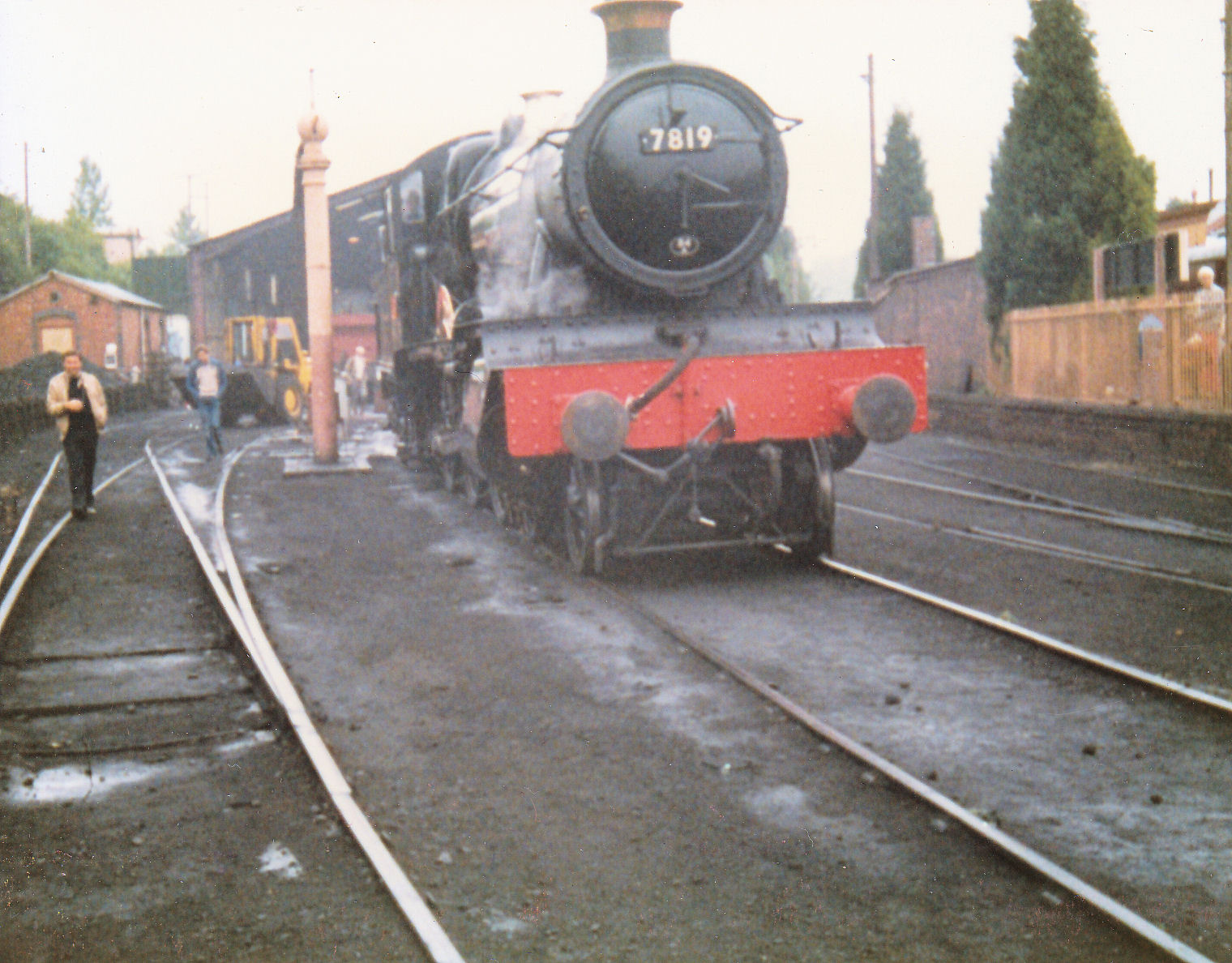
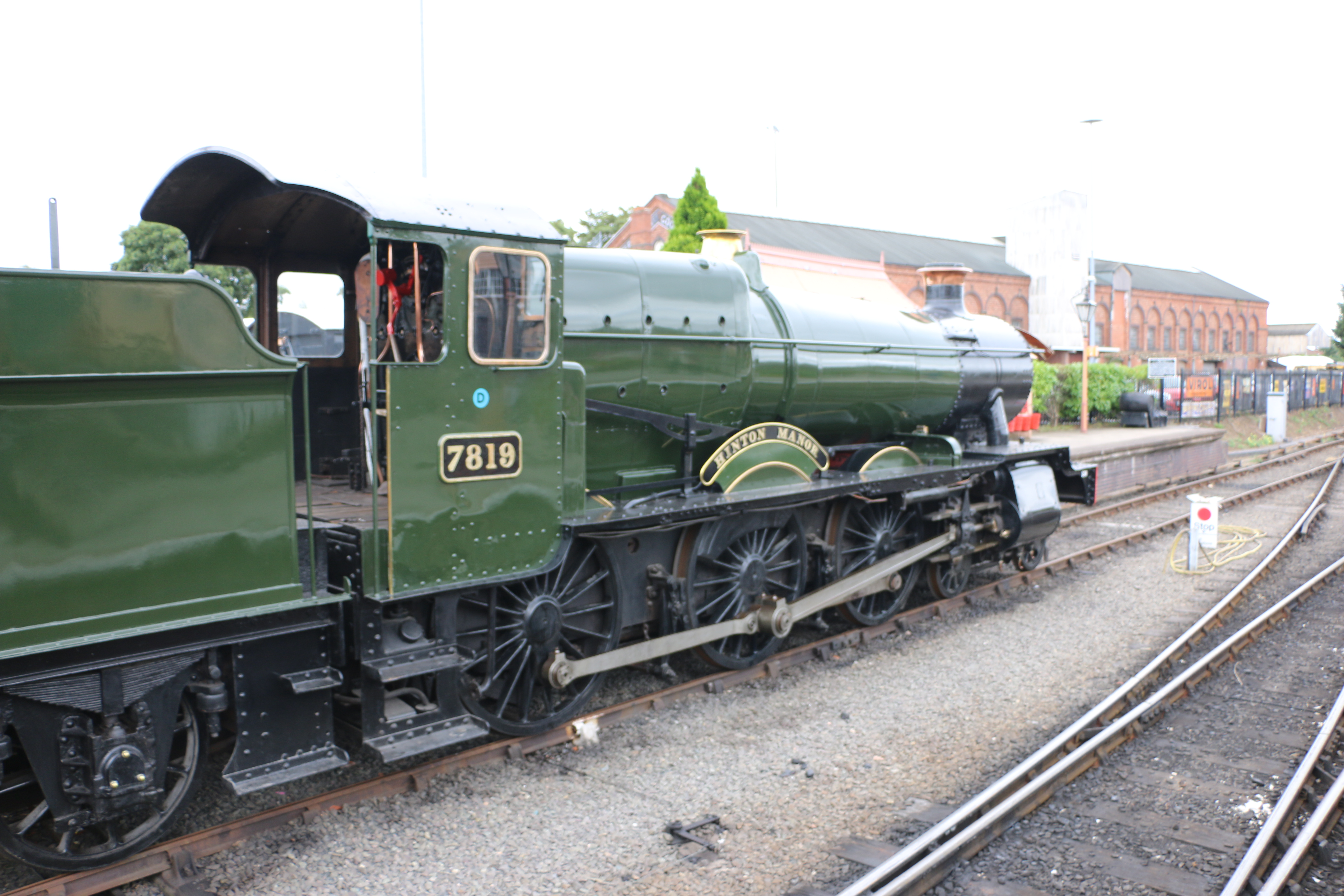
7819 Hinton Manor, completed at Swindon in February 1939. Privately preserved at the Severn Valley Railway.
7820 Dinmore Manor, the first of the post-war Hawksworth batch, completed at Swindon in November 1950. Privately preserved at the Gloucestershire Warwickshire Steam Railway, main-line registered.
7821 Ditcheat Manor, completed at Swindon in November 1950. Privately preserved.
7822 Foxcote Manor, the very last Manor in BR service, withdrawn from Shrewsbury in November 1965. Privately preserved by the Foxcote Manor Society at the Llangollen Railway. Periodically restored to working order.
7828 Odney Manor, completed at Swindon in November 1950. Privately preserved at the West Somerset Railway.
Allocations and regions
GWR era (1938–1947): the class was concentrated on the lighter cross-country routes. Major allocations included Oswestry (the Cambrian Railways main line), Reading, Worcester, and Bristol Bath Road. The Cambrian Line allocation worked the principal Wolverhampton–Aberystwyth and Wolverhampton–Pwllheli services through Welshpool, Newtown, and Machynlleth.
British Railways Western Region (1948–1965): continued at the same sheds. The class's lighter axle load made them particularly useful on the Cambrian Line, the principal route to mid-Wales, through to dieselisation in 1962. The Manors also worked the Worcester–Hereford route, the Cheltenham–Banbury cross-country line, the Reading–Basingstoke services, and various West Country routes.
Final years (1962–1965): displacement by BR diesel hydraulics (Class 22, Class 35 Hymek) and the broader retreat of GWR-design steam progressively withdrew the class. The last Manor in BR service was 7822 "Foxcote Manor", withdrawn from Shrewsbury in November 1965.
Livery history
GWR Middle Chrome Green (1938–1947): the class was outshopped in GWR Middle Chrome Green with black lining and serif "Great Western" lettering on the tender. The brass safety-valve cover, copper-capped chimney, and copper trimmings completed the characteristic GWR appearance.
British Railways Brunswick green (1948–1965): from 1948 the class wore BR-standard lined Brunswick green with the early lion-and-wheel emblem (later the late BR crest from 1956). Most Manors retained their original GWR brass nameplates throughout the BR era.
Preservation: preserved Manors have appeared in GWR Middle Chrome Green and BR Brunswick green at different periods. The Severn Valley Railway preservation group has rotated 7802 Bradley Manor and 7812 Erlestoke Manor through different liveries over the decades.
Preservation status
Nine Manor Class engines are preserved, an exceptionally good 30% survival rate for a 1960s-withdrawn class. The good rate reflects the preservation movement's active period coinciding with the class's withdrawal:
- 7802 Bradley Manor, main-line registered, Severn Valley Railway.
- 7808 Cookham Manor, Didcot Railway Centre, working order.
- 7812 Erlestoke Manor, Severn Valley Railway, main-line registered.
- 7819 Hinton Manor, Severn Valley Railway.
- 7820 Dinmore Manor, Gloucestershire Warwickshire Steam Railway, main-line registered.
- 7821 Ditcheat Manor, privately preserved.
- 7822 Foxcote Manor, Llangollen Railway, periodic working order.
- 7827 Lydham Manor, privately preserved.
- 7828 Odney Manor, West Somerset Railway, working order.
Several preserved Manors have given decades of main-line operating service. The Severn Valley Railway is a particular Manor stronghold with three preserved engines.
Photographs

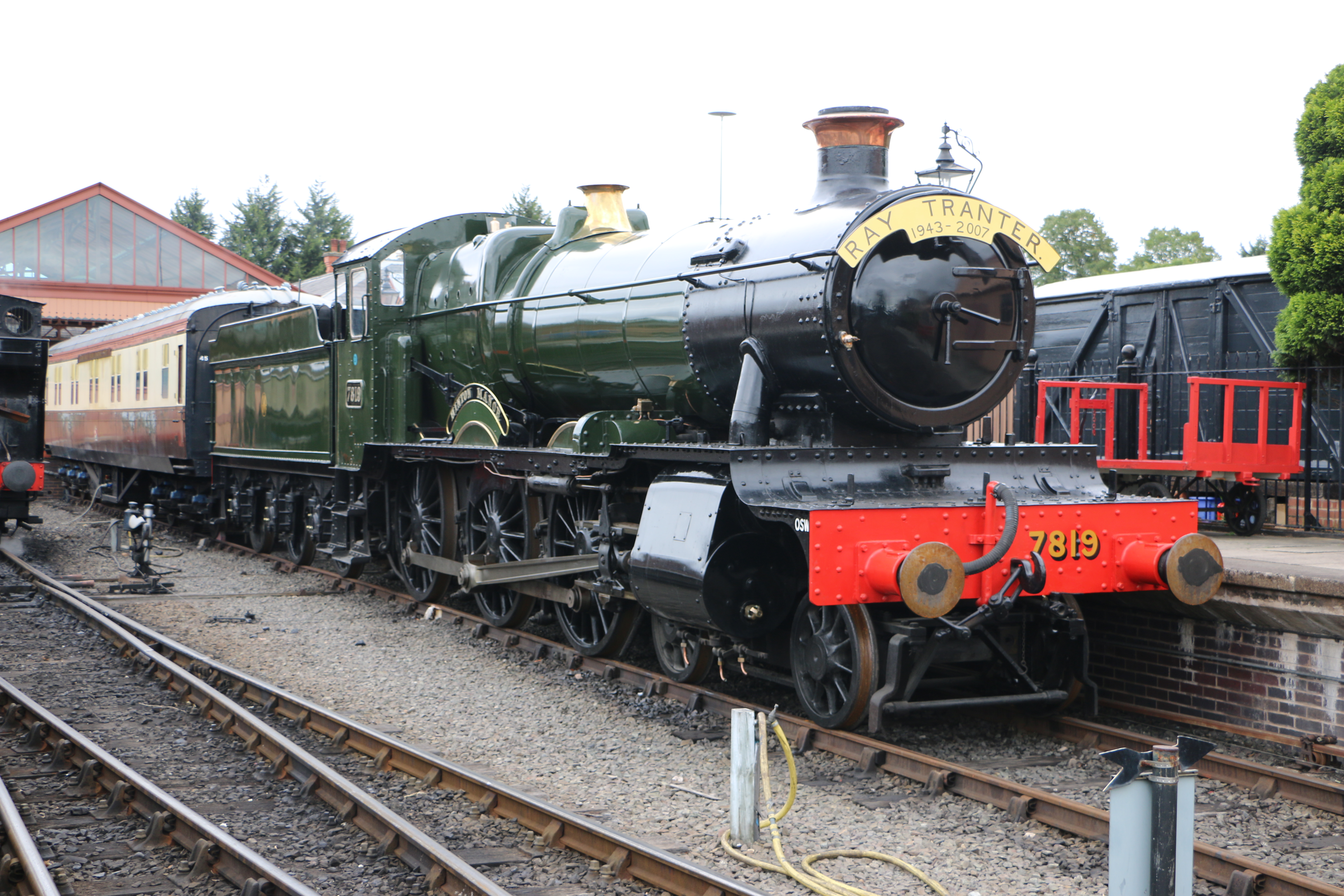
Videos

Severn valley railway 7812 Erlestoke Manor leaving Arley on the goods train
56 views

Severn valley railway 19th September 2025 autumn steam gala bradley manor heading up Erdington bank
19 views

Gloucestershire and Warwickshire railway dinmore Manor and foremarke Hall 26th may 2024
4 views

Svr friday 17th April 2026 bradley manor leaving bridgenorth
Severn valley railway spring steam gala 2025 7802 bradley manor.
331 views

