GWR 5700 Class
The GWR 5700 Class was Charles Collett's standard GWR pannier tank, the second-most-numerous British steam class ever built (after the LMS Stanier Black Five). Eight hundred and sixty-three engines were built between 1929 and 1950, principally at Swindon Works but with substantial contracted production by Armstrong Whitworth, Beyer Peacock, the North British Locomotive Company, W. G. Bagnall, Kerr Stuart, and the Yorkshire Engine Company.
The pannier-tank arrangement was a GWR speciality. Rather than the wraparound saddle tanks of older engines, the panniers hang from the boiler on either side as separate tanks joined by a saddle over the boiler, giving good water capacity within the GWR loading gauge while keeping the centre of gravity low. Combined with 4 ft 7½ in driving wheels, a 200 psi Belpaire-firebox boiler, and 17 × 24 in cylinders driving the central coupled axle, the 5700 was a substantially modern small tank engine.
The first engine, No. 5700, was completed at Swindon in May 1929. Production continued in successive batches through 1933, then resumed in 1938 (the 8700 series), 1945 (the 9600 series), and 1949–1950 (the late post-war batches). The 9600 series were marginally more powerful for trip-working duties; the 9700 series were condensing engines for the Metropolitan Widened Lines and the Smithfield meat market traffic, among the few British engines designed for true urban-tunnel operation. By 1950 some 863 engines had been built, making the class the principal British example of a single steam class produced in numbers approaching American-style heavy-industrial production.
The 5700s were the universal GWR small-tank engine from 1929 onwards and the universal BR Western Region small-tank engine from 1948. The class worked station pilot duties at every major GWR station, branch-line passenger and freight on virtually every GWR branch, station shunting and trip working in goods yards, parcels and mail, and short-haul mineral traffic.
From 1956 onwards London Transport purchased 12 engines for use on Metropolitan Line engineering trains, the LT pannier tanks gave a remarkable extension to the class's working life, with the last LT pannier in regular service running in June 1971 (among the very last steam locomotives in regular industrial service in Britain). The class was progressively withdrawn from BR service from 1959 as diesel shunters arrived. The last BR Western Region 5700 was withdrawn from Croes Newydd in November 1966.
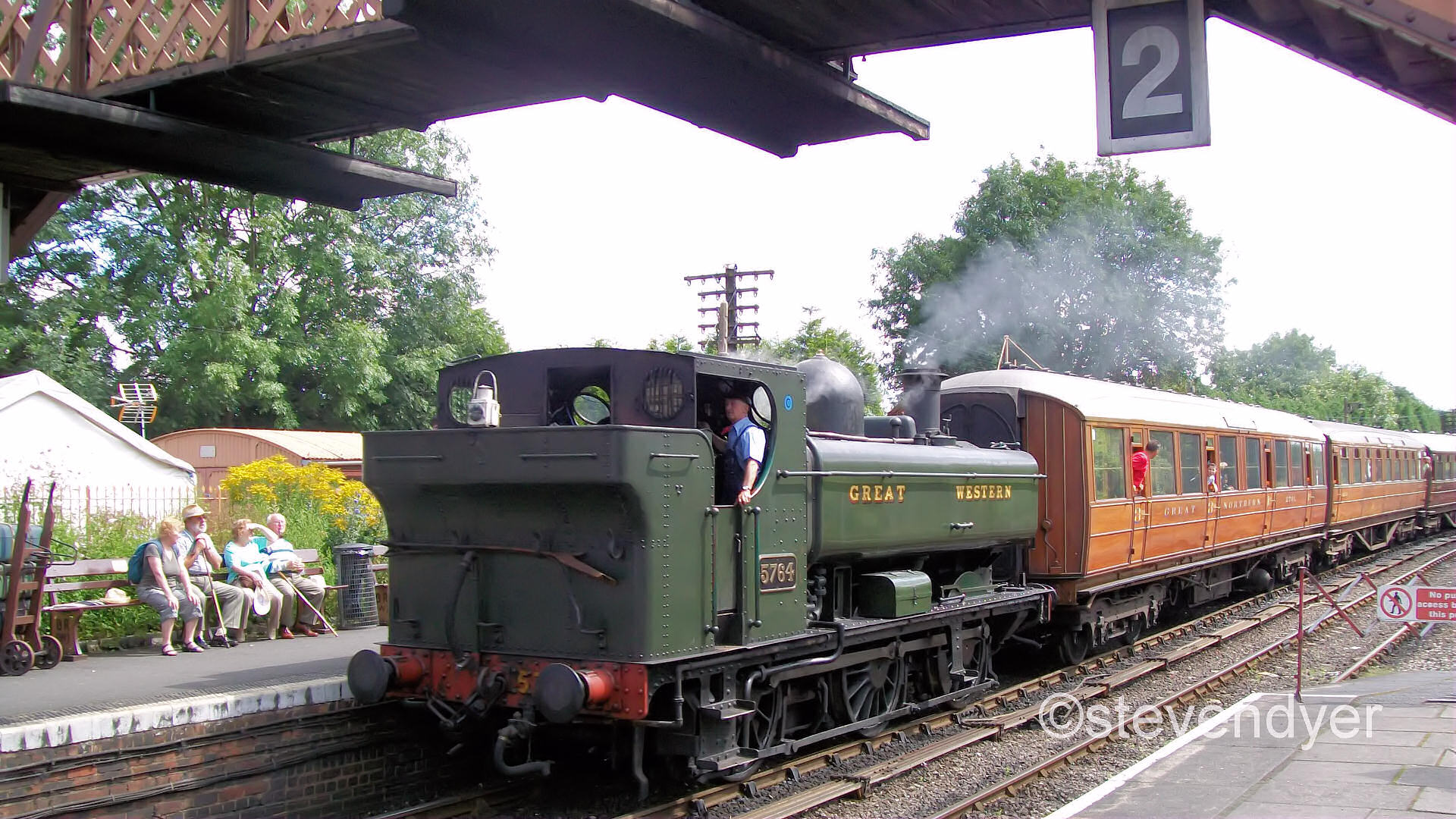
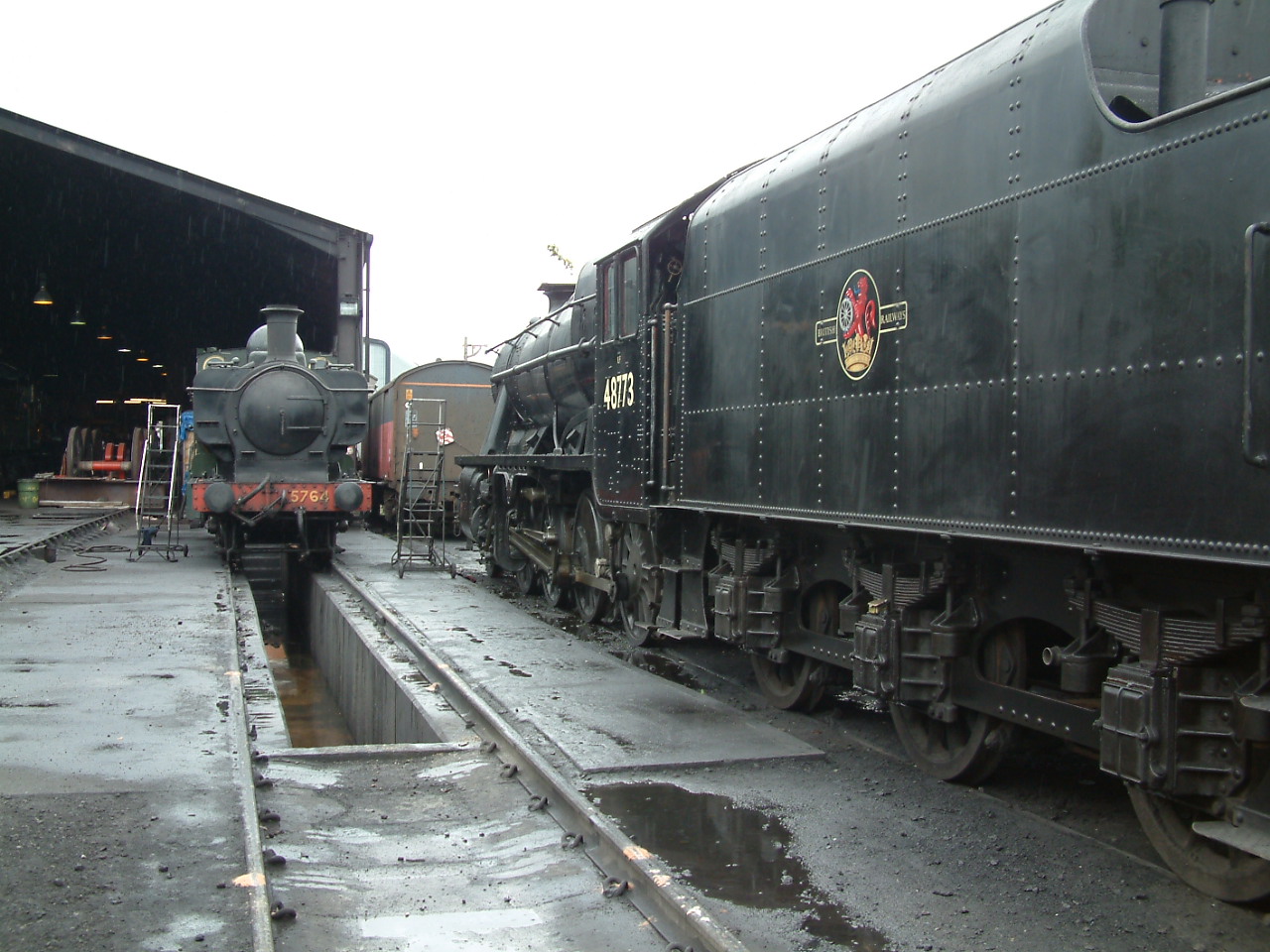
Sixteen 5700 Class engines are preserved, the largest preserved population of any British tank engine class. Notable examples include 3738 (Didcot Railway Centre, working order), 5764 (Severn Valley Railway, working order), 5775 (Keighley & Worth Valley, famous from the 1970 film "The Railway Children"), 6412 (South Devon Railway, working order), and 7752 (one of the LT survivors, currently main-line registered at Tyseley). Several preserved 5700s have given decades of working service on heritage railways.
Design and development
By 1928 the Great Western Railway was in process of replacing its older saddle-tank shunting and branch engines (notably the 850 Class and 1854 Class). Charles Collett designed the 5700 Class as the modern GWR standard pannier tank, a clean-sheet design incorporating all the GWR's standard practices.
The pannier-tank arrangement was a GWR speciality. Rather than the wraparound saddle tanks of older engines, the panniers hang from the boiler on either side as separate tanks joined by a saddle over the boiler. This arrangement gave good water capacity within the GWR loading gauge while keeping the centre of gravity low. Combined with a 4 ft 7½ in driving wheel, 200 psi Belpaire-firebox boiler, and 17 × 24 in cylinders, the 5700 was a substantially modern small tank engine.
The first engine, No. 5700, was completed at Swindon Works in May 1929. Production at Swindon was slow because of competing demands; from 1930 onwards substantial sub-contracted production was directed to private builders, Armstrong Whitworth (Newcastle), Beyer Peacock (Manchester), the North British Locomotive Company (Glasgow), W. G. Bagnall (Stafford), Kerr Stuart (Stoke-on-Trent), and the Yorkshire Engine Company (Sheffield) all contributed batches.
Production continued in successive batches through 1933, then resumed in 1938 (the 8700 series), 1945 (the 9600 series), and 1949–1950 (the late post-war batches). By 1950 some 863 engines had been built, making the 5700 the second-most-numerous British steam class after the LMS Stanier Black Five. The class was the principal British example of a single steam class produced in numbers approaching American-style heavy-industrial production.
Service and withdrawals
The 5700s were the universal GWR small-tank engine from 1929 onwards and the universal BR Western Region small-tank engine from 1948. The class worked station pilot duties at every major GWR station, branch-line passenger and freight on virtually every GWR branch, station shunting and trip working in goods yards, parcels and mail, and short-haul mineral traffic. The 9700 condensing series specifically worked the Metropolitan Widened Lines into Smithfield meat market, among the few British engines designed for true urban-tunnel operation.
British Railways inherited approximately 700 engines in 1948 (some early examples having been withdrawn through the 1940s). The class continued in BR service through the 1950s and 1960s, supplemented by the few late-1940s engines that BR completed.
From 1956 onwards London Transport purchased 12 engines for use on Metropolitan Line engineering trains, the LT pannier tanks gave a remarkable extension to the class's working life, with the last LT pannier in regular service ran in June 1971.
The class was progressively withdrawn from BR service from 1959 onwards as diesel shunters (Class 03/04) and Type 1/2 diesels arrived. The last BR Western Region 5700 was withdrawn from Croes Newydd in November 1966, but several London Transport engines worked on for another five years.
Identification features
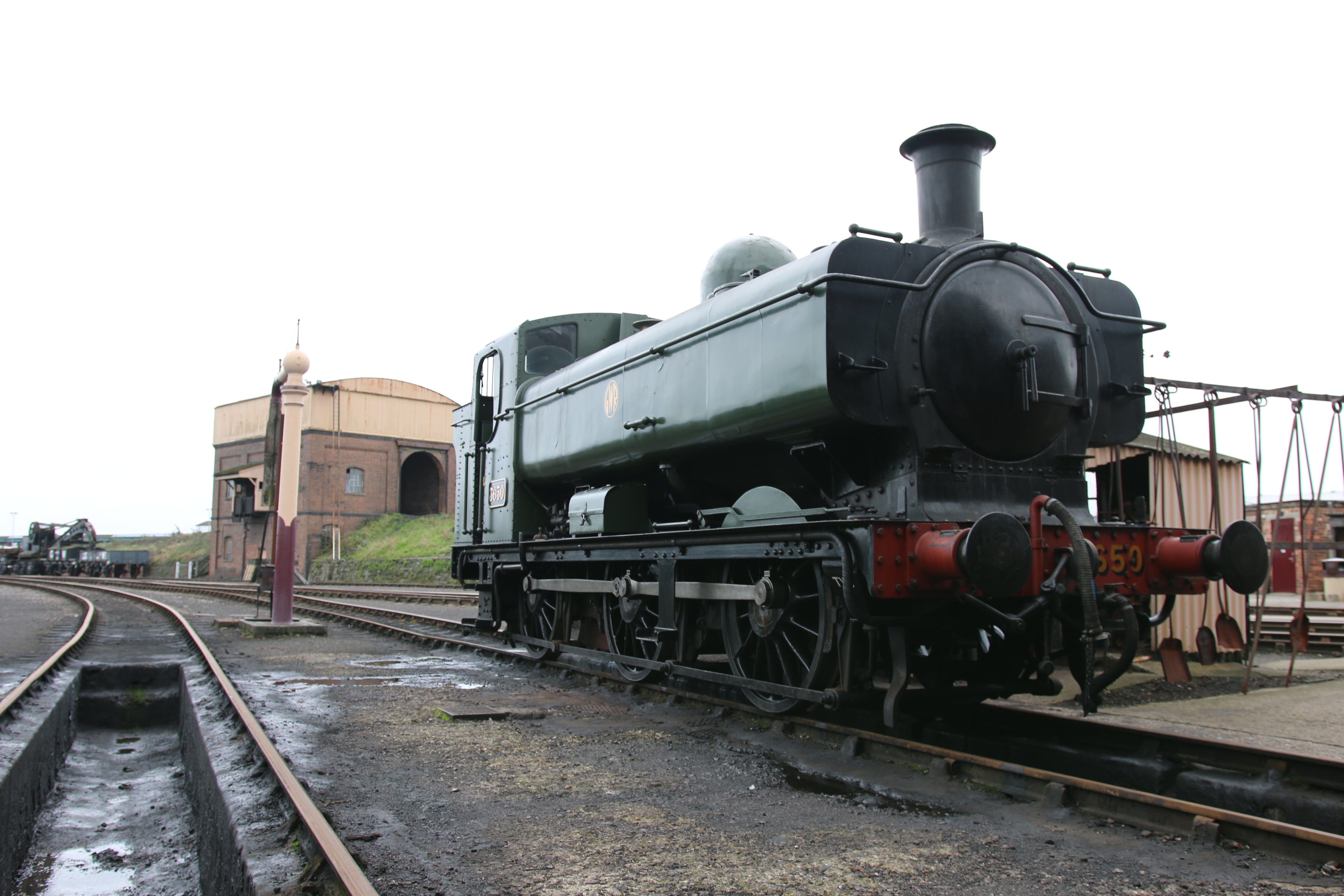
The classic GWR pannier-tank outline. Two large rectangular pannier tanks hang from the boiler on either side, joined by a saddle over the boiler, distinct from the wraparound saddle tanks of older designs. Single tall chimney with copper cap (a GWR trademark). Belpaire firebox with brass safety-valve cover. Modest cab with side windows. The whole engine has a chunky, business-like appearance, utterly characteristic of Great Western practice. The 9700 series can be distinguished by the condensing arrangement (tubes from cylinders to side tanks for steam re-condensation) used on the Metropolitan Widened Lines.
Numbers and names
5700–5799the original series
- 5700
- 5701
- 5702
- 5703
- 5704
- 5705
- 5706
- 5707
- 5708
- 5709
- 5710
- 5711
- 5712
- 5713
- 5714
- 5715
- 5716
- 5717
- 5718
- 5719
- 5720
- 5721
- 5722
- 5723
- 5724
- 5725
- 5726
- 5727
- 5728
- 5729
- 5730
- 5731
- 5732
- 5733
- 5734
- 5735
- 5736
- 5737
- 5738
- 5739
- 5740
- 5741
- 5742
- 5743
- 5744
- 5745
- 5746
- 5747
- 5748
- 5749
- 5750
- 5751
- 5752
- 5753
- 5754
- 5755
- 5756
- 5757
- 5758
- 5759
- 5760
- 5761
- 5762
- 5763
- 5764
- 5765
- 5766
- 5767
- 5768
- 5769
- 5770
- 5771
- 5772
- 5773
- 5774
- 5775
- 5776
- 5777
- 5778
- 5779
- 5780
- 5781
- 5782
- 5783
- 5784
- 5785
- 5786
- 5787
- 5788
- 5789
- 5790
- 5791
- 5792
- 5793
- 5794
- 5795
- 5796
- 5797
- 5798
- 5799
6700–6779
- 6700
- 6701
- 6702
- 6703
- 6704
- 6705
- 6706
- 6707
- 6708
- 6709
- 6710
- 6711
- 6712
- 6713
- 6714
- 6715
- 6716
- 6717
- 6718
- 6719
- 6720
- 6721
- 6722
- 6723
- 6724
- 6725
- 6726
- 6727
- 6728
- 6729
- 6730
- 6731
- 6732
- 6733
- 6734
- 6735
- 6736
- 6737
- 6738
- 6739
- 6740
- 6741
- 6742
- 6743
- 6744
- 6745
- 6746
- 6747
- 6748
- 6749
- 6750
- 6751
- 6752
- 6753
- 6754
- 6755
- 6756
- 6757
- 6758
- 6759
- 6760
- 6761
- 6762
- 6763
- 6764
- 6765
- 6766
- 6767
- 6768
- 6769
- 6770
- 6771
- 6772
- 6773
- 6774
- 6775
- 6776
- 6777
- 6778
- 6779
7700–7799
- 7700
- 7701
- 7702
- 7703
- 7704
- 7705
- 7706
- 7707
- 7708
- 7709
- 7710
- 7711
- 7712
- 7713
- 7714
- 7715
- 7716
- 7717
- 7718
- 7719
- 7720
- 7721
- 7722
- 7723
- 7724
- 7725
- 7726
- 7727
- 7728
- 7729
- 7730
- 7731
- 7732
- 7733
- 7734
- 7735
- 7736
- 7737
- 7738
- 7739
- 7740
- 7741
- 7742
- 7743
- 7744
- 7745
- 7746
- 7747
- 7748
- 7749
- 7750
- 7751
- 7752
- 7753
- 7754
- 7755
- 7756
- 7757
- 7758
- 7759
- 7760
- 7761
- 7762
- 7763
- 7764
- 7765
- 7766
- 7767
- 7768
- 7769
- 7770
- 7771
- 7772
- 7773
- 7774
- 7775
- 7776
- 7777
- 7778
- 7779
- 7780
- 7781
- 7782
- 7783
- 7784
- 7785
- 7786
- 7787
- 7788
- 7789
- 7790
- 7791
- 7792
- 7793
- 7794
- 7795
- 7796
- 7797
- 7798
- 7799
8700–8799
- 8700
- 8701
- 8702
- 8703
- 8704
- 8705
- 8706
- 8707
- 8708
- 8709
- 8710
- 8711
- 8712
- 8713
- 8714
- 8715
- 8716
- 8717
- 8718
- 8719
- 8720
- 8721
- 8722
- 8723
- 8724
- 8725
- 8726
- 8727
- 8728
- 8729
- 8730
- 8731
- 8732
- 8733
- 8734
- 8735
- 8736
- 8737
- 8738
- 8739
- 8740
- 8741
- 8742
- 8743
- 8744
- 8745
- 8746
- 8747
- 8748
- 8749
- 8750
- 8751
- 8752
- 8753
- 8754
- 8755
- 8756
- 8757
- 8758
- 8759
- 8760
- 8761
- 8762
- 8763
- 8764
- 8765
- 8766
- 8767
- 8768
- 8769
- 8770
- 8771
- 8772
- 8773
- 8774
- 8775
- 8776
- 8777
- 8778
- 8779
- 8780
- 8781
- 8782
- 8783
- 8784
- 8785
- 8786
- 8787
- 8788
- 8789
- 8790
- 8791
- 8792
- 8793
- 8794
- 8795
- 8796
- 8797
- 8798
- 8799
9600–9682
- 9600
- 9601
- 9602
- 9603
- 9604
- 9605
- 9606
- 9607
- 9608
- 9609
- 9610
- 9611
- 9612
- 9613
- 9614
- 9615
- 9616
- 9617
- 9618
- 9619
- 9620
- 9621
- 9622
- 9623
- 9624
- 9625
- 9626
- 9627
- 9628
- 9629
- 9630
- 9631
- 9632
- 9633
- 9634
- 9635
- 9636
- 9637
- 9638
- 9639
- 9640
- 9641
- 9642
- 9643
- 9644
- 9645
- 9646
- 9647
- 9648
- 9649
- 9650
- 9651
- 9652
- 9653
- 9654
- 9655
- 9656
- 9657
- 9658
- 9659
- 9660
- 9661
- 9662
- 9663
- 9664
- 9665
- 9666
- 9667
- 9668
- 9669
- 9670
- 9671
- 9672
- 9673
- 9674
- 9675
- 9676
- 9677
- 9678
- 9679
- 9680
- 9681
- 9682
9700–9799
- 9700
- 9701
- 9702
- 9703
- 9704
- 9705
- 9706
- 9707
- 9708
- 9709
- 9710
- 9711
- 9712
- 9713
- 9714
- 9715
- 9716
- 9717
- 9718
- 9719
- 9720
- 9721
- 9722
- 9723
- 9724
- 9725
- 9726
- 9727
- 9728
- 9729
- 9730
- 9731
- 9732
- 9733
- 9734
- 9735
- 9736
- 9737
- 9738
- 9739
- 9740
- 9741
- 9742
- 9743
- 9744
- 9745
- 9746
- 9747
- 9748
- 9749
- 9750
- 9751
- 9752
- 9753
- 9754
- 9755
- 9756
- 9757
- 9758
- 9759
- 9760
- 9761
- 9762
- 9763
- 9764
- 9765
- 9766
- 9767
- 9768
- 9769
- 9770
- 9771
- 9772
- 9773
- 9774
- 9775
- 9776
- 9777
- 9778
- 9779
- 9780
- 9781
- 9782
- 9783
- 9784
- 9785
- 9786
- 9787
- 9788
- 9789
- 9790
- 9791
- 9792
- 9793
- 9794
- 9795
- 9796
- 9797
- 9798
- 9799
3600–3699
- 3600
- 3601
- 3602
- 3603
- 3604
- 3605
- 3606
- 3607
- 3608
- 3609
- 3610
- 3611
- 3612
- 3613
- 3614
- 3615
- 3616
- 3617
- 3618
- 3619
- 3620
- 3621
- 3622
- 3623
- 3624
- 3625
- 3626
- 3627
- 3628
- 3629
- 3630
- 3631
- 3632
- 3633
- 3634
- 3635
- 3636
- 3637
- 3638
- 3639
- 3640
- 3641
- 3642
- 3643
- 3644
- 3645
- 3646
- 3647
- 3648
- 3649
- 3650
- 3651
- 3652
- 3653
- 3654
- 3655
- 3656
- 3657
- 3658
- 3659
- 3660
- 3661
- 3662
- 3663
- 3664
- 3665
- 3666
- 3667
- 3668
- 3669
- 3670
- 3671
- 3672
- 3673
- 3674
- 3675
- 3676
- 3677
- 3678
- 3679
- 3680
- 3681
- 3682
- 3683
- 3684
- 3685
- 3686
- 3687
- 3688
- 3689
- 3690
- 3691
- 3692
- 3693
- 3694
- 3695
- 3696
- 3697
- 3698
- 3699
GWR Nos 5700–5799 (the original 1929–1933 series), 6700–6779 (1930), 7700–7799 (1930–1950), 8700–8799 (1933), 9600–9682 (1945–1949), 9700–9799 (1933), and 3600–3699 (1938–1939). The 9600 series were marginally more powerful "tank-sized" engines for trip-working duties; the 9700 series were condensing engines for the Metropolitan Widened Lines and Smithfield meat market traffic. British Railways added 30000 (BR Western Region) prefix to give 56xx, 67xx, etc.
Notable locomotives
5700, the class prototype, completed at Swindon Works in May 1929. The first of 863 engines and the engine that established the design. Withdrawn from BR August 1962 and broken up.
7752, built by North British Locomotive Company in 1930. Sold to London Transport in 1958 (becoming LT L94). Withdrawn from LT service June 1969 and privately preserved. Currently main-line registered at the Birmingham Railway Museum, Tyseley.
L99 (originally GWR 7715, BR 7715), sold to London Transport 1958 and renumbered. Worked Metropolitan Line engineering trains until 1969. Privately preserved, currently at the South Devon Railway.
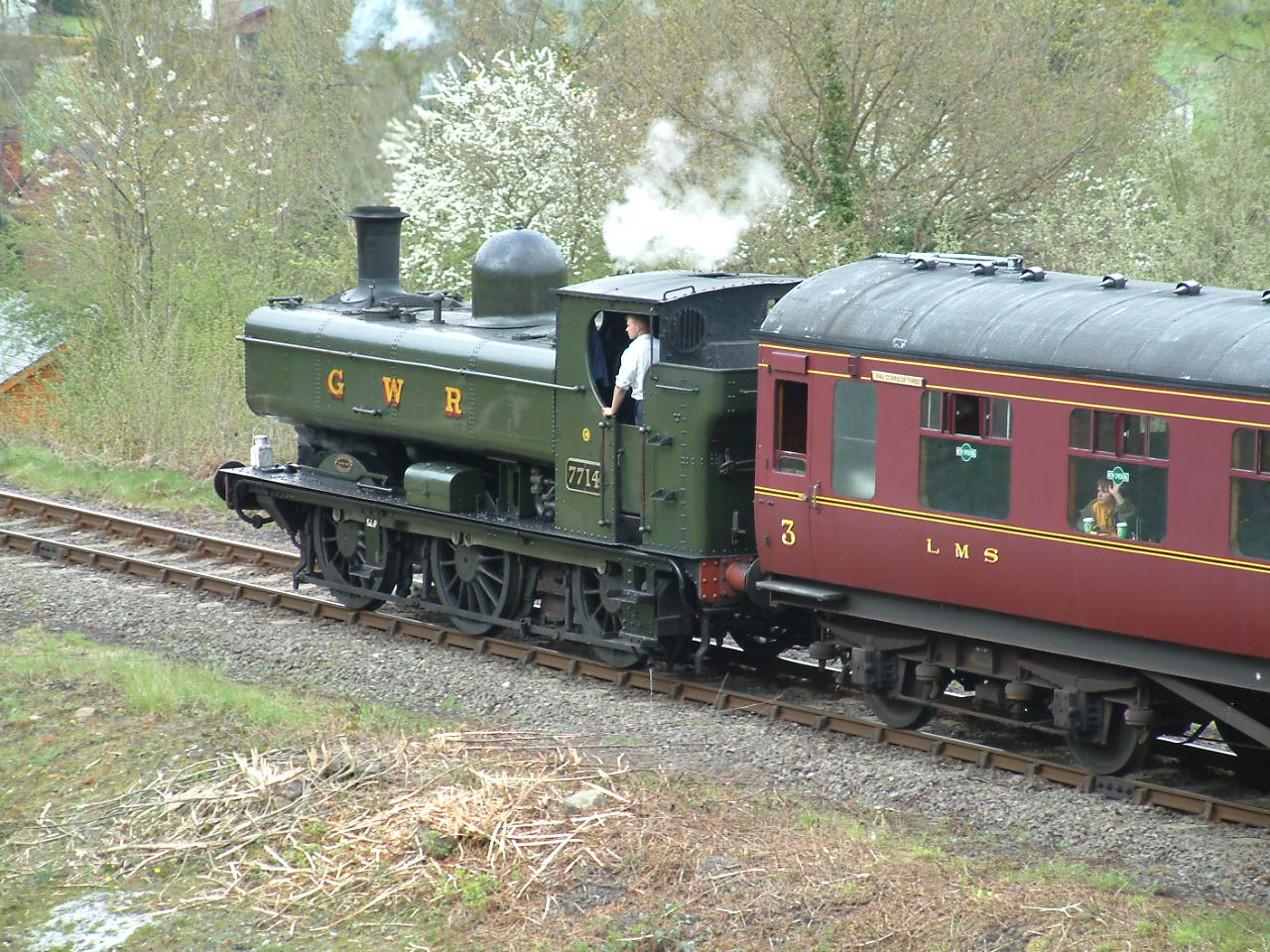
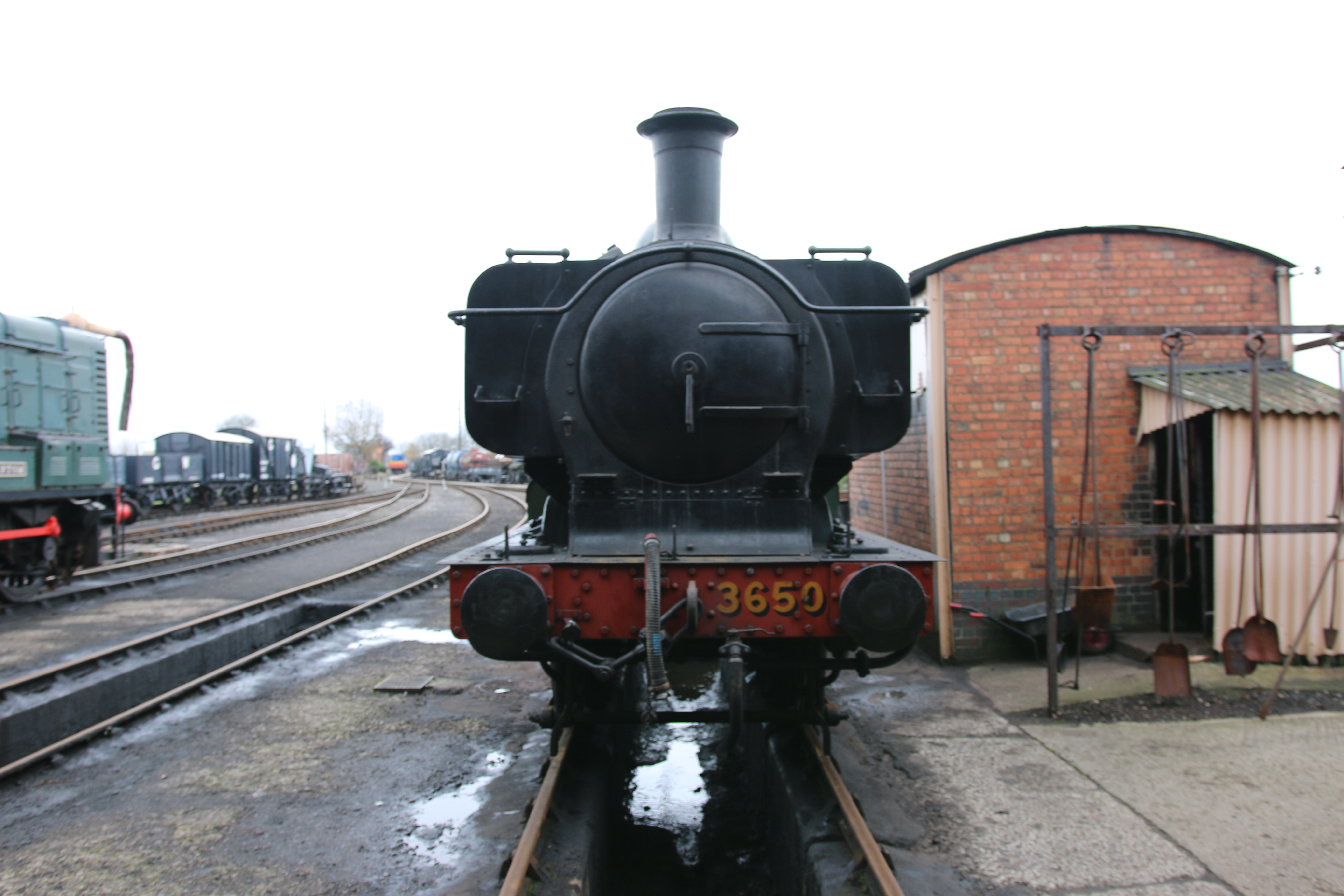
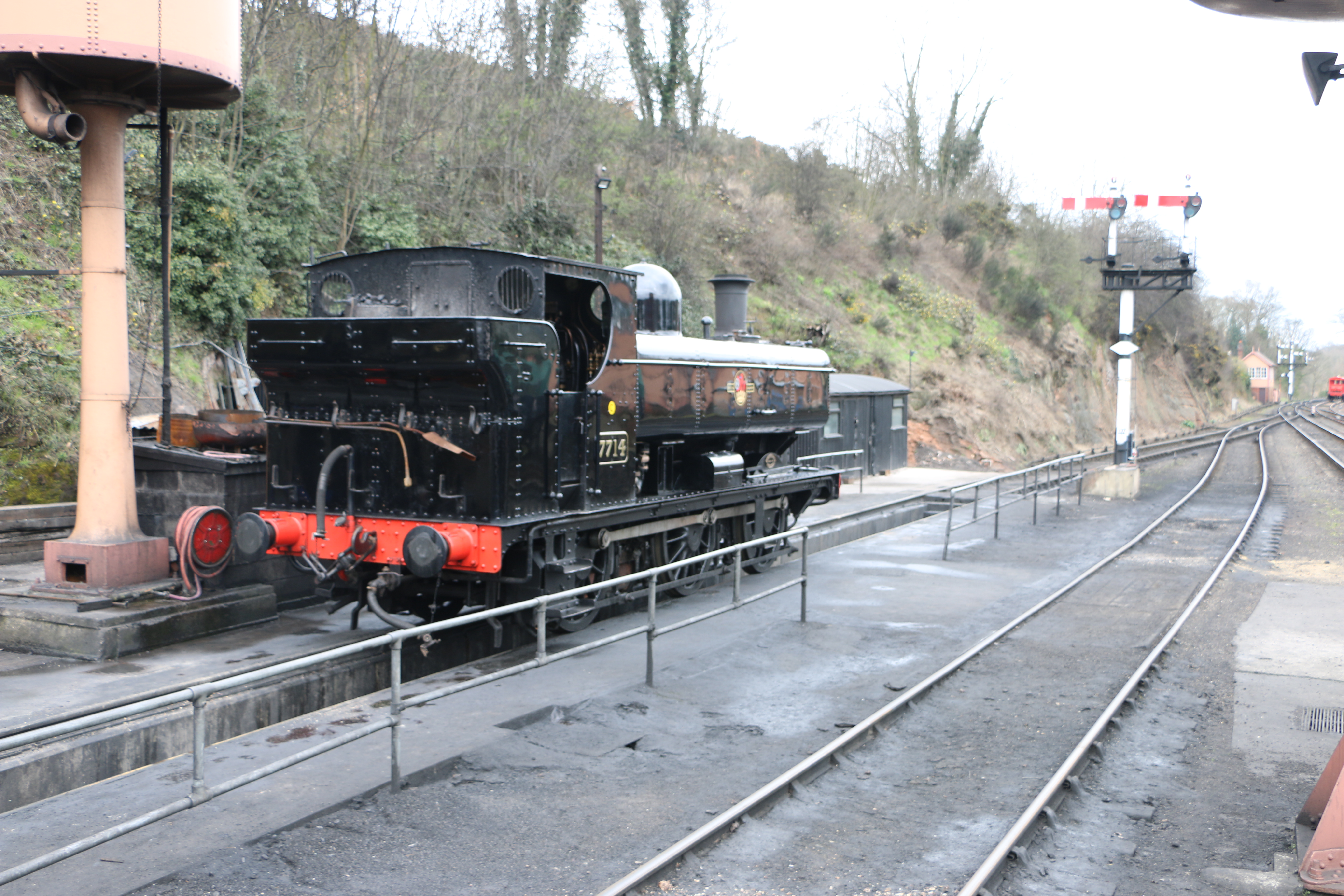
3650, 3738, 4612, 5764, 5775, 5786, 6412, 6430, 6435, 6695, 6697, 7714, 7752, 9600, 9629, 9682, fifteen engines preserved, plus several London Transport survivors. Most are spread across heritage railways in working order. Several have been main-line registered for charter work over the years.
Allocations and regions
GWR era (1929–1947): the class was distributed across virtually every GWR shed. Major allocations included Old Oak Common (London Paddington, for inner-suburban and Smithfield freight), Reading, Swindon, Bristol Bath Road, Cardiff Canton, Newport Ebbw Junction, Wolverhampton Stafford Road, Plymouth Laira, and the principal GWR sheds in the West Country and Wales. The 9700 condensing engines were specifically allocated to Old Oak Common for the Metropolitan Widened Lines and Smithfield meat-market workings.
British Railways Western Region (1948–1966): continued at the same sheds. Some 5700s were transferred to other BR regions (London Transport notably purchased 12 ex-BR pannier tanks from 1956 onwards for Metropolitan Line track maintenance, the engines worked in London Transport service into the 1970s).
London Transport (1956–1971): 12 5700-class panniers were sold to London Transport for use on Metropolitan Line engineering trains. The engines worked from Lillie Bridge depot, Hammersmith, until being progressively replaced by diesel locomotives from 1964 onwards. The last LT 5700 ran in service in June 1971, making them among the very last steam locomotives in regular industrial service in Britain.
Final BR years (1962–1966): displacement by BR diesel shunters (Class 03/04) and Type 1/2 diesels progressively withdrew the class. The last BR Western Region 5700 was withdrawn from Croes Newydd (Wrexham) in November 1966.
Livery history
GWR Middle Chrome Green (1929–1947): the class was outshopped in plain GWR Middle Chrome Green with shaded "Great Western" lettering on the tank sides, the GWR's standard tank-engine livery. The brass safety-valve cover and copper-capped chimney completed the characteristic GWR appearance.
British Railways unlined black (1948–1966): from 1948 the class wore BR-standard unlined black freight livery with the early lion-and-wheel emblem (later the late BR crest from 1956). Some examples retained GWR brass numerals on the cab side under BR ownership.
London Transport maroon (1956–1971): the 12 LT-purchased engines were repainted into LT maroon with yellow lining and black numerals, a distinctive heritage in the class's history.
Preservation: preserved 5700s have appeared in GWR Middle Chrome Green, BR unlined black with each emblem variant, and (for the LT survivors) LT maroon. Several engines have appeared in different liveries through their preservation careers.
Preservation status
Fifteen GWR 5700 Class panniers survive.
Photographs