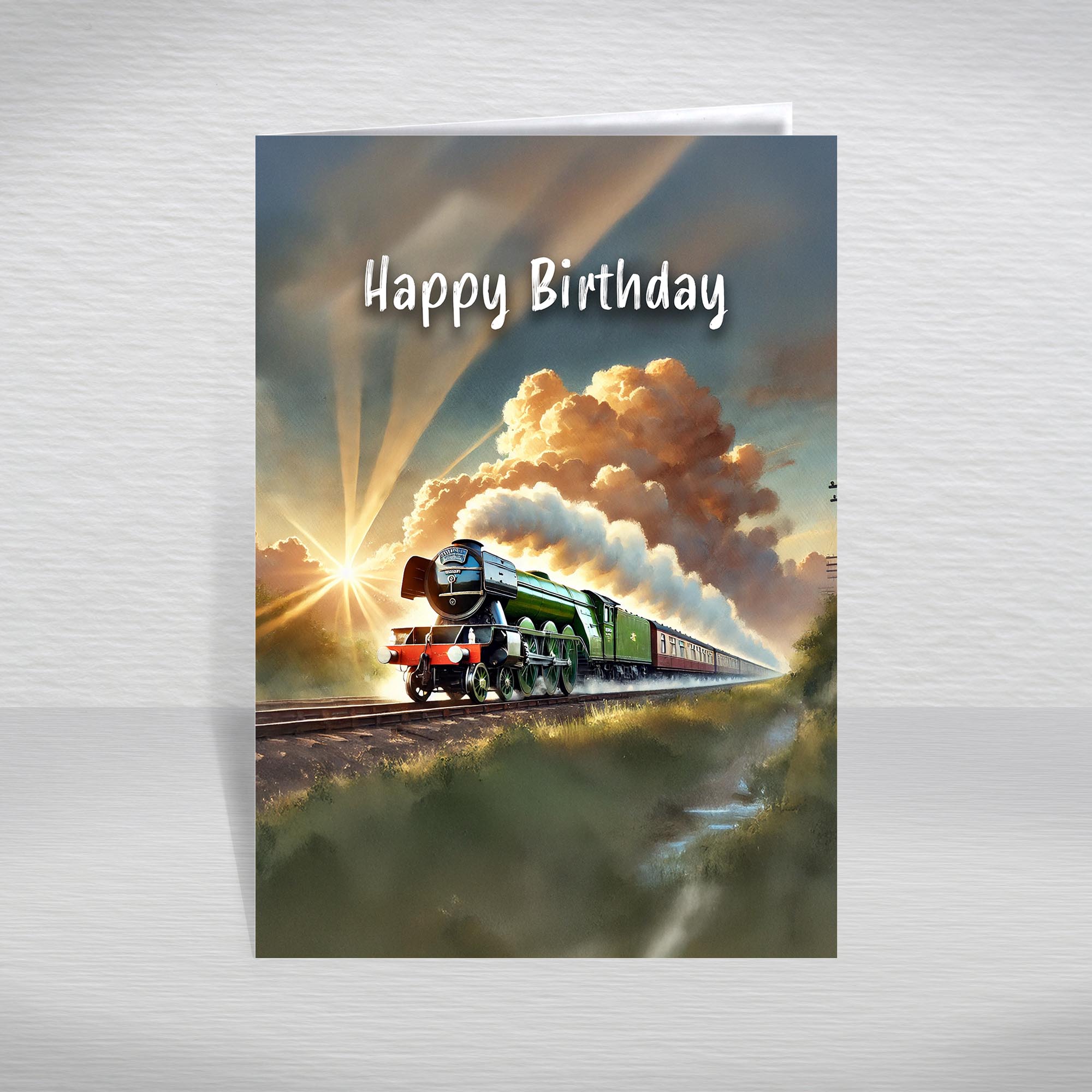
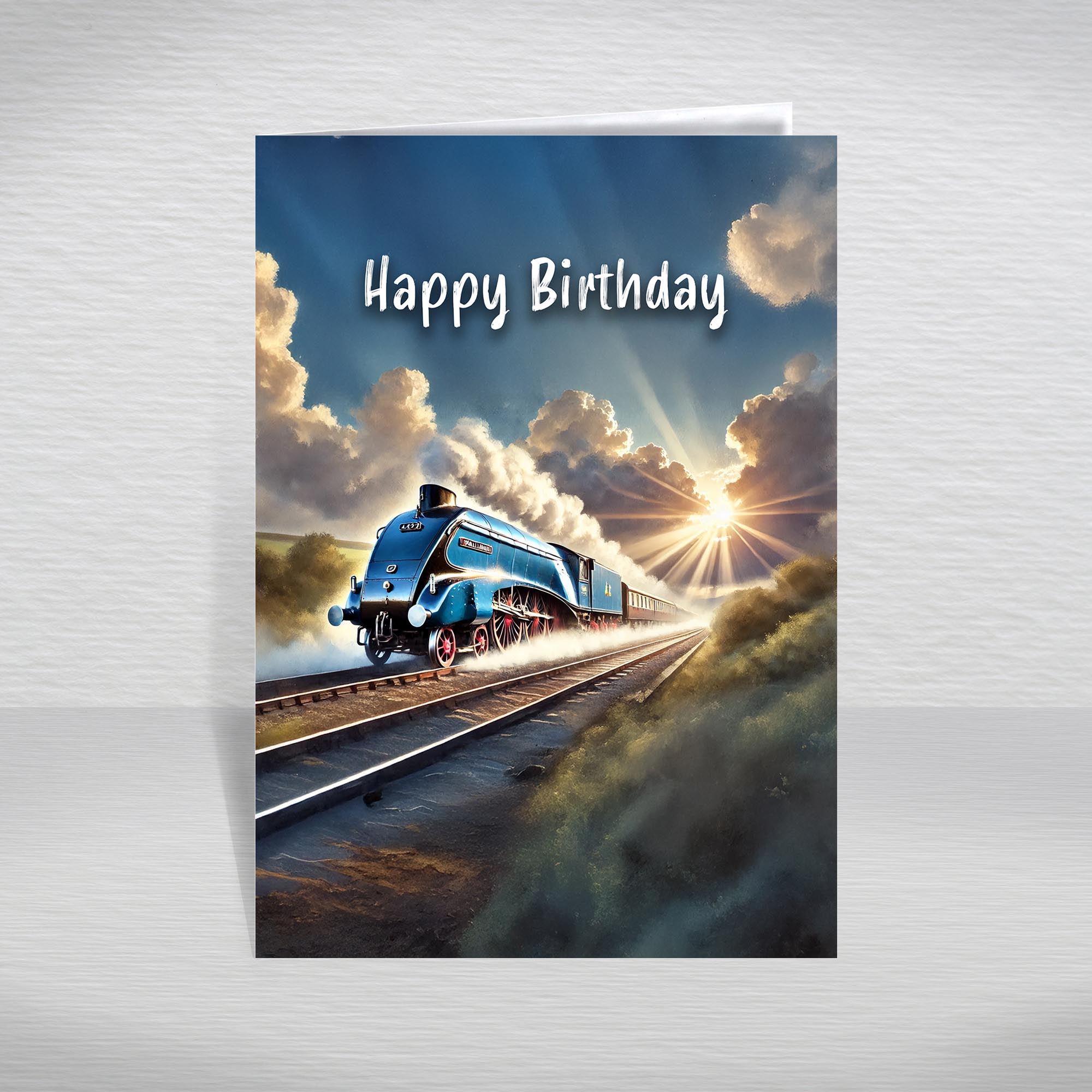
LMS Princess Royal
The LMS Princess Royal Class was Sir William Stanier's first Pacific design for the LMS, a four-cylinder express 4-6-2 produced in 1933 to take over the heaviest West Coast main-line expresses from the worn-out Royal Scot 4-6-0s. Thirteen engines were built at Crewe Works in 1933–1935, including the unique turbine-driven prototype No. 6202 "Turbomotive". The class introduced large taper-boiler Pacific practice to the LMS and provided the engineering foundation for Stanier's later Princess Coronation design.
The general arrangement borrowed extensively from the GWR Castle Class, the same four-cylinder layout and similar boiler proportions, but enlarged for heavier LMS sleeping-car expresses. The 6 ft 5 in maximum diameter taper boiler was operated at 250 psi with a 45 sq ft grate, and the four-cylinder arrangement gave smooth running. The principal weakness was the four sets of valve gear (two outside Walschaerts plus two separate inside Walschaerts with rocking shafts), a complex arrangement demanding extensive maintenance access. The simplification of this arrangement was a key driver behind the rocking-shaft-only inside valve gear of the Princess Coronation from 1937.
The first two engines, Nos 6200 "Princess Royal" and 6201 "Princess Elizabeth", were completed at Crewe in July and November 1933. Initial steaming was insufficient for the heaviest expresses; the boiler was modified for the production batch (6203–6212) of 1934–1935. The most celebrated single Princess Royal performance came in November 1936, when 6201 ran the press demonstration London Euston–Glasgow non-stop in 5 hours 53 minutes (down) and 5 hours 44 minutes (up), at 401 miles, the longest non-stop steam runs ever made in Britain at the time, and a vital demonstration of LMS Anglo-Scottish capability ahead of the LNER.
The unique No. 6202 "Turbomotive" was completed in June 1935 with experimental Ljungström turbine drive, separate forward and reverse turbines on the leading coupled axle. The turbine arrangement gave smooth, vibration-free running and good thermal efficiency but demanded skilled maintenance. After 17 years and approximately 460,000 miles in service, the engine was rebuilt as a conventional four-cylinder Pacific in August 1952 and renamed "Princess Anne", only to be destroyed two months later, on 8 October 1952, in the Harrow & Wealdstone crash (the worst peacetime British rail accident).
The Princess Royals were the LMS's flagship Pacifics from 1933 to 1937, after which the Princess Coronations progressively took over the heaviest duties. British Railways inherited 12 engines (the unrebuilt 6202 plus the 11 production engines) in 1948. The class continued in front-line service through to the early 1960s on lighter Anglo-Scottish expresses and the Liverpool/Manchester top-link workings. The class was the first of the LMS Pacifics to be withdrawn, the four-cylinder gear was costly to maintain, with last withdrawals in November 1962.
Two Princess Royals are preserved: 46201 Princess Elizabeth (privately preserved at Carnforth and currently main-line registered, with a long operating record) and 46203 Princess Margaret Rose (privately preserved at the Midland Railway Centre, Butterley, periodically restored to working condition for main-line excursions).
Design and development
By 1932 the LMS's heaviest West Coast main-line expresses were taxing the Royal Scot 4-6-0s beyond their reasonable capacity. Sir William Stanier had been recruited from the Great Western Railway in January 1932 specifically to modernise LMS motive power, and a new express Pacific was high among his early priorities.
The Princess Royal Class was Stanier's first Pacific design, a four-cylinder 4-6-2 with 6 ft 6 in driving wheels, 16¼ × 28 in cylinders, a 250 psi domeless taper boiler with combustion chamber, and a 45 sq ft grate. The general arrangement borrowed extensively from the GWR Castle Class (the same four-cylinder layout, similar boiler proportions) but enlarged for the heavier LMS sleeping-car expresses. The four-cylinder arrangement gave smooth running but the four sets of valve gear (two outside Walschaerts plus two separate inside Walschaerts gears with rocking shafts) were complex and demanded extensive maintenance access.
The first two engines, No. 6200 "Princess Royal" and No. 6201 "Princess Elizabeth", were completed at Crewe Works in July and November 1933. Initial running showed the boiler was insufficiently free-steaming for the heaviest expresses; the boiler tube and grate proportions were revised and the production batch (6203–6212) of 1934–1935 incorporated the modifications.
The unique No. 6202 "Turbomotive" was completed in June 1935 with experimental Ljungström turbine drive, separate forward and reverse turbines on the leading coupled axle, with a complex condensing system. The turbine arrangement gave smooth, vibration-free running and good thermal efficiency but demanded skilled maintenance and proved difficult to maintain in BR service. After 17 years and approximately 460,000 miles in service, the engine was rebuilt as a conventional four-cylinder Pacific in August 1952 and renamed "Princess Anne", only to be destroyed two months later in the Harrow & Wealdstone crash.
Service and withdrawals
The Princess Royals were the LMS's flagship Pacifics from 1933 to 1937, the engines that introduced large taper-boiler Pacific practice to the LMS. They worked the Royal Scot, the Mid-Day Scot, and the heaviest London–Glasgow expresses. The most celebrated single performance was Princess Elizabeth's 1936 Euston–Glasgow non-stop demonstration runs, which ran 401 miles non-stop in 5 hours 53 minutes (down) and 5 hours 44 minutes (up), the longest non-stop steam runs ever made in Britain at the time, and a vital demonstration that the LMS was capable of high-speed Anglo-Scottish working ahead of the LNER.
From 1937 the Princess Coronation Class progressively took over the heaviest duties; the Princess Royals settled into a secondary express role on the West Coast main line. British Railways inherited 12 engines in 1948 (No. 6202 Turbomotive being the unrebuilt thirteenth, rebuilt 1952). The class continued in front-line service through to the early 1960s on the lighter Anglo-Scottish expresses and the Liverpool and Manchester top-link workings.
The class was the first of the LMS Pacifics to be withdrawn, the four-cylinder gear was substantially more expensive to maintain than the Princess Coronation's simplified arrangement, and the Princess Coronations could comfortably handle the duties. The first withdrawals came in 1961 and the last (46200 Princess Royal) was withdrawn from Crewe North in November 1962. By the time the BR Type 4 diesels arrived in numbers, the class had already largely retired.
Identification features
A clean four-cylinder Pacific outline, smaller in scale than the Princess Coronation that succeeded it. The 6 ft 6 in driving wheels are slightly smaller than the Princess Coronation's 6 ft 9 in, chosen for better acceleration with the heaviest sleeping-car formations. Domeless Stanier taper boiler, smoke deflectors (fitted from 1936), single chimney, and the characteristic Belpaire firebox. The class is distinguished from the Princess Coronation by its smaller boiler and grate (45 sq ft vs Princess Coronation 50 sq ft), shorter length, and the much-more-complex four-cylinder valve gear (separate inside Walschaerts gears, against the Princess Coronation's simplified rocking-shaft arrangement).
Numbers and names
LMS6203–6212the production batch of
- 6203
- 6204
- 6205
- 6206
- 6207
- 6208
- 6209
- 6210
- 6211
- 6212
BR46200–46212
- 46200
- 46201
- 46202
- 46203
- 46204
- 46205
- 46206
- 46207
- 46208
- 46209
- 46210
- 46211
- 46212
LMS Nos 6200 (Princess Royal, the prototype); 6201 (Princess Elizabeth, the only sister engine to the prototype, built simultaneously); 6202 (the turbine-driven "Turbomotive", later rebuilt 1952 as a conventional Pacific named Princess Anne and destroyed three months later in the Harrow & Wealdstone crash); 6203–6212 (the production batch of 1934–1935). British Railways added 40000 to give 46200–46212.
Notable locomotives
6200 Princess Royal (later 46200), the class prototype, completed at Crewe Works in July 1933. Withdrawn from BR November 1962 and broken up.
6201 Princess Elizabeth (later 46201), completed at Crewe in November 1933, the second engine. On 16 November 1936 ran the press demonstration London Euston–Glasgow non-stop in 5 hours 53 minutes with a six-coach train and a return run on 17 November 1936 in 5 hours 44 minutes, averages of 68.2 and 70.0 mph respectively, the longest non-stop steam run ever made in Britain at the time. Withdrawn from BR October 1962 and privately preserved. Currently main-line registered with the Princess Elizabeth Locomotive Society, based at the West Coast Railway Company's Carnforth depot.
6202 Princess Anne ("Turbomotive", later 46202), completed at Crewe in June 1935 with experimental Ljungström turbine drive (forward and reverse turbines on the leading coupled axle, derived from contemporary Swedish practice). The turbine arrangement was technically successful but demanded skilled maintenance; the engine ran 30,000 miles a year through to 1950. Rebuilt as a conventional four-cylinder Pacific in August 1952 and renamed Princess Anne. Destroyed two months later, on 8 October 1952, in the Harrow & Wealdstone collision (the worst peacetime British rail accident), wedged between two other trains and beyond economic repair.
6203 Princess Margaret Rose (later 46203), completed at Crewe in July 1935. Withdrawn from BR October 1962 and privately preserved. Currently a static exhibit at the Midland Railway Centre, Butterley, Derbyshire (in care of the Princess Royal Class Locomotive Trust).
Allocations and regions
LMS era (1933–1947): the class was concentrated on the West Coast main line. The two original engines (6200 Princess Royal and 6201 Princess Elizabeth) were initially allocated to Camden (London Euston) and the production batch (6203–6212) divided between Camden and Polmadie (Glasgow). The class worked the Royal Scot, the Mid-Day Scot, and the heaviest London–Glasgow expresses through the LMS era.
British Railways London Midland Region (1948–1962): continued at Camden and Polmadie. From the late 1940s the Princess Coronation Class progressively took the heaviest duties, with Princess Royals working the lighter expresses and overflow workings. From the late 1950s the class concentrated at Edge Hill (Liverpool) and Crewe North.
Final years (1959–1962): displaced from the heaviest duties by the Princess Coronations and from the principal expresses by the introduction of BR Type 4 diesels from 1961. Last withdrawals were from Crewe North in October 1962, the class was retired ahead of the Princess Coronations because of the maintenance cost of the complex four-cylinder gear.
Livery history
LMS lined crimson lake (1933–1947): the class was outshopped in LMS lined crimson lake with gold lining and serif "L M S" lettering, the LMS standard express livery from 1928 onwards. This was the dominant LMS livery for the class.
LMS unlined black (1942–1947): wartime conditions saw most of the class temporarily painted in plain black with shaded lettering, returning to crimson lake post-war.
British Railways experimental blue (1948–1949): some examples briefly carried BR experimental dark blue lined out in black and white, before standardising on Brunswick green from 1949.
British Railways Brunswick green (1949–1962): from 1949 the class wore BR-standard lined Brunswick green with the early lion-and-wheel emblem (later the late BR crest from 1956). This was the dominant BR livery to the end. 46201 Princess Elizabeth has appeared in preservation in LMS lined crimson and BR Brunswick green at different periods.
Preservation status
Two Princess Royals are preserved:
- 6201 Princess Elizabeth (later 46201), privately preserved on withdrawal in October 1962. Currently main-line registered with the Princess Elizabeth Locomotive Society, based at Carnforth. The engine has been a regular main-line performer over many decades; it is the only Princess Royal in working order.
- 6203 Princess Margaret Rose (later 46203), privately preserved on withdrawal in October 1962. Currently a static exhibit at the Midland Railway Centre, Butterley, Derbyshire, in care of the Princess Royal Class Locomotive Trust. The engine has been periodically restored to working condition for main-line excursions; current operational status varies with overhaul cycles.
The class's 15% preservation rate (2 from 13) is good for a small Pacific class, and Princess Elizabeth's long preservation operating record on the main line is exceptional.