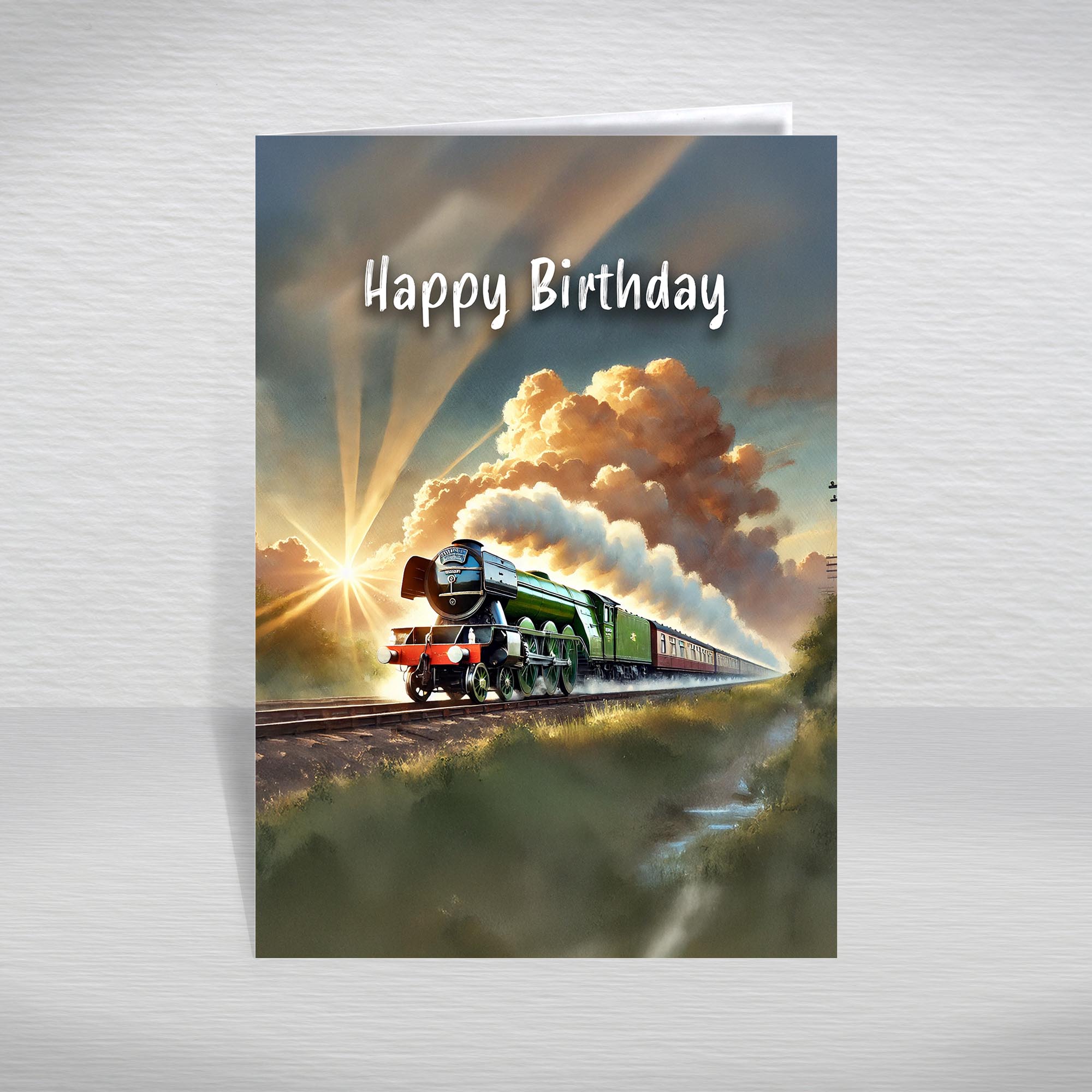
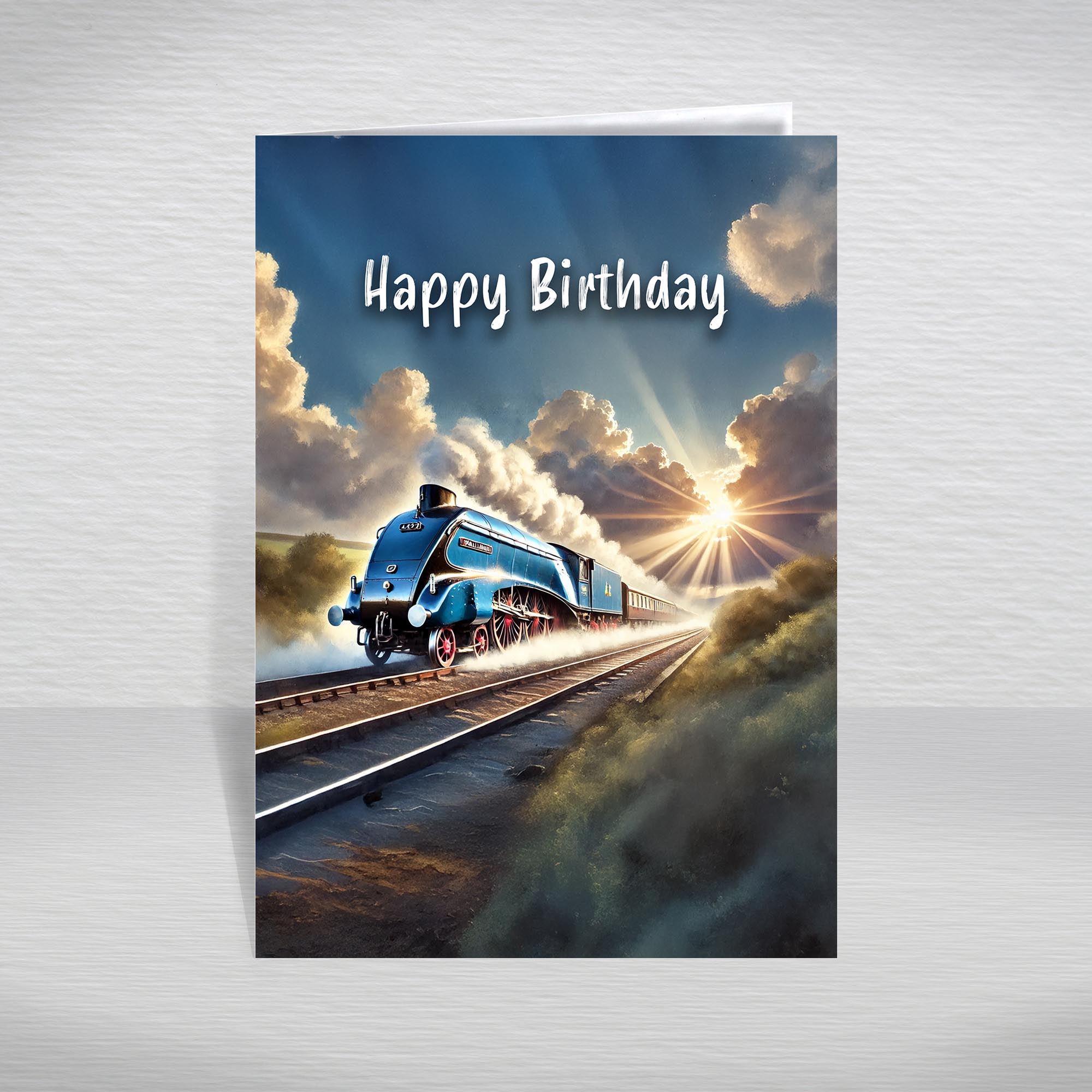
SR N15X Class
The SR N15X Class was a series of seven 4-6-0 express passenger locomotives produced by Richard Maunsell by rebuilding the LBSCR L Class 4-6-4T Baltic tank locomotives — the celebrated 'Brighton Tanks' designed by Lawson Billinton for the LBSCR's express services — into tender locomotives in 1934–35. The rebuilding came about because the large Baltic tanks, which had been designed for the electrified Brighton main line before electrification made them redundant, were expensive to maintain in their original configuration and yet were mechanically sound enough to give further service if converted to a more conventional tender locomotive form suited to the Southern Railway's express needs.
Maunsell's conversion retained the Baltic tanks' boiler and most of their mechanical components while removing the side tanks and bunker and fitting a new tender, transforming the 4-6-4T wheel arrangement into a 4-6-0 tender locomotive. The N15X designation placed the rebuilt locomotives in the King Arthur Class family — the N15 being Maunsell's own successful King Arthur 4-6-0 — reflecting their similar performance capability. The rebuilt locomotives received names of Arthurian character in keeping with the King Arthur Class tradition: Remembrance, Sir Bors de Ganis, Sir Galahad, and others.
In service the N15X gave adequate performance on SR secondary express duties, though they were not considered the equal of the original N15 King Arthurs. They worked SR secondary express services until displacement by newer SR and BR types. None was preserved.
Design and development
Maunsell converted seven LBSCR L Class 4-6-4T Baltic tanks into N15X 4-6-0 tender locomotives in 1934–35, retaining their boilers and mechanical components while fitting new tenders. Named in Arthurian tradition consistent with the N15 King Arthur Class. Seven examples worked SR secondary express duties until BR withdrawal 1955–57.
Service and withdrawals
N15X worked SR secondary express duties from 1934. BR withdrew all seven 1955–57. None preserved.
Identification features
Two-cylinder 4-6-0 with 6 ft 9 in coupled wheels.
Notable locomotives
- Various — none preserved
Livery history
Preservation status
None preserved. The SR King Arthur Class from which the N15X took its classification is represented by Sir Lamiel (30777) at the NRM York.