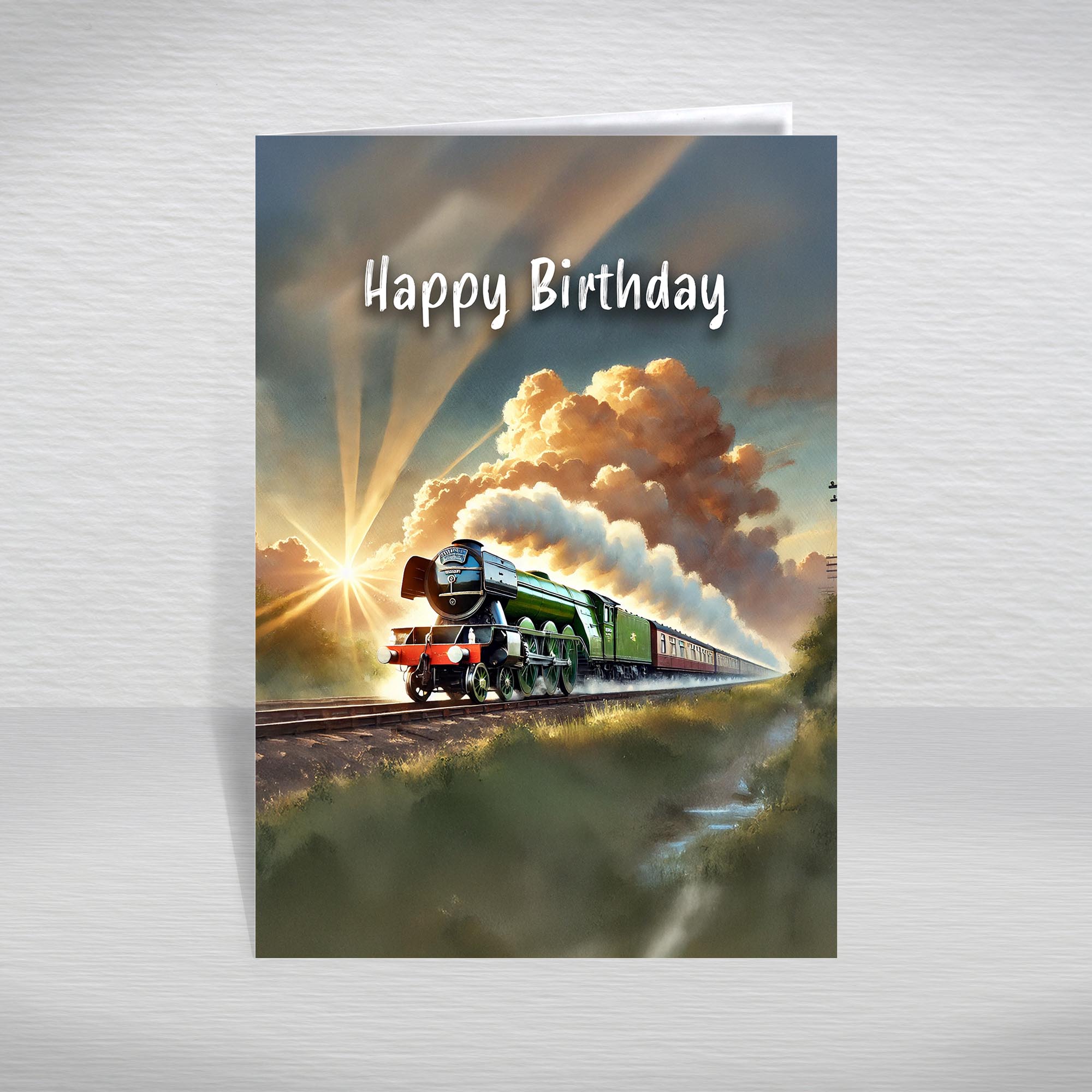
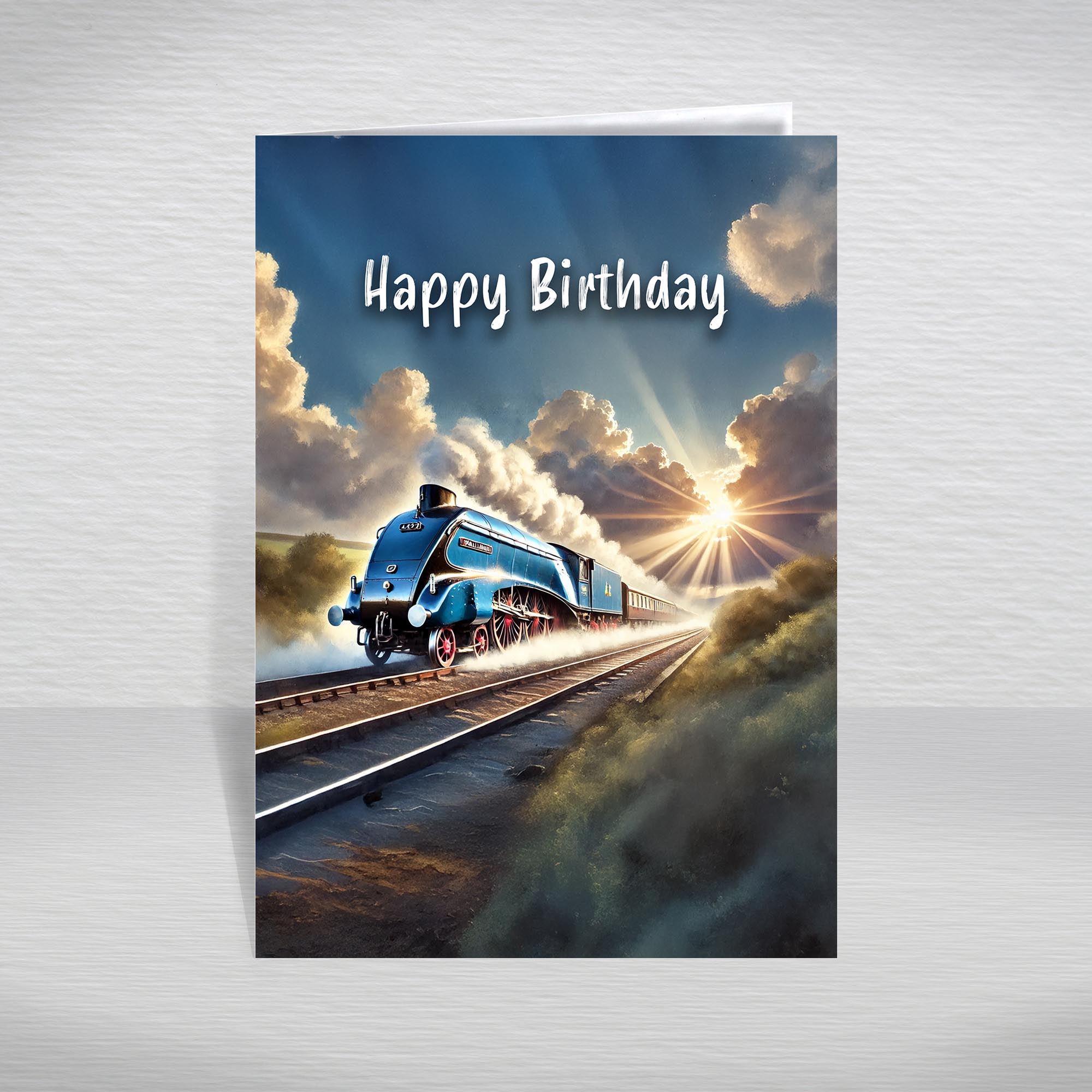
NER Class V [LNER C6]
The NER Class V, designated LNER C6 after the 1923 Grouping, was a series of inside-cylinder 4-4-2 Atlantic express passenger locomotives designed by Wilson Worsdell and introduced at Gateshead Works from 1903 — the NER's first Atlantic locomotives and among the most important express developments in British railway history. Worsdell's decision to adopt the Atlantic wheel arrangement for the NER's principal East Coast Main Line express services placed the NER at the forefront of British express locomotive practice in the early twentieth century, and the Class V Atlantics quickly demonstrated that the 4-4-2 configuration — with its larger firebox enabled by the trailing axle — could sustain the continuous high steaming rates demanded by fast, heavy Anglo-Scottish expresses in a way that the 4-4-0 could not.
The Atlantic's advantage over the 4-4-0 lay primarily in the firebox: the trailing carrying axle allowed the firebox to extend behind the coupled wheels and be made significantly wider and longer than was possible on a 4-4-0, where the firebox was constrained between the rear driving wheels. A larger firebox meant a larger grate, which meant more fire, more steam, and more sustained power on long runs at high speed. For the ECML expresses — the non-stop London–Edinburgh runs, the heavy sleeping-car trains, the Pullman services that were the prestige of East Coast operation — this sustained steaming capacity was exactly what was needed.
The Class V Atlantics worked the NER's top ECML express duties with considerable success from 1903, and Raven continued developing the Atlantic design into the superheated V/09 Class (LNER C7) Z Class from 1906, which became one of the finest Atlantic types in Britain. None of the original Wilson Worsdell Class V/C6 Atlantics was preserved, though Raven's developed C7 is similarly unpreserved.
Design and development
Worsdell designed the Class V at Gateshead in 1902–03 as the NER's first Atlantic, adopting the 4-4-2 wheel arrangement specifically for its wider firebox capability. The class gave the NER a step-change in express performance. Raven developed the three-cylinder superheated V/09 Class (C7) Z Atlantics from 1906 as the definitive NER Atlantic.
Service and withdrawals
Class V/C6 worked NER top ECML express duties from 1903. Raven's superheated C7 Atlantics from 1911 progressively took over the principal workings. LNER era service on secondary express duties; withdrawn 1930s–48. None preserved.
Identification features
Inside-cylinder 4-4-2 with 6 ft 10 in coupled wheels.
Notable locomotives
- Various — none preserved
Allocations and regions
Gateshead for NER principal ECML express working: the premier Anglo-Scottish and Yorkshire-Edinburgh services.
Livery history
Preservation status
None preserved. The NER Atlantic design lineage is documented through surviving engineering drawings and LNER records at the NRM York.