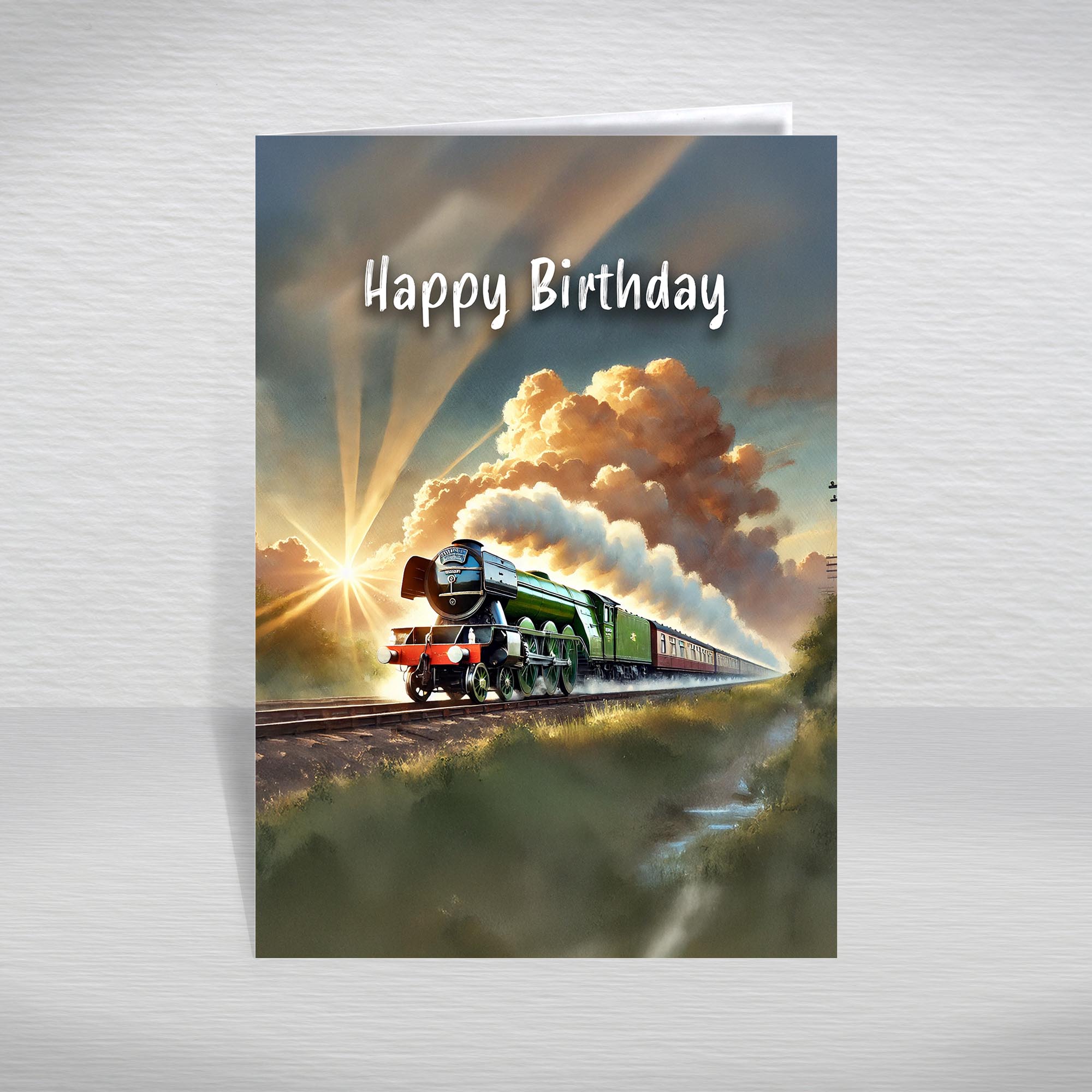
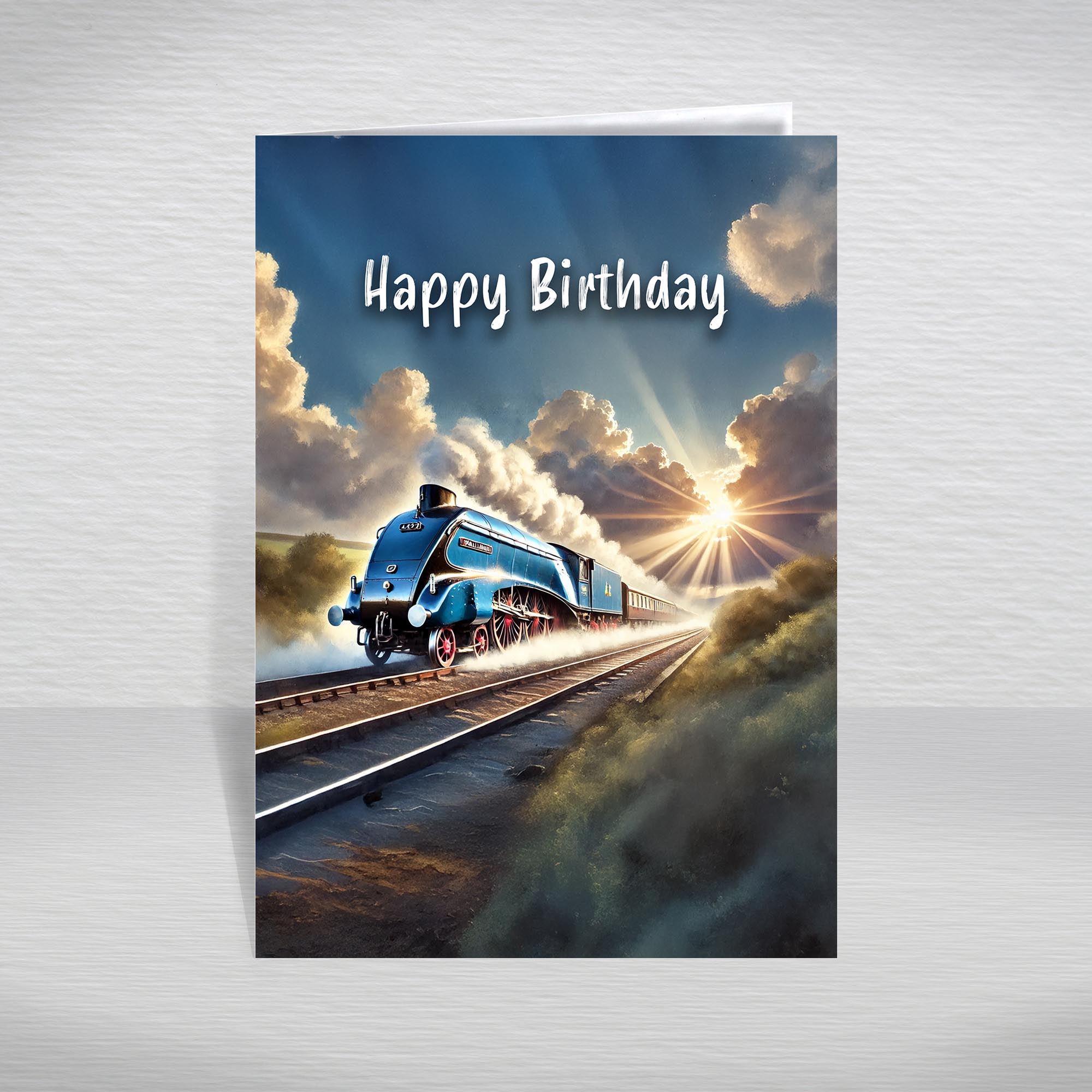
LCDR M3
The London, Chatham and Dover Railway M3 Class was a series of inside-cylinder 4-4-0 express passenger locomotives designed by William Kirtley (son of Matthew Kirtley of the Midland Railway) and built by Neilson & Co of Glasgow from 1891 for the LCDR's principal express services between London Victoria and the Kent coast. The M3 was the LCDR's premier express locomotive at the time of the South Eastern and Chatham Railway's joint working agreement in 1899, which merged the operating management of the LCDR and the rival South Eastern Railway, and the class gave service on what became the SECR's Kent main-line express workings through the Edwardian period.
The London, Chatham and Dover Railway had a chequered financial history — it had gone bankrupt in 1866, making it one of the very few British main-line railways to do so — and its locomotive policy under William Kirtley from 1874 to 1898 was constrained by limited resources. The M3 Class was Kirtley's most capable express type, a competent inside-cylinder 4-4-0 well suited to the moderately-graded LCDR routes through Kent, and it represented a significant improvement over the earlier LCDR express types.
The M3s passed to the SECR in 1899 and gave further service under that management and subsequently the Southern Railway from 1923. Several survived into Southern Railway service in rebuilt form. None was preserved.
Design and development
William Kirtley designed the M3 Class at Longhedge Works in 1890–91 as the LCDR's premier express type, with the inside-cylinder 4-4-0 configuration standard for British express working of the period. Neilson & Co of Glasgow built the class 1891–98. The LCDR's bankruptcy history and constrained finances limited locomotive investment, making the M3 a particularly significant achievement.
Service and withdrawals
The M3s worked LCDR Kent coast express services from 1891. After the SECR working agreement of 1899 they continued on SE&CR express duties. SR ownership after 1923; gradually withdrawn and replaced. None preserved.
Identification features
Inside-cylinder 4-4-0 with 6 ft 6 in coupled wheels.
Notable locomotives
- Various — none preserved
Allocations and regions
Herne Hill, Longhedge (London), and Faversham for LCDR principal express working: London Victoria–Dover, London Victoria–Ramsgate, and associated Kent coast services.
Livery history
Preservation status
None preserved. The SECR era is represented by SECR C Class 0-6-0 592 at the Bluebell Railway and various other SE&CR and LCDR designs in preservation.