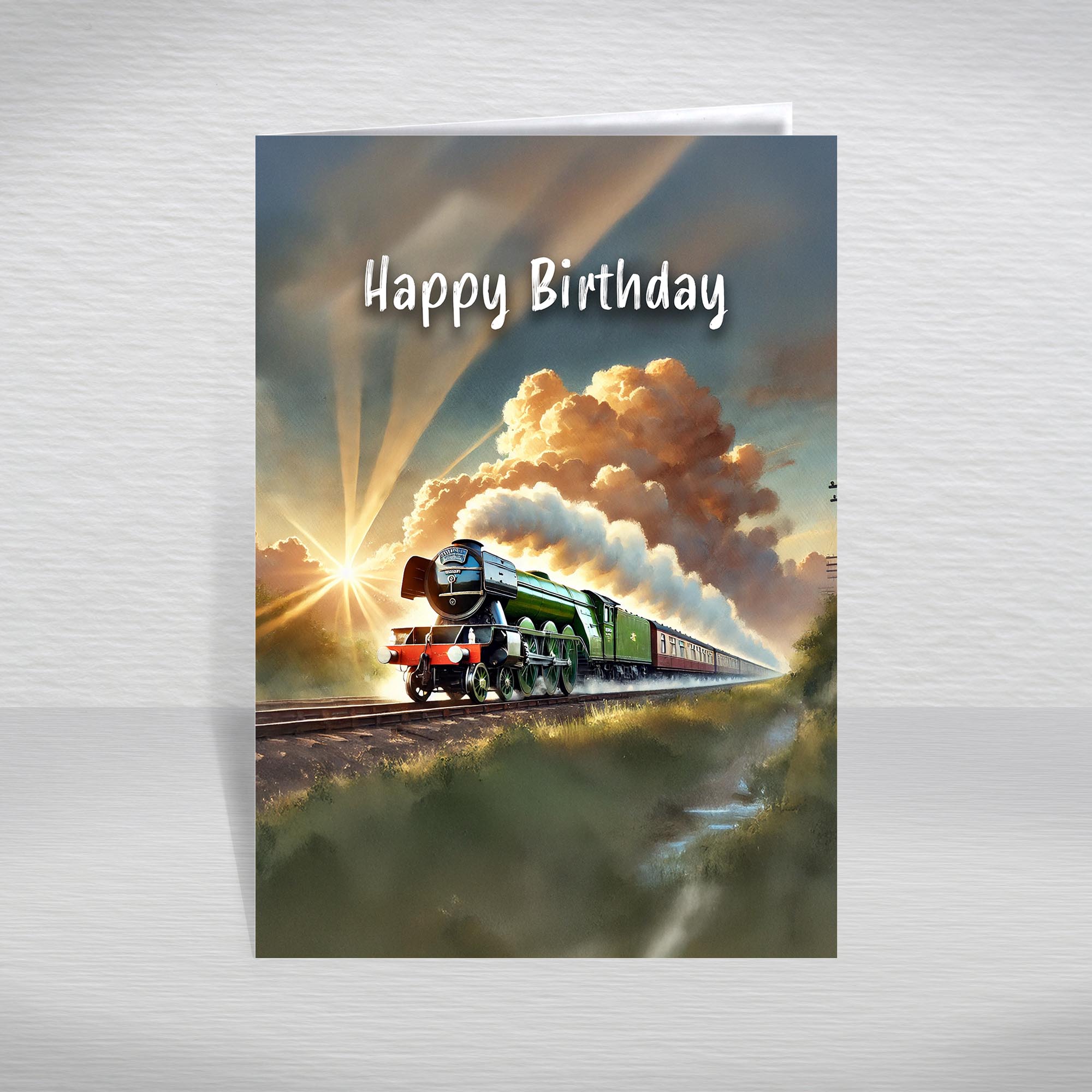
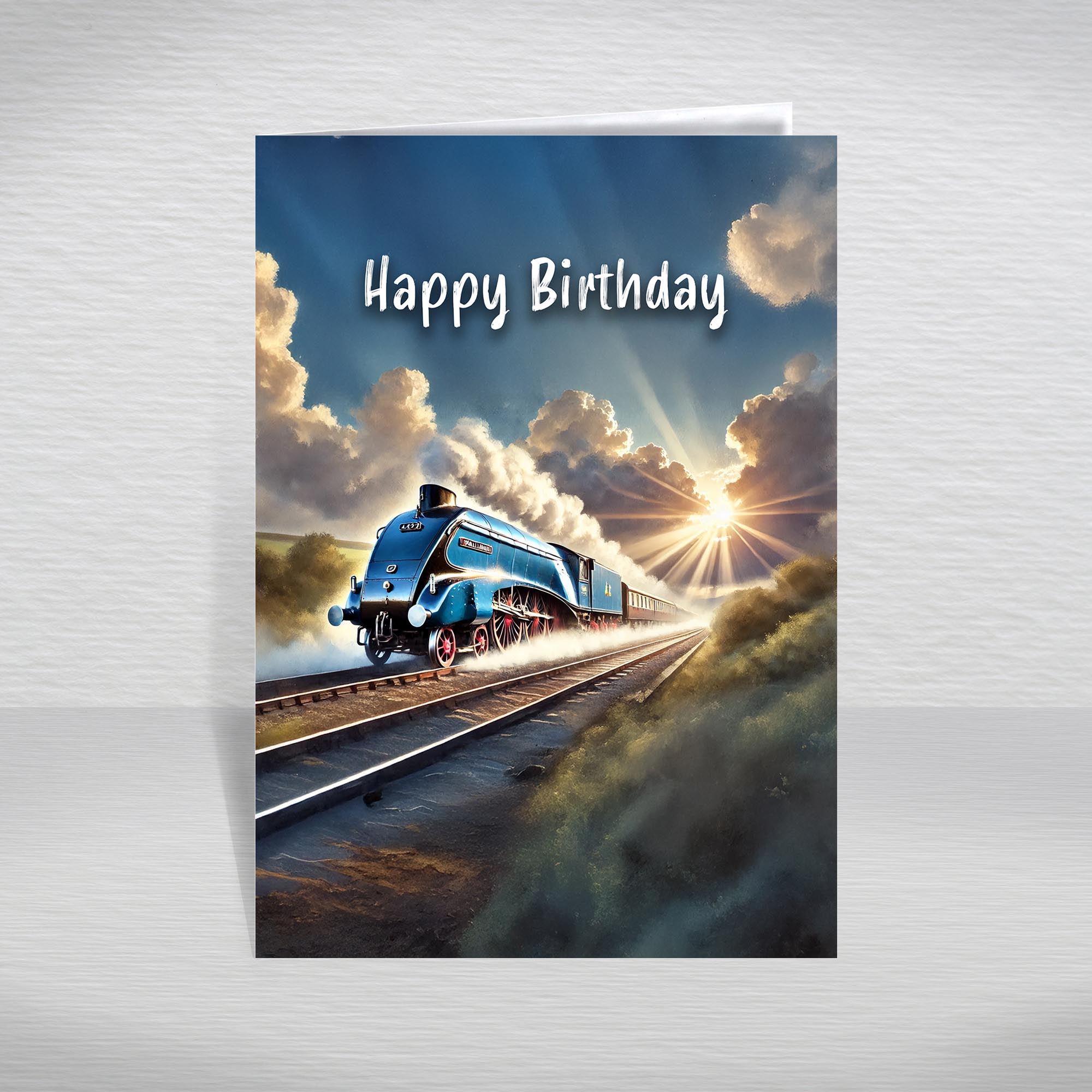
Highland Railway Skye Bogie Class
The Highland Railway Skye Bogie Class was a series of inside-cylinder 4-4-0 tender locomotives designed by David Jones and built from 1882 for the Highland Railway's extension to Kyle of Lochalsh — the line known as the Dingwall and Skye Railway that provided the ferry connection to the Isle of Skye. The Kyle line was one of the most scenic and challenging railways in Britain: single track threading through the mountains and glens of Wester Ross from Dingwall via Achnasheen and Achnashellach to Stromeferry (later extended to Kyle of Lochalsh), with severe curvature, steep grades, and the extreme weather of the western Highland seaboard.
Jones designed the Skye Bogie Class specifically for the physical constraints of the Kyle line, which had tighter curves than the main Highland routes and lighter track requiring a lower axle loading. The 4-4-0 wheel arrangement with a leading bogie was chosen over Jones's usual preference partly for stability on the severe curves of the western section, and the coupled driving wheels were 6 ft 3 in — consistent with the Baron and Bruce classes — while the overall design was refined for the particular conditions of the Kyle route. The class name reflected their route rather than any technical feature.
The Skye Bogies worked the Kyle line through the 1880s and 1890s, handling the passenger trains and the cargo traffic for the Isle of Skye ferry service, as well as some general Highland working when required. None was preserved, but the Kyle of Lochalsh line itself survives as one of the great scenic railway journeys of Britain and a lasting monument to the Victorian ambition to connect the western Highlands by rail.
Design and development
Jones designed the Skye Bogie Class at Lochgorm Works specifically for the Dingwall and Skye Railway (Kyle line), with its tight curves, severe grades, and lighter track. The 4-4-0 with leading bogie gave stability on the western Highland curves; lower axle loading suited the lighter-railed route.
Service and withdrawals
The Skye Bogies worked the Kyle line from 1882, handling the Inverness–Kyle passenger services and Skye ferry traffic. Progressively replaced by more modern types. All withdrawn before the Grouping. None preserved.
Identification features
Inside-cylinder 4-4-0 with 5 ft 3 in coupled wheels, leading 4-wheel bogie, parallel boiler — distinctively low-built for clearance through narrow Highland tunnels.
Notable locomotives
- Various — none preserved
Livery history
Preservation status
None preserved. The Kyle of Lochalsh line itself remains open as one of Scotland's great scenic railways.