GWR 4575 Class
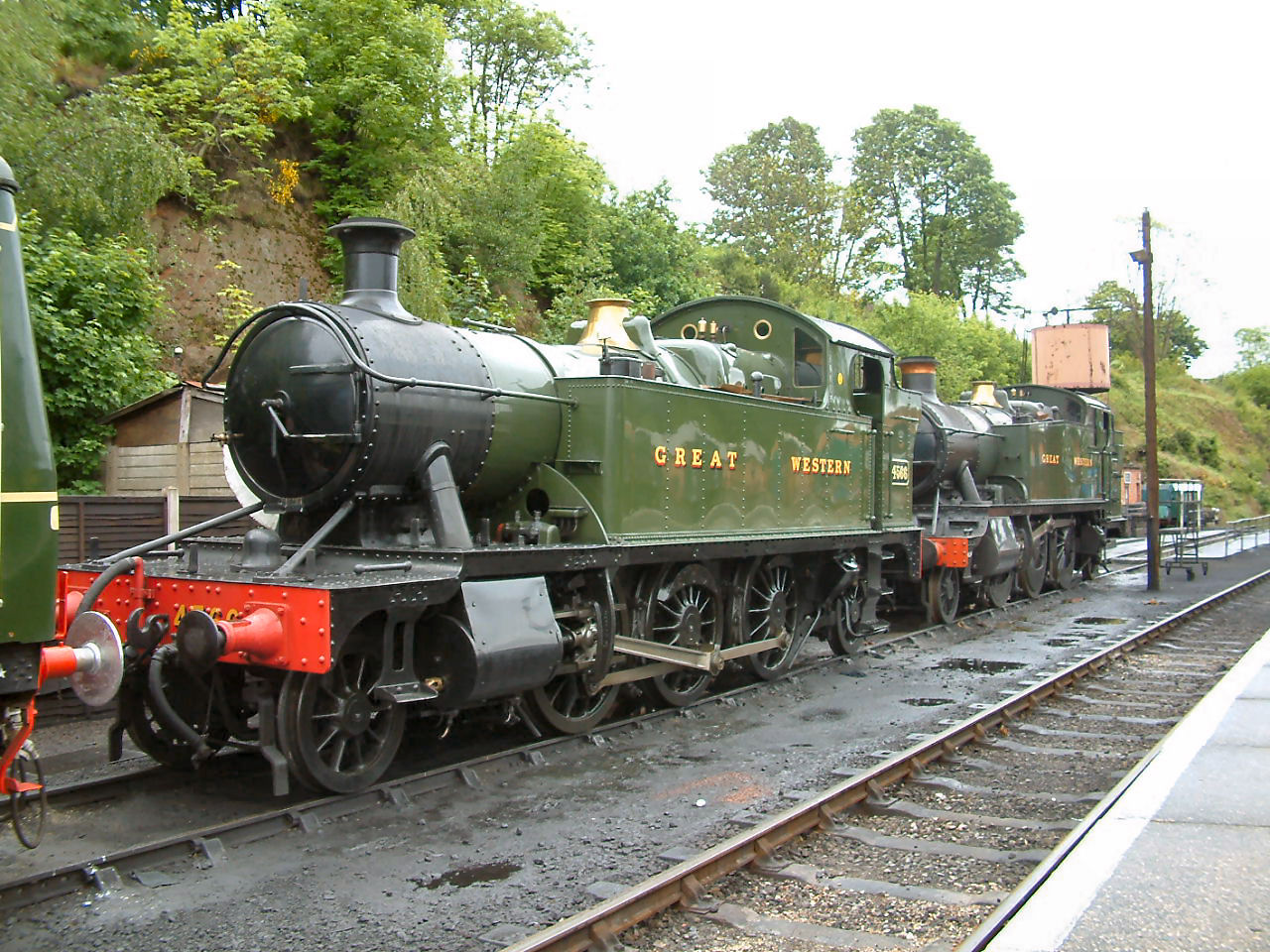
The GWR 4575 Class was Charles Collett's 1927 development of the GWR 4400 Small Prairie, a 2-6-2T branch-line tank engine with 4 ft 7½ in driving wheels (larger than the 4400's 4 ft 1½ in) for higher-speed branch working, and distinctive curved-top side tanks giving greater water capacity for longer range between stops.
One hundred engines were built at Swindon Works between 1927 and 1929, the original 25 (4575–4599) of 1927 and the production batch of 75 (5500–5574) of 1928–1929. The design used the same Standard No. 5 boiler as the 4400 Class but with the larger driving wheels (matching the 5700 Class pannier tank but on the 2-6-2T branch chassis) and substantially larger 1,300-gallon side tanks. The visually-distinctive curved-top tanks are the most-recognisable identifying feature.
The class was the GWR's standard branch-line tank engine from 1927 onwards on routes inaccessible to the heavier 5100 Large Prairie. The West Country branches (Cornwall, Devon), the Welsh valleys, and various secondary and branch lines across the GWR system relied heavily on the 4575s. Their combination of modest 15 t 9 cwt axle load, 1,300-gallon water capacity, and 4 ft 7½ in driving wheels suited them ideally to the rural branch-line role.
British Railways inherited 100 engines in 1948. The class continued in BR Western Region service through the 1950s. The arrival of BR diesel multiple units from 1955 onwards, combined with the Beeching closures of 1963 onwards, progressively reduced branch-line demand. By 1964 the class had been substantially withdrawn, the West Country branches having closed in large numbers, with the last 4575 in BR service withdrawn in November 1964.
Eleven 4575 Class engines are preserved, an outstanding 11% survival rate, reflecting late survival into the Beeching era when preservation societies were active. Notable preserved engines include 4561 (West Somerset Railway, working order), 4566 (Severn Valley Railway), 5521 (Llangollen Railway), 5526 (South Devon Railway), 5552 (Bodmin & Wenford Railway), and 5572 (Didcot Railway Centre, working order). Several 4575s have given decades of working service on heritage railways.
Design and development
By 1927 Charles Collett had succeeded Churchward as GWR Chief Mechanical Engineer and was building progressive developments of Churchward's standard classes. The branch-line tank fleet needed an updated design, the 4400 Class of 1904 had small 4 ft 1½ in driving wheels suited only to the most-restricted routes, while the 5100 Class Large Prairie of 1903 was too heavy for many branch lines.
The 4575 was Collett's answer, a development of the 4400 Class with larger 4 ft 7½ in driving wheels (matching the 5700 Class pannier tank but on the 2-6-2T branch chassis), the same Standard No. 5 boiler, and substantially larger curved-top water tanks (1,300 gallons against the 4400's 960 gallons) for greater range between water stops.
The first engine, No. 4575, was completed at Swindon Works in October 1927. Production continued in two batches: the original 25 (4575–4599) of 1927, and the larger production batch of 75 engines (5500–5574) of 1928–1929. By 1929 the class totalled 100 engines and was the GWR's standard branch-line tank engine on routes inaccessible to the 5100 Large Prairies.
Service and withdrawals
The 4575s were the GWR's standard branch-line tank engine from 1927 onwards. The class worked the West Country branches (Cornwall, Devon), the Welsh valleys branches, and the various secondary and branch lines across the GWR system. Their combination of modest axle load, larger water capacity than the 4400 Class, and 4 ft 7½ in driving wheels (faster running than the 4400) made them ideally suited to the rural branch-line role.
British Railways inherited 100 engines in 1948. The class continued in BR Western Region service through the 1950s. The arrival of BR diesel multiple units (DMUs) from 1955 onwards, combined with the Beeching closures of 1963 onwards, progressively reduced branch-line demand. By 1964 the class had been substantially withdrawn, the West Country branches having closed in large numbers. The last 4575 in BR service was withdrawn in November 1964.
Identification features
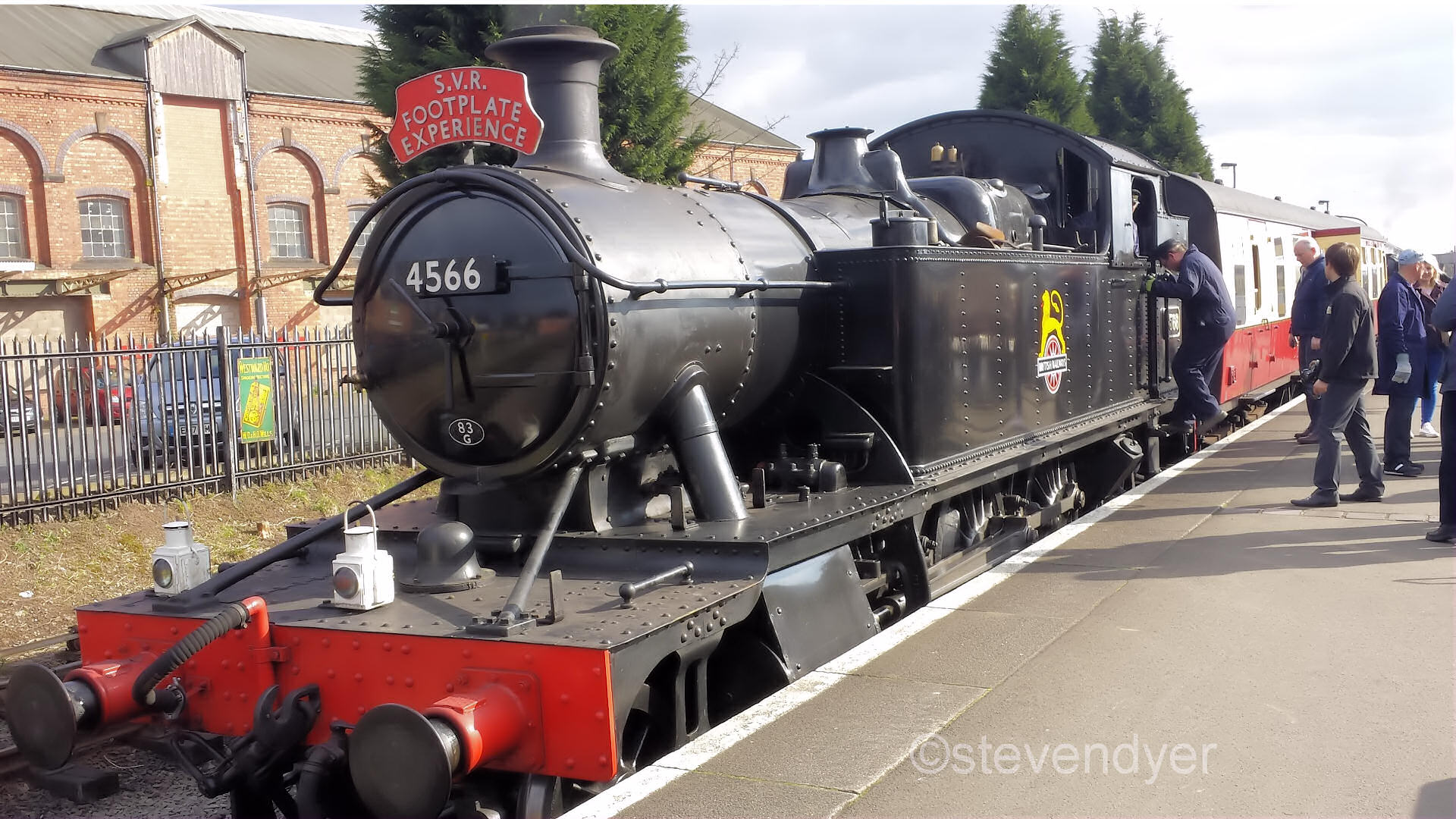
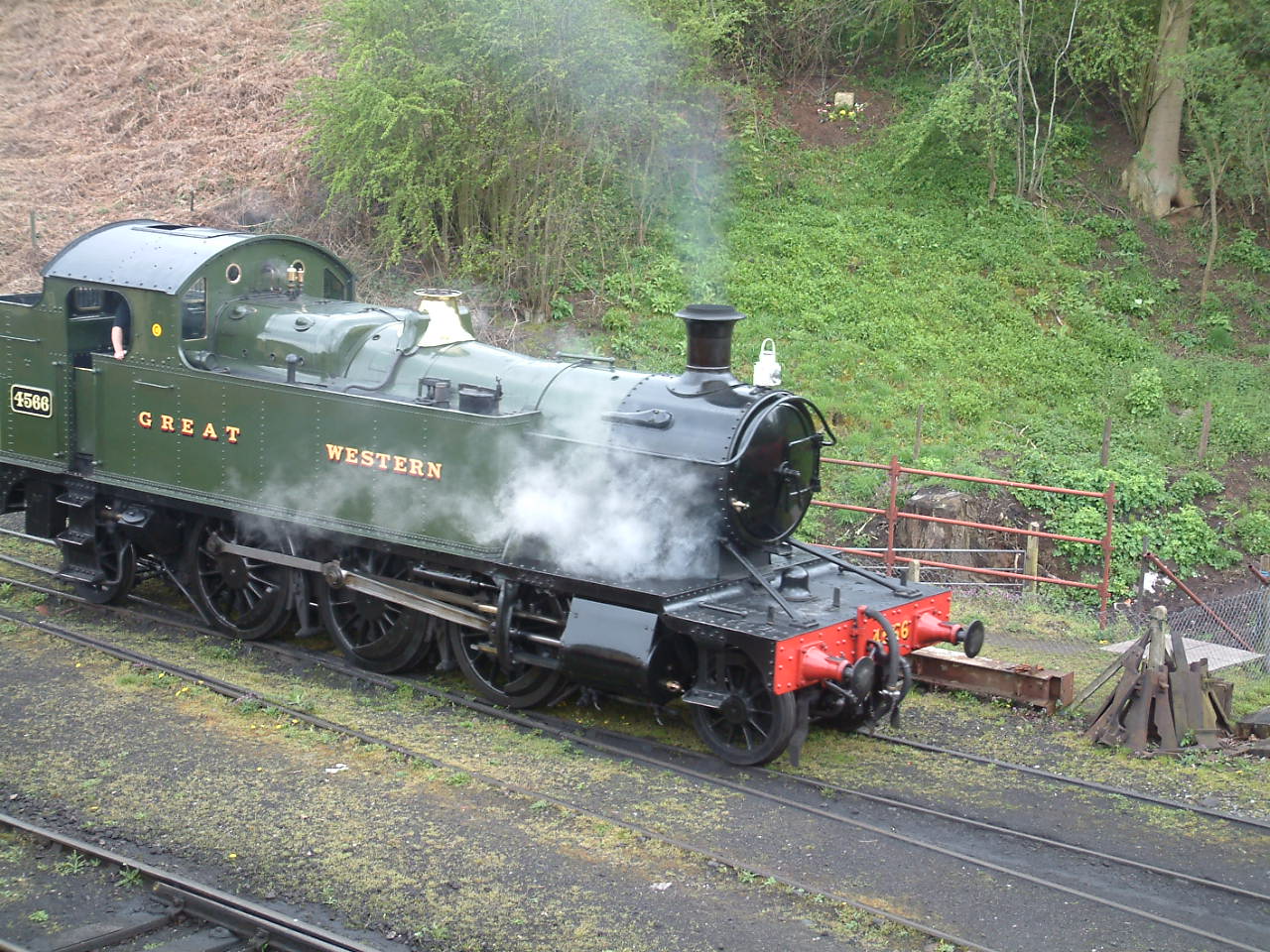
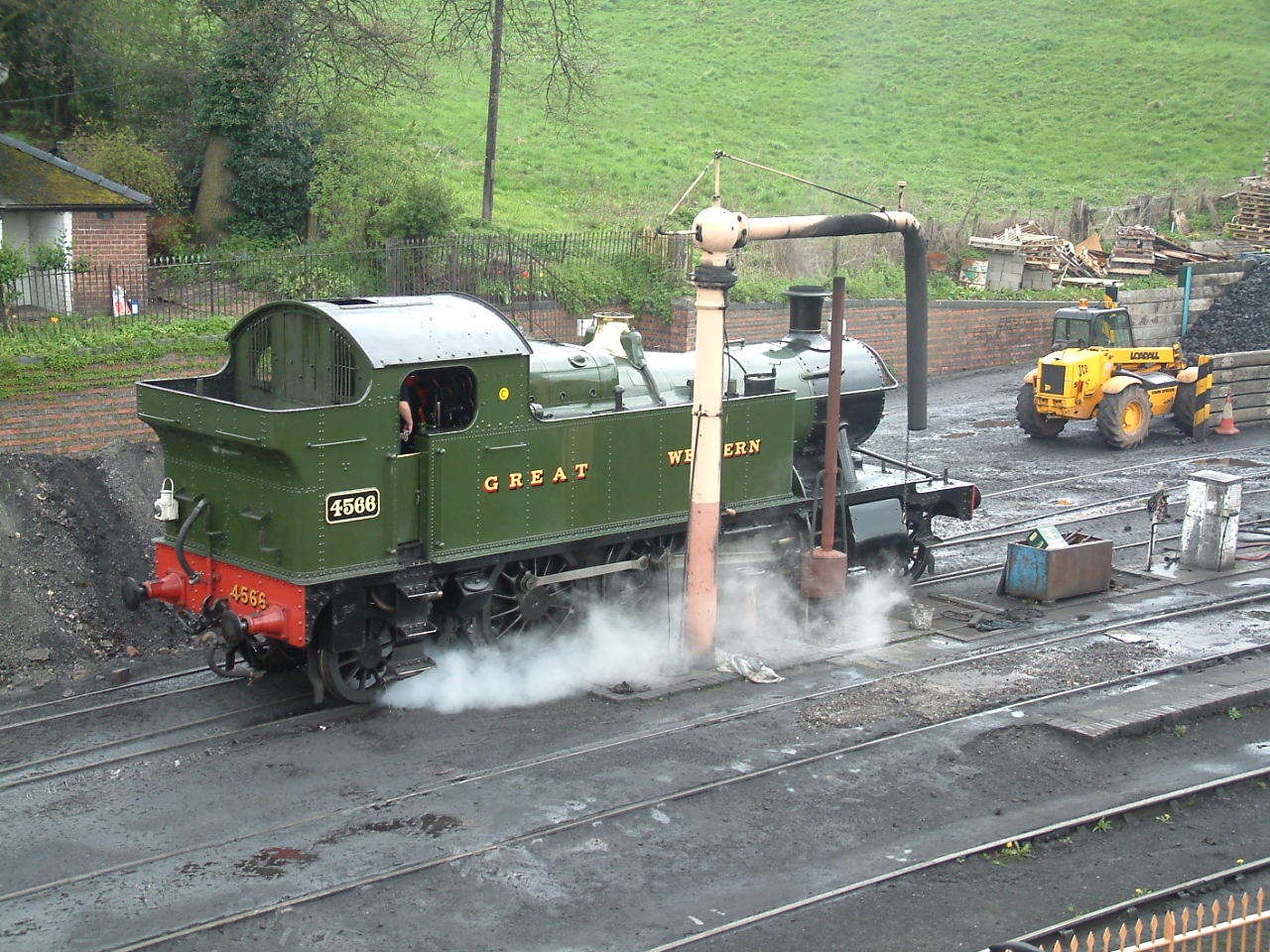
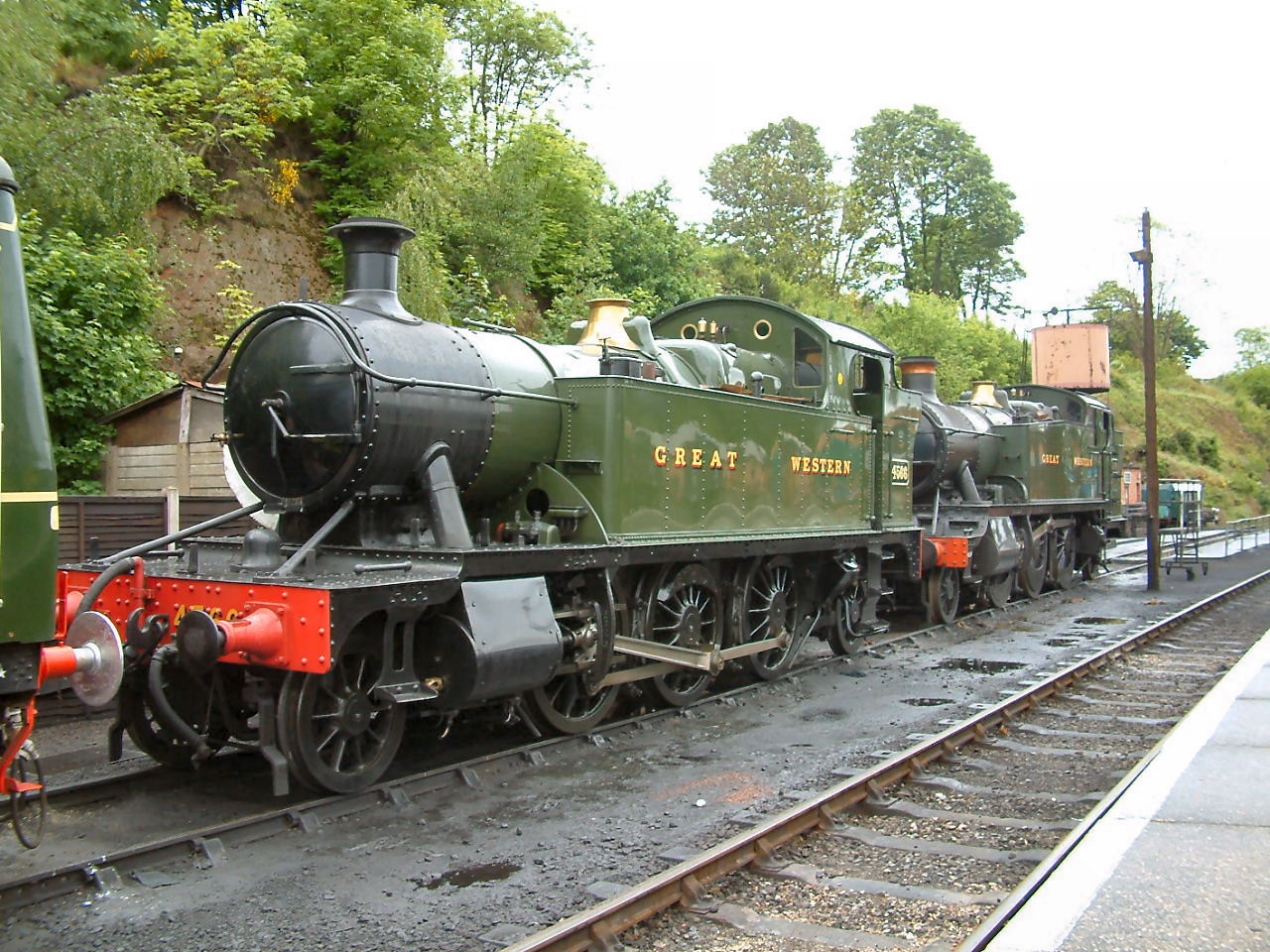
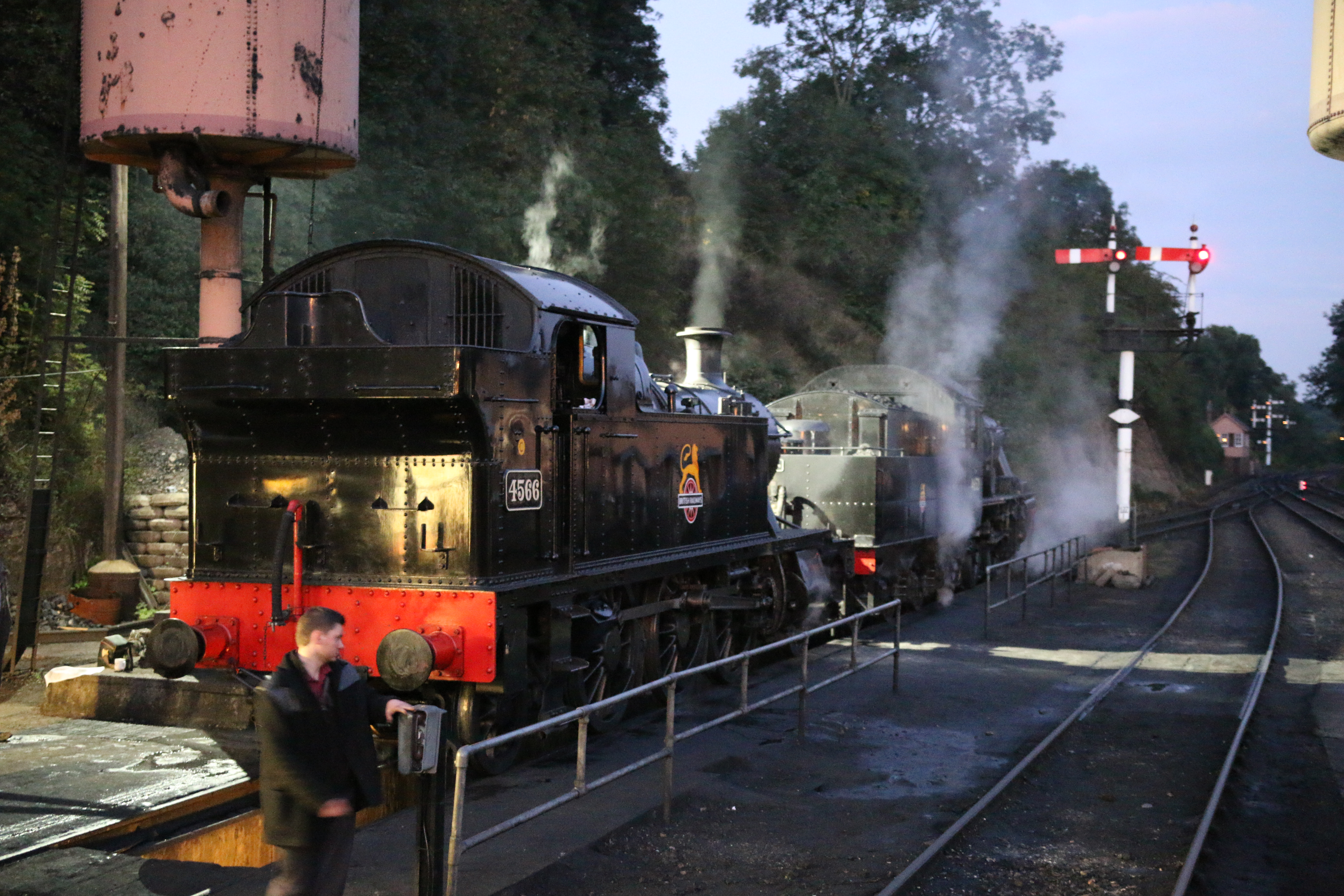
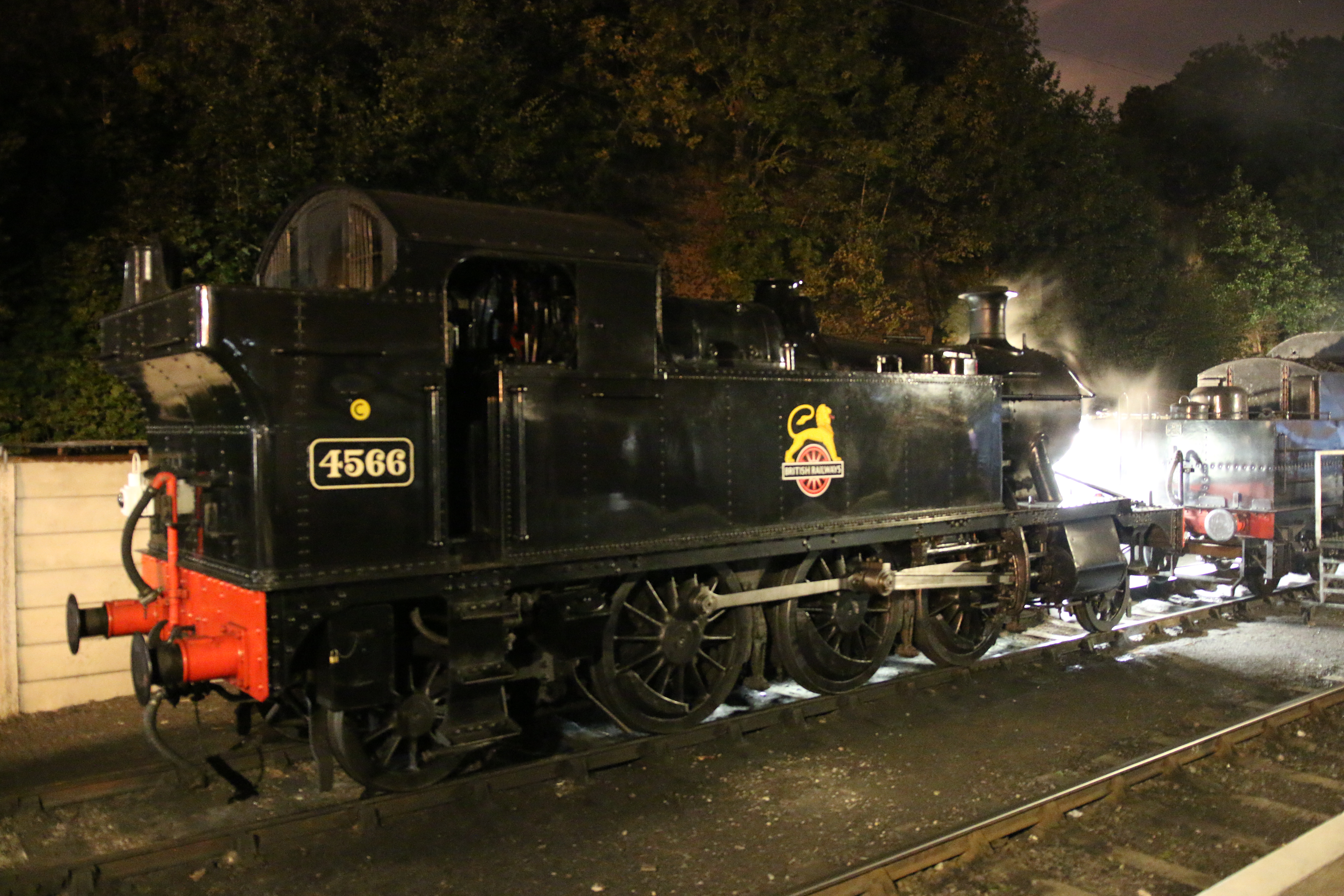
The visually-distinctive feature is the curved-top side tanks, the tanks rise to a curved profile rather than the flat-top tanks of the 4400 Class or the larger 5100 Large Prairie. Combined with the larger 4 ft 7½ in driving wheels, the No. 5 boiler with copper-capped chimney, Belpaire firebox, brass safety-valve cover, and the standard GWR proportions, the 4575 has a chunky but neat outline very characteristic of GWR practice. The class was unnamed.
Numbers and names
4575–4599the original 25 of 1927
- 4575
- 4576
- 4577
- 4578
- 4579
- 4580
- 4581
- 4582
- 4583
- 4584
- 4585
- 4586
- 4587
- 4588
- 4589
- 4590
- 4591
- 4592
- 4593
- 4594
- 4595
- 4596
- 4597
- 4598
- 4599
5500–5574the production batch of , 75 engines
- 5500
- 5501
- 5502
- 5503
- 5504
- 5505
- 5506
- 5507
- 5508
- 5509
- 5510
- 5511
- 5512
- 5513
- 5514
- 5515
- 5516
- 5517
- 5518
- 5519
- 5520
- 5521
- 5522
- 5523
- 5524
- 5525
- 5526
- 5527
- 5528
- 5529
- 5530
- 5531
- 5532
- 5533
- 5534
- 5535
- 5536
- 5537
- 5538
- 5539
- 5540
- 5541
- 5542
- 5543
- 5544
- 5545
- 5546
- 5547
- 5548
- 5549
- 5550
- 5551
- 5552
- 5553
- 5554
- 5555
- 5556
- 5557
- 5558
- 5559
- 5560
- 5561
- 5562
- 5563
- 5564
- 5565
- 5566
- 5567
- 5568
- 5569
- 5570
- 5571
- 5572
- 5573
- 5574
GWR Nos 4575–4599 (the original 25 of 1927) and 5500–5574 (the production batch of 1928–1929, 75 engines). British Railways added BR Western Region prefix.
Notable locomotives
4575, the class prototype, completed at Swindon Works in October 1927. Withdrawn from BR May 1958.
4561, privately preserved at the West Somerset Railway, working order.
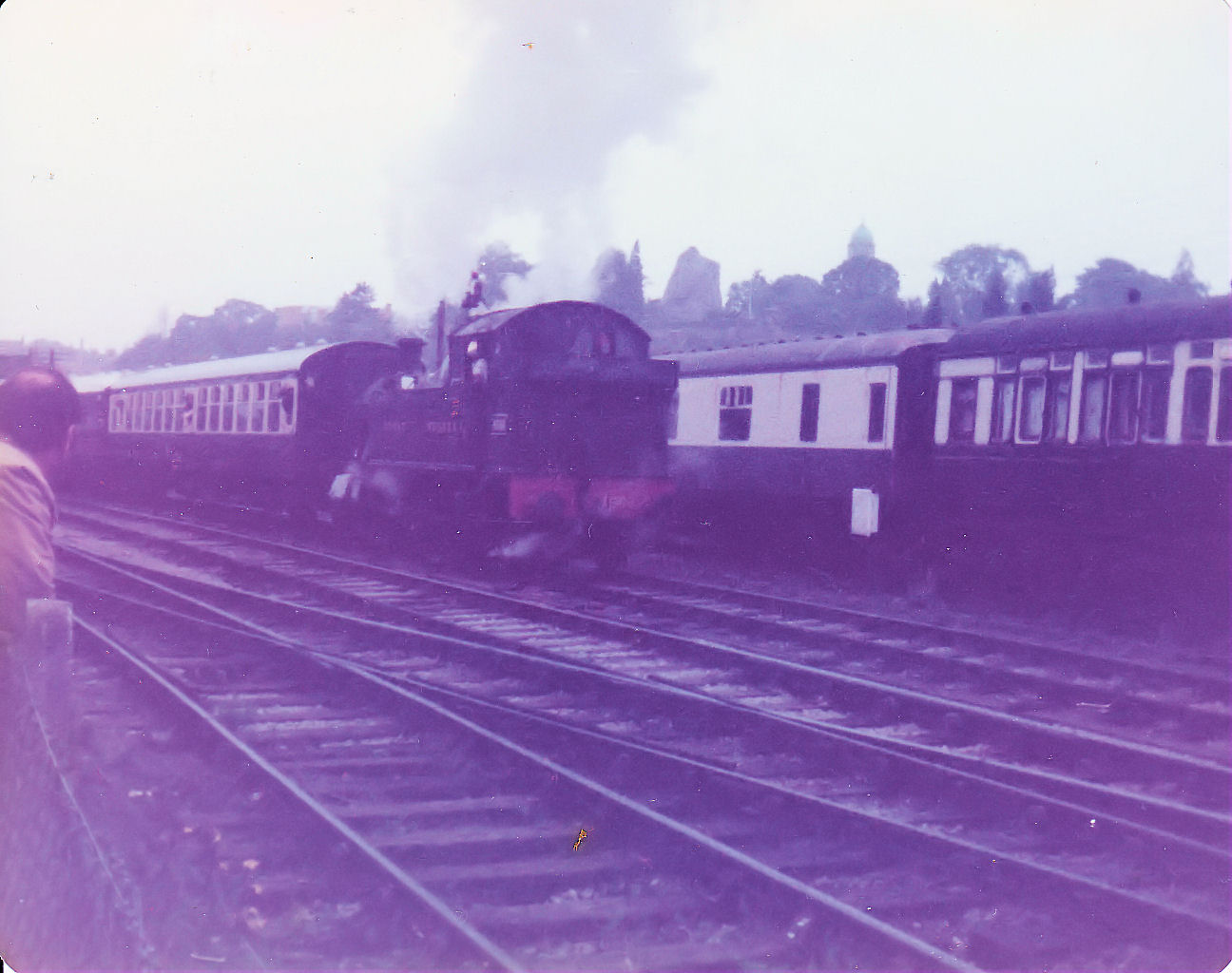
4566, privately preserved at the Severn Valley Railway.
5521, privately preserved at the Llangollen Railway.
5526, privately preserved at the South Devon Railway.
5532, privately preserved.
5538, privately preserved.
5539, privately preserved.
5541, privately preserved.
5542, privately preserved at the Buckinghamshire Railway Centre, Quainton Road.
5552, privately preserved at the Bodmin & Wenford Railway.
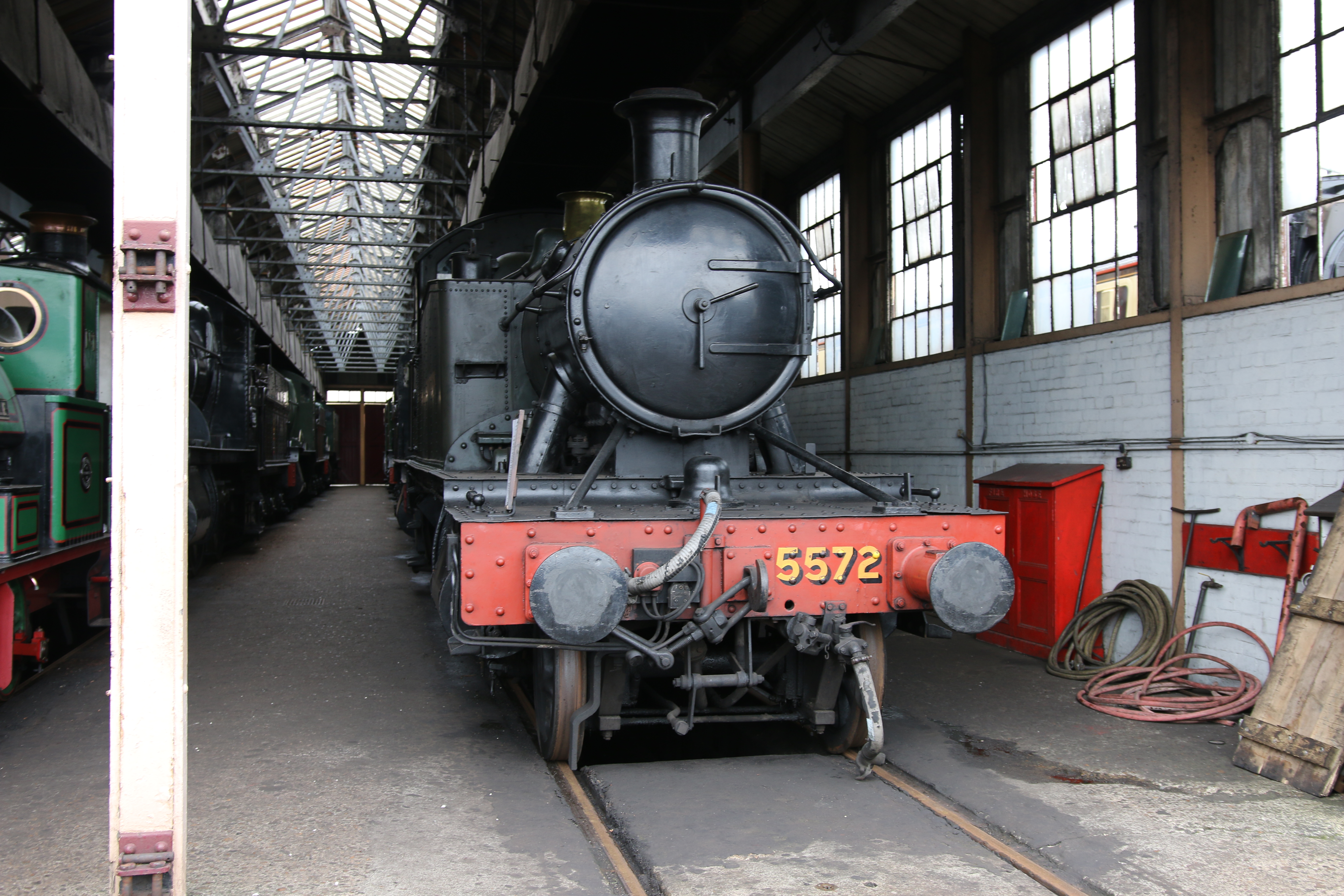
5572, privately preserved at Didcot Railway Centre, working order.
Allocations and regions
GWR era (1927–1947): the class was distributed across the GWR's branch-line network. Major allocations included the Cornish branches (Penzance, St Blazey, Newton Abbot, for the Newquay, Falmouth, and Looe branches), the Welsh valleys (Aberdare, Tondu), the Worcestershire and Herefordshire branches, and the various secondary lines that needed a sturdy small-tank engine.
British Railways Western Region (1948–1964): continued at the same sheds. The arrival of BR diesel multiple units from 1955 onwards on the principal branches progressively reduced demand. The 4575 was the GWR-design tank engine most affected by branch-line closures of the 1950s and early 1960s.
Final years (1962–1964): the Beeching closures from 1963 onwards saw the West Country and rural Welsh branches close in large numbers. The last 4575 in BR service was withdrawn in November 1964.
Livery history
GWR Middle Chrome Green (1927–1947): the class was outshopped in plain GWR Middle Chrome Green with shaded "Great Western" lettering, the GWR standard tank-engine livery. Brass safety-valve cover and copper-capped chimney completed the characteristic GWR appearance.
British Railways Brunswick green or unlined black (1948–1964): from 1948 the class progressively received BR-standard liveries, Brunswick green for passenger-allocated engines, unlined black for freight-allocated examples. Most 4575s wore BR-standard liveries with the early lion-and-wheel emblem (later the late BR crest from 1956).
Preservation: preserved 4575s have appeared in GWR Middle Chrome Green and BR Brunswick green at different periods.
Preservation status
Eleven 4575 Class engines are preserved, an outstanding 11% survival rate. The combination of late survival into the early 1960s and modest size made many engines available to preservation societies as the Beeching closures created supply. Notable preserved examples include:
- 4561, West Somerset Railway, working order.
- 4566, Severn Valley Railway.
- 5521, Llangollen Railway.
- 5526, South Devon Railway.
- 5532, 5538, 5539, 5541, 5542, preserved across various heritage railways.
- 5552, Bodmin & Wenford Railway.
- 5572, Didcot Railway Centre, working order.
Several 4575s have given decades of working service on heritage railways, appropriate to the class's original role as a versatile branch-line workhorse.
Photographs