GWR 4300 Class (Churchward Mogul)
The GWR 4300 Class was a fleet of 342 mixed-traffic 2-6-0 mogul steam locomotives designed by George Jackson Churchward for the Great Western Railway. Built at Swindon Works between 1911 and 1932, the class was the largest single fleet of mixed-traffic 2-6-0s ever built in Britain to a single design, predating Sir William Stanier's LMS Black Five by twenty-three years and exceeding it in numbers. The 4300 was the GWR's standard mixed-traffic engine for over thirty years, and four examples have survived into preservation.
Churchward set out to modernise the GWR's passenger and freight fleet around a small number of standardised classes built on common boilers. The 4300 was Churchward's mixed-traffic 2-6-0, designed in 1911 as a smaller-wheeled companion to his Saint and Star express 4-6-0s. The 5 ft 8 in driving wheel was a deliberate compromise: large enough for fast running on the secondary expresses but small enough for the route availability the class needed. The boiler was the standard No. 4, shared with the Hall, Saint, and Manor classes, and the two outside cylinders gave the class its characteristic GWR appearance and easy-maintenance front end.
Churchward built the original batch of 100 engines (4300 to 4399) between 1911 and 1916. Charles Collett continued the production after Churchward's retirement in 1922, building a further 200-plus engines through to 1932. The class continued largely unchanged through twenty years of production, reflecting the GWR's philosophy of having a single mixed-traffic engine that could handle every secondary and branch service. They were a familiar sight on the Cambrian, the Cornwall main line, the Hereford-Brecon-Neath, the West-Midlands-to-South-Wales cross-country routes, and the great majority of GWR secondary services.
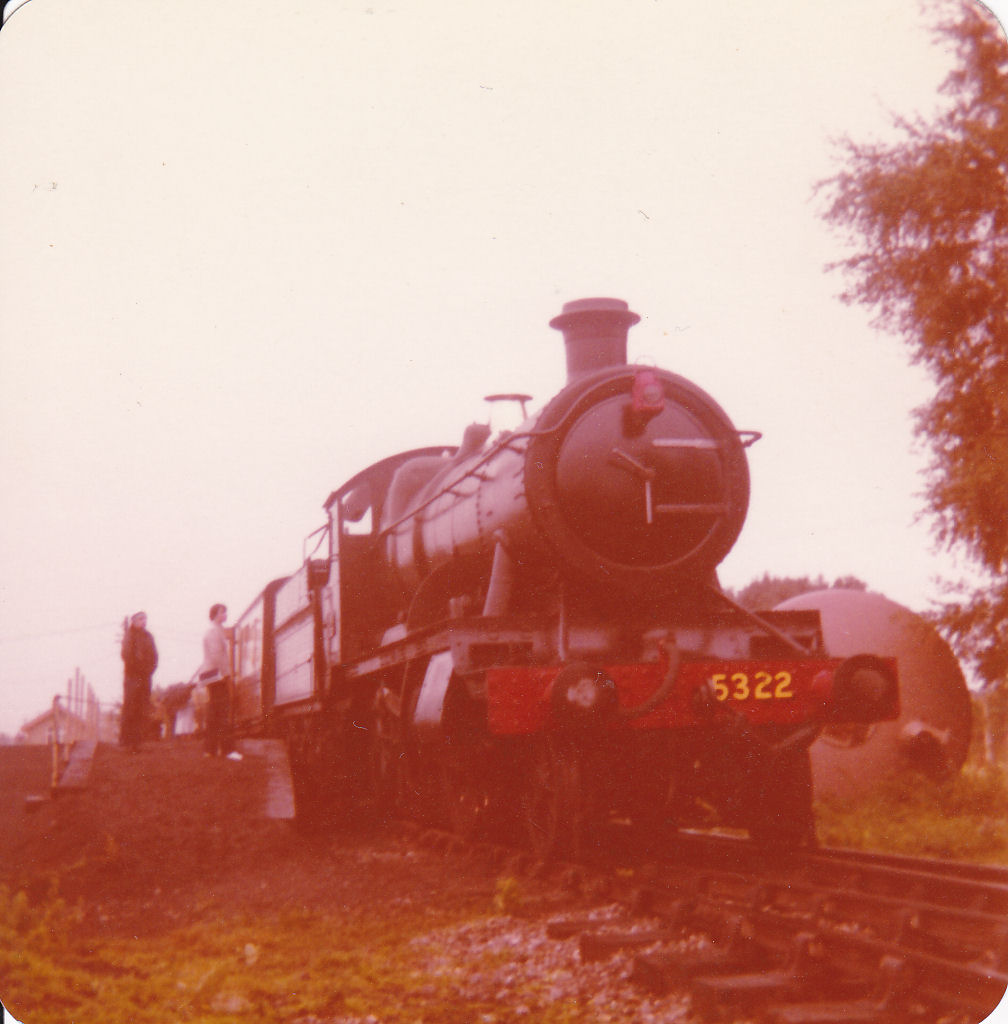
Withdrawals began in the early 1950s as the BR Standard 4MT 2-6-0 (76000 to 76114) and the Hall Class displaced the 4300 from secondary expresses. The class was decimated through the late 1950s and early 1960s, with the last in regular service withdrawn in 1964. Four examples have survived in preservation, including 5322 at the Didcot Railway Centre, which is in working order and has been a regular performer in heritage railway service. The class's wide route availability and modest size have made the survivors useful and reliable performers on heritage railways, an authentic representation of the workhorse mixed-traffic engine that handled so much of the GWR's daily traffic.
Design and development
George Jackson Churchward, who became locomotive superintendent of the GWR in 1902, set out to modernise the GWR's passenger and freight fleet around a small number of standardised classes. The 4300 was Churchward's mixed-traffic 2-6-0, designed in 1911 as a smaller-wheeled companion to his Saint and Star express 4-6-0s. The 5 ft 8 in driving wheel was a deliberate compromise: large enough for fast running on the secondary expresses but small enough for the route availability the class needed.
Churchward built the original batch of 100 engines (4300 to 4399) between 1911 and 1916. Charles Collett continued the production after Churchward's retirement in 1922, building a further 200-plus engines through to 1932. The class shared its boiler with the Hall, Saint, and Manor classes, simplifying construction and maintenance, and was carried over largely unchanged through twenty years of production.
342 engines were built in total, making the 4300 the largest single class of mixed-traffic 2-6-0 ever built in Britain to a single design. The size of the fleet reflected the GWR's philosophy of having a single mixed-traffic engine that could handle every secondary and branch service.
Service and withdrawals
The 4300 was the GWR's standard mixed-traffic engine for over thirty years. They worked secondary expresses, semi-fast trains, summer Saturday relief trains, parcels, milk, and fitted freight across the entire GWR system. They were a familiar sight on the Cambrian, the Cornwall main line, the Hereford-Brecon-Neath, the West-Midlands-to-South-Wales cross-country routes, and the great majority of GWR secondary services.
Withdrawals began in the early 1950s as the BR Standard 4MT 2-6-0 (76000 to 76114) and the Hall Class displaced the 4300 from secondary expresses. The class was decimated through the late 1950s and early 1960s, with the last in regular service withdrawn in 1964. By 1965 the class was extinct apart from those preserved.
Identification features
Numbers and names
4300–4399Churchward original, 1911 to 1916
- 4300
- 4301
- 4302
- 4303
- 4304
- 4305
- 4306
- 4307
- 4308
- 4309
- 4310
- 4311
- 4312
- 4313
- 4314
- 4315
- 4316
- 4317
- 4318
- 4319
- 4320
- 4321
- 4322
- 4323
- 4324
- 4325
- 4326
- 4327
- 4328
- 4329
- 4330
- 4331
- 4332
- 4333
- 4334
- 4335
- 4336
- 4337
- 4338
- 4339
- 4340
- 4341
- 4342
- 4343
- 4344
- 4345
- 4346
- 4347
- 4348
- 4349
- 4350
- 4351
- 4352
- 4353
- 4354
- 4355
- 4356
- 4357
- 4358
- 4359
- 4360
- 4361
- 4362
- 4363
- 4364
- 4365
- 4366
- 4367
- 4368
- 4369
- 4370
- 4371
- 4372
- 4373
- 4374
- 4375
- 4376
- 4377
- 4378
- 4379
- 4380
- 4381
- 4382
- 4383
- 4384
- 4385
- 4386
- 4387
- 4388
- 4389
- 4390
- 4391
- 4392
- 4393
- 4394
- 4395
- 4396
- 4397
- 4398
- 4399
1911–1916
- 1911
- 1912
- 1913
- 1914
- 1915
- 1916
5300–5399Collett continuation, 1917 to 1925
- 5300
- 5301
- 5302
- 5303
- 5304
- 5305
- 5306
- 5307
- 5308
- 5309
- 5310
- 5311
- 5312
- 5313
- 5314
- 5315
- 5316
- 5317
- 5318
- 5319
- 5320
- 5321
- 5322
- 5323
- 5324
- 5325
- 5326
- 5327
- 5328
- 5329
- 5330
- 5331
- 5332
- 5333
- 5334
- 5335
- 5336
- 5337
- 5338
- 5339
- 5340
- 5341
- 5342
- 5343
- 5344
- 5345
- 5346
- 5347
- 5348
- 5349
- 5350
- 5351
- 5352
- 5353
- 5354
- 5355
- 5356
- 5357
- 5358
- 5359
- 5360
- 5361
- 5362
- 5363
- 5364
- 5365
- 5366
- 5367
- 5368
- 5369
- 5370
- 5371
- 5372
- 5373
- 5374
- 5375
- 5376
- 5377
- 5378
- 5379
- 5380
- 5381
- 5382
- 5383
- 5384
- 5385
- 5386
- 5387
- 5388
- 5389
- 5390
- 5391
- 5392
- 5393
- 5394
- 5395
- 5396
- 5397
- 5398
- 5399
1917–1925
- 1917
- 1918
- 1919
- 1920
- 1921
- 1922
- 1923
- 1924
- 1925
6300–6399Collett, 1923 to 1928
- 6300
- 6301
- 6302
- 6303
- 6304
- 6305
- 6306
- 6307
- 6308
- 6309
- 6310
- 6311
- 6312
- 6313
- 6314
- 6315
- 6316
- 6317
- 6318
- 6319
- 6320
- 6321
- 6322
- 6323
- 6324
- 6325
- 6326
- 6327
- 6328
- 6329
- 6330
- 6331
- 6332
- 6333
- 6334
- 6335
- 6336
- 6337
- 6338
- 6339
- 6340
- 6341
- 6342
- 6343
- 6344
- 6345
- 6346
- 6347
- 6348
- 6349
- 6350
- 6351
- 6352
- 6353
- 6354
- 6355
- 6356
- 6357
- 6358
- 6359
- 6360
- 6361
- 6362
- 6363
- 6364
- 6365
- 6366
- 6367
- 6368
- 6369
- 6370
- 6371
- 6372
- 6373
- 6374
- 6375
- 6376
- 6377
- 6378
- 6379
- 6380
- 6381
- 6382
- 6383
- 6384
- 6385
- 6386
- 6387
- 6388
- 6389
- 6390
- 6391
- 6392
- 6393
- 6394
- 6395
- 6396
- 6397
- 6398
- 6399
1923–1928
- 1923
- 1924
- 1925
- 1926
- 1927
- 1928
7300–7399Collett, 1932
- 7300
- 7301
- 7302
- 7303
- 7304
- 7305
- 7306
- 7307
- 7308
- 7309
- 7310
- 7311
- 7312
- 7313
- 7314
- 7315
- 7316
- 7317
- 7318
- 7319
- 7320
- 7321
- 7322
- 7323
- 7324
- 7325
- 7326
- 7327
- 7328
- 7329
- 7330
- 7331
- 7332
- 7333
- 7334
- 7335
- 7336
- 7337
- 7338
- 7339
- 7340
- 7341
- 7342
- 7343
- 7344
- 7345
- 7346
- 7347
- 7348
- 7349
- 7350
- 7351
- 7352
- 7353
- 7354
- 7355
- 7356
- 7357
- 7358
- 7359
- 7360
- 7361
- 7362
- 7363
- 7364
- 7365
- 7366
- 7367
- 7368
- 7369
- 7370
- 7371
- 7372
- 7373
- 7374
- 7375
- 7376
- 7377
- 7378
- 7379
- 7380
- 7381
- 7382
- 7383
- 7384
- 7385
- 7386
- 7387
- 7388
- 7389
- 7390
- 7391
- 7392
- 7393
- 7394
- 7395
- 7396
- 7397
- 7398
- 7399
GWR 4300 to 4399 (Churchward original, 1911 to 1916), 5300 to 5399 (Collett continuation, 1917 to 1925), 6300 to 6399 (Collett, 1923 to 1928), 7300 to 7399 (Collett, 1932). Total 342, although the boundaries between the sub-series shifted with rebuilding programmes. The class was renumbered slightly through the 1920s as Collett rebuilt some engines with larger boilers; the original 4300 to 4399 series was the prototype batch.
Notable locomotives
Four 4300s have survived in preservation. 5322 entered service in 1917 from Swindon and worked the Western Region for nearly fifty years. Withdrawn in 1964, it was preserved at the Didcot Railway Centre, where it has worked in heritage railway service.
7325 (later renumbered 9303) and 9303 (sometimes confused with 7325) survived from the late-build series. Both are preserved at heritage railways and have appeared in steam at various venues.
One member of the class, 7327 (later 9304), was modified by Collett in the 1920s with a larger boiler to become a Manor-class prototype, and that experimental rebuild remains a footnote in GWR design history.
The class's longevity in service (over fifty years for many engines) and its general usefulness made it a familiar sight at GWR engine sheds and a popular candidate for preservation.
Allocations and regions
Livery history
The class was outshopped from new in GWR middle-chrome green livery, lined out in black-and-orange, with the GWR coat of arms on the tender. The post-1928 simplified GWR green appeared at later overhauls. British Railways from 1948 painted the class in plain mixed-traffic black with the early lion-and-wheel emblem; from 1956 the late ferret-and-dartboard crest. Preserved examples have appeared in both GWR-period green and BR plain black liveries.
Preservation status
Four 4300 Class engines have survived in preservation. 5322 at the Didcot Railway Centre is in working order and has been a regular performer in heritage railway service. The other three preserved engines are at various heritage railways across Britain.
The class's wide route availability and modest size have made the survivors useful and reliable performers on heritage railways. None of the unpreserved 338 engines remain.
Photographs