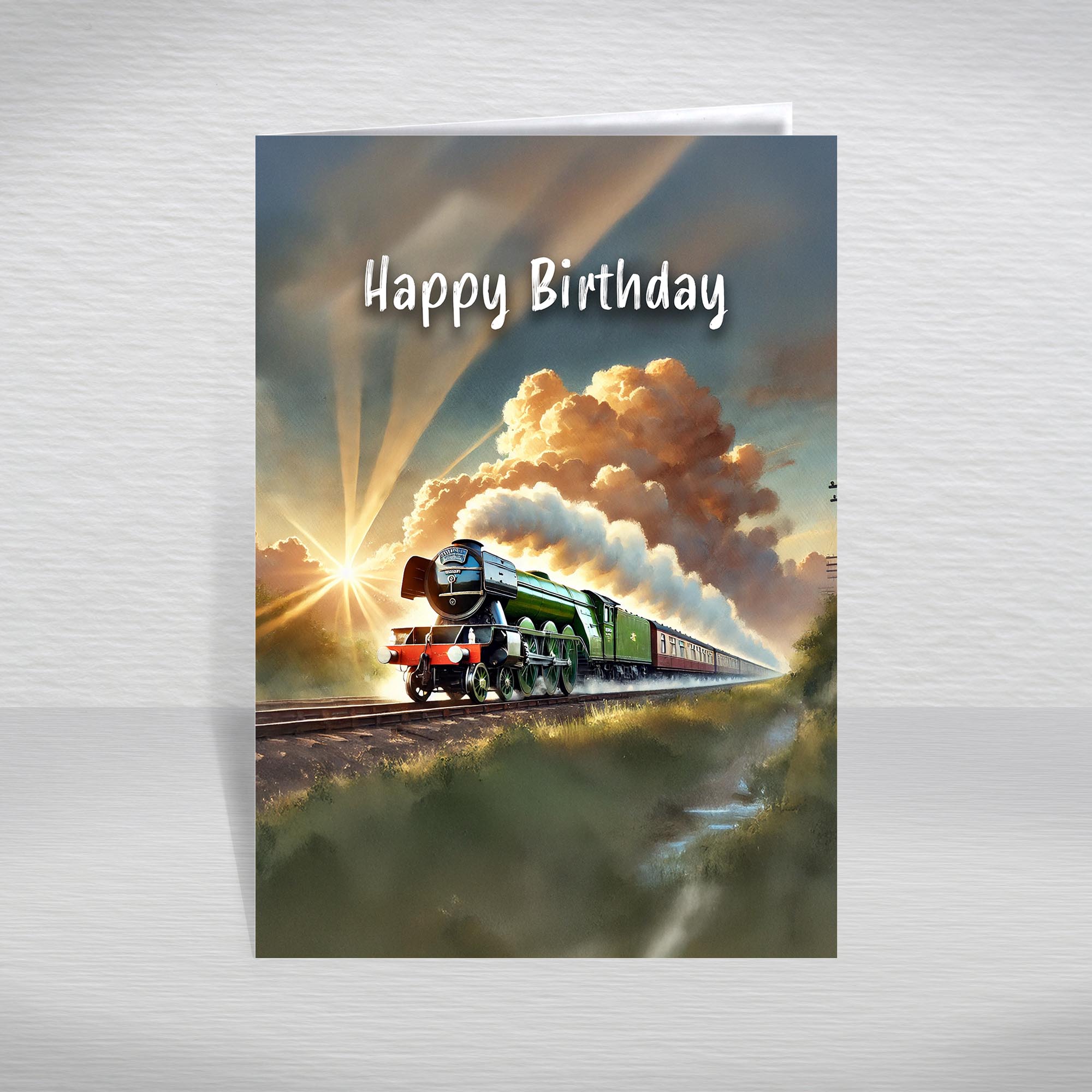
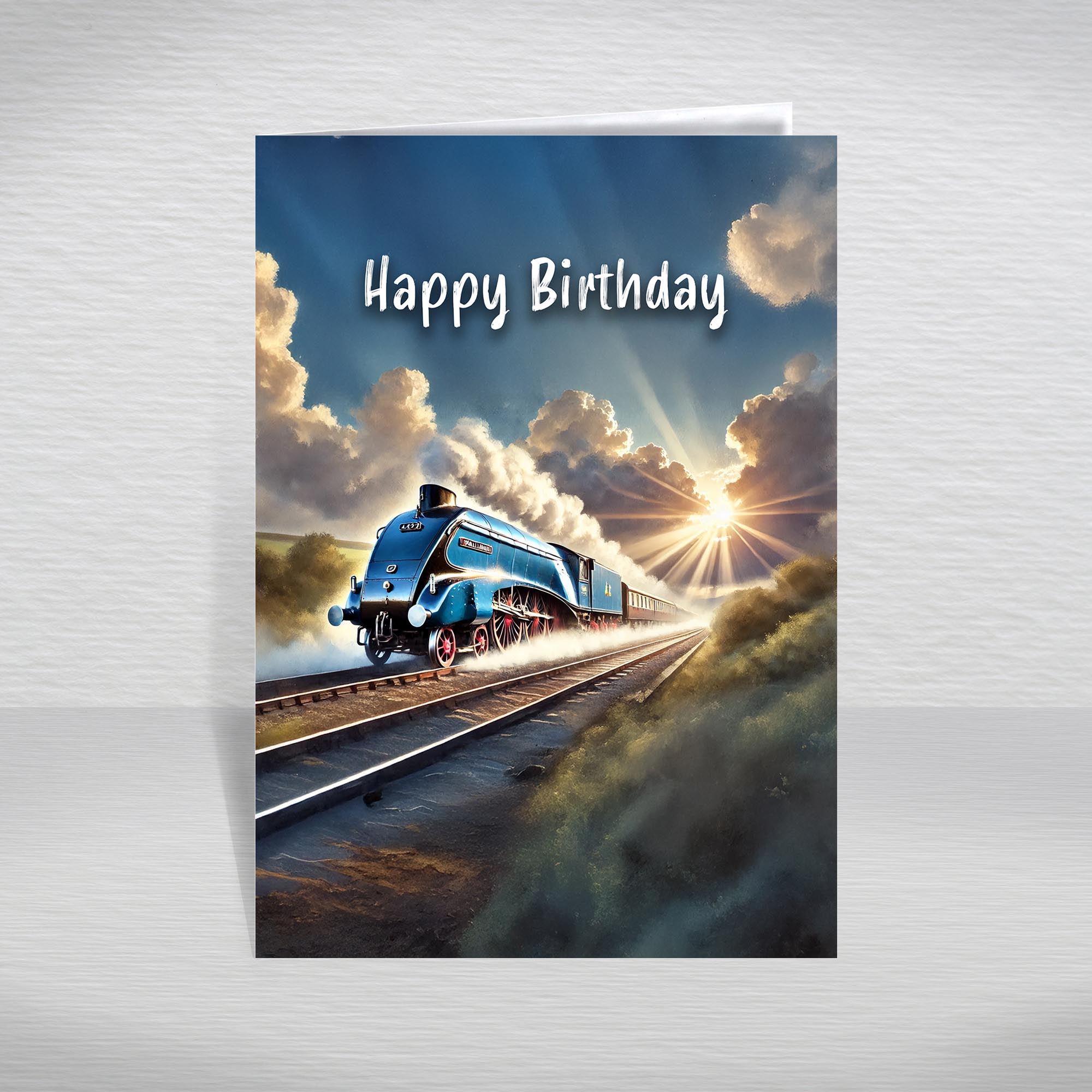
GCR 8A Class
The GCR Class 8A was a series of inside-cylinder 4-6-0 mixed traffic locomotives designed by John George Robinson and introduced in 1899 at Gorton Works — the first 4-6-0 tender locomotives to operate on the Great Central Railway and among the earliest 4-6-0s introduced on any British main-line railway. Robinson adopted the 4-6-0 wheel arrangement for mixed traffic work requiring more adhesion than the 4-4-0 could provide, and the class found employment on the heavier goods and express goods workings on the GCR main line, as well as on secondary passenger duties where the additional adhesion was an advantage on the easier grades.
The 4-6-0 wheel arrangement — four leading wheels and six coupled driving wheels — gave the Class 8A approximately 50 per cent more adhesive weight than the 4-4-0 types, essential for starting and hauling heavy freight and mixed trains on the gradients of the GCR's main line through the East Midlands. Robinson's 8A used inside cylinders in an era when British locomotive engineers were still divided on the merits of inside versus outside cylinder arrangements for 4-6-0 designs, and the resulting locomotive was clean and accessible in appearance, if less powerful than the outside-cylinder 4-6-0s that some other companies were building at the same period.
The 8A Class gave useful service on GCR mixed traffic and goods work from 1899, supplementing the Atlantics on the passenger side and working the heavier freight duties that fell outside the Atlantics' remit. After the 1923 Grouping they passed to the LNER, which classified them accordingly and continued to use them on secondary duties until withdrawal. None was preserved.
Design and development
Robinson introduced the 8A Class at Gorton in 1899 as the GCR's first 4-6-0, providing more adhesion than the 4-4-0 for heavier mixed traffic work. The inside-cylinder layout was Robinson's preference for this early 4-6-0 design, giving clean external appearance and accessible maintenance.
Service and withdrawals
The 8A Class worked GCR mixed traffic duties from 1899. After the 1923 Grouping they passed to the LNER and were used on secondary duties until withdrawal in the 1930s. None was preserved.
Identification features
Inside-cylinder 4-6-0 with 5 ft 1 in coupled wheels, parallel boiler.
Notable locomotives
- Various — none preserved
Livery history
Preservation status
None preserved.