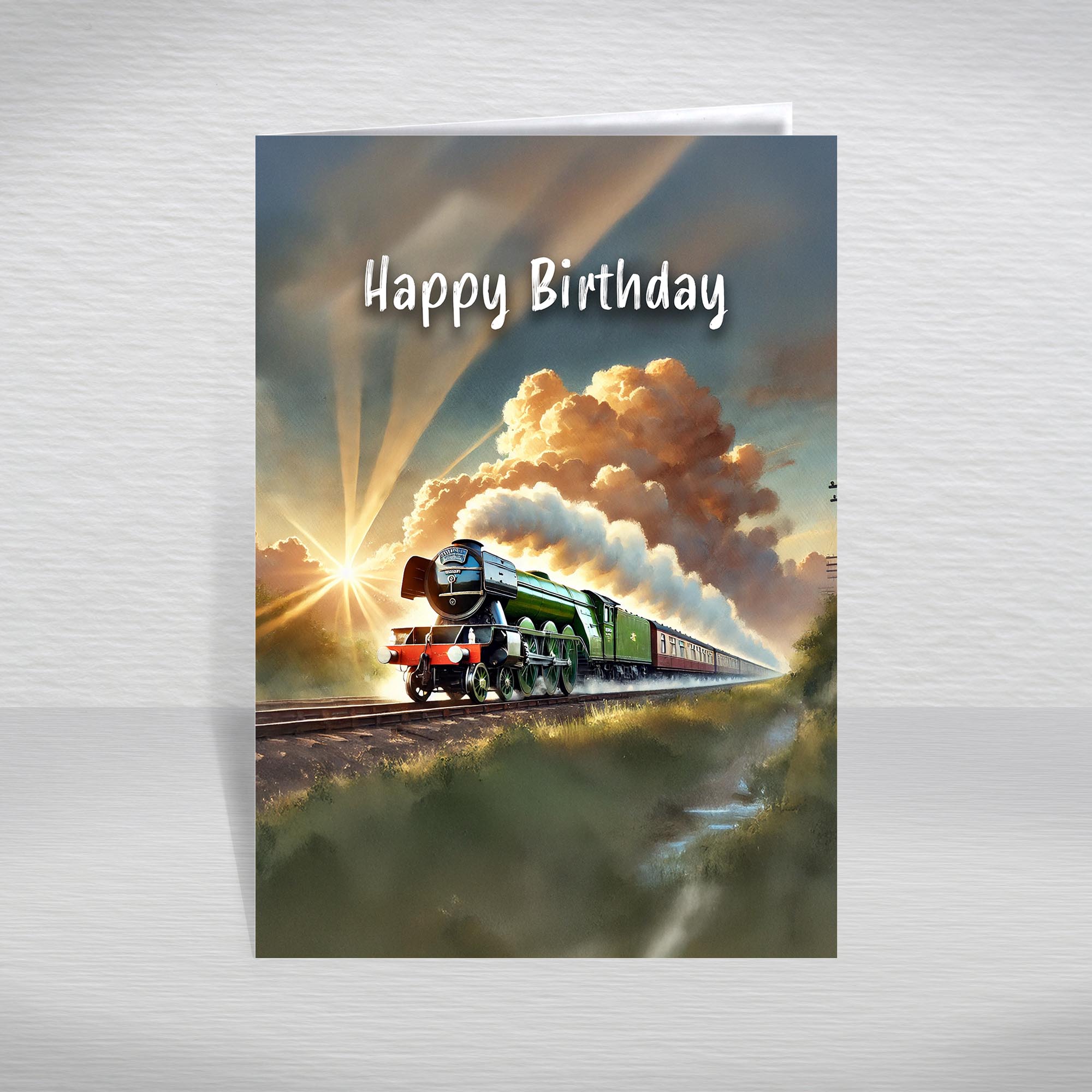
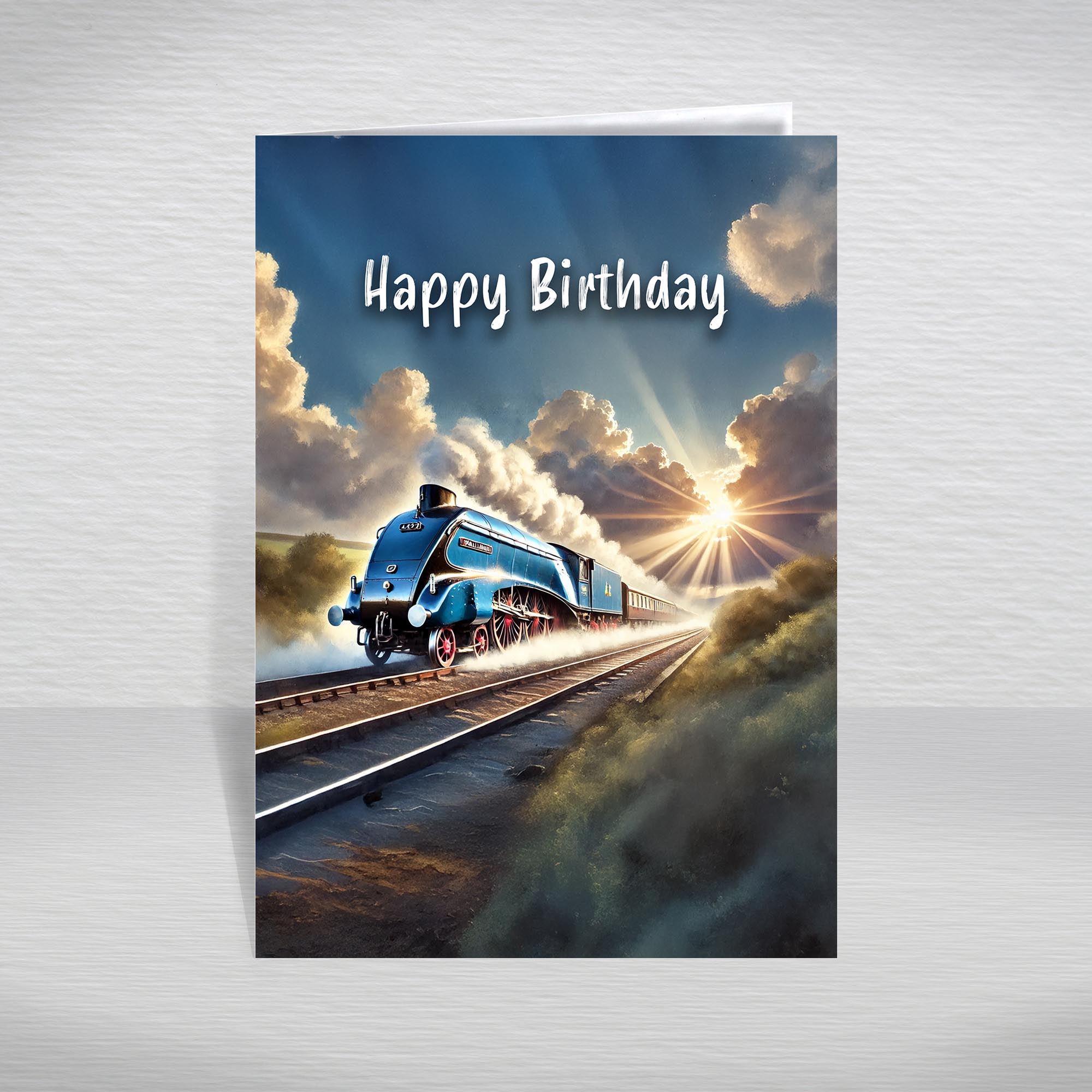
NBR Stirling Bogie passenger Class
The North British Railway Stirling Bogie Passenger Class was a series of 4-4-0 express passenger locomotives associated with the early application of the leading bogie to NBR express passenger working, introduced during the tenures of Thomas Wheatley and his successors at Cowlairs Works from the early 1870s. The Stirling connection — reflecting the influence of Patrick Stirling's bogie passenger locomotive design philosophy, which had been influential across British railway practice through the Great Northern's celebrated express types — placed the NBR among the earliest Scottish railways to adopt the 4-4-0 configuration for its principal express services.
The adoption of the leading bogie for Scottish express locomotives was particularly significant given the demanding nature of the Scottish routes: the Waverley Route between Edinburgh and Carlisle traversed the Southern Uplands at over 1,000 ft, the North British's routes through the Border Country involved continuous gradients, and even the Edinburgh–Glasgow Queen Street line required sustained climbing on the Cowlairs bank and elsewhere. The leading bogie's ability to guide the locomotive smoothly through curves and over irregular track at moderate express speeds was well suited to Scotland's varied and demanding main-line geography.
The Stirling Bogie Passenger Class worked the NBR's principal express services in the early 1870s through to the 1880s, when Holmes's more numerous and standardised Class M 4-4-0s provided the majority of express motive power. The early bogie passenger locomotives represented an important step in the development of NBR express practice and established the 4-4-0 as the standard Scottish express wheel arrangement that would persist through to the Grouping era. None was preserved.
Design and development
Built at Cowlairs Works from 1871 under Wheatley's superintendency as the NBR's first leading-bogie express type. The adoption of the 4-4-0 configuration for Scottish express working established the standard that Holmes and Reid would develop through to the LNER era.
Service and withdrawals
Worked NBR principal express services from 1871. Holmes Class M types progressively replaced them from the mid-1880s. All withdrawn by c.1900. None preserved.
Identification features
Inside-cylinder 4-4-0 with 6 ft 6 in coupled wheels, leading 4-wheel bogie.
Notable locomotives
- See 224 class
Allocations and regions
St Margarets (Edinburgh) and Eastfield (Glasgow) for NBR principal express services.
Livery history
Preservation status
None preserved. The NBR express locomotive heritage is represented through later Holmes and Reid types preserved on heritage railways.