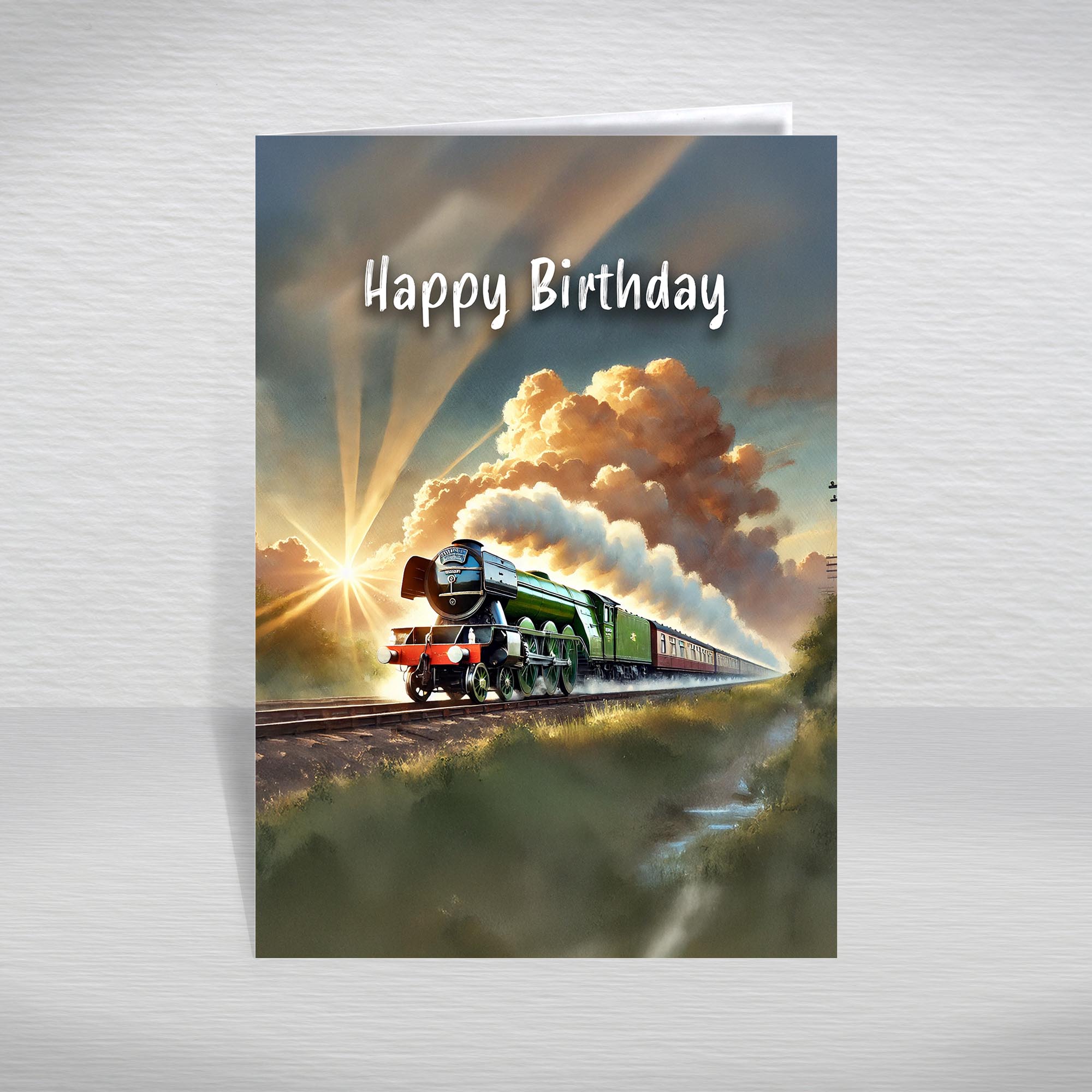
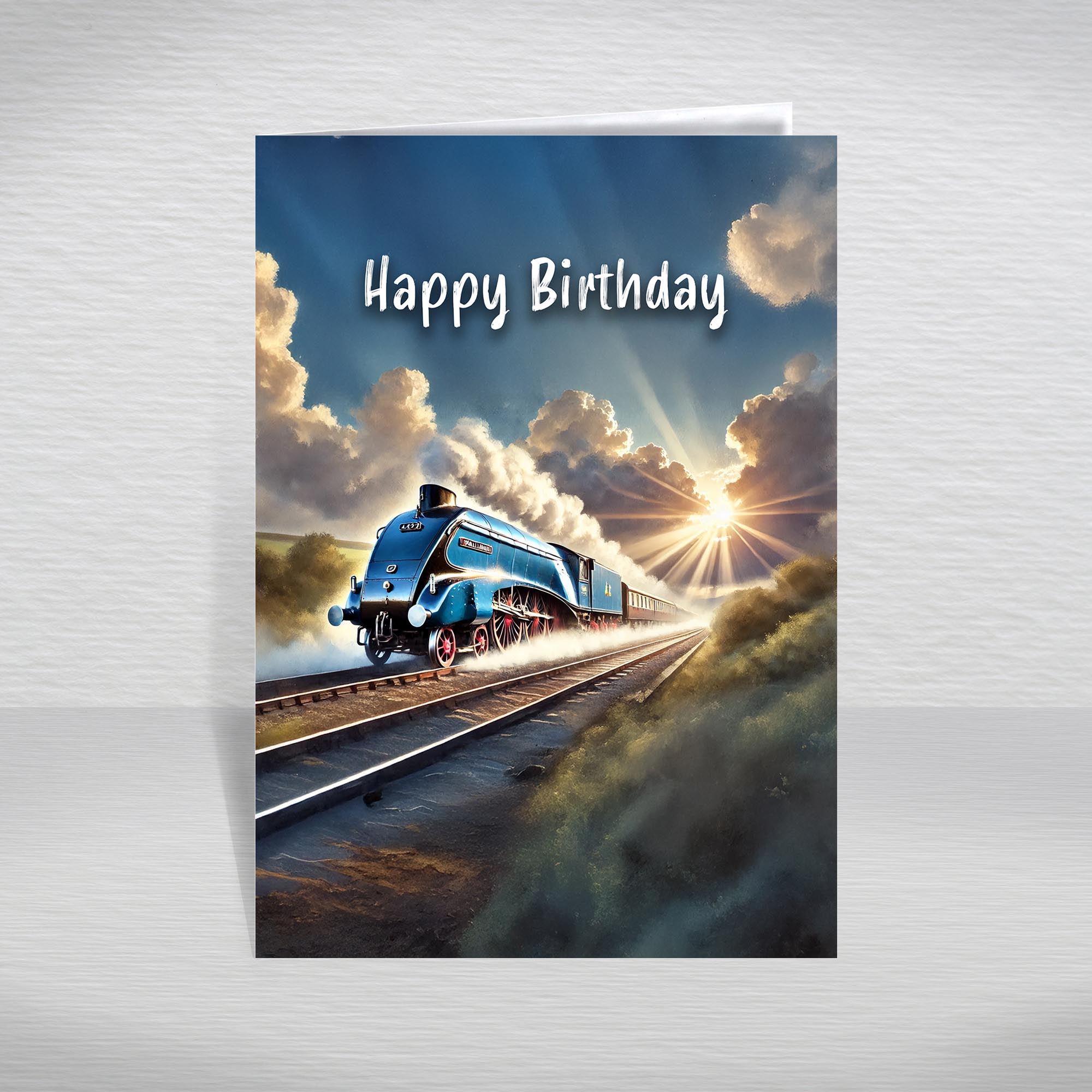
LNWR Whale Experiment Class
The LNWR Whale Experiment Class was a series of ten two-cylinder 4-6-0 express passenger locomotives designed by George Whale and introduced at Crewe Works in 1905, representing Whale's first 4-6-0 design and the LNWR's first serious attempt at a six-coupled express tender locomotive after the era of Webb's 2-4-0 and compound types. The Experiment Class — named partly as an ironic nod to the problematic Webb compounds that had preceded it, partly as an honest acknowledgement that the 4-6-0 was a new configuration for the LNWR — demonstrated that the West Coast Main Line could support a six-coupled express type but revealed limitations that led directly to the development of the much more successful Claughton Class under Bowen-Cooke.
Whale designed the Experiment Class in 1904–05 with two outside cylinders and 6 ft 3 in coupled wheels, giving a locomotive of modest power by the standards of the larger 4-6-0s that would follow. The parallel boiler — unsuperheated — was the weak point: without superheating, the steam consumption of a six-coupled locomotive on the demanding WCML schedules was higher than the boiler could comfortably sustain over long periods, and the Experiment Class was prone to losing steam pressure on extended hard runs. Ten examples were built in 1905, and the class's limitations quickly became apparent.
In operational terms the Experiment Class proved a qualified success at best: capable of adequate performance on moderate duties but struggling with the heaviest Anglo-Scottish expresses on the long ascents to Shap and Beattock. The fundamental problem was the unsuperheated boiler rather than the six-coupled wheel arrangement itself, and Bowen-Cooke's subsequent Claughton Class — with four cylinders and a superheated boiler — addressed both shortcomings. The Experiment Class gave service under the LNWR and into the LMS era before withdrawal. None was preserved.
Design and development
Whale designed the Experiment Class at Crewe in 1904–05 as the LNWR's first 4-6-0, testing the six-coupled wheel arrangement for WCML express duties. The unsuperheated parallel boiler proved inadequate for sustained hard running; Bowen-Cooke's subsequent Claughton addressed this with four cylinders and superheating. 10 examples only were built.
Service and withdrawals
The Experiment Class worked WCML express duties from 1905 with qualified success. Superseded by the Claughton Class from 1913. LMS ownership after 1923; withdrawn c.1928–35. None preserved.
Identification features
Inside-cylinder 4-6-0 with 6 ft 3 in coupled wheels.
Notable locomotives
- Experiment (1905, not preserved)
Allocations and regions
Crewe North for WCML principal express duties: Euston–Crewe–Carlisle–Glasgow services.
Livery history
Preservation status
None preserved. The LNWR express 4-6-0 tradition is better represented by the subsequent Claughton Class, also unfortunately unpreserved. The LNWR express legacy survives through the George V Class Coronation at NRM York.