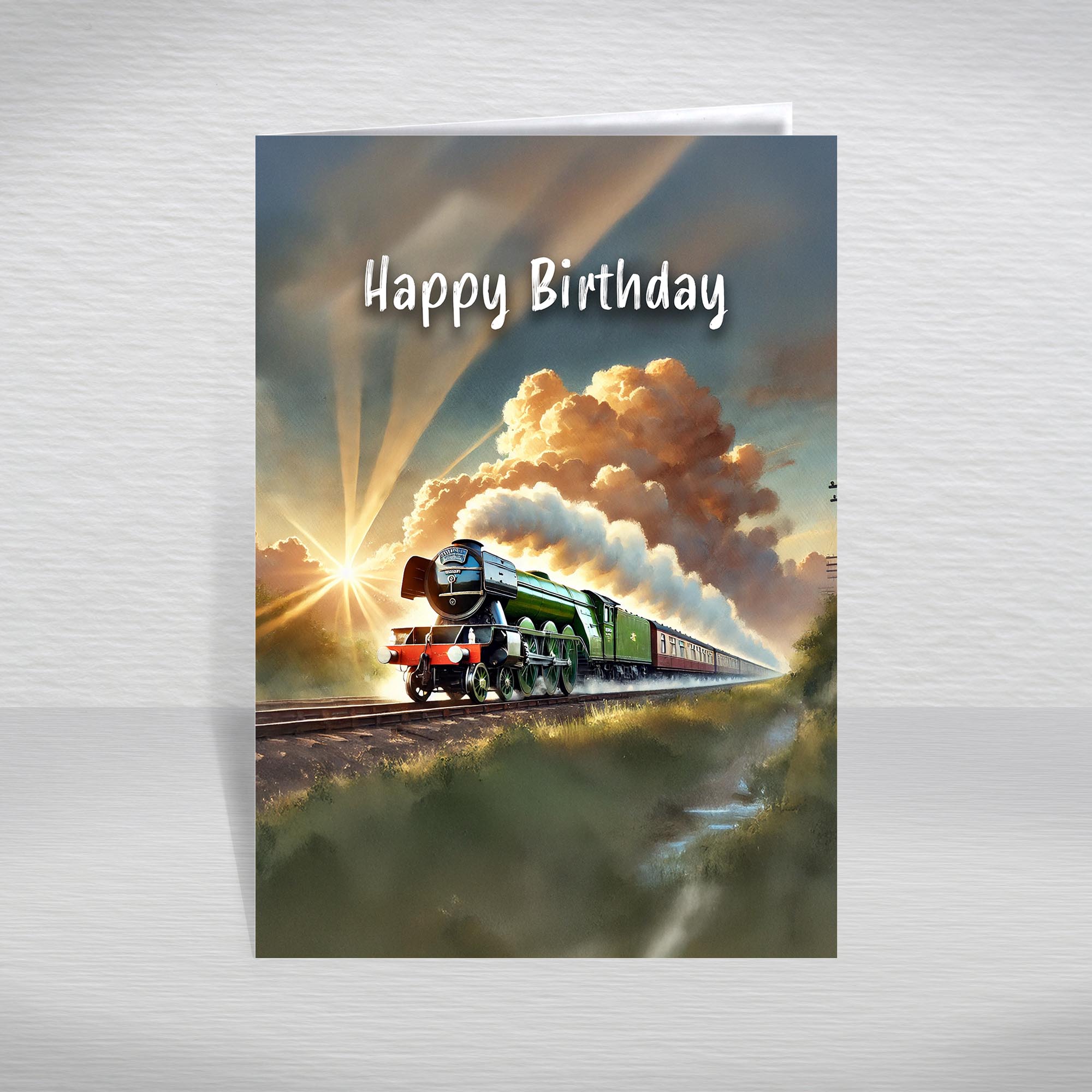
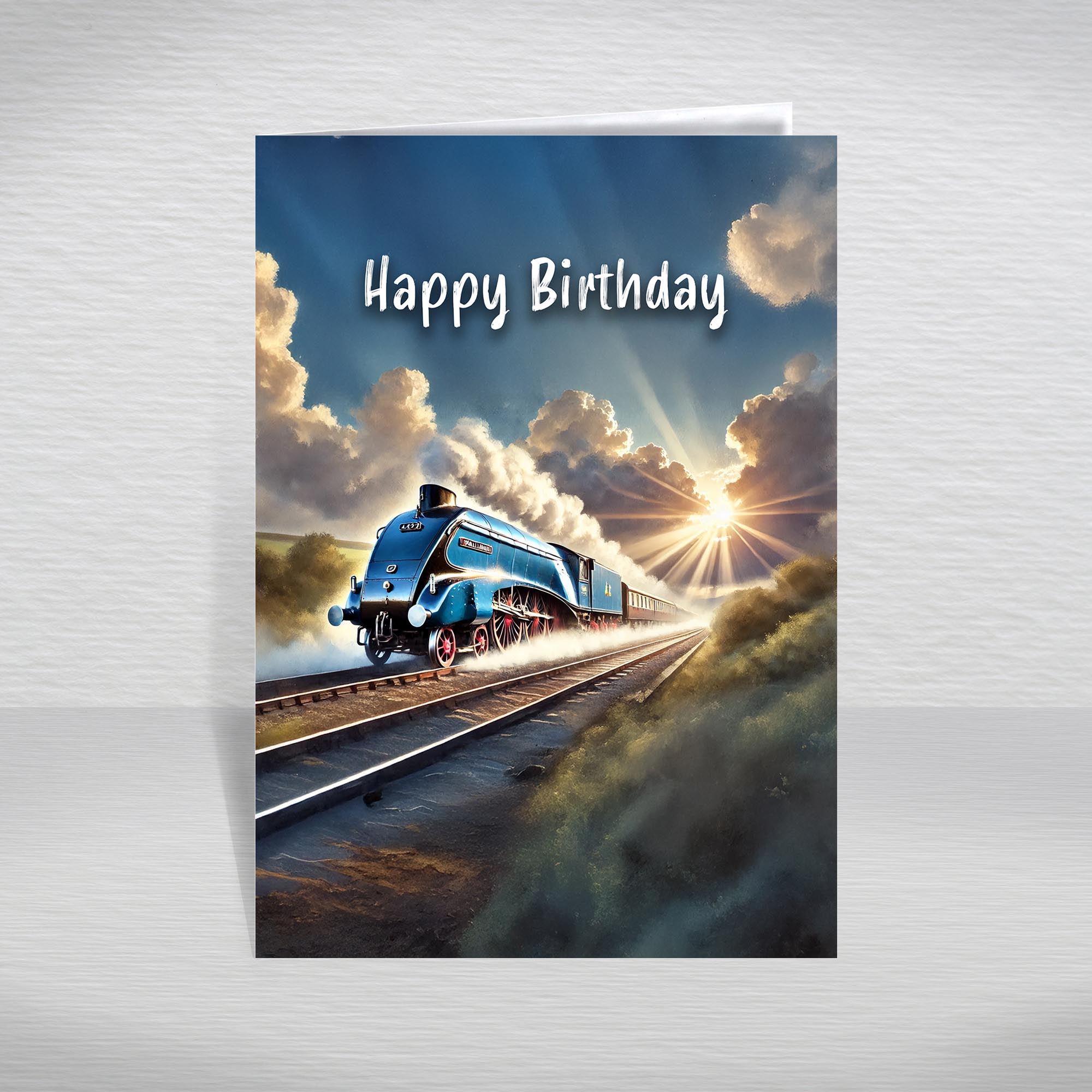
LNER Raven Class A2
The NER/LNER Raven Class A2 Pacific was a series of five 4-6-2 express passenger tender locomotives designed by Vincent Raven, Chief Mechanical Engineer of the North Eastern Railway, and introduced in 1922 — the NER's sole contribution to the Pacific wheel arrangement in British practice, built in the final months before the NER was absorbed into the LNER at the 1923 Grouping. Raven's A2 was a direct competitor to Gresley's Great Northern Railway A1 Pacific of 1922, with both designs representing the British railway industry's move to the six-coupled Pacific configuration for the most demanding express passenger duties.
The Raven Pacific used three cylinders with Stephenson valve gear — a different approach from Gresley's conjugated valve gear — and a high-pitched large boiler suited to the sustained high-speed running of the East Coast Main Line expresses between York and Edinburgh. At the time of its introduction, the Raven A2 was the most powerful express locomotive in Britain, though it was quickly overtaken by Gresley's developed A1 designs once the LNER was formed.
After the Grouping, the LNER found itself with two competing Pacific designs — Gresley's A1 and Raven's A2 — and the subsequent comparative trials in 1923 demonstrated Gresley's design to be the more capable and economical. The Raven Pacifics were progressively withdrawn in the early 1930s, relatively early retirements for locomotives built in 1922. None was preserved, a loss that is particularly felt given their historical significance as the last NER express design.
Design and development
Raven designed the A2 at Darlington in 1921–22 as the NER's Pacific express locomotive, using three cylinders with Stephenson valve gear rather than Gresley's conjugated arrangement. Five were built 1922–24. LNER comparative trials in 1923 demonstrated Gresley's A1 to be more efficient, and the Raven Pacifics were progressively displaced and withdrawn 1929–37.
Service and withdrawals
The Raven Pacifics worked ECML express duties 1922–37. Following the 1923 trials they were found less efficient than Gresley's A1s and were progressively withdrawn, the last gone by 1937. None preserved, which is a significant loss given their historical importance as the NER's final and most ambitious express locomotive.
Identification features
Three-cylinder 4-6-2 with 6 ft 8 in coupled wheels.
Numbers and names
2400–2404Five locomotives numbered 2400–2404; named City of Newcastle, City of York, City of Durham, City of Ripon, City of Edinburgh
- 2400
- 2401
- 2402
- 2403
- 2404
Five locomotives, all named after cities on the East Coast Main Line. None preserved.
Notable locomotives
- 2400 City of Newcastle, 2401 City of Kingston upon Hull (1922, not preserved)
Allocations and regions
Gateshead and Heaton (Newcastle) for East Coast Main Line express working: York–Newcastle–Edinburgh services.
Livery history
Preservation status
None preserved. The NER express tradition is represented by the preserved NER P3 Class 0-6-0 and other NER types at the National Railway Museum and Darlington Locomotive Works Trust. The Gresley A1 and A3 Pacifics that succeeded the Raven design are well represented in preservation.