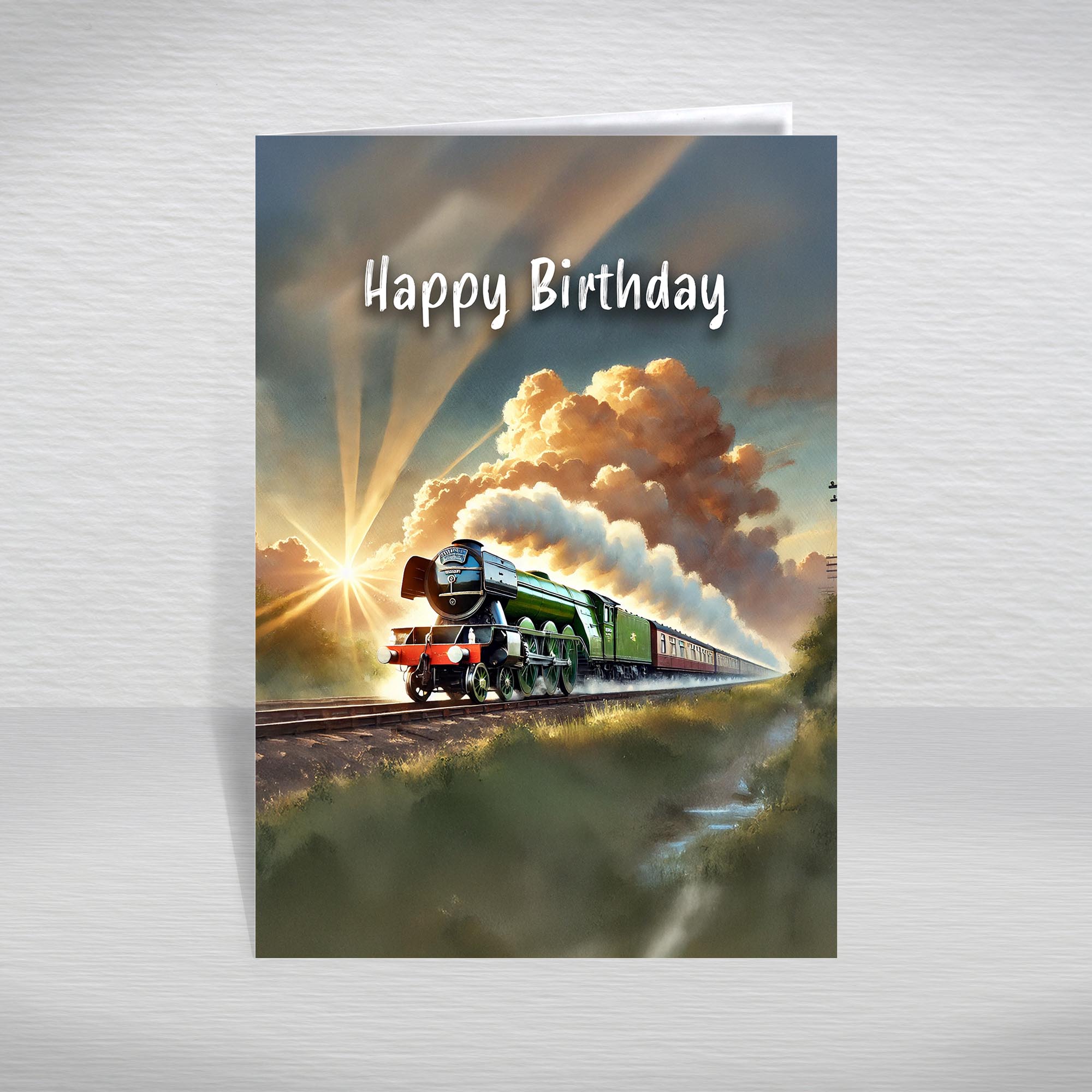
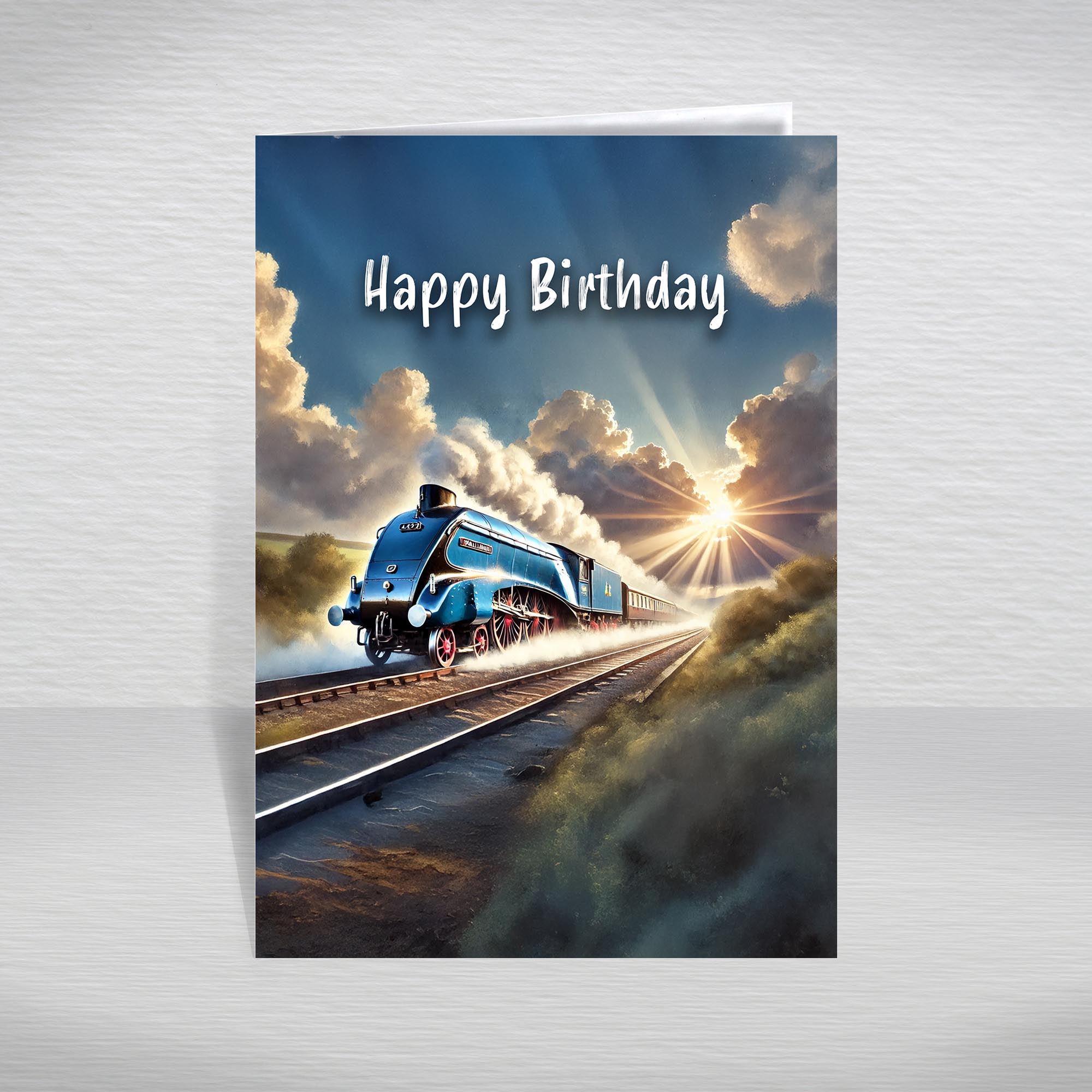
GWR 3600
The GWR 3600 Class was a series of inside-cylinder 2-4-0 express and mixed-traffic tender locomotives built for the Great Western Railway from 1864 under Joseph Armstrong's superintendency, continuing the GWR's use of the 2-4-0 wheel arrangement for express and semi-fast passenger working in the years before the 4-4-0 became the standard British express configuration. The class was designed for the principal secondary express and cross-country passenger services on the GWR's expanding network during the 1860s and 1870s, providing reliable motive power for the heavier passenger trains of the post-broad-gauge standardisation era.
Joseph Armstrong had become GWR Locomotive Superintendent at Swindon in 1864, succeeding Daniel Gooch, and inherited the task of converting the GWR's engine fleet from broad gauge to standard gauge as the railway progressively standardised to the national 4 ft 8½ in gauge. Armstrong's 3600 Class was one of his standard-gauge express types, providing capable 2-4-0 locomotives with generous boiler proportions and relatively large 6 ft coupled driving wheels for the express work on the standard-gauge routes that were becoming the GWR's primary operating lines.
The 3600 Class gave reliable service through the 1860s and 1870s before being superseded by Dean's more modern designs. None was preserved.
Design and development
Armstrong designed the 3600 Class at Swindon in 1864 as the GWR's standard-gauge express 2-4-0, part of his programme to build a standard-gauge fleet as the GWR converted from broad to standard gauge.
Service and withdrawals
Worked GWR standard-gauge express services from 1864. Superseded by Dean designs from the mid-1880s. None preserved.
Identification features
Insufficient detail to identify the specific class with confidence; see related GWR entries.
Notable locomotives
- Verification required
Livery history
Preservation status
None preserved.