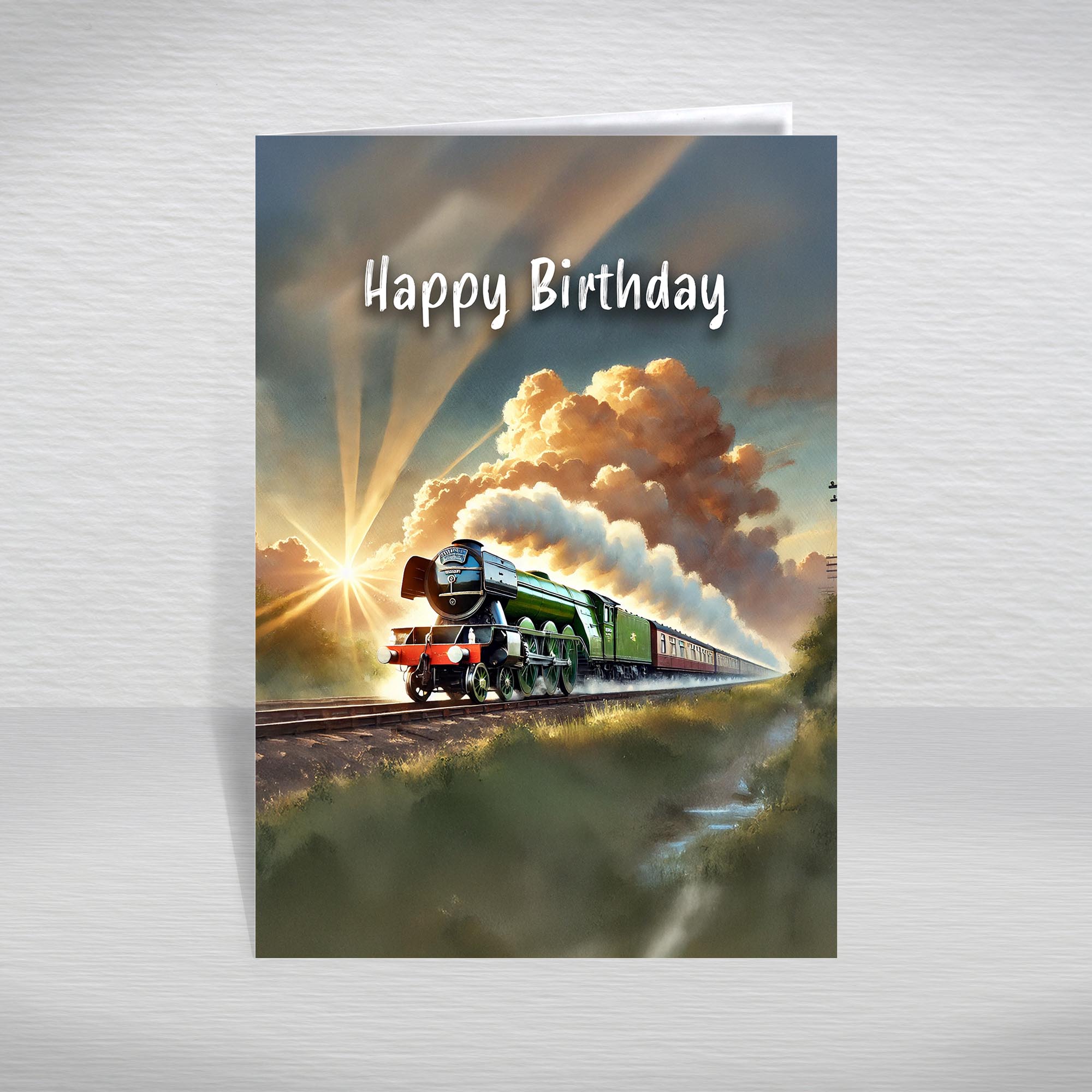
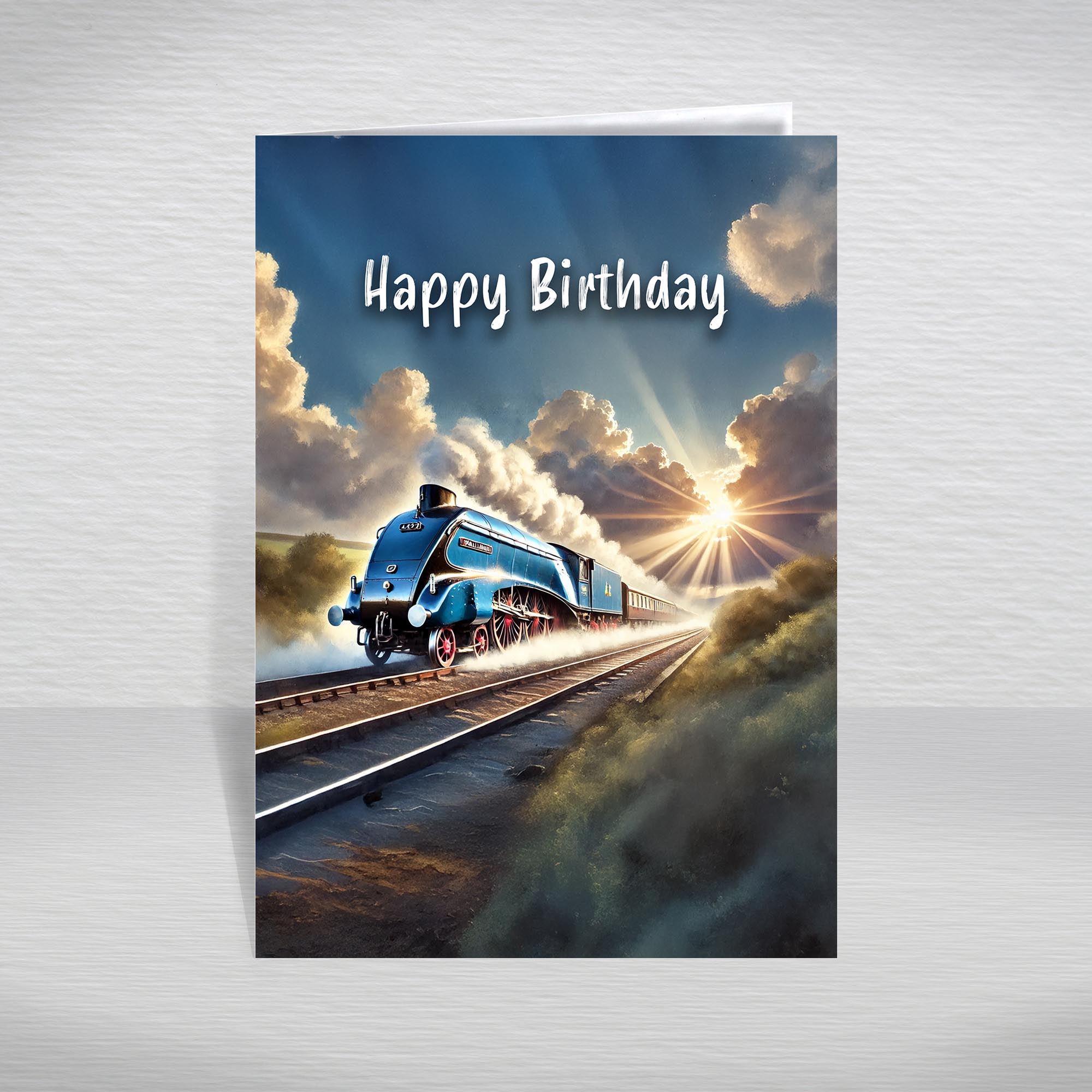
GCR Class 8
The GCR Class 8 was a series of outside-cylinder 4-6-0 mixed traffic locomotives designed by John George Robinson and introduced at Gorton Works in 1902, three years after the inside-cylinder 8A Class had established the 4-6-0 wheel arrangement on the Great Central Railway. The Class 8 adopted outside cylinders — Robinson's preference for the larger dimensions and accessibility they afforded on the 4-6-0 layout — and was built for the heavy goods and mixed-traffic duties that the GCR's expanding freight business required.
The GCR's freight traffic grew substantially in the early 1900s as the London Extension opened up new markets for Midlands and Yorkshire goods, and the Class 8 was Robinson's response to the need for more powerful and capable freight and mixed-traffic motive power. The 5 ft 7 in coupled wheels were appropriate for the mixed work the class was designed to perform, giving adequate speed for the express goods trains that were an important part of the GCR's commercial programme while retaining sufficient tractive effort for the heavier unfitted freight.
The Class 8 worked GCR goods and mixed-traffic duties from 1902, supplementing the earlier 8A Class on the heaviest freight and mixed workings. After the 1923 Grouping the class passed to the LNER. None was preserved, but the related ROD 2-8-0 design that Robinson produced for the Railway Operating Division during the First World War — the most numerous of all his GCR-derived designs — survives in preservation as LNER Class O4.
Design and development
Robinson designed the Class 8 at Gorton in 1902 as an outside-cylinder development of the 8A Class, giving better accessibility and allowing larger cylinder dimensions for the GCR's expanding heavy goods traffic. The outside-cylinder layout became Robinson's standard for subsequent GCR 4-6-0 and larger designs.
Service and withdrawals
The Class 8 worked GCR heavy goods and mixed-traffic duties from 1902. LNER classification after 1923; continued in freight duties until withdrawal in the 1940s. None preserved.
Identification features
Inside-cylinder 4-6-0 with 6 ft 9 in coupled wheels and leading 4-wheel bogie.
Notable locomotives
- Sir Sam Fay (1912, not preserved)
Livery history
Preservation status
None preserved. Robinson's GCR freight tradition is represented in preservation by the ROD 2-8-0 (LNER O4), several of which survive on heritage railways.