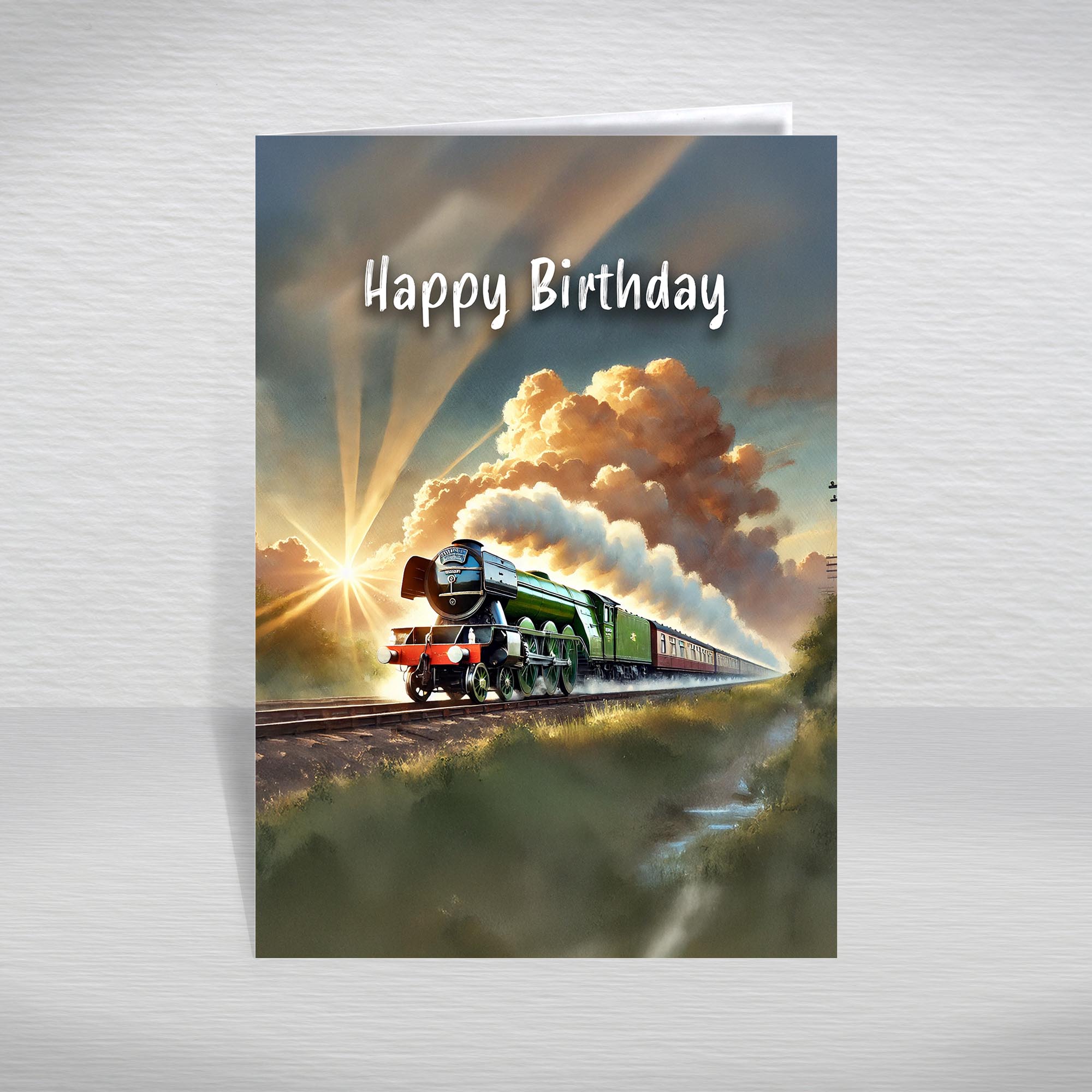
Caledonian Railway 903 Class
The Caledonian Railway 903 Class was a series of inside-cylinder 4-6-0 express passenger locomotives designed by William Pickersgill, who succeeded McIntosh as Locomotive Superintendent of the Caledonian Railway in 1914, and introduced in 1916. They were the Caledonian's wartime express development, built during the First World War when material shortages and operational demands constrained locomotive design, and they represented Pickersgill's own interpretation of the 4-6-0 express type that McIntosh's Cardean class had established as the Caledonian's most powerful express wheel arrangement.
Pickersgill's 903 Class was a larger and more powerful locomotive than the McIntosh Cardean, with 6 ft 1 in coupled driving wheels (slightly smaller than the Cardean's 6 ft 6 in, a deliberate choice to improve tractive effort at the cost of some top speed), outside cylinders — a significant departure from the inside-cylinder tradition of all previous Caledonian express engines — and a larger boiler capable of sustaining the steam supply for the heavier wartime Anglo-Scottish expresses. The outside-cylinder arrangement, while unconventional for the Caledonian, was becoming increasingly common on British railways by 1916 and gave better accessibility for maintenance.
The class performed adequately but without distinction in service. Pickersgill was a competent rather than inspirational designer, and the 903 Class was solid and reliable without matching the celebrated status of the Dunalastairs or the charisma of the Cardean. After the 1923 Grouping the locomotives passed to the LMS, which was more interested in standardising around the Midland Railway and later Stanier designs than in developing the Caledonian inheritance. The 903 Class was withdrawn in the 1930s; none was preserved.
Design and development
Pickersgill designed the 903 Class at St Rollox in 1915–16 as a wartime development of the Caledonian 4-6-0 express type. The adoption of outside cylinders was a significant departure from Caledonian tradition, reflecting contemporary British practice. The slightly smaller 6 ft 1 in driving wheels compared to the Cardean's 6 ft 6 in improved tractive effort for the heavier wartime trains.
Service and withdrawals
The 903 Class worked Caledonian and early LMS express services from 1916. They passed to the LMS at the 1923 Grouping and were withdrawn in the 1930s as LMS standardisation replaced the Caledonian designs. None was preserved.
Identification features
Inside-cylinder 4-6-0 with 6 ft 6 in coupled wheels and large boiler.
Notable locomotives
- 903 Cardean (1906, not preserved — withdrawn 1930)
Allocations and regions
Polmadie (Glasgow) and Carlisle Kingmoor for Caledonian main-line express working during and after the First World War.
Livery history
Preservation status
None preserved.