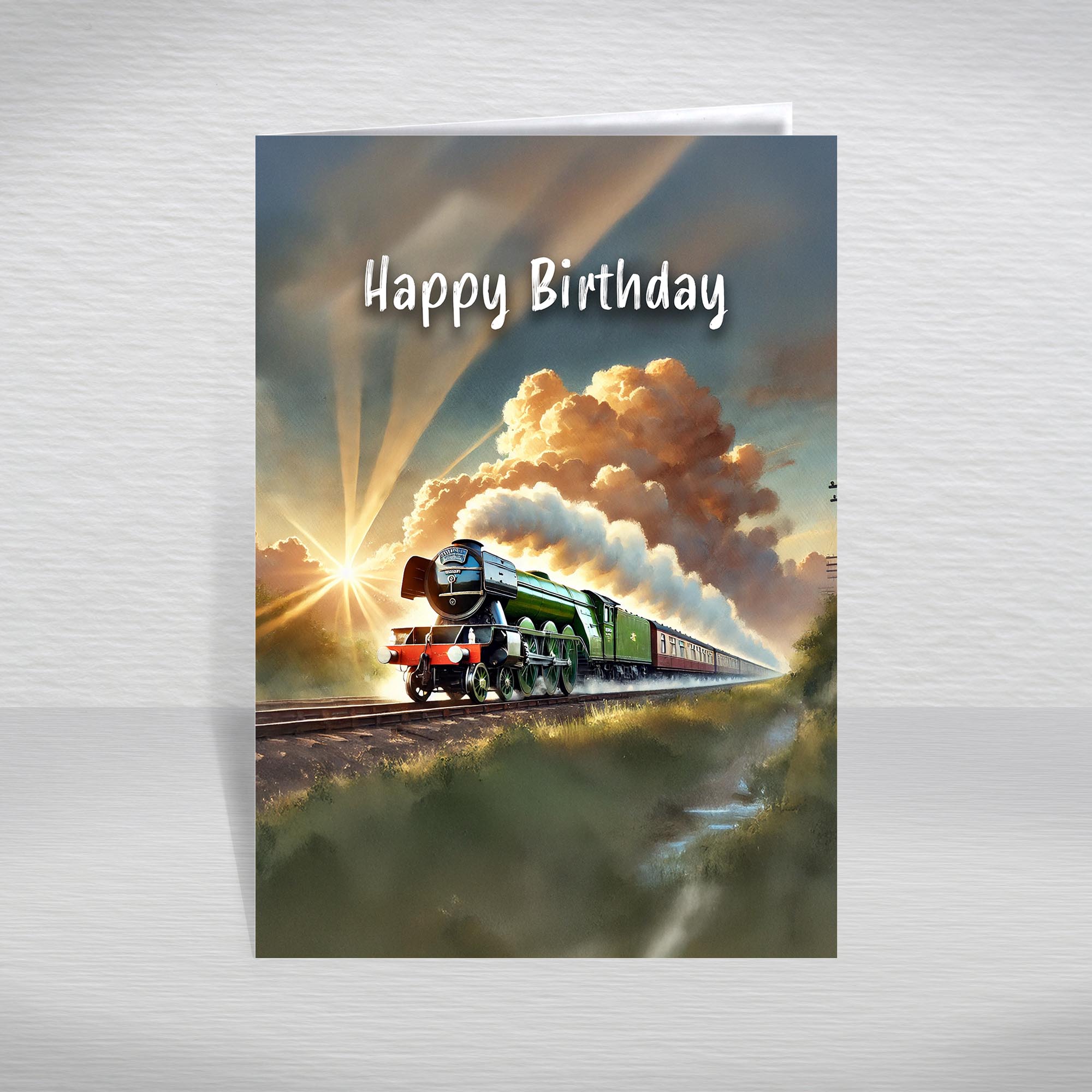
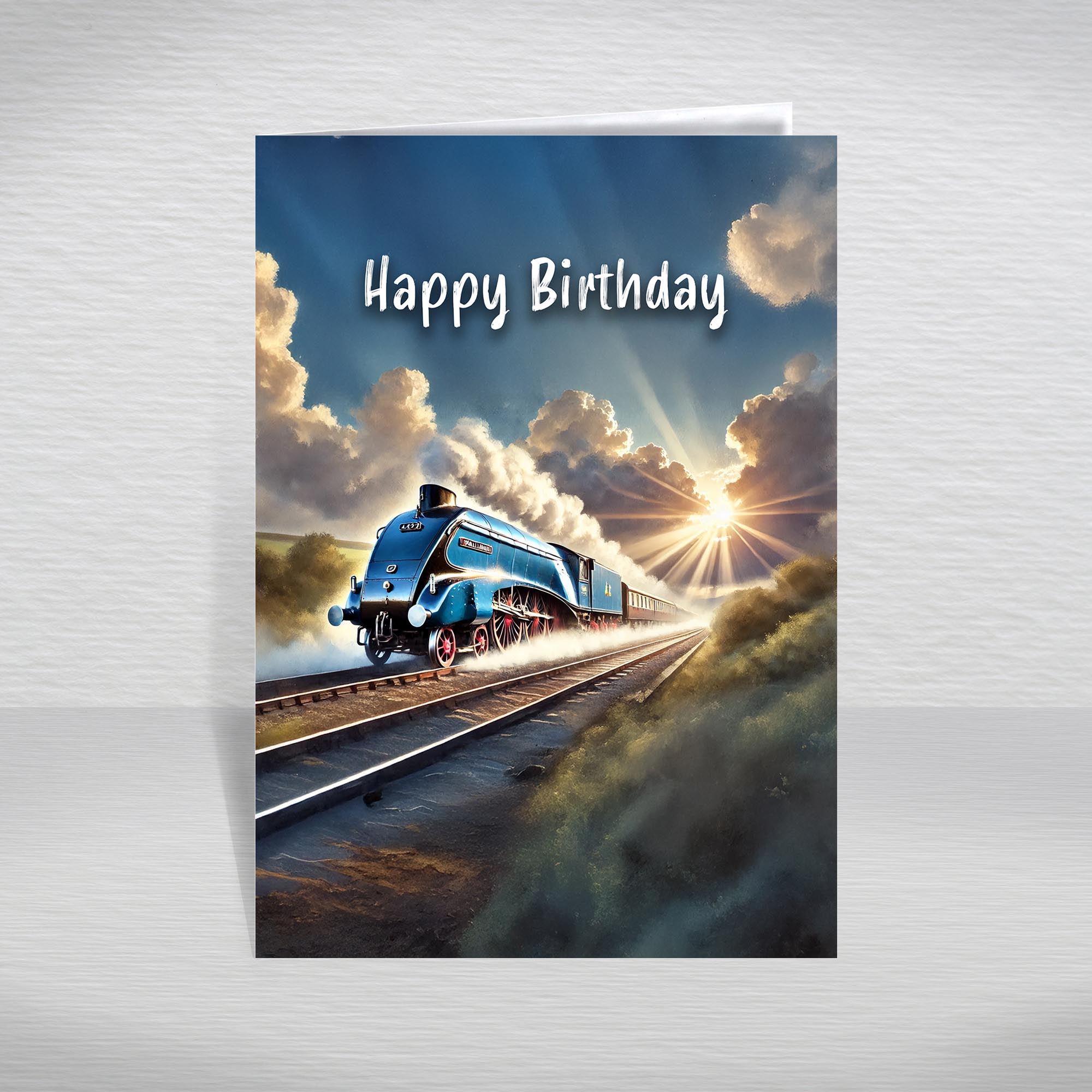
BR Doncaster
BR Doncaster refers to the British Railways Eastern Region engineering office at Doncaster Works in Yorkshire, which after nationalisation in 1948 inherited the distinguished locomotive design and manufacture traditions of the Great Northern Railway and the LNER's Doncaster plant — the works that Patrick Stirling, H.A. Ivatt, and Nigel Gresley had built into one of the most celebrated locomotive engineering establishments in the world.
Doncaster Works, known throughout the railway world simply as 'The Plant', had produced some of the most famous steam locomotives in British history, from Stirling's 8 ft single-drivers through Ivatt's large-boilered Atlantics to Gresley's A1, A3, and A4 Pacifics that culminated in Mallard's 1938 world speed record. The BR Doncaster office inherited this prestige and continued in the immediate post-nationalisation years by building the last of the Peppercorn A1 and A2 Pacific classes — the final expression of the Doncaster Pacific tradition — before turning attention to the diesel and electric future.
In the diesel era Doncaster contributed to the development and construction of several BR standard diesel classes, including some of the Class 46 Peak variants, and played a role in the early ECML electric locomotive work. The works remained active through the BREL era and into privatisation, ultimately passing through ABB Transportation to become part of the rail manufacturing industry that continues to serve the East Coast route today.
Biography
BR Doncaster (the British Railways Eastern Region engineering office at Doncaster Works) inherited the LNER and previously the GNR engineering tradition under Stirling, Ivatt and Gresley. After 1948 it built the last of the Peppercorn A1 and A2 Pacifics, the Class 46 'Peak' diesels, and a number of electric locomotive variants for the East Coast and Great Eastern routes.