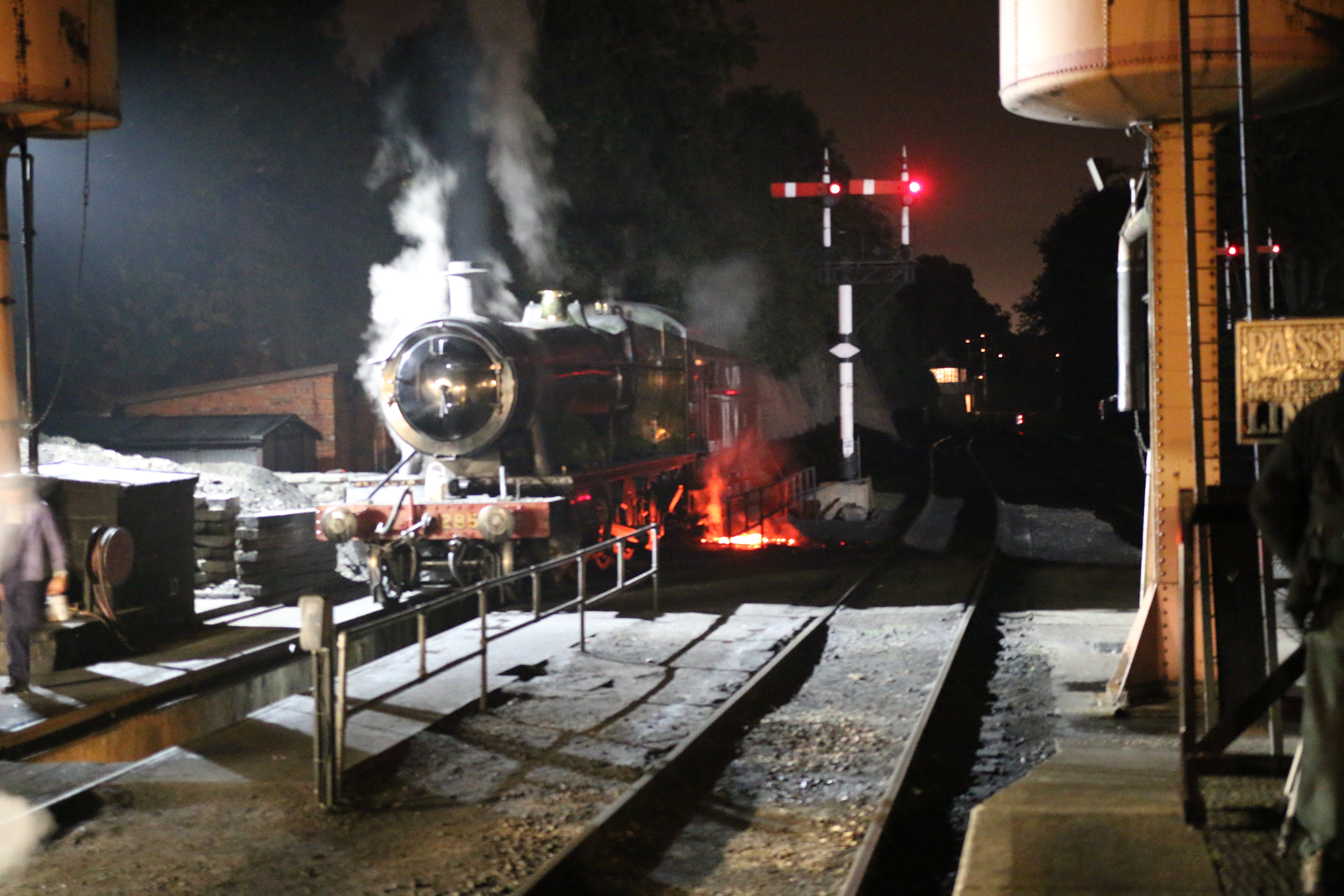
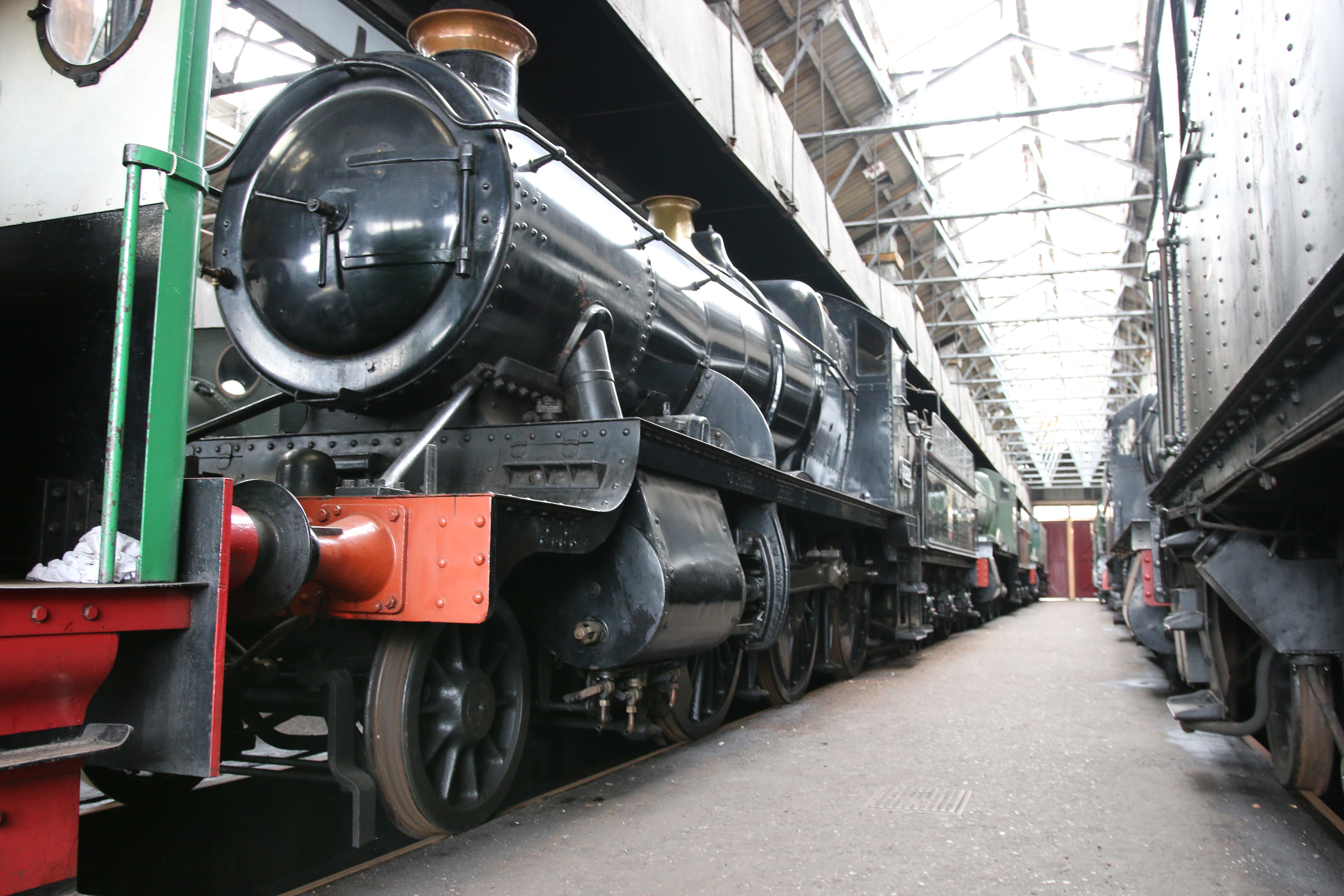
GWR 2800 Class
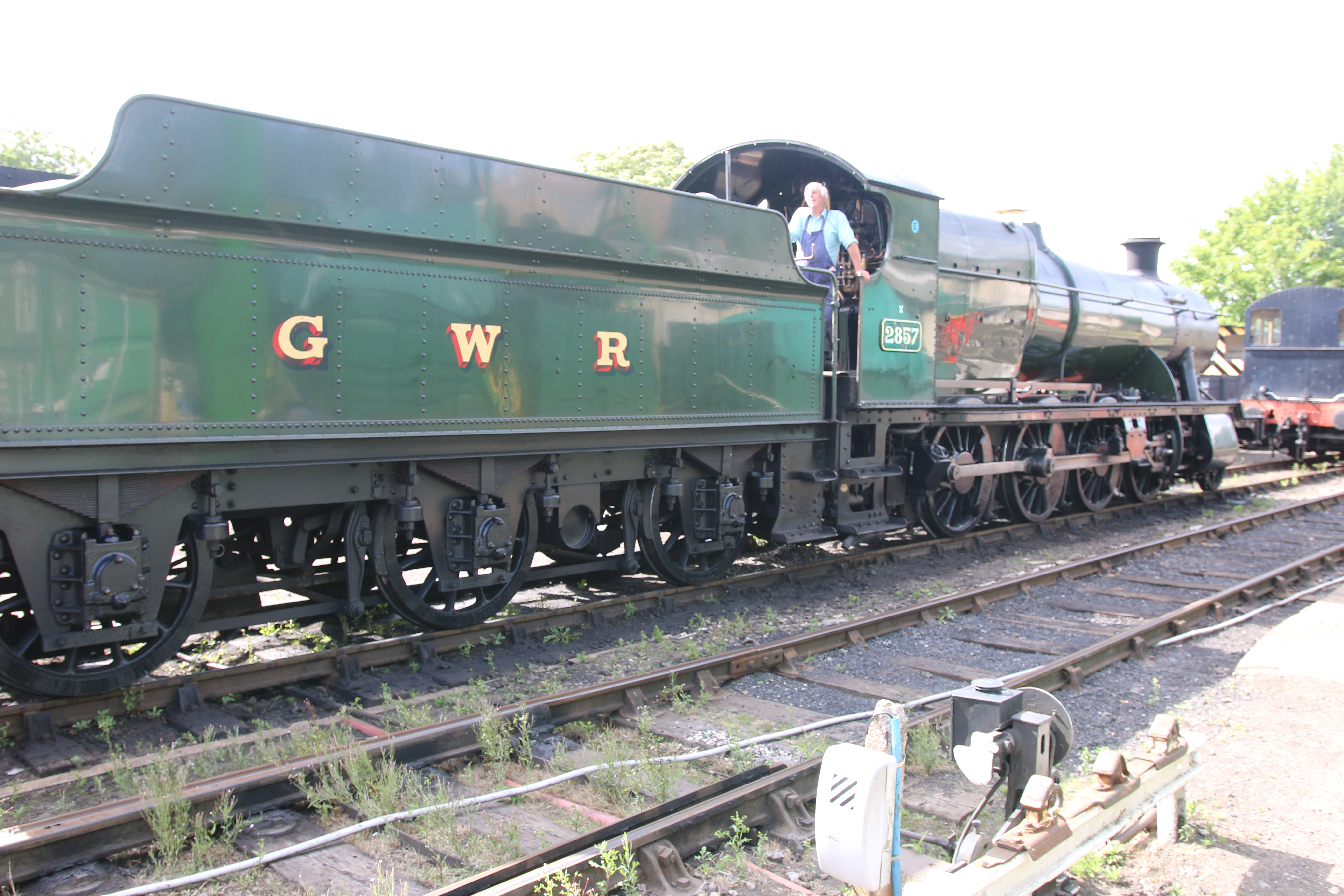
The GWR 2800 Class was George Jackson Churchward's pioneering heavy freight 2-8-0, the first British 2-8-0 design and the engine that established the wheel arrangement as the British standard for heavy freight working. The original 84 engines (Nos 2800–2883) were built at Swindon Works between 1903 and 1919; Charles Collett subsequently built 81 further engines in the 2884 sub-class with side-window cabs and ATC between 1938 and 1942, a combined production of 165 engines spanning four decades.
The 1903 design borrowed extensively from the contemporary Saint Class express engine, the same Standard No. 1 taper boiler at 225 psi, the same 18½ × 30 in long-stroke cylinders, the same Belpaire firebox. Churchward had recently visited the United States and absorbed contemporary American practice; the 2-8-0 wheel arrangement (then unknown in British practice) was his choice for the optimum combination of heavy adhesion and modest 17 t 5 cwt axle load. The 4 ft 7½ in driving wheels gave the engine the slow-speed adhesion required for sustained heavy freight haulage.
The first engine, No. 2800, was completed at Swindon in June 1903. It was the first British 2-8-0, predating subsequent designs by a decade in some cases (the GNR O1/O2 of 1913, the LSWR T14 of 1911, and the LMS 8F of 1935 all followed the precedent established by the 2800). The class entered immediate service on the South Wales coal traffic and proved itself outstanding. Production continued at Swindon through 1919, with 84 engines built in batches.
From 1938 Collett reopened production with the modified 2884 sub-class, featuring side-window cabs, Automatic Train Control, revised cylinder oil feeds, and detail improvements. 81 engines of the 2884 series were built between 1938 and 1942, by which time the GWR had concluded the design was substantially right for its needs and continued to build them through the early war years. From the late 1930s most surviving 2800 series engines were progressively modified with side-window cabs and ATC to match.
The 2800 and 2884 sub-classes were the standard GWR heavy freight engine from 1903 through to the end of GWR in 1947 and the BR Western Region's standard heavy freight engine from 1948 through to the early 1960s. The South Wales coal traffic was largely 2800/2884-worked through this period; the engines also worked the heavy goods between London and the West of England, the Reading-area marshalling yards, and the cross-country freight routes. The arrival of BR Standard 9F 2-10-0s from 1954 reduced demand on the heaviest workings, but the 2800/2884 continued in service through the early 1960s. The last engines were withdrawn in November 1965, the class had given over 60 years of continuous service.
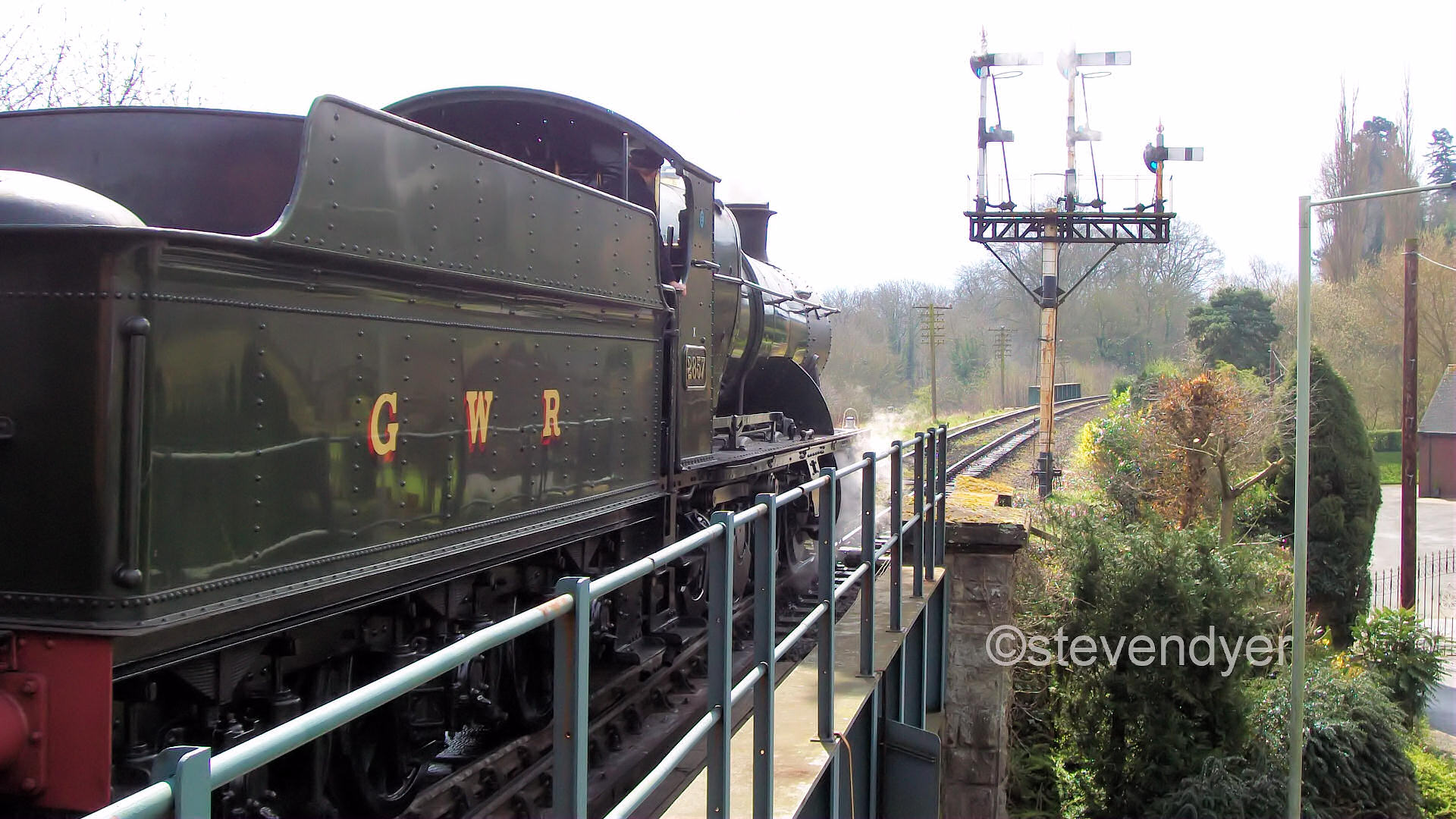
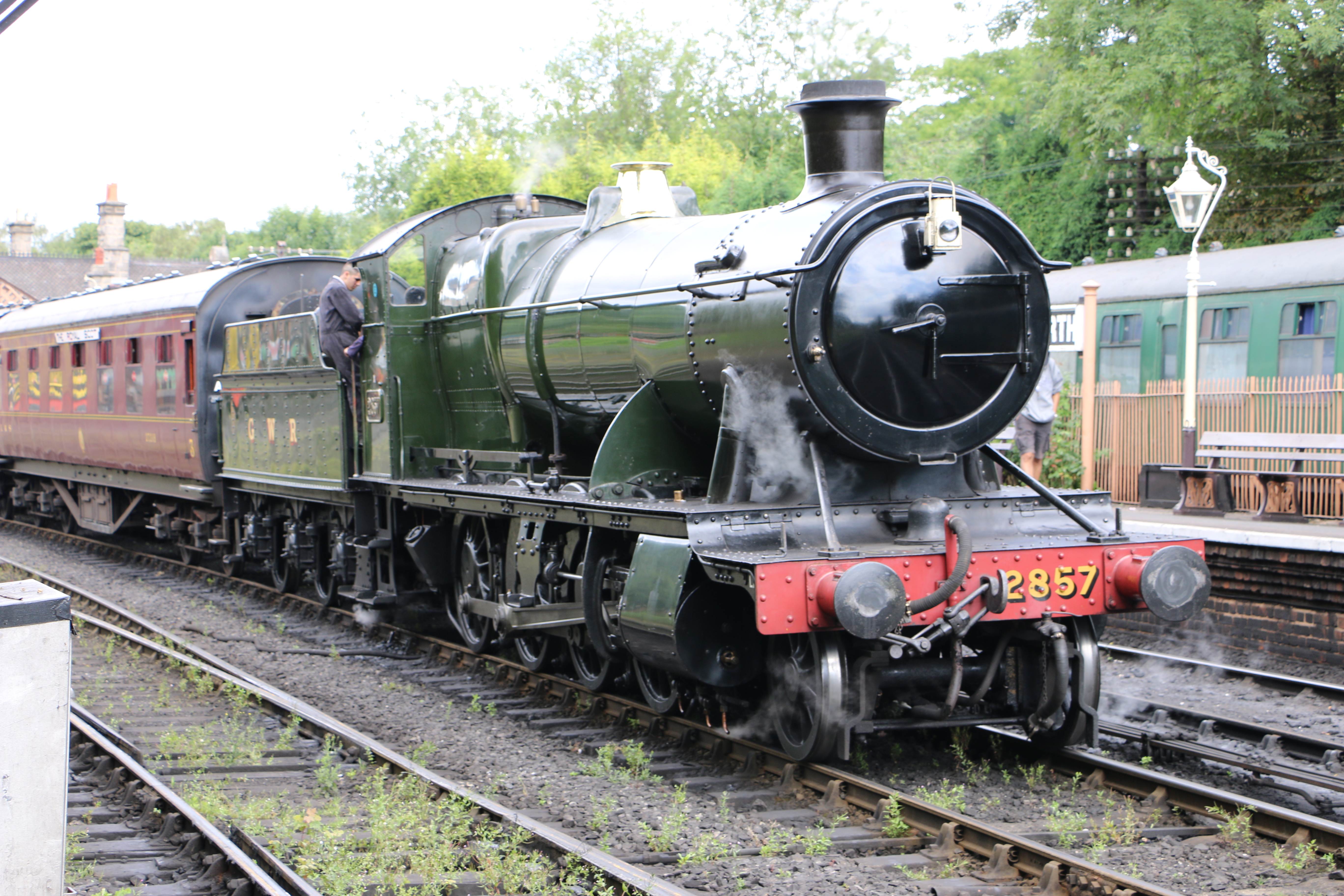
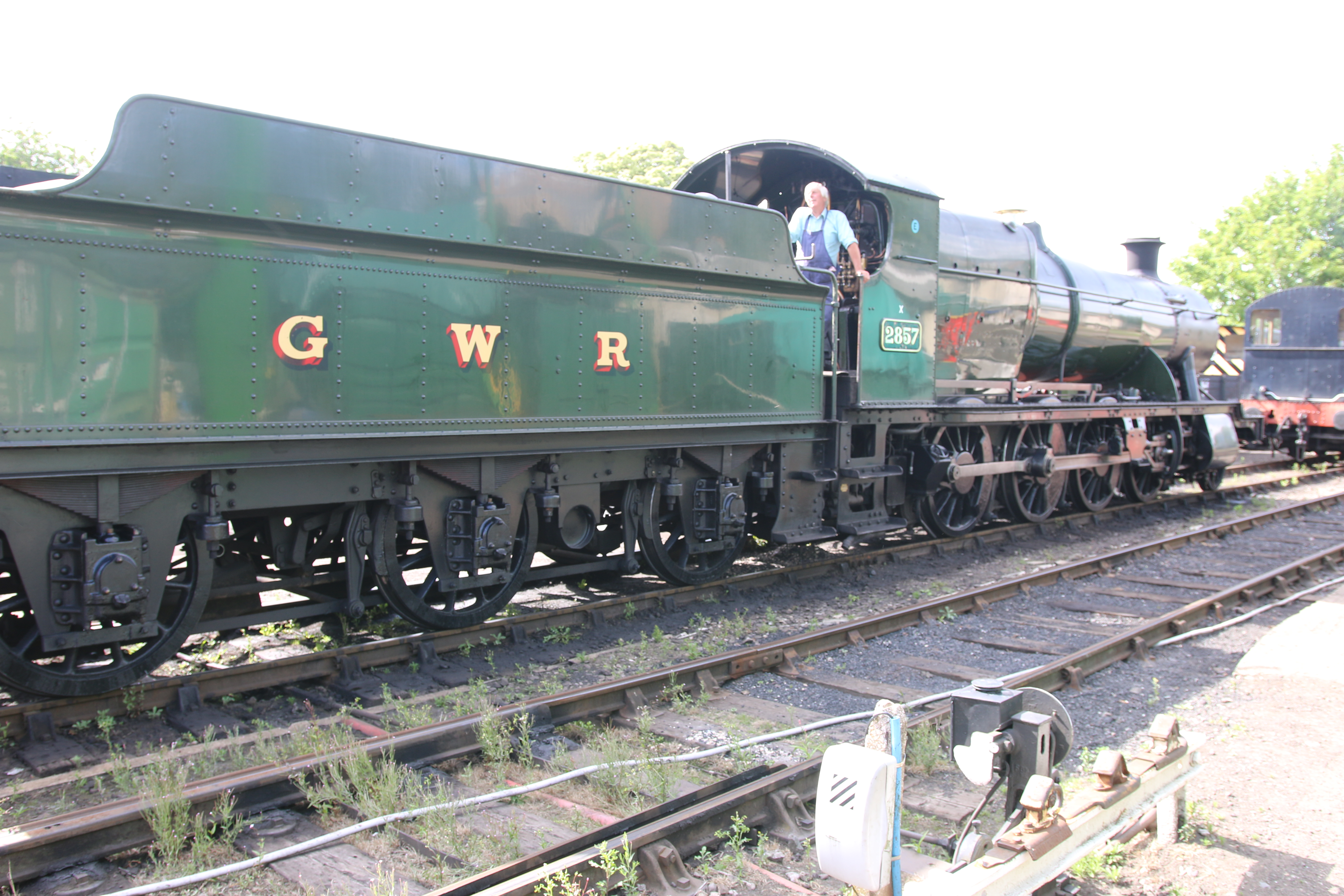
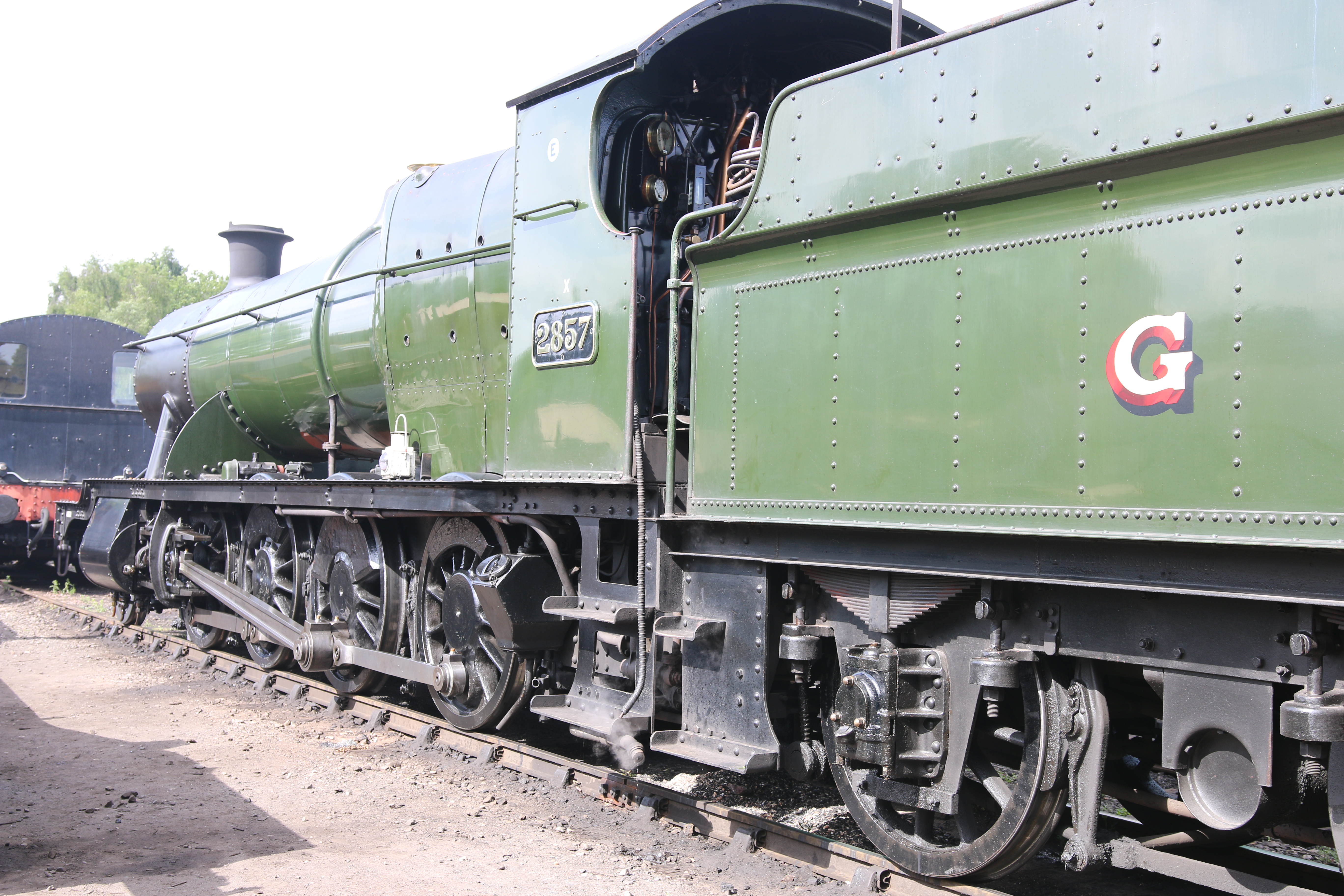
Approximately 15 engines from the combined 2800 and 2884 sub-classes are preserved across the heritage network, making the class one of the most extensively-preserved British heavy freight families. Notable survivors include 2807 (built 1905, the oldest preserved GWR steam locomotive, currently at the Gloucestershire Warwickshire Steam Railway), 2818 (the National Collection example at York), 2857 (Severn Valley Railway), 3822 and 3845 (both main-line registered, based at Didcot), and several others spread across heritage railways in varying states from working order to long-term restoration.
Design and development
By 1900 the Great Western Railway needed a heavier freight engine for the rapidly-growing South Wales coal traffic. Churchward had recently visited the United States and absorbed contemporary American practice, particularly the Belpaire firebox, the taper boiler, and the long-stroke cylinder. He decided that a 2-8-0 wheel arrangement (then unknown in British practice) would give the optimum combination of heavy adhesion and modest axle load.
The 2800 Class was the result. The design borrowed extensively from the contemporary Saint Class express engine, the same Standard No. 1 taper boiler at 225 psi, the same 18½ × 30 in cylinders, the same Belpaire firebox. The 2-8-0 wheel arrangement gave four coupled axles at modest 17 t 5 cwt axle load and a smaller (4 ft 7½ in) driving wheel suitable for sustained heavy freight haulage.
The first engine, No. 2800, was completed at Swindon Works in June 1903. It was the first British 2-8-0, predating subsequent designs by a decade in some cases (the GNR O1/O2 of 1913, the LSWR T14 of 1911, and the LMS 8F of 1935 all followed the precedent established by the 2800). The class entered immediate service on the South Wales coal traffic and proved itself outstanding.
Production continued at Swindon through 1919, with 84 engines built in batches over the period. From 1938 Charles Collett reopened production with a modified design, the 2884 sub-class, featuring side-window cabs, Automatic Train Control, revised cylinder oil feeds, and detail improvements. 81 engines of the 2884 series were built between 1938 and 1942, by which time the GWR had concluded the design was substantially the right one for its needs and continued to build them through the early war years.
Service and withdrawals
The 2800 and 2884 sub-classes were the GWR's standard heavy freight engine from 1903 through to the end of GWR in 1947 and the BR Western Region's standard heavy freight engine from 1948 through to the early 1960s. The South Wales coal traffic, from the Welsh valleys to the Severn Tunnel and beyond, was largely 2800/2884-worked through this period. The engines also worked the heavy goods between London and the West of England, the Reading-area marshalling yards, and the cross-country freight routes.
British Railways inherited approximately 165 engines (some early 2800s having been withdrawn through the 1930s and 1940s). The class continued in front-line BR Western Region service through the 1950s, with some transfers to other regions reflecting their utility as cross-country heavy freight engines. The arrival of BR Standard 9F 2-10-0s from 1954 onwards reduced demand on the heaviest workings, but the 2800/2884 continued in service through the early 1960s.
Withdrawals accelerated through 1962 and 1963 with the introduction of BR Type 4 and Type 5 diesels (Classes 47 and 52). The last 2800/2884 in BR service was withdrawn in November 1965, the class had given over 60 years of continuous service, an exceptional service life.
Identification features
The class is the prototype British heavy freight 2-8-0 and outwardly very similar to the Saint Class, the same Standard No. 1 taper boiler, the same Belpaire firebox, the same two-cylinder Walschaerts arrangement. The wheel arrangement (1'D h2, leading pony truck and four coupled axles) is the principal distinguishing feature. The 2800 series (1903–1919) had the original Churchward open or partially-enclosed cab; the 2884 series (1938–1942) had a fully-enclosed side-window cab and ATC equipment from new. From the late 1930s most surviving 2800 series engines were progressively modified with side-window cabs and ATC. The class was unnamed.
Numbers and names
2800–288384 engines
- 2800
- 2801
- 2802
- 2803
- 2804
- 2805
- 2806
- 2807
- 2808
- 2809
- 2810
- 2811
- 2812
- 2813
- 2814
- 2815
- 2816
- 2817
- 2818
- 2819
- 2820
- 2821
- 2822
- 2823
- 2824
- 2825
- 2826
- 2827
- 2828
- 2829
- 2830
- 2831
- 2832
- 2833
- 2834
- 2835
- 2836
- 2837
- 2838
- 2839
- 2840
- 2841
- 2842
- 2843
- 2844
- 2845
- 2846
- 2847
- 2848
- 2849
- 2850
- 2851
- 2852
- 2853
- 2854
- 2855
- 2856
- 2857
- 2858
- 2859
- 2860
- 2861
- 2862
- 2863
- 2864
- 2865
- 2866
- 2867
- 2868
- 2869
- 2870
- 2871
- 2872
- 2873
- 2874
- 2875
- 2876
- 2877
- 2878
- 2879
- 2880
- 2881
- 2882
- 2883
3800–3855
- 3800
- 3801
- 3802
- 3803
- 3804
- 3805
- 3806
- 3807
- 3808
- 3809
- 3810
- 3811
- 3812
- 3813
- 3814
- 3815
- 3816
- 3817
- 3818
- 3819
- 3820
- 3821
- 3822
- 3823
- 3824
- 3825
- 3826
- 3827
- 3828
- 3829
- 3830
- 3831
- 3832
- 3833
- 3834
- 3835
- 3836
- 3837
- 3838
- 3839
- 3840
- 3841
- 3842
- 3843
- 3844
- 3845
- 3846
- 3847
- 3848
- 3849
- 3850
- 3851
- 3852
- 3853
- 3854
- 3855
3862–388681 engines
- 3862
- 3863
- 3864
- 3865
- 3866
- 3867
- 3868
- 3869
- 3870
- 3871
- 3872
- 3873
- 3874
- 3875
- 3876
- 3877
- 3878
- 3879
- 3880
- 3881
- 3882
- 3883
- 3884
- 3885
- 3886
Original GWR 2800 series: Nos 2800–2883 (84 engines, built 1903–1919). Collett 2884 sub-class: Nos 3800–3855 and 3862–3886 (81 engines, built 1938–1942). Combined total 165 engines. The two sub-classes shared the same general design but the 2884 series had detail improvements including side-window cabs, ATC equipment, and revised cylinder oil feeds.
Notable locomotives
2800, the absolute prototype, completed at Swindon Works in June 1903. Built as the first British 2-8-0, predating the Great Northern O1/O2 (1913), the LSWR T14 (1911), and the LMS 8F (1935). Withdrawn 1958.
2818, preserved by the National Collection. Currently a static exhibit at the National Railway Museum, York. The most-photographed surviving 2800 series engine.
2807, the oldest preserved GWR steam locomotive, built 1905. Preserved by the Cotswold Steam Preservation Society and based at the Gloucestershire Warwickshire Steam Railway. Has been restored to working order and given heritage operating service.
2857, 2859, 2861, 2874, 2885, further preserved examples of the original 2800 series, spread across various heritage railways.
3802, 3803, 3814, 3822, 3845, 3850, 3855, 3862, the 2884 (Collett) sub-class survivors, the more numerous group in preservation. Several have been main-line registered for charter haulage including 3822 and 3845.
Allocations and regions
GWR era (1903–1947): the class was concentrated on the GWR's heavy freight routes, particularly the South Wales coal and steam-coal traffic. Allocations included Newport Ebbw Junction, Cardiff Canton, Swansea Landore, Pontypool Road, Aberdare, Severn Tunnel Junction, Old Oak Common (London Paddington), Reading, Westbury, and Plymouth Laira. The South Wales sheds had the largest 2800 allocations, the engines were the standard motive power for the heavy coal trains from the Welsh valleys to Severn Tunnel and beyond.
British Railways Western Region (1948–1965): continued at the same sheds. The 2800 and 2884 sub-classes were the standard BR WR heavy freight engine through the 1950s and into the early 1960s, alongside the smaller Halls and the larger 4700 class 2-8-0 (the latter rare). Some 2884 series engines were transferred to other BR regions in the late 1950s and 1960s.
Final years (1962–1965): displacement by BR diesels (Class 47 and Class 52 Western) saw the class progressively withdrawn through the early-to-mid 1960s. The last 2800/2884 in BR service was withdrawn in November 1965, among the last GWR-design engines in BR service.
Livery history
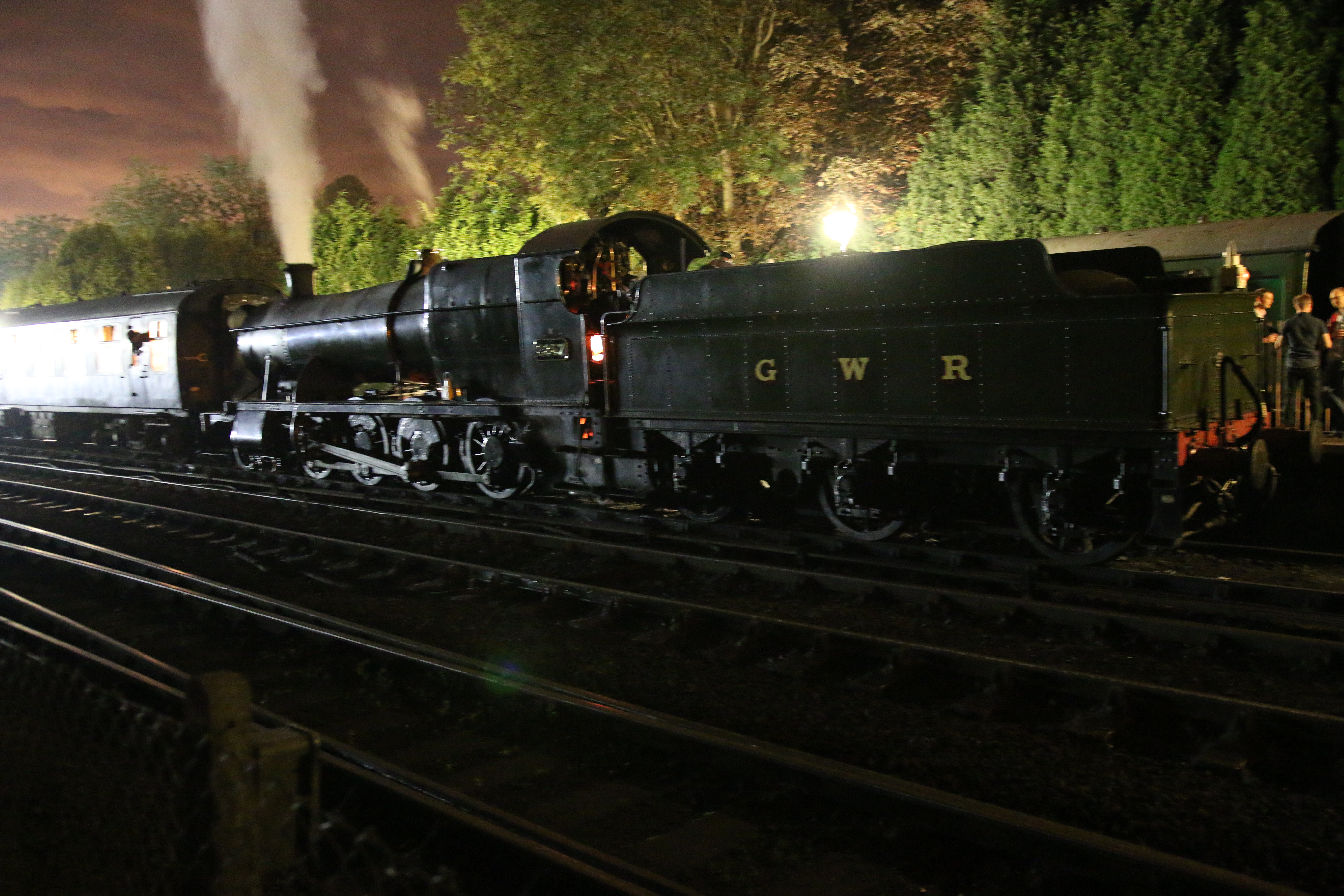
GWR plain black (1903–1947): the class was outshopped in plain unlined GWR black with shaded "Great Western" lettering, the GWR standard freight livery. The class never wore a lined or coloured livery during GWR ownership.
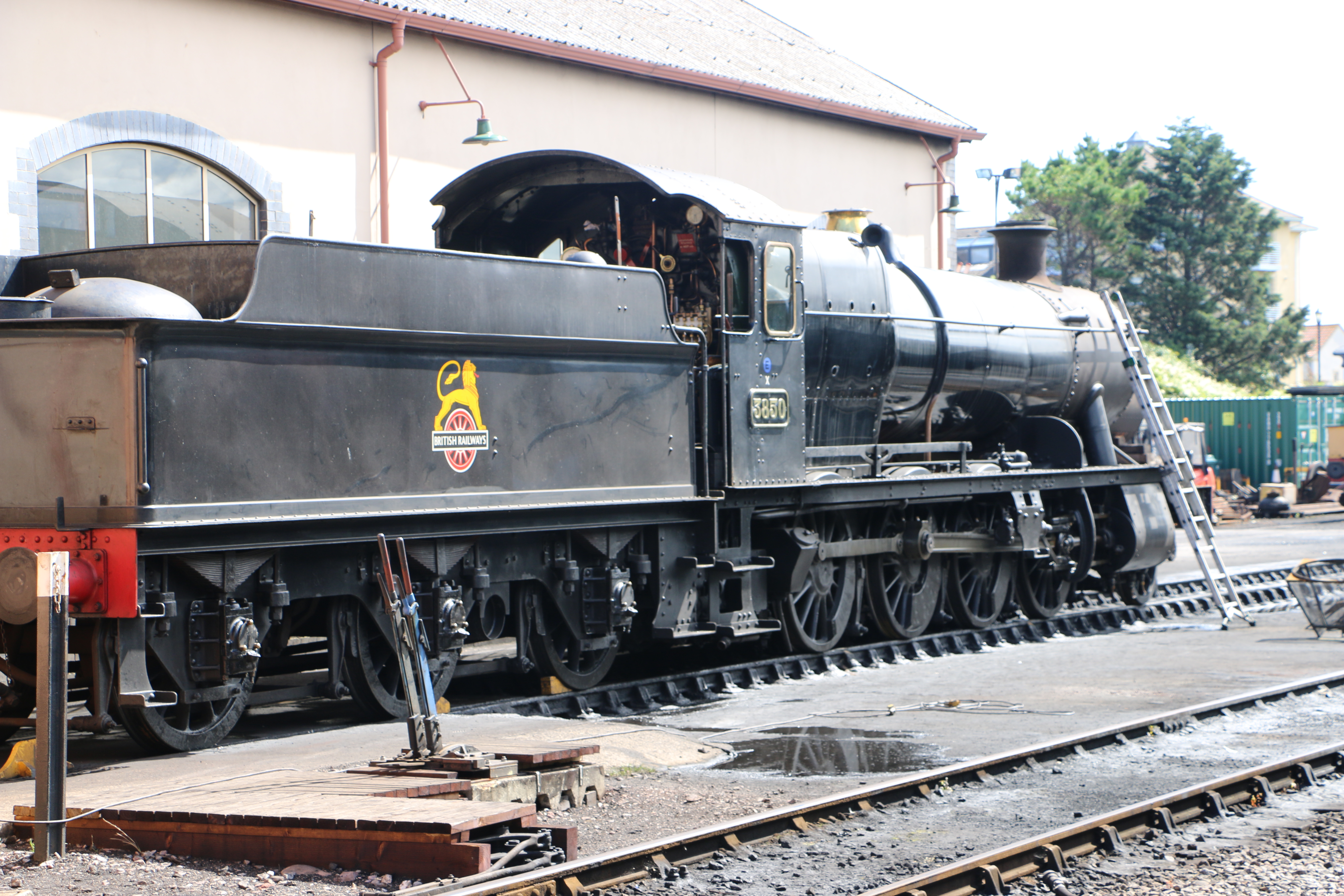
British Railways unlined black (1948–1965): from 1948 the class wore BR-standard unlined black freight livery with the early lion-and-wheel emblem (later the late BR crest from 1956). This was the dominant livery to the end. The class was rarely if ever lined, it was a working freight engine.
Preservation: preserved 2800 and 2884 series engines have appeared in GWR plain black, BR unlined black with each emblem variant, and (at heritage railway events) special exhibition liveries. Most preserved engines wear authentic GWR or BR freight livery.
Preservation status
Approximately 15 engines from the combined 2800 and 2884 sub-classes are preserved across the heritage network, making the class one of the most extensively-preserved British heavy freight families. Notable preserved examples include:
- 2807, built 1905, the oldest preserved GWR steam locomotive. Cotswold Steam Preservation Society at the Gloucestershire Warwickshire Steam Railway.
- 2818, National Collection. Static exhibit at the National Railway Museum, York.
- 2857, Severn Valley Railway, working order.
- 3822, main-line registered, Didcot Railway Centre.
- 3845, main-line registered.
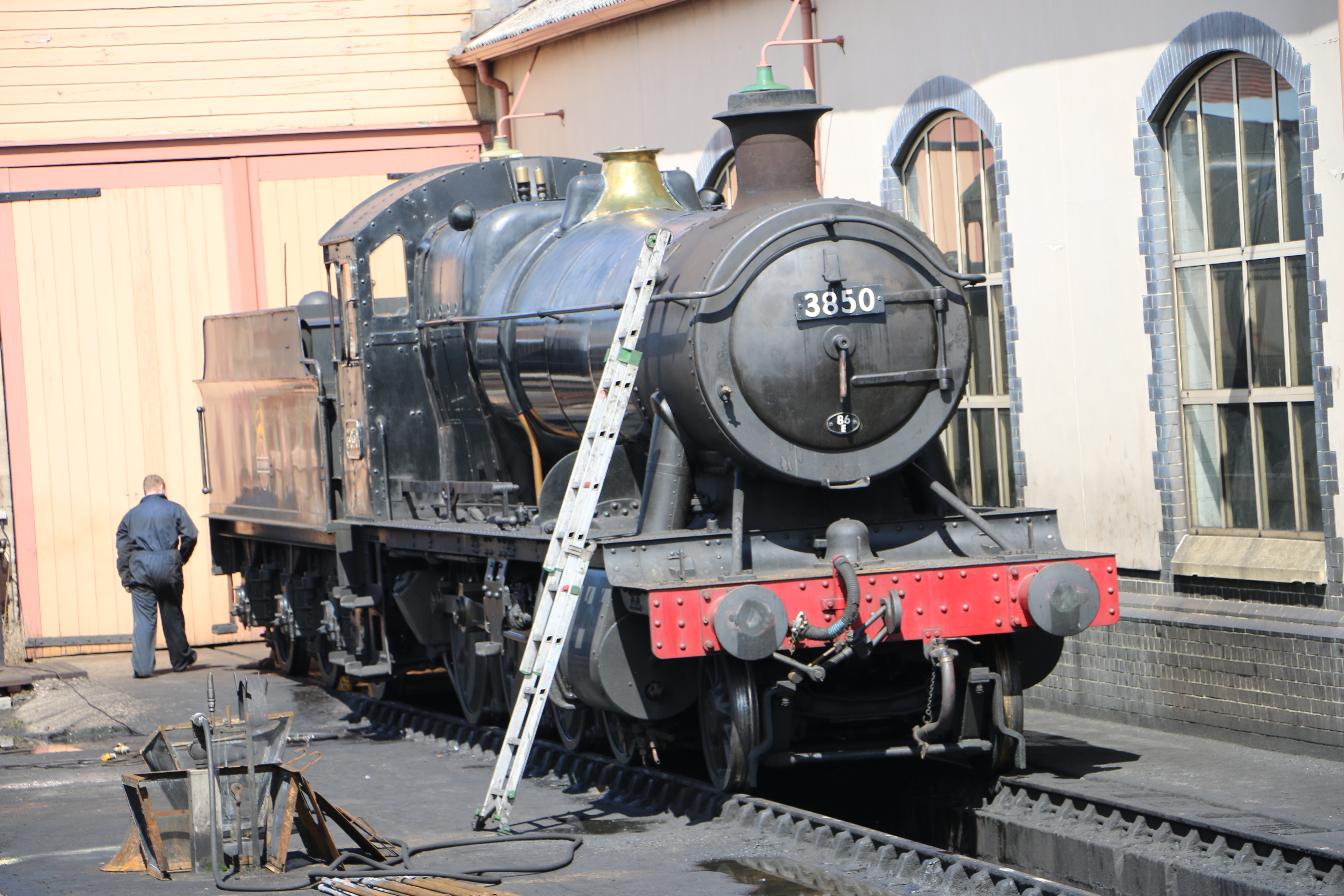
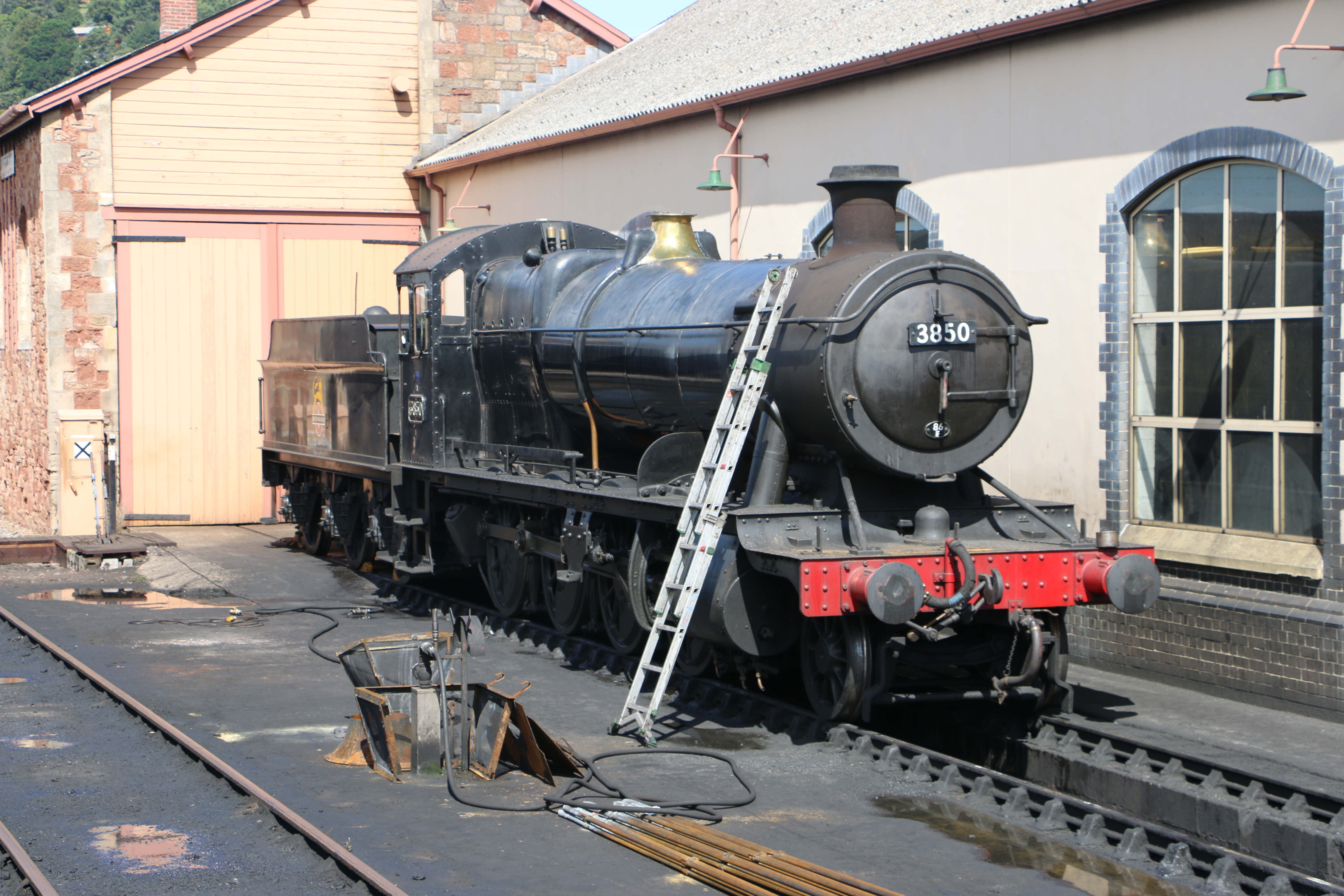
- 3850, currently under restoration.
- 3855, privately preserved.
- Plus several others, 2859, 2861, 2874, 2885, 3802, 3803, 3814, 3862, spread across heritage railways in various states.
The class's preservation profile reflects late survival into the 1965 closures and the Welsh-coal-traffic shed allocations where many engines were available for purchase by preservation groups. The 2884 sub-class survivors (3800-series) are particularly numerous in preservation. Several have been main-line registered for charter haulage. The class continues as a working presence on heritage railways across Britain.
Photographs