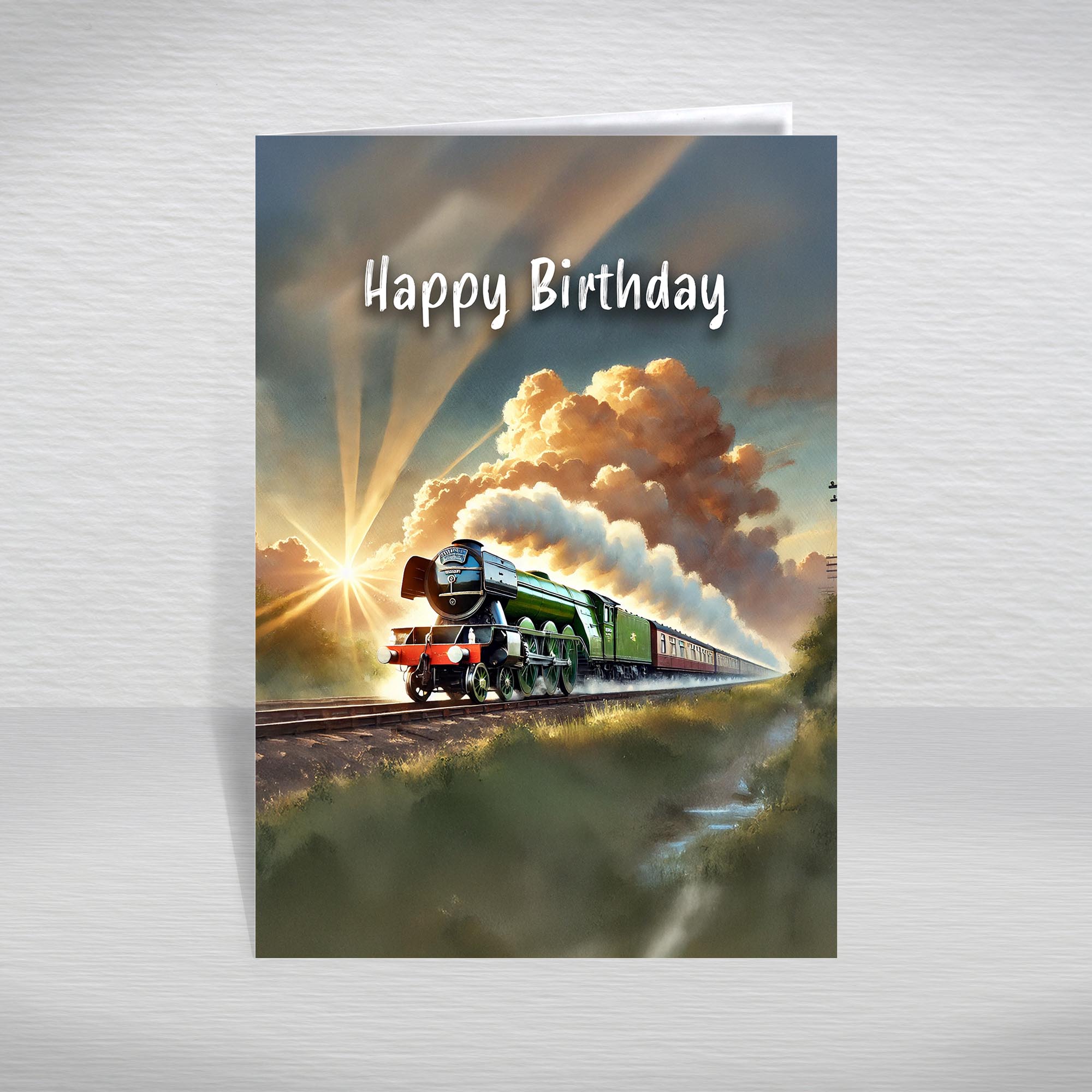
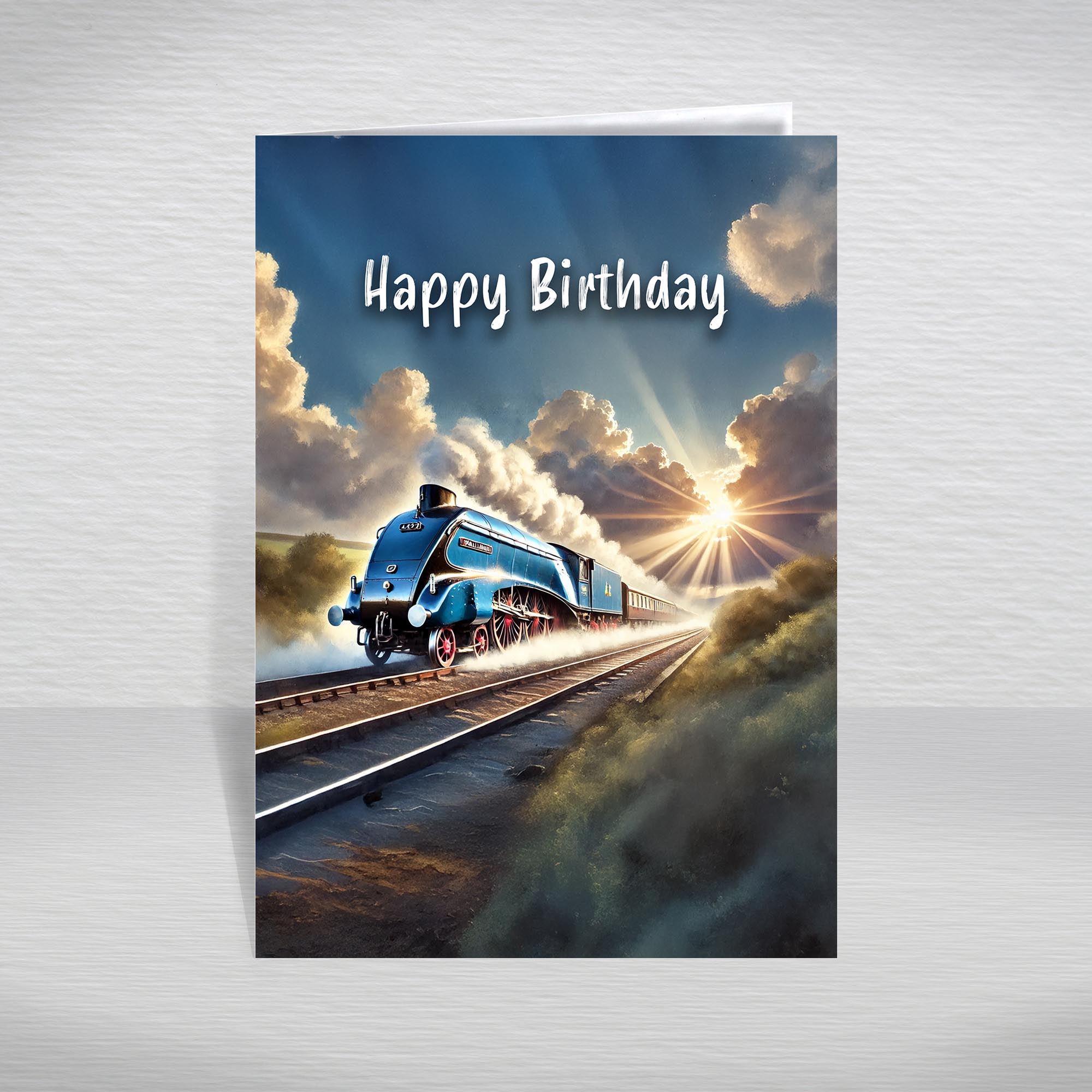
NER Fletcher 901 Class
The NER Fletcher 901 Class was a series of inside-cylinder 2-4-0 express passenger locomotives designed by Edward Fletcher, Locomotive Superintendent of the North Eastern Railway from 1854 to 1883, and introduced from 1872 as the NER's standard express type for the East Coast Main Line services between York and Edinburgh. The 901 Class represented Fletcher's mature express design and became one of the most celebrated express locomotive types of the Victorian era, renowned for the speed and reliability with which the class maintained the NER's competitive express schedules in the crucial period before the great Race to the North of 1888 and 1895.
Fletcher had served the York and North Midland Railway and its successor the NER since 1854, and the 901 Class was the culmination of nearly two decades of steady improvement in NER express locomotive design. The class used 7 ft 1¼ in coupled wheels, inside cylinders with Stephenson valve gear, and a straight-forward parallel boiler of adequate capacity for the sustained express running between York and Newcastle and Newcastle and Edinburgh that the East Coast Route demanded. The 901 Class's reliability and economy made it popular with both NER crews and management, and Fletcher built the class in several batches through the 1870s.
The most significant legacy of the 901 Class was its influence on the Tennant Class of 1885: when General Manager Henry Tennant took the unusual step of personally supervising an improved express design following the troubled McDonnell era, he based the new Tennant Class directly on Fletcher's 901 Class principles, giving them larger cylinders and higher boiler pressure. Two examples associated with this design lineage — Nos. 1463 and 910 — are preserved at the National Railway Museum, York.
Design and development
Edward Fletcher, the NER's first Locomotive Superintendent (appointed at the railway's formation in 1854), designed in 1872 a 2-4-0 express engine that became the standard NER express type. The 901 class — named after the leading number in the series — had 7 ft 1 in coupled wheels, inside cylinders, and Fletcher's distinctive elegant styling. 55 were built between 1872 and 1882.
Service and withdrawals
The 901 class worked NER East Coast expresses through the 1870s and 1880s, including services on the Newcastle–Edinburgh and York–Newcastle main lines. They were progressively superseded by Worsdell's 4-4-0s from the 1890s. No. 910 was selected for preservation when withdrawn in 1925 and is now at the NRM York, finished in NER green.
Identification features
Inside-cylinder 2-4-0 with 7 ft 1 in coupled wheels, parallel boiler, brass dome on the front ring, distinctive Fletcher styling with curved running plate above the leading wheel.
Notable locomotives
- 910 (1875, National Railway Museum)
Allocations and regions
Gateshead for NER ECML express working: York–Newcastle and Newcastle–Edinburgh services.
Livery history
Preservation status
One 901 survives: No. 910, selected for preservation on withdrawal in 1925 and part of the National Collection.