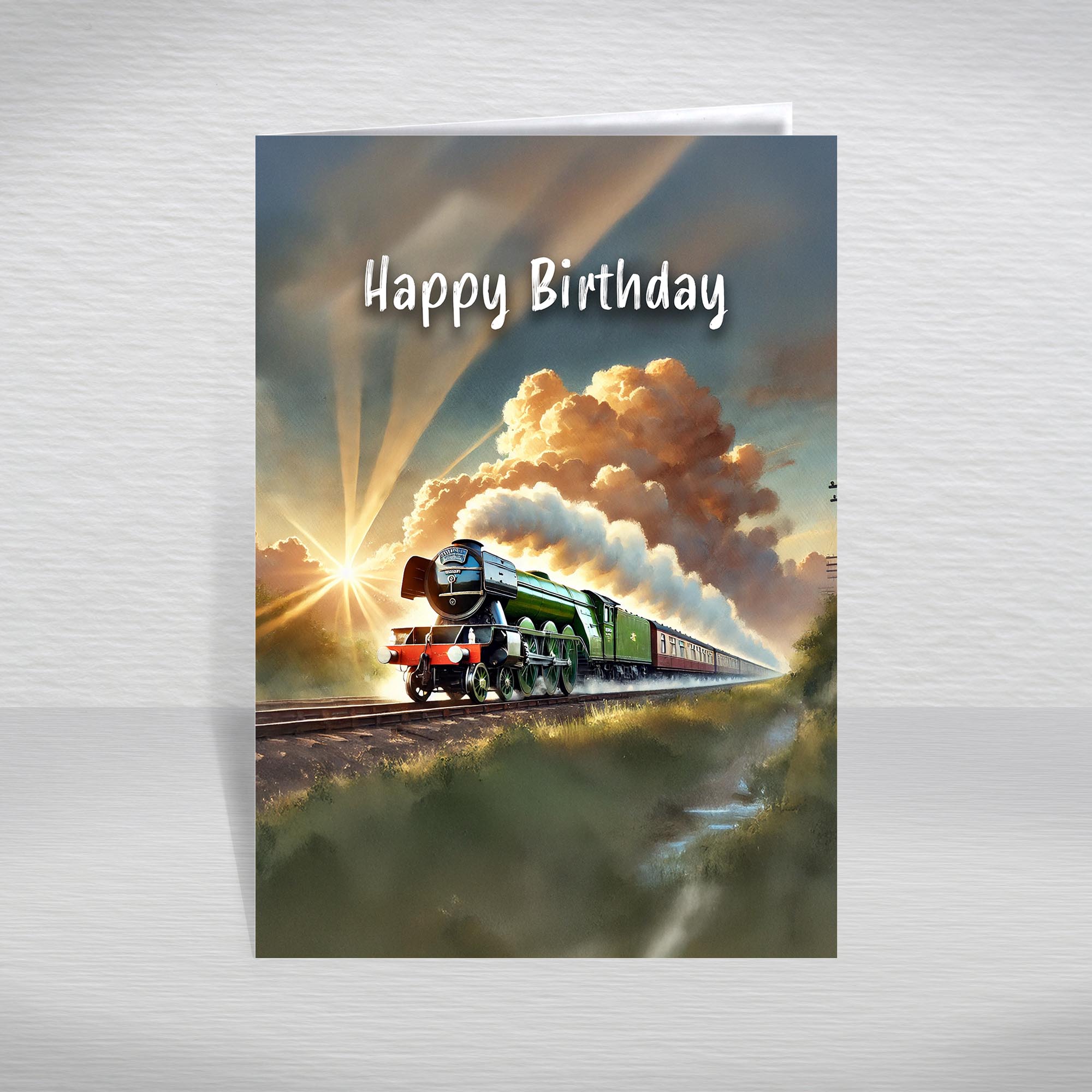
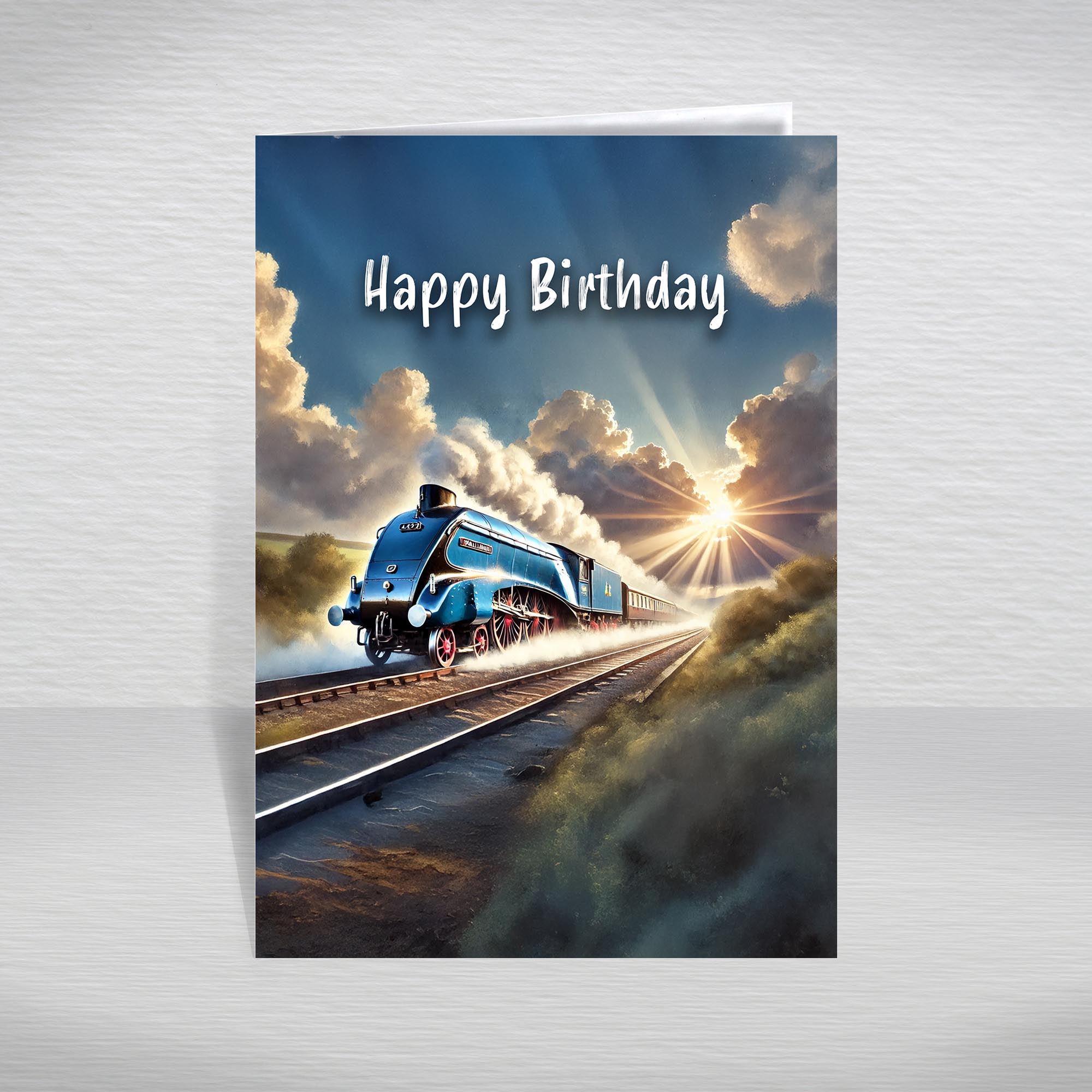
LSWR N15 King Arthur
The N15 King Arthur Class was a series of 74 outside-cylinder 4-6-0 express passenger locomotives developed for the London and South Western Railway and subsequently the Southern Railway, representing one of the most successful and celebrated express locomotive designs of the inter-war era. The class originated as Urie's N15 design of 1918 for the LSWR — a clean, powerful two-cylinder 4-6-0 that finally gave the South Western a capable express type free of Drummond's four-cylinder troubles — and was developed by Richard Maunsell into the definitive King Arthur Class under the Southern Railway from 1923, with additional locomotives built to Maunsell's revised specification through to 1927.
Robert Urie designed the original N15 at Eastleigh in 1918 as a straightforward two-cylinder superheated 4-6-0 using outside cylinders and Walschaerts valve gear, applying the lessons of the Drummond 4-6-0 failures — complex valve arrangements, four-cylinder layouts, poor steam passages — to produce an honest and effective express locomotive. The N15 used a large boiler with wide firebox pressed to 180 psi, two generously-proportioned outside cylinders, and a long-travel Walschaerts valve gear that gave the free-steaming character essential for sustained high-speed running on the Waterloo–Exeter and Waterloo–Bournemouth routes.
When the Southern Railway was formed in 1923, Maunsell inherited the N15 design and recognised its quality. He made detail improvements — including improved draughting and the addition of smoke deflectors to cure a problem with smoke obscuring the driver's forward vision — and ordered further batches from North British Locomotive Company and from Eastleigh Works, naming all the locomotives after knights and kings from Arthurian legend. The naming scheme gave the class its lasting identity: Sir Lamiel, Sir Galahad, Sir Bedivere, Excalibur, Camelot, Merlin, King Uther and dozens more brought the romance of Tennyson's Idylls of the King to the SR's Waterloo expresses, giving commuters and enthusiasts alike a mythology to attach to the locomotives they travelled behind.
In service the King Arthurs gave the Southern Railway excellent value: fast, reliable, and economical on the long express runs to the West of England and the South Coast, they worked the principal Waterloo–Exeter services at speeds that maintained competitive schedules with the Great Western's alternative route via Bristol. They remained on principal express duties until the SR Pacifics — the Merchant Navy and Battle of Britain/West Country classes — took over the top expresses from the mid-1940s, after which the Arthurs continued on secondary express and semi-fast duties. One example, No. 30777 Sir Lamiel, is preserved and worked on the main line for many years, and is now at the National Railway Museum, York.
Design and development
Robert Urie, the LSWR's last Locomotive Superintendent, designed in 1918 a substantial two-cylinder 4-6-0 with 6 ft 7 in coupled wheels for LSWR Bournemouth, Salisbury, and Western Region express work. 20 were built at Eastleigh between 1918 and 1923.
After the 1923 grouping, Maunsell took over the design at the Southern Railway, modified the cylinders and motion (giving better steaming and more power), and named the class after Arthurian knights — the prototype Urie 736 became "Excalibur". 54 more were built between 1925 and 1927 to the Maunsell pattern, totalling 74 King Arthurs.
Service and withdrawals
The King Arthurs were the Southern Railway's flagship express engines until superseded by the Lord Nelsons and Schools 4-4-0s. They worked the Bournemouth, Atlantic Coast Express, and Eastern Section expresses through the 1930s and 1940s. Withdrawal began in 1953 and was complete by 1962. SR 777 Sir Lamiel was preserved by the National Railway Museum and is operational, currently on the GCR.
Identification features
Two-cylinder 4-6-0 with 6 ft 7 in coupled wheels, leading 4-wheel bogie, large boiler, characteristic Urie/Maunsell smokebox styling. Distinctive nameplate styling for the Maunsell-built engines.
Numbers and names
30736–30806Numbered in the 736–806 range (SR); 30736–30806 (BR). All named after Arthurian figures.
- 30736
- 30737
- 30738
- 30739
- 30740
- 30741
- 30742
- 30743
- 30744
- 30745
- 30746
- 30747
- 30748
- 30749
- 30750
- 30751
- 30752
- 30753
- 30754
- 30755
- 30756
- 30757
- 30758
- 30759
- 30760
- 30761
- 30762
- 30763
- 30764
- 30765
- 30766
- 30767
- 30768
- 30769
- 30770
- 30771
- 30772
- 30773
- 30774
- 30775
- 30776
- 30777
- 30778
- 30779
- 30780
- 30781
- 30782
- 30783
- 30784
- 30785
- 30786
- 30787
- 30788
- 30789
- 30790
- 30791
- 30792
- 30793
- 30794
- 30795
- 30796
- 30797
- 30798
- 30799
- 30800
- 30801
- 30802
- 30803
- 30804
- 30805
- 30806
74 locomotives, all named after figures from Arthurian legend. No. 30777 Sir Lamiel preserved at NRM York.
Notable locomotives
- 777 Sir Lamiel (1925, Great Central Railway — operational)
Allocations and regions
Nine Elms (London Waterloo), Eastleigh (Southampton), Exmouth Junction (Exeter), Salisbury, and Bournemouth for the full range of SR principal express and semi-fast passenger working on the Waterloo routes.