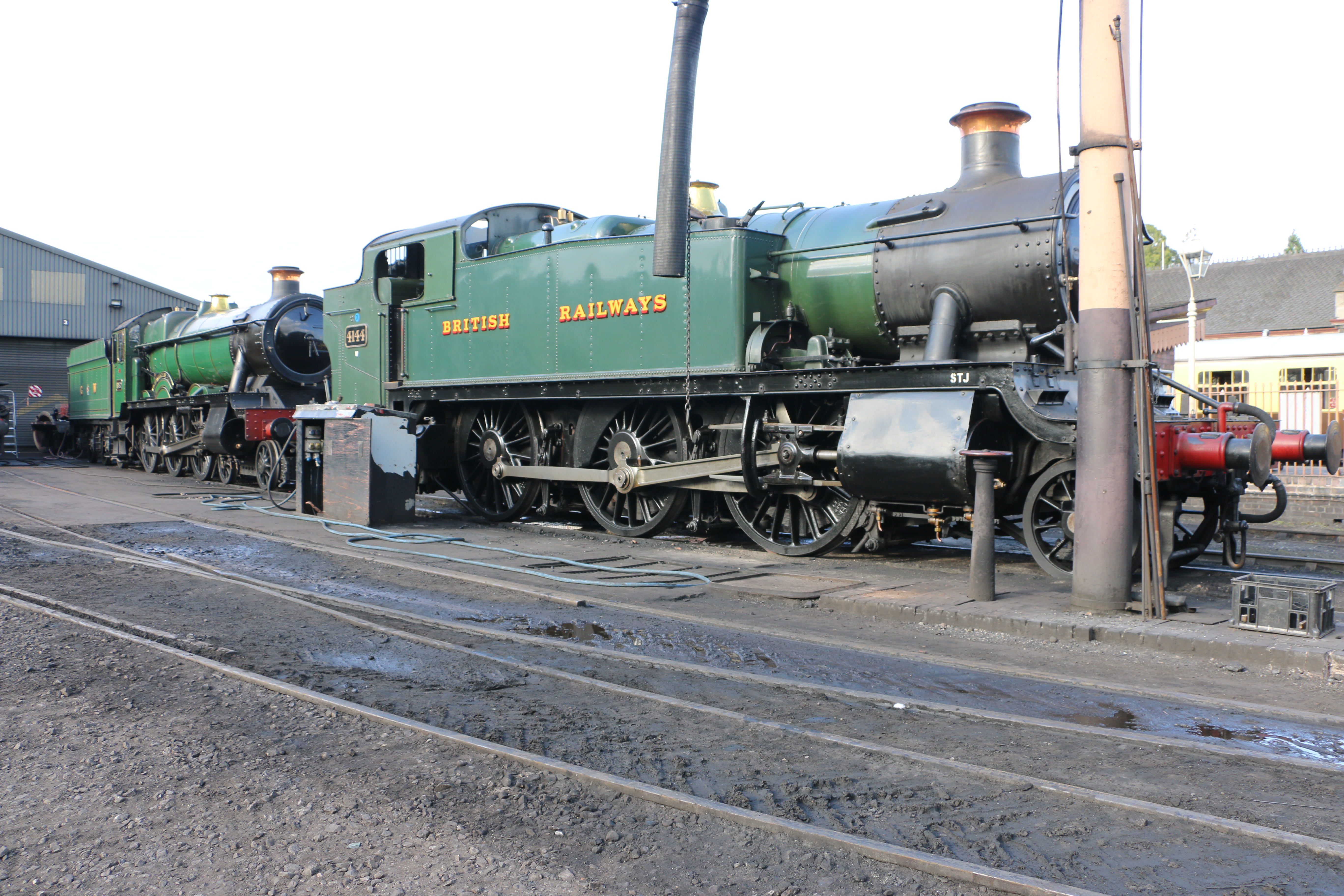
GWR 5101 Class (Large Prairie)
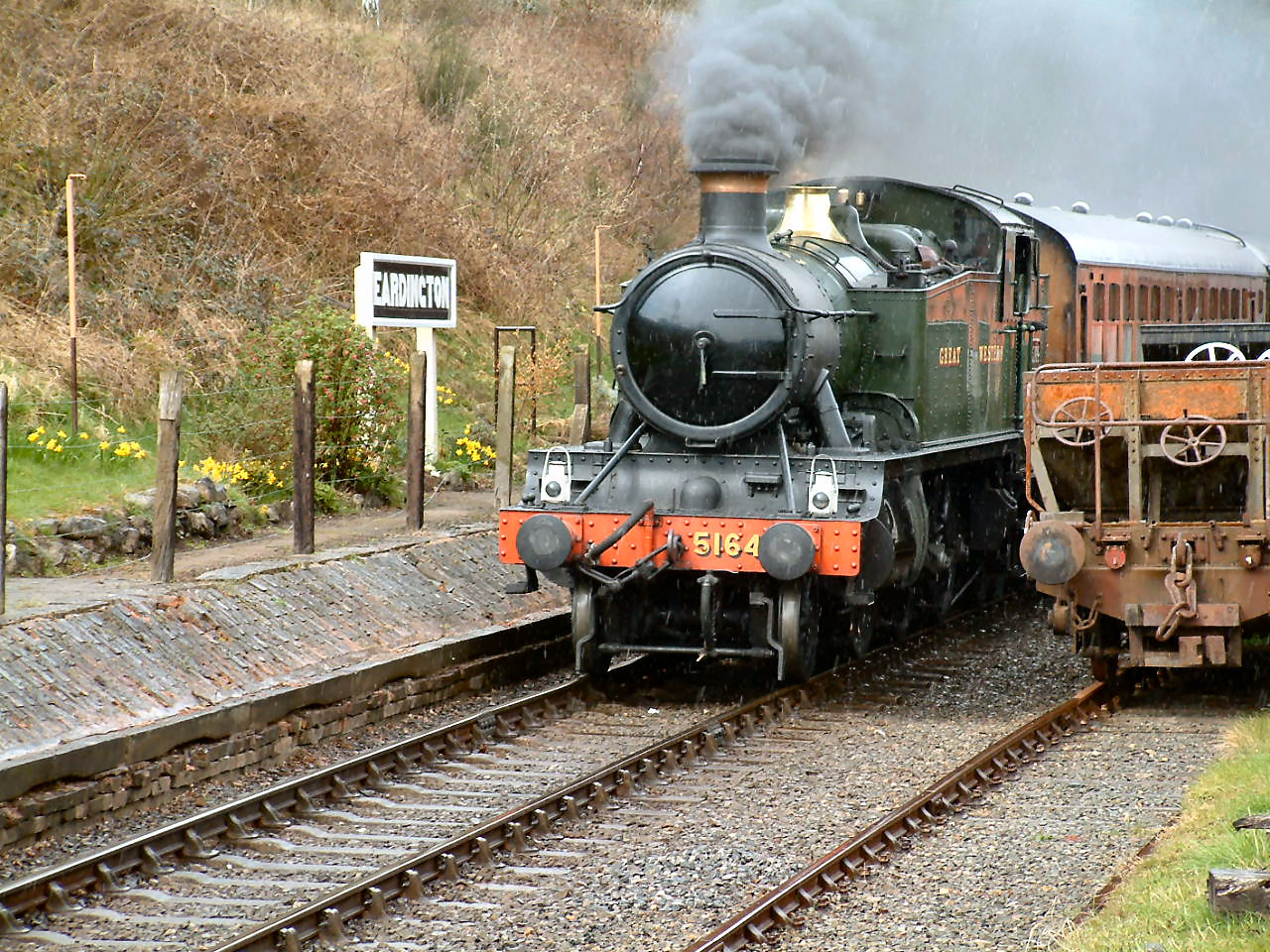
The GWR 5101 Class, almost universally called the Large Prairie, was a fleet of around 140 2-6-2 tank locomotives designed by Charles Collett for the Great Western Railway. Built at Swindon Works between 1929 and 1949, the class was a Collett development of Churchward's older 3100 and 5100 large prairie tanks, sharing its boiler, frames, and motion with the contemporary Hall Class 4-6-0 and the 4300 mogul. The 5101 became the standard outer-suburban tank engine of the GWR and Western Region, and around ten examples have survived into preservation, making it one of the most reliably-represented GWR designs in the heritage railway era.
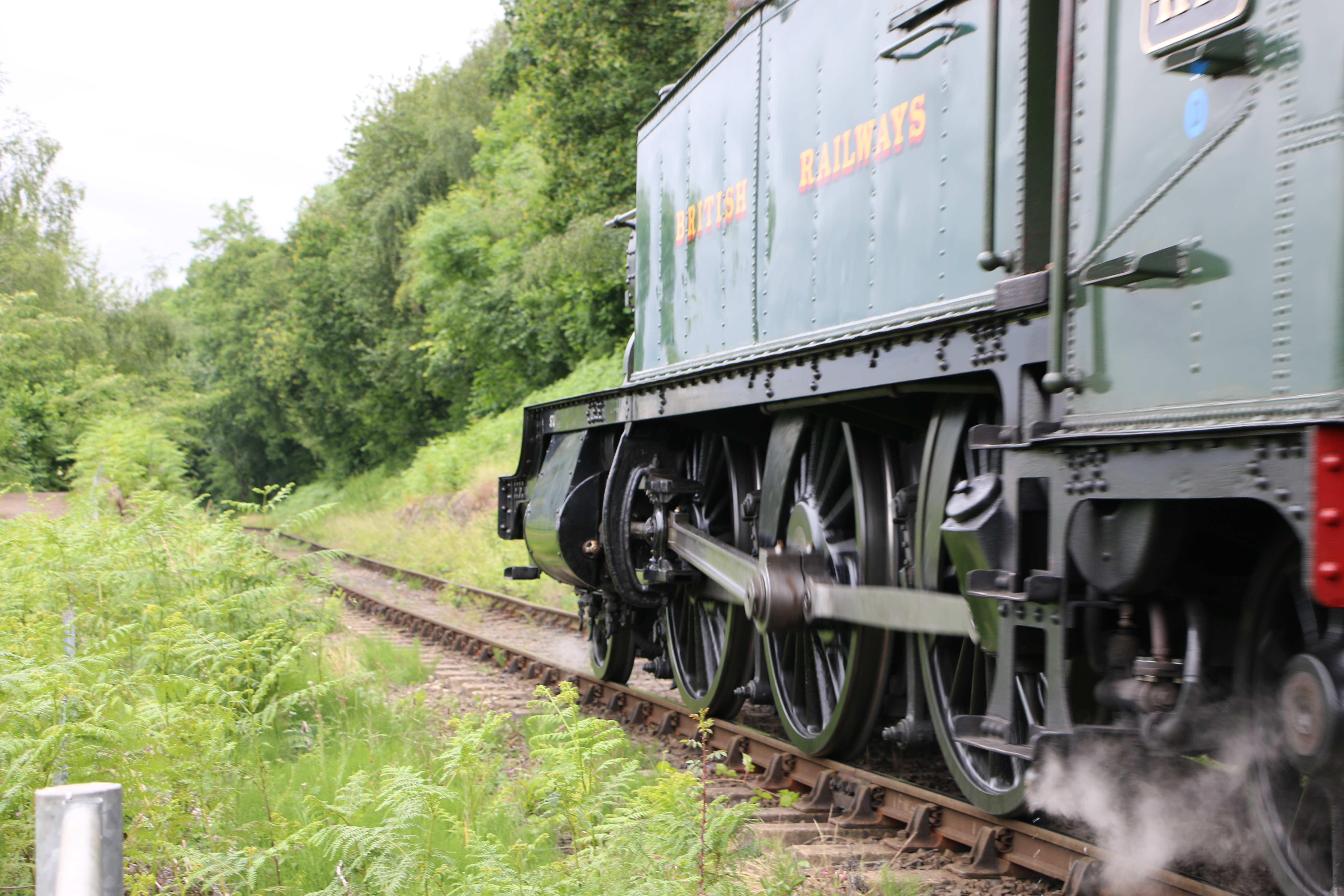
Collett succeeded George Jackson Churchward as locomotive engineer of the GWR in 1922 and inherited Churchward's older large prairies of the early 1900s. By the late 1920s the older engines were nearing the end of their lives, and Collett's solution was to take the existing Churchward boiler and motion (already proven on the Hall and 4300 designs) and adapt them to a tank-engine layout. The result was a powerful, reliable, easily-maintained outer-suburban engine that could handle stopping passenger trains of six coaches, summer Saturday seaside relief services, and the heavier branch passenger work where its adhesion and pulling power were useful.
The class was widely allocated across the GWR system. Major sheds included Tyseley (Birmingham), Old Oak Common, Cardiff Cathays, Newport Ebbw Junction, Plymouth Laira, and Wolverhampton Stafford Road. They worked the Birmingham suburban services into Snow Hill and Moor Street, the Cardiff suburban network, the Cornwall main line's stopping services, and the great majority of GWR outer-suburban work. Withdrawals began in the early 1960s as branch closures and diesel multiple units removed the work, with the very last engines surviving to the end of Western Region steam in November 1965.
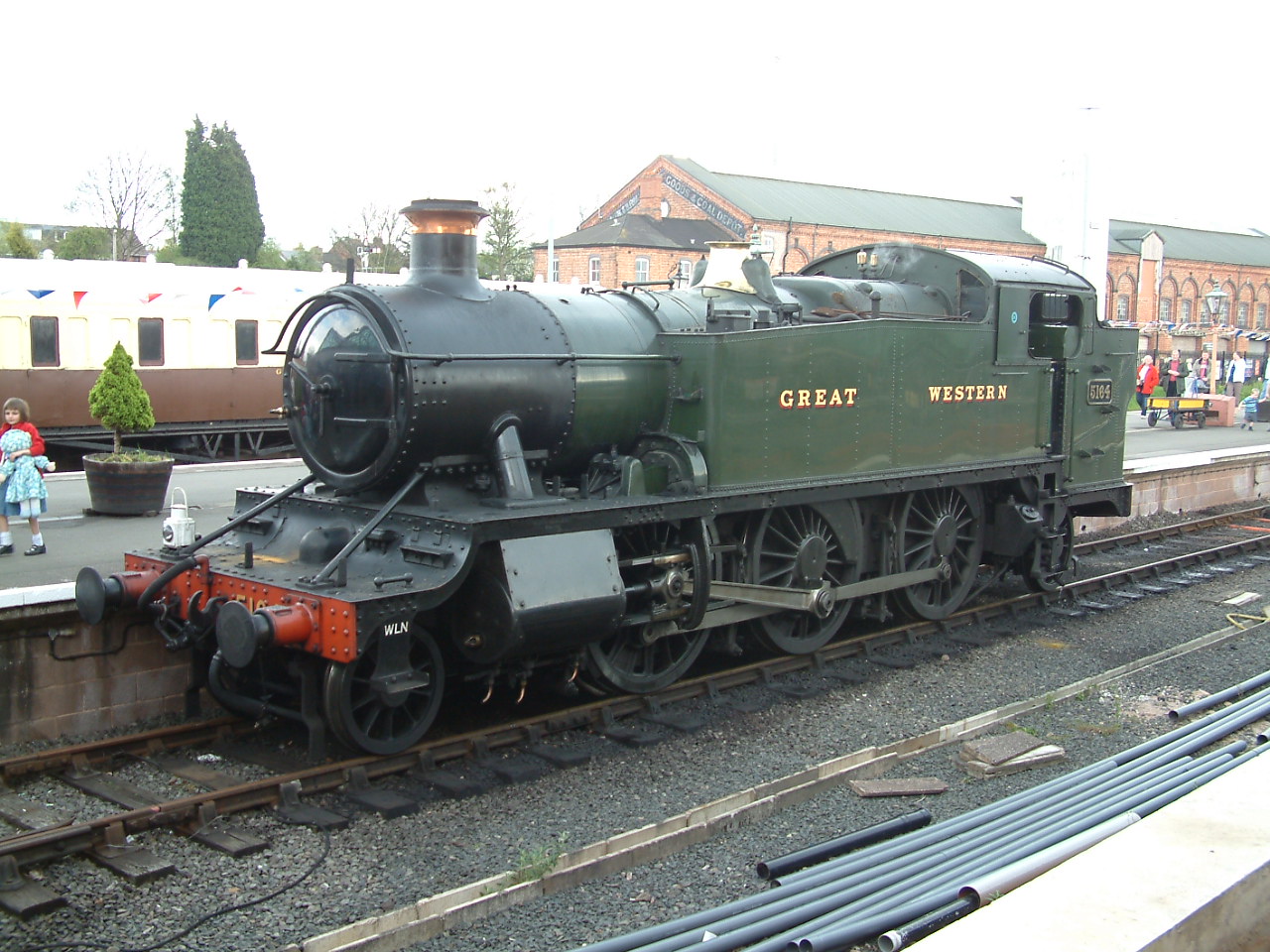
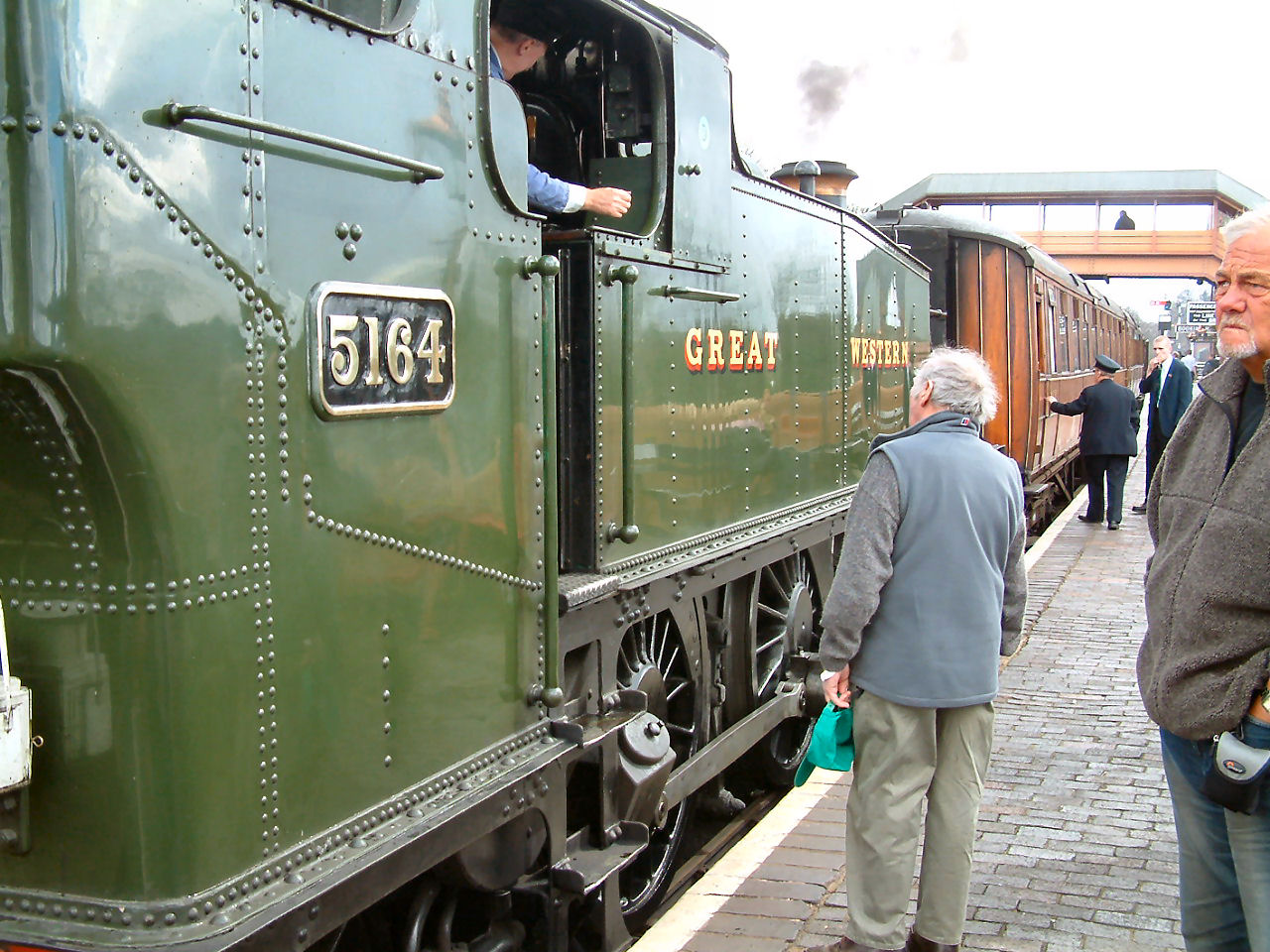
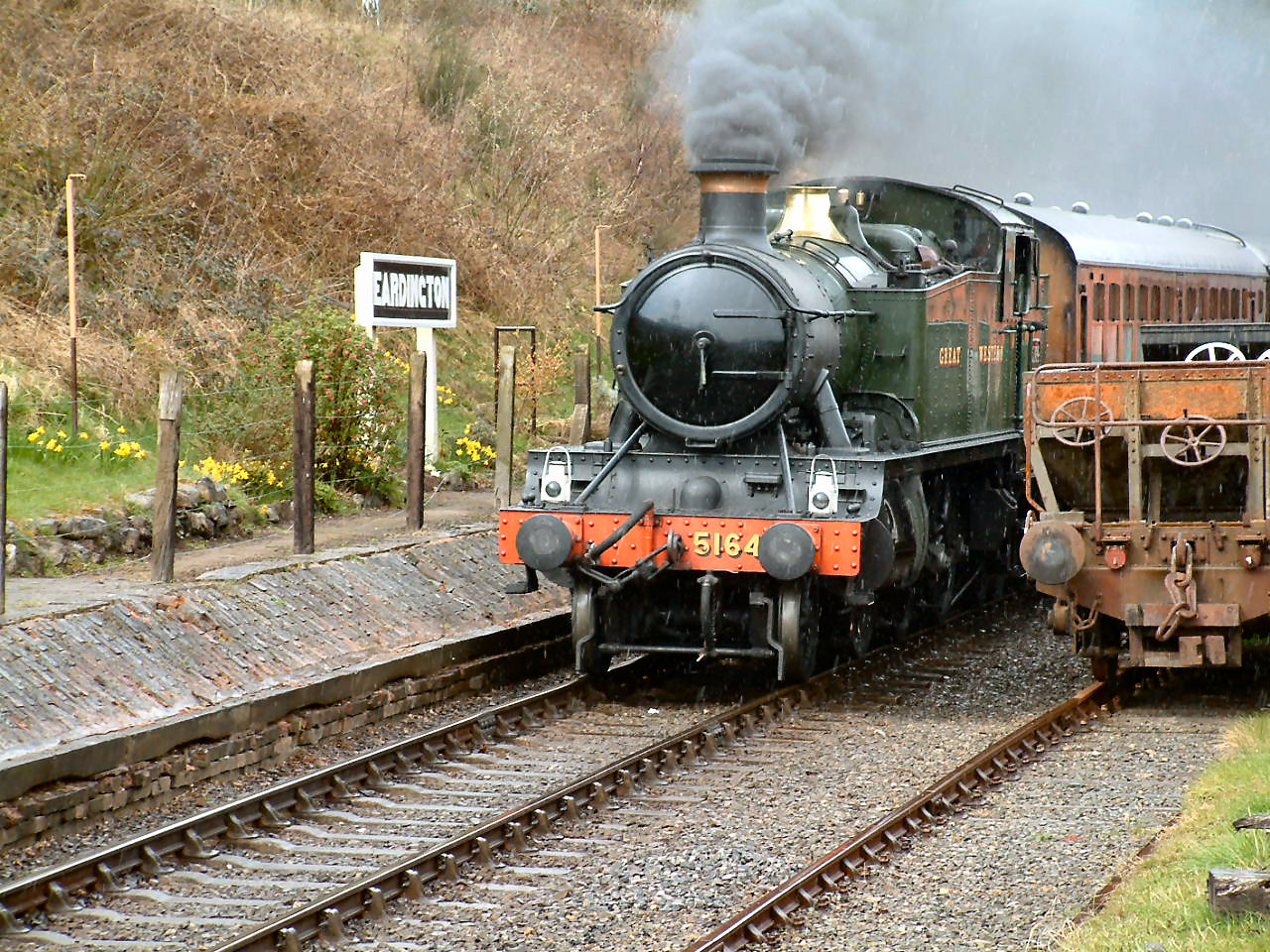
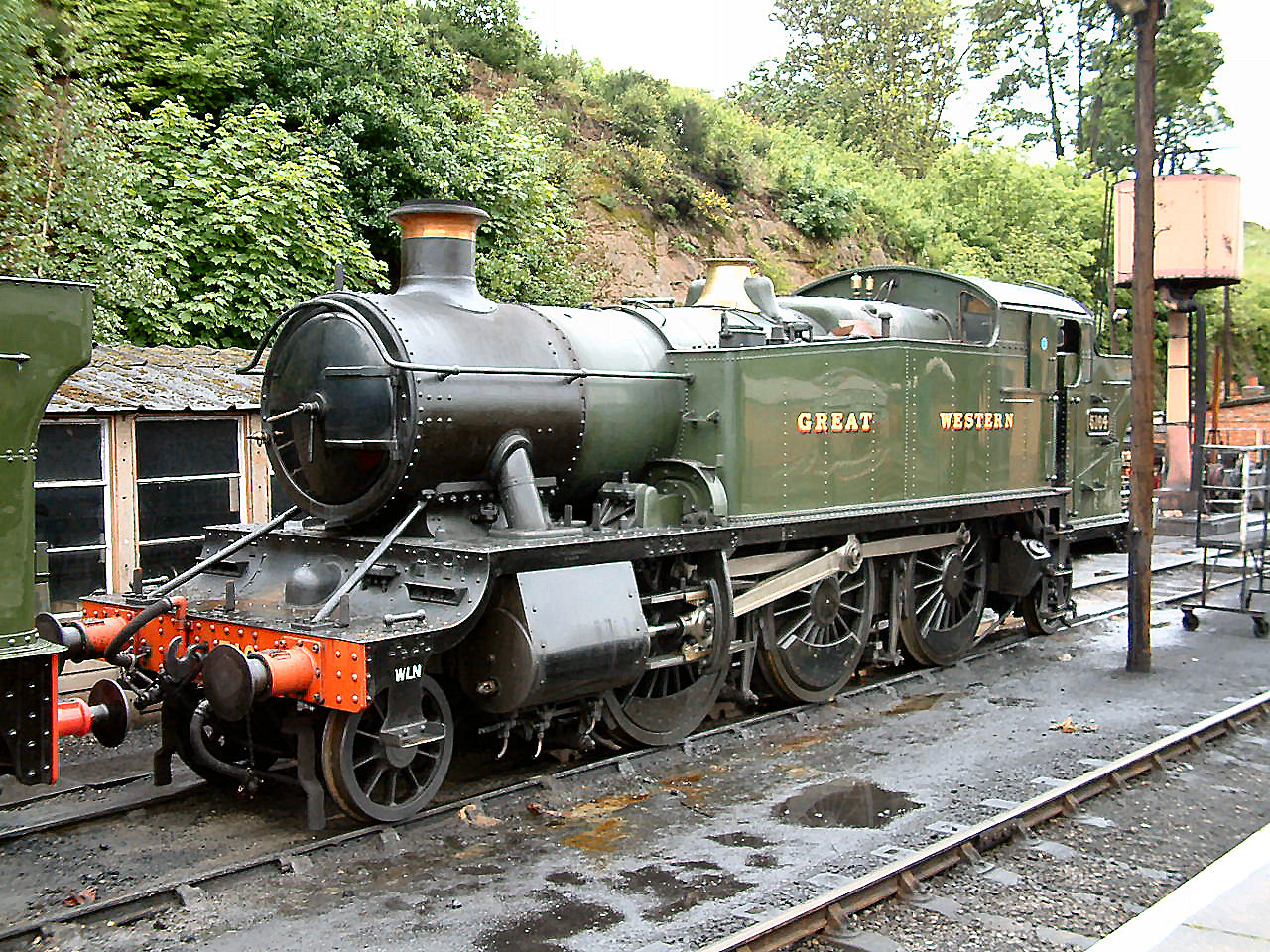
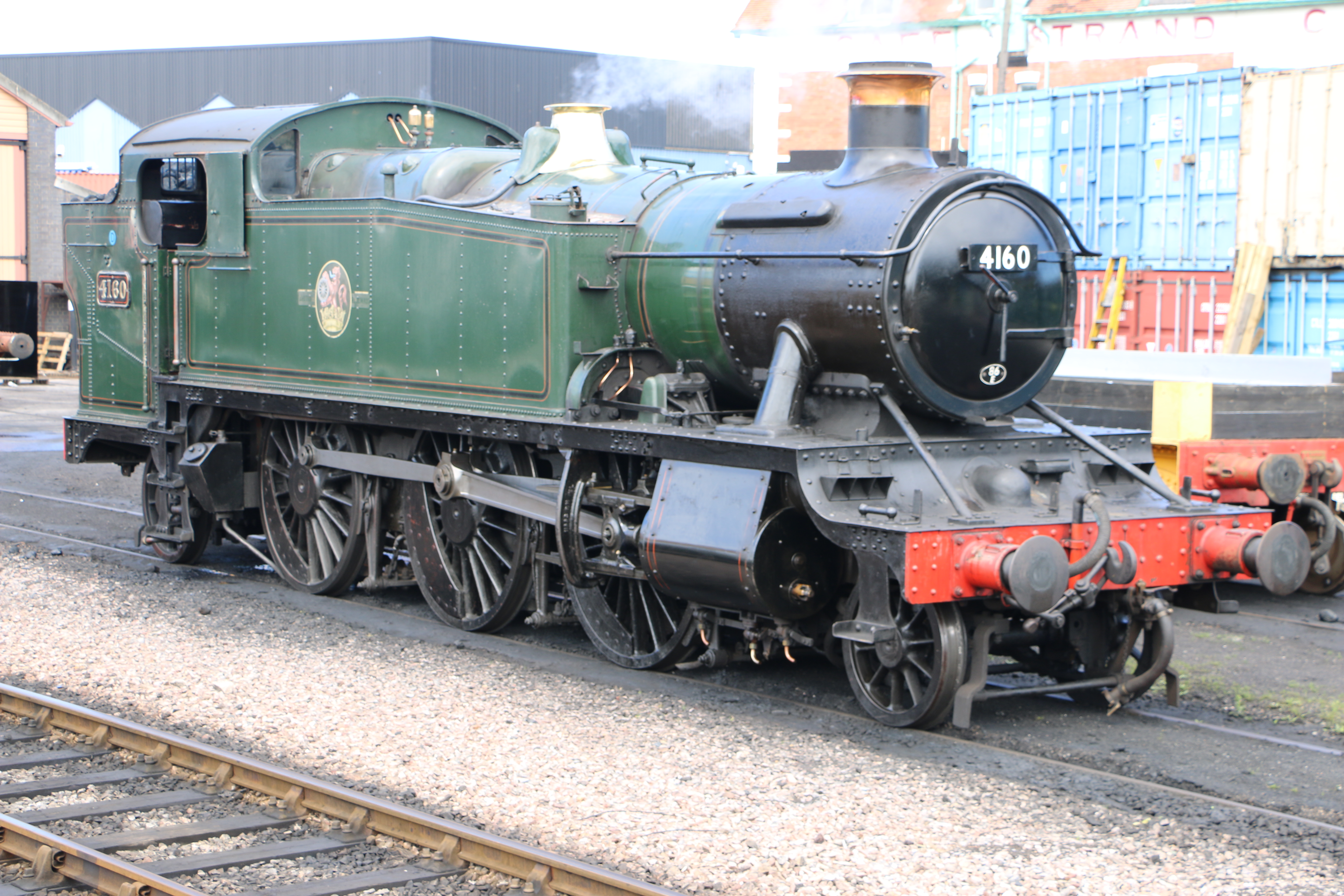
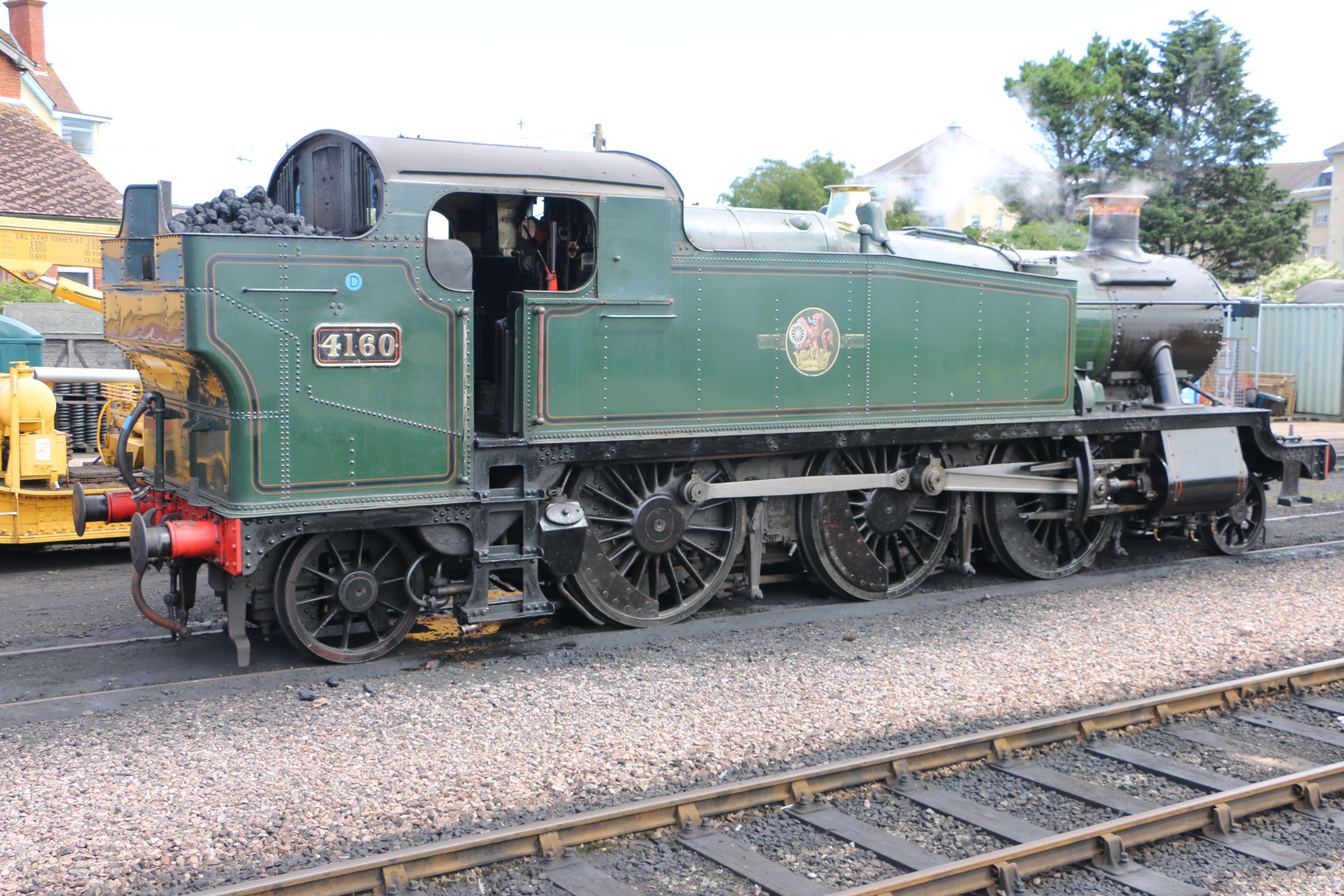
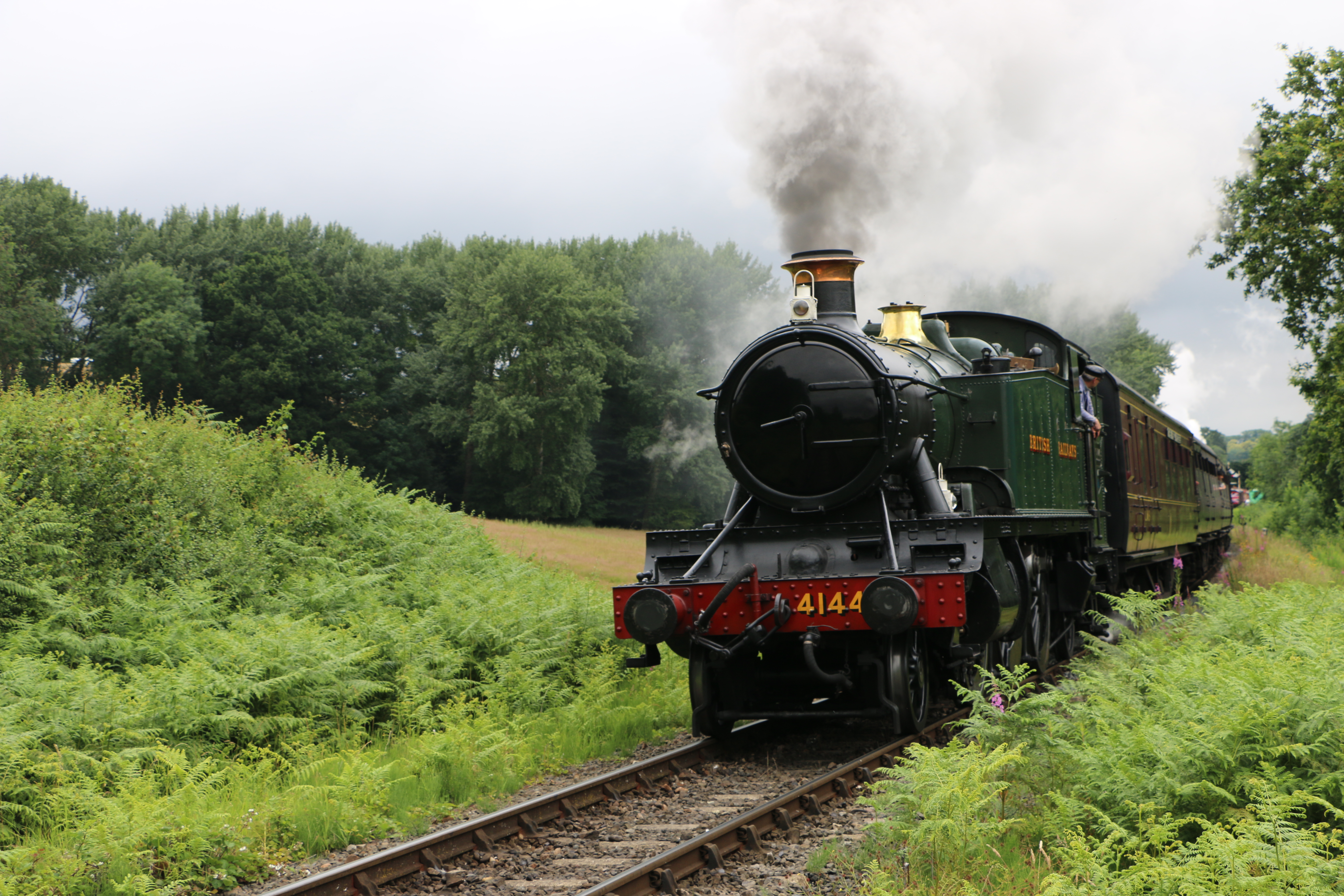
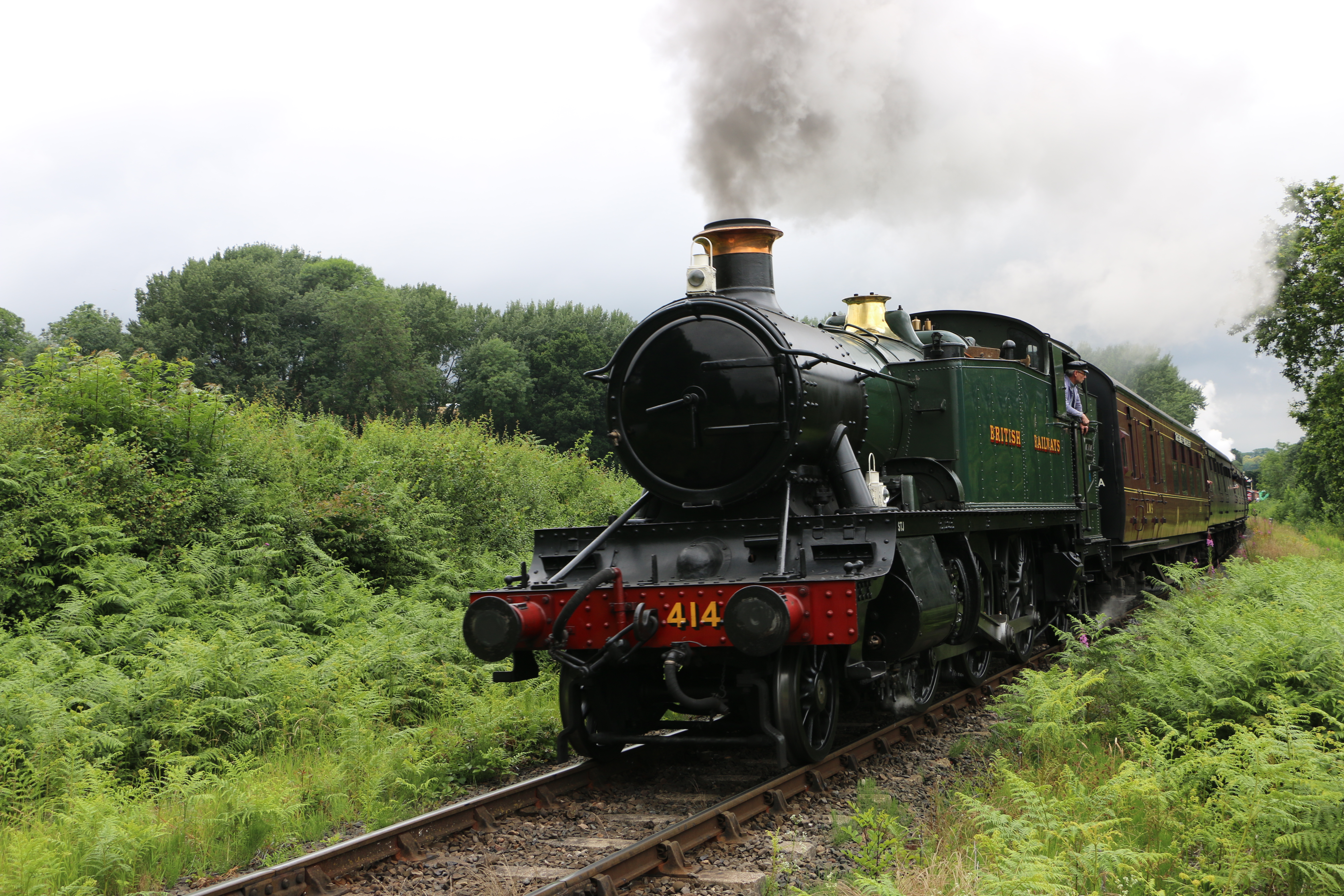
Around ten 5101s have survived. Survivors include 4144 at Didcot, 4150 and 5164 at the Severn Valley Railway, 4160 at the South Devon Railway (at the West Somerset Railway from 1993 to 2015), 5199 at the Llangollen Railway, plus the rebuilt 9351 at the West Somerset (a 5101 rebuilt to mogul form). The class's wide route availability, modest size, and pleasant Belpaire-boilered appearance make the survivors particularly suitable for heritage railway operation, and they continue to be a familiar sight on a number of preservation lines.
Design and development
Charles Collett succeeded George Jackson Churchward as locomotive engineer of the GWR in 1922 and inherited Churchward's 3100 and 5100 large prairie tanks of the early 1900s. By the late 1920s the older engines were nearing the end of their lives, and Collett designed a modern replacement that took the existing Churchward boiler, frames, and motion (which were also shared with the Hall Class and 4300 mogul) and adapted them to a tank-engine layout.
The first 5101 large prairies were built at Swindon Works in 1929. Production continued through the 1930s and 1940s, with a renumbered second series (4100 onwards) coming on stream from 1936. Total production was around 140 engines, making the 5101 one of the most numerous GWR tank classes.
The class was used principally on outer-suburban services from the Birmingham, Cardiff, and London suburban depots. They handled stopping passenger trains of three to six coaches, summer Saturday seaside relief services, and the heavier branch passenger work where their adhesion and pulling power were useful.
Service and withdrawals
The 5101s spent their working lives on outer-suburban services across the Western Region. They were a familiar sight on the Birmingham suburban services into Snow Hill and Moor Street, the Cardiff suburban network, the Cornwall main line's stopping services, and the great majority of GWR outer-suburban work.
Withdrawals began in the early 1960s as branch closures and diesel multiple units removed the work. The class was decimated through 1962 to 1965, with the very last engines surviving to the end of Western Region steam in November 1965.
Identification features
Numbers and names
5101–5199Collett, 1929 to 1939
- 5101
- 5102
- 5103
- 5104
- 5105
- 5106
- 5107
- 5108
- 5109
- 5110
- 5111
- 5112
- 5113
- 5114
- 5115
- 5116
- 5117
- 5118
- 5119
- 5120
- 5121
- 5122
- 5123
- 5124
- 5125
- 5126
- 5127
- 5128
- 5129
- 5130
- 5131
- 5132
- 5133
- 5134
- 5135
- 5136
- 5137
- 5138
- 5139
- 5140
- 5141
- 5142
- 5143
- 5144
- 5145
- 5146
- 5147
- 5148
- 5149
- 5150
- 5151
- 5152
- 5153
- 5154
- 5155
- 5156
- 5157
- 5158
- 5159
- 5160
- 5161
- 5162
- 5163
- 5164
- 5165
- 5166
- 5167
- 5168
- 5169
- 5170
- 5171
- 5172
- 5173
- 5174
- 5175
- 5176
- 5177
- 5178
- 5179
- 5180
- 5181
- 5182
- 5183
- 5184
- 5185
- 5186
- 5187
- 5188
- 5189
- 5190
- 5191
- 5192
- 5193
- 5194
- 5195
- 5196
- 5197
- 5198
- 5199
1929–1939
- 1929
- 1930
- 1931
- 1932
- 1933
- 1934
- 1935
- 1936
- 1937
- 1938
- 1939
4100–4179continuation, 1936 to 1949
- 4100
- 4101
- 4102
- 4103
- 4104
- 4105
- 4106
- 4107
- 4108
- 4109
- 4110
- 4111
- 4112
- 4113
- 4114
- 4115
- 4116
- 4117
- 4118
- 4119
- 4120
- 4121
- 4122
- 4123
- 4124
- 4125
- 4126
- 4127
- 4128
- 4129
- 4130
- 4131
- 4132
- 4133
- 4134
- 4135
- 4136
- 4137
- 4138
- 4139
- 4140
- 4141
- 4142
- 4143
- 4144
- 4145
- 4146
- 4147
- 4148
- 4149
- 4150
- 4151
- 4152
- 4153
- 4154
- 4155
- 4156
- 4157
- 4158
- 4159
- 4160
- 4161
- 4162
- 4163
- 4164
- 4165
- 4166
- 4167
- 4168
- 4169
- 4170
- 4171
- 4172
- 4173
- 4174
- 4175
- 4176
- 4177
- 4178
- 4179
1936–1949
- 1936
- 1937
- 1938
- 1939
- 1940
- 1941
- 1942
- 1943
- 1944
- 1945
- 1946
- 1947
- 1948
- 1949
GWR 5101 to 5199 (Collett, 1929 to 1939) and 4100 to 4179 (continuation, 1936 to 1949). Total around 140, building on the older Churchward 5100 series (1903 onwards). The class shared the boiler, frames, and motion of the GWR Hall and earlier 4300 mogul and is essentially a tank-engine version of the same family. The renumbering of the Churchward and Collett series caused some confusion, but the class is generally referred to as the 5101 large prairie regardless of the actual running number.
Notable locomotives
Ten 5101 large prairies have survived in preservation, more than for almost any other GWR tank class. Survivors include 4144 (Didcot Railway Centre), 4150 (Severn Valley Railway), 4160 (West Somerset Railway), 4115, 5164 (Severn Valley Railway), 5193 (rebuilt to mogul as 9351 at the West Somerset), and 5199 (Llangollen Railway). Several have been in regular working condition for many years and the class is one of the most reliably-represented GWR designs in the heritage railway era.
The class was decimated through the 1960s as Western Region branch lines closed and as diesel multiple units replaced steam-hauled stopping trains. The last 5101 in regular service was withdrawn in 1965 from Croes Newydd, in the very last weeks of Western Region steam.
Allocations and regions
Livery history
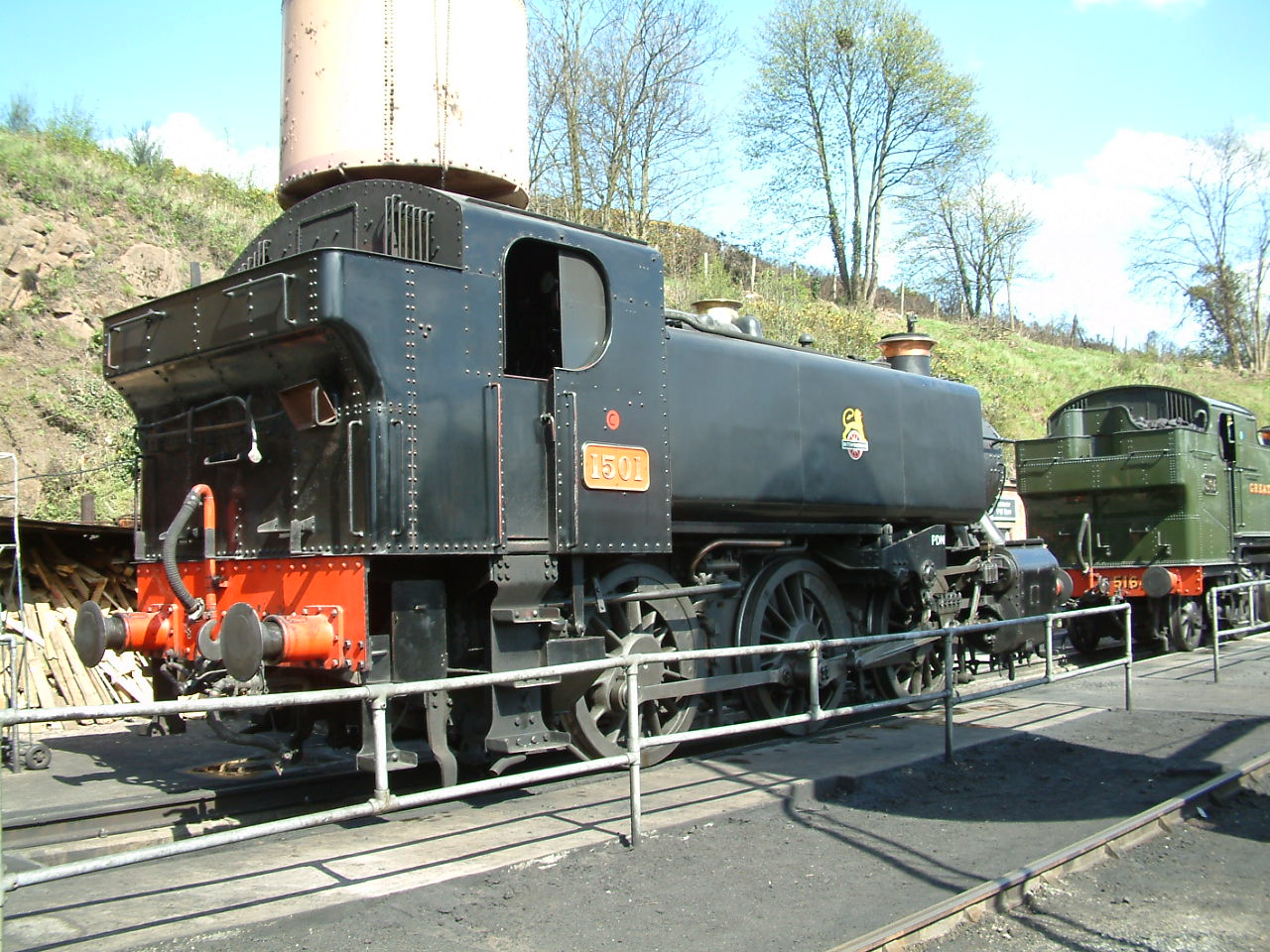
The class was outshopped from new in GWR-style green with the GWR roundel on the side tanks. British Railways from 1948 painted the class in lined GWR-style green with the early lion-and-wheel emblem; from 1956 the late ferret-and-dartboard crest. Preserved examples have appeared in both GWR-period green and BR plain black liveries during their preservation careers.
Preservation status
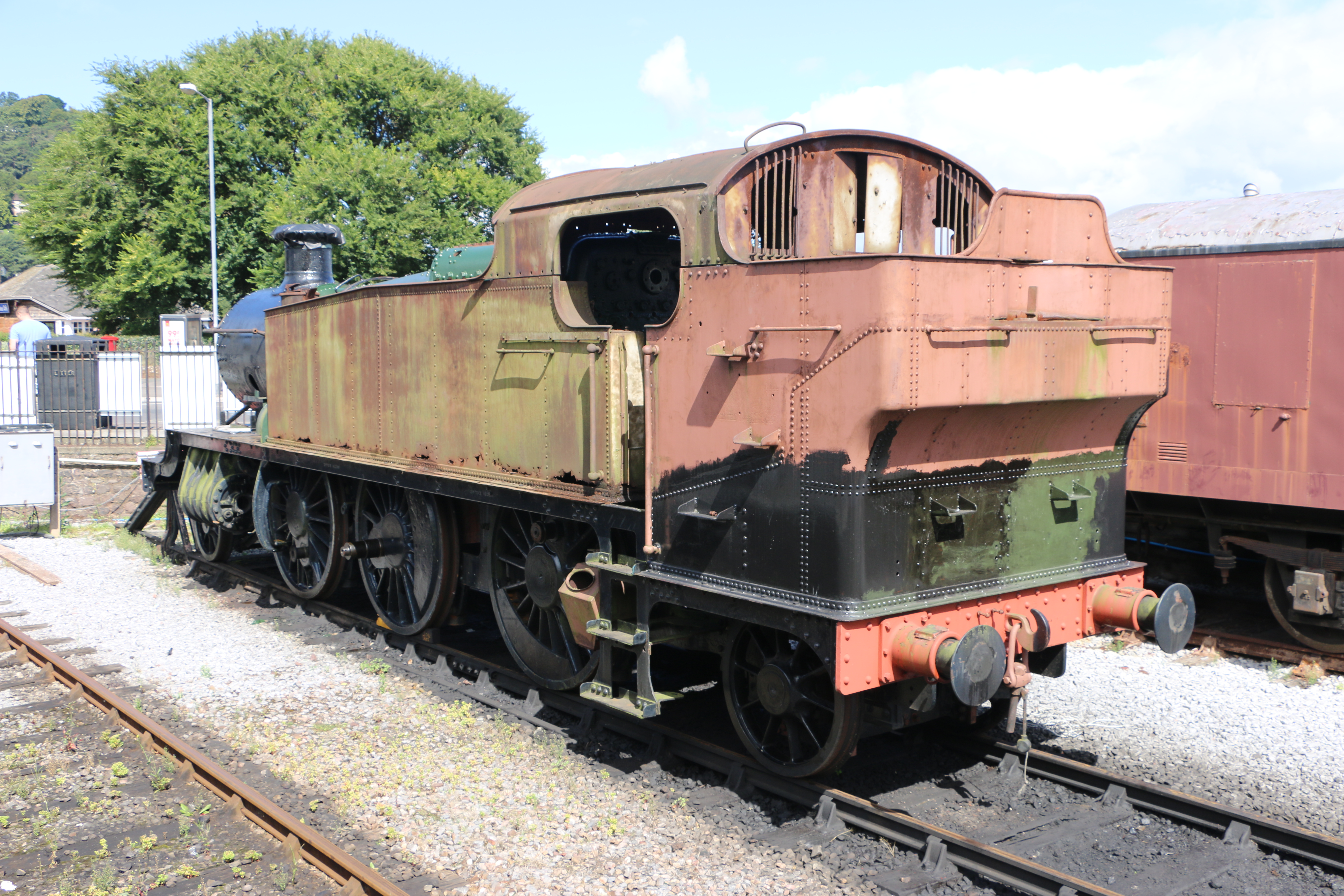
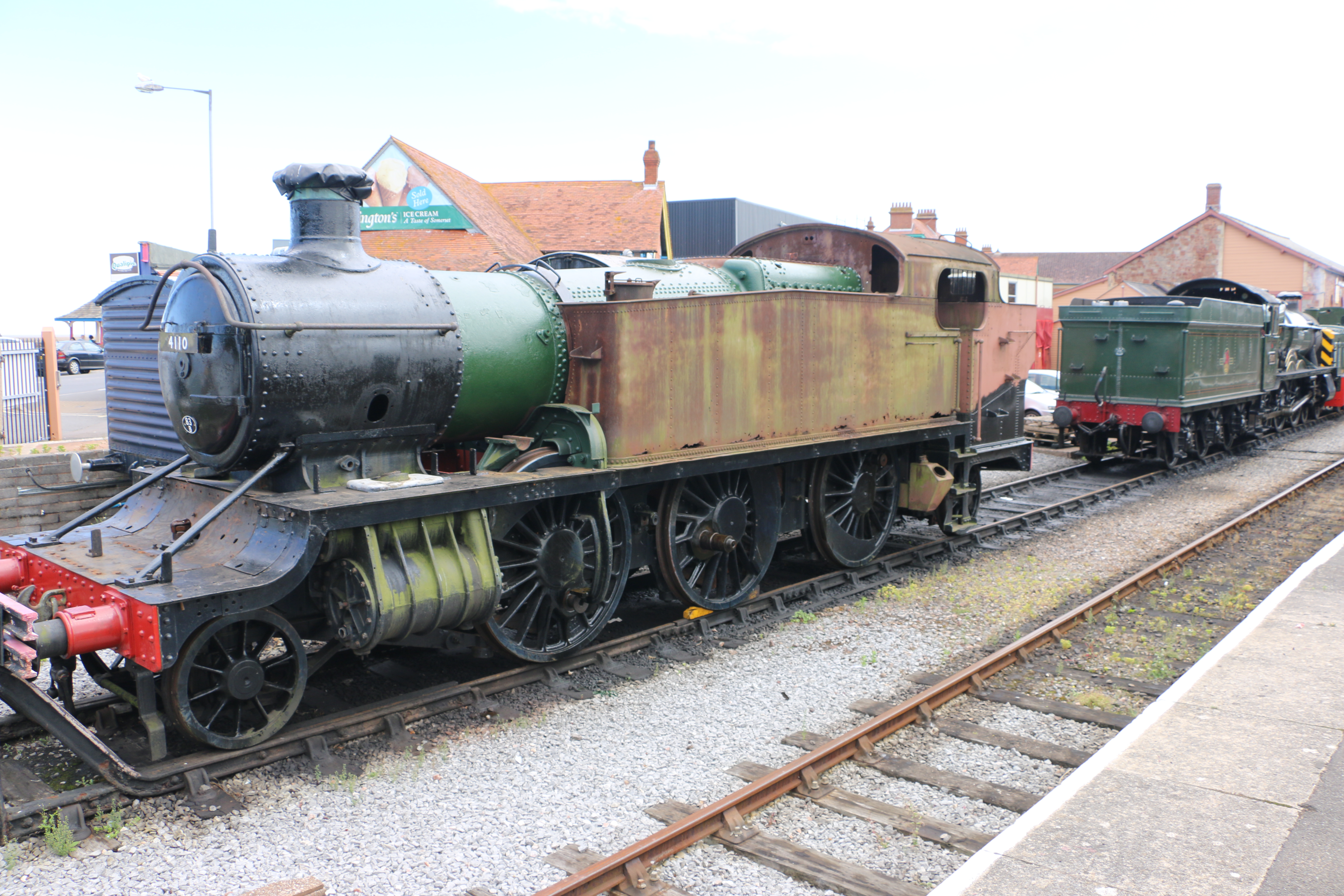
Ten Large Prairies survive: 4110, 4115, 4121, 4141, 4144, 4150, 4160, 5164, 5199 and 9351 (built as 5193 and later rebuilt as a 2-6-0 tender engine). Nine are counted here. 4115 is not, because it is no longer a complete locomotive — its frame extension and six driving wheels went into the new-build 4700 Class 4709 — and this site does not count donors.
Photographs